An interview with filmmaker Finn Christian Peper and Pedestal designer Lukas Holgersen
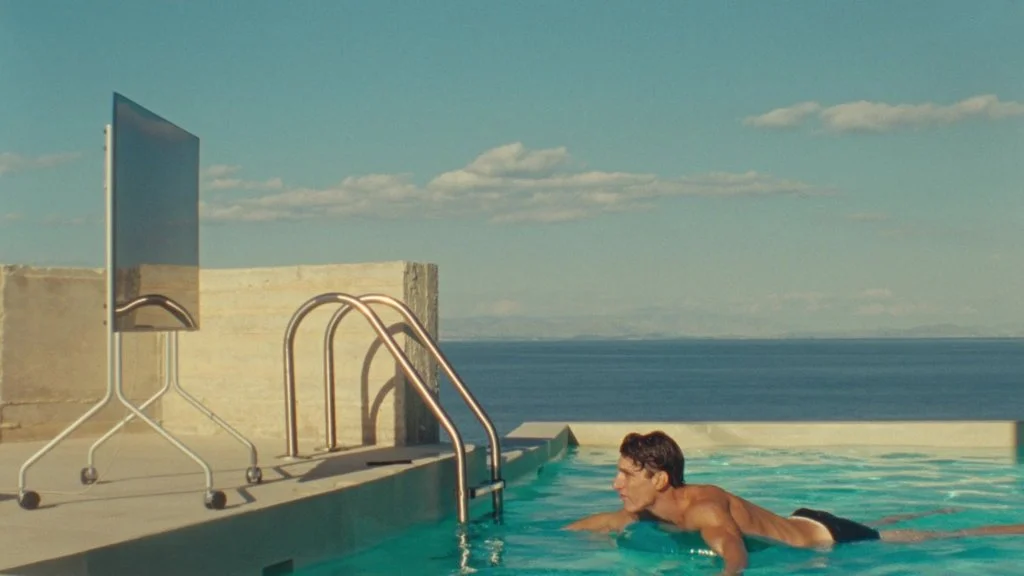
Danish design brand Pedestal examines the relationship between people and everyday objects in Objects of Desire, the second short film in its Dear Maria series. Directed and shot on 16mm by filmmaker Finn Christian Peper along the Aegean coast in Greece, the film continues the story of a man who previously chose his TV stand over his girlfriend. Following a heartbreak, he retreats to a coastal setting with Pedestal’s Moon TV stand, until an unexpected romantic encounter challenges his attachment to the object. Through humour and cinematic storytelling, the film considers desire, emotional attachment and the value we assign to our possessions.
In this conversation, film director Finn Christian Peper and Pedestal designer Lukas Holgersen discuss the ideas and creative decisions behind Objects of Desire. Their perspectives address the relationship between filmmaking and product design, the influence of Scandinavian design, and the potential of cinema to communicate the significance of objects beyond their practical function.
Objects of Desire is the second chapter of the Dear Maria series, returning to a character who once chose his TV stand over his relationship. This time, the story looks again at the things we become emotionally attached to. What interested you in continuing this narrative and taking the relationship between people and objects further?
Finn: I think it’s important to question our growing obsession with materialism. With Objects of Desire, I wanted to take that reflection a step further and explore the relationship between people and objects in a more nuanced way. For me, humor plays an important role in that process, allowing us to approach the subject with a sense of irony without losing sight of what lies beneath it.
The film reflects on how certain objects can remain with us through different stages of our lives and acquire a meaning that goes far beyond their function. Do you think good design can create this kind of emotional attachment, or does that connection only develop through time and experience?
Lukas: I think it’s both, and it happens all the time, whether we notice it or not. For objects that aren’t gifted or inherited, the first attraction usually comes from how they look. It might sound superficial, but we all like to surround ourselves with beautiful things, and beauty is entirely in the eye of the beholder. Sometimes the connection is immediate. The thing simply resonates with you. But over time, some objects take a special place in our lives. Not necessarily a sentimental one, but I like to think they become archetypes. The potato peeler that peels best, the camera that came along on all your travels, the jeans that fit just right. They stretch beyond their function and become the gold standard everything else is measured against. So good design can open the door, but time and use are what make it yours.
Finn: Definitely. I believe good design plays a huge role in how we form attachments to objects. It goes beyond aesthetics and functionality to become part of our everyday lives. I think almost everyone has a memory connected to a particular object that, over time, has come to mean far more than its original purpose.
Finn, you chose to direct and shoot Objects of Desire on 16mm. In an increasingly digital visual culture, what attracted you to the physical character of film, and what did it bring to this particular story?
Finn: I believe shooting on film makes everyone on set more aware of what’s happening in front of the lens. The medium leaves very little room for error, demanding more from everyone to ensure the vision is translated onto the negative as intended. In a digital world where everything is expected to happen instantly, that process is becoming increasingly rare. For Objects of Desire, shooting on 16mm brought that sense of intention and presence to the story.
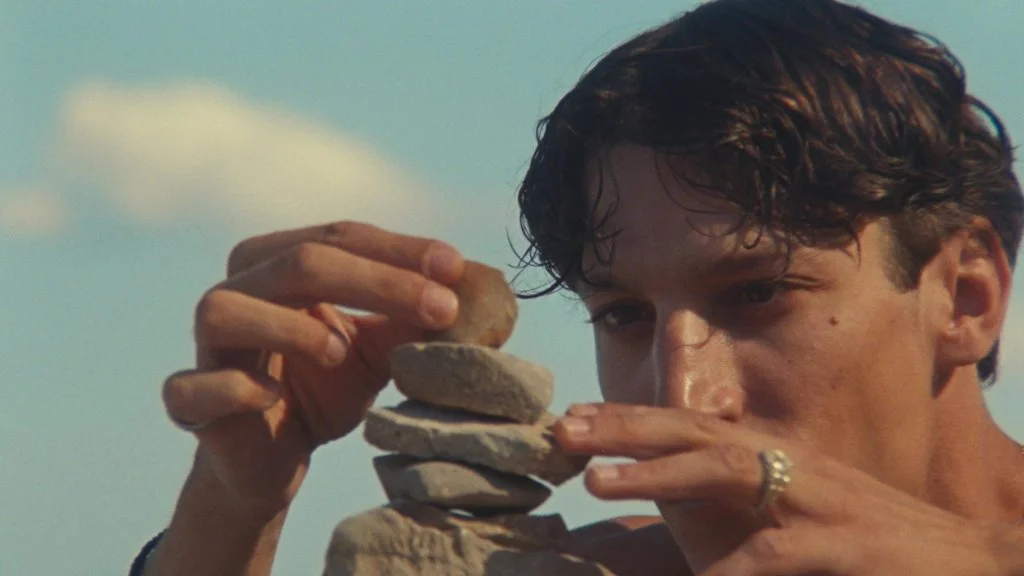
The film was made along the Aegean coast, where architecture, landscape, heat and light become an important part of its atmosphere. How did Greece influence the way you approached the story visually, and did the location change any of your original ideas during production?
Finn: The Aegean coast has a particular character that’s difficult to find elsewhere. The architecture, landscape and light feel somehow removed from the pace of modern life. From my first visit to Greece, I knew I had to shoot a project like Objects of Desire there. The location felt so naturally connected to the story that it never really changed my original ideas; instead, it allowed them to unfold in a way that would have been difficult to recreate elsewhere. If I had to reinvent myself somewhere, it would be there.
Lukas, Pedestal designs around the television, an object that has traditionally been integrated into furniture or deliberately hidden within the home. How do you approach giving the screen a more intentional physical presence without allowing technology to dominate the interior?
Lukas: The obvious move when designing for a tech product is to make it look just as technical. We decided to do the opposite, because in many homes the screen already feels out of place, and matching it would only make it a bigger foreign object. So when we started Pedestal, the goal was to make the screen feel at home. That happens on two levels. The first is the stand itself, which draws on the furniture classics we live with, or that shaped the way we live. Jean Prouvé, Eileen Gray, Verner Panton and Charles and Ray Eames filled our early moodboards. When the shapes and finishes start to “have a conversation” with the rest of the room, the black monolith softens and becomes something that fits. The second is function. The room loosens up, and suddenly the screen can be anywhere, or gone completely when you’re not using it.
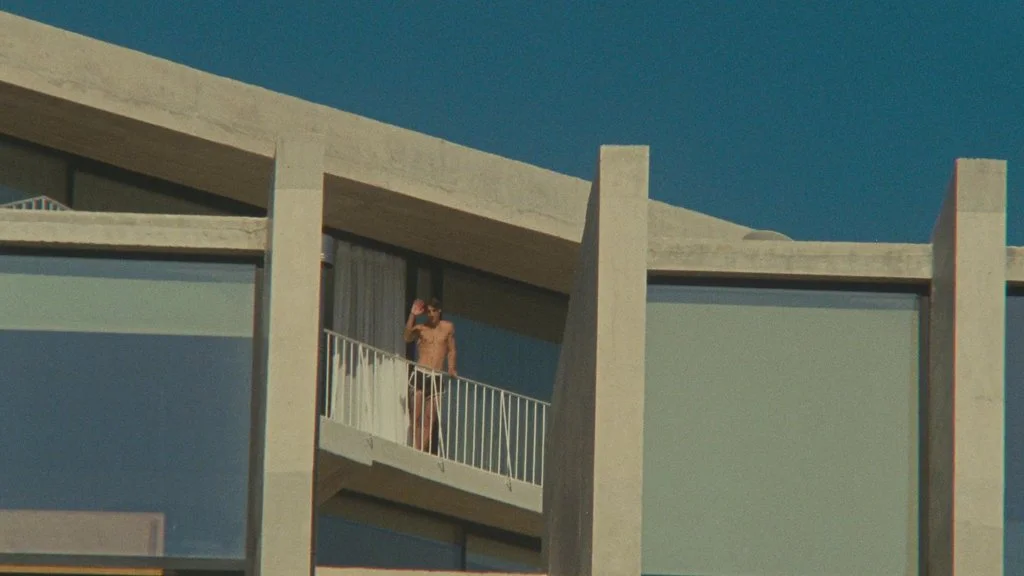
In Objects of Desire, the Moon stand exists naturally within the character’s life instead of being introduced as a conventional product shot. How do you find the balance between telling a convincing story and making the design itself visible?
Lukas: It was a deliberate choice. Moon is a character in the story, not a product on display. We never wanted our products to be flashy icon design that pulls all the attention in a room. Moon is not the lead in any space. It’s the supporting actor, the one that lets the lead do their thing, and the lead is the person living there. We believe there’s something genuinely attractive about the quiet elegance of a product that delivers equally on looks and function, rather than screaming for attention. And a good supporting actor still gets noticed. You see Moon in use, in context, which says more about it than any product shot could. Without Sam, there would be no Frodo.
Finn: With a project like Objects of Desire, there’s no need to showcase the product in every frame. I think more brands should dare to focus on evoking a feeling rather than just trying to sell a product. In the end, I believe that it creates a stronger connection with the audience and makes the product even more meaningful.
Film introduces movement, time and human interaction to objects that we normally experience through static images. Has working together in this format influenced the way either of you thinks about design, whether in creating an object or deciding how it should be seen?
Lukas: A project like this lets us see our products through a different lens. Something happens when you change the arena. We tend to show our products in a classic, curated setting, which makes sense when you want to create aspirational images. But they live in the real world, and probably end up on the back seat of a car far more often than we imagine, on the way to a new flat or wherever. The film was shot in Greece, where homes reflect a different culture, taste and aesthetic, and different materials for our products to live alongside. As Scandinavian designers, we carry the weight of the mid-century masters, and that can make our view rather Scandi-centric. Working with a fellow Dane who thinks in film rather than in objects is a reminder to look beyond our own noses, and that Pedestal can draw outside the lines of the Scandinavian colouring book. It’s the same joy I get when customers hack our products to fit their own lives.
Finn: I think Pedestal is a perfect solution to a problem most of us can relate to. That shared understanding of what the product brings to our everyday lives gives us a lot of possibilities for storytelling. Through our films, we can take something familiar and place it in unexpected situations, exploring the relationship between people and the objects around them. It allows us to move beyond simply showing the design and instead tell stories about what these objects can represent in our lives.
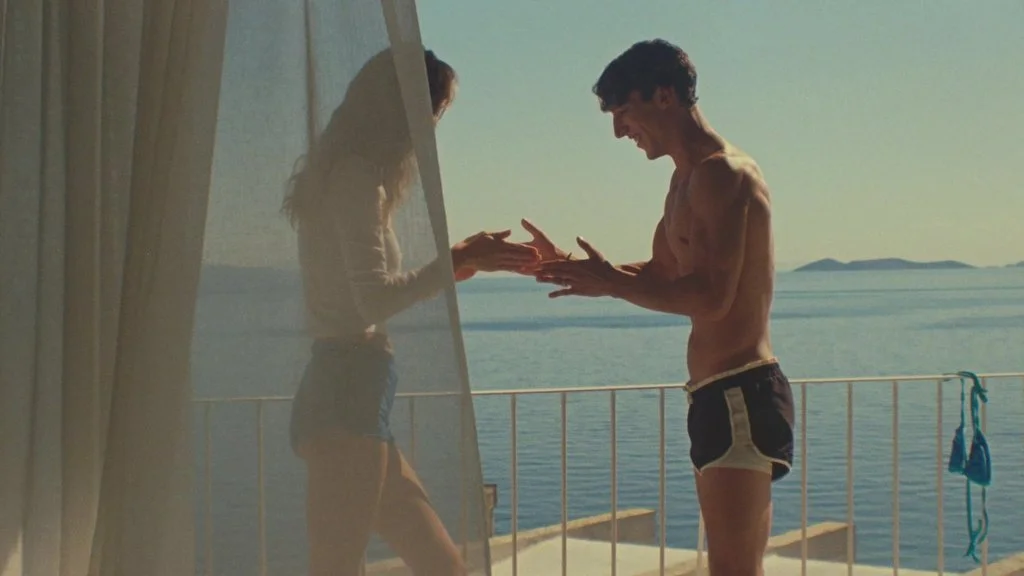
Design and film both depend on details that may not be immediately noticed, from proportion and material to framing, rhythm and atmosphere. Where do you see the strongest connection between the two disciplines?
Lukas: Communication. The best details in both are the ones you don’t consciously notice. You just feel them. Good design has something to say. It can be as simple as “this is what I do, and this is how”, like an EpiPen, which has to be understood instantly by anyone in a moment of panic. For us, it’s the wheels. You don’t necessarily roll your TV stand around all day, but just having them there tells you it can move. Suddenly you’re dreaming about rolling it into the bathroom and watching Pretty Woman from the bathtub, or whatever comes to mind. A small functional detail that sparks a whole range of new ideas. Film works the same way. The details are rarely noticed on their own, but together they tell you what to feel.
Finn: Both disciplines are ultimately about evoking a feeling. Great design can leave a lasting impression almost instantly, creating a sense of recognition or memory. Film can do the same through movement, framing, rhythm and sound. Although the two mediums are very different, they share the same ability to create something that stays with you beyond the initial experience. For me, that’s where the strongest connection lies.
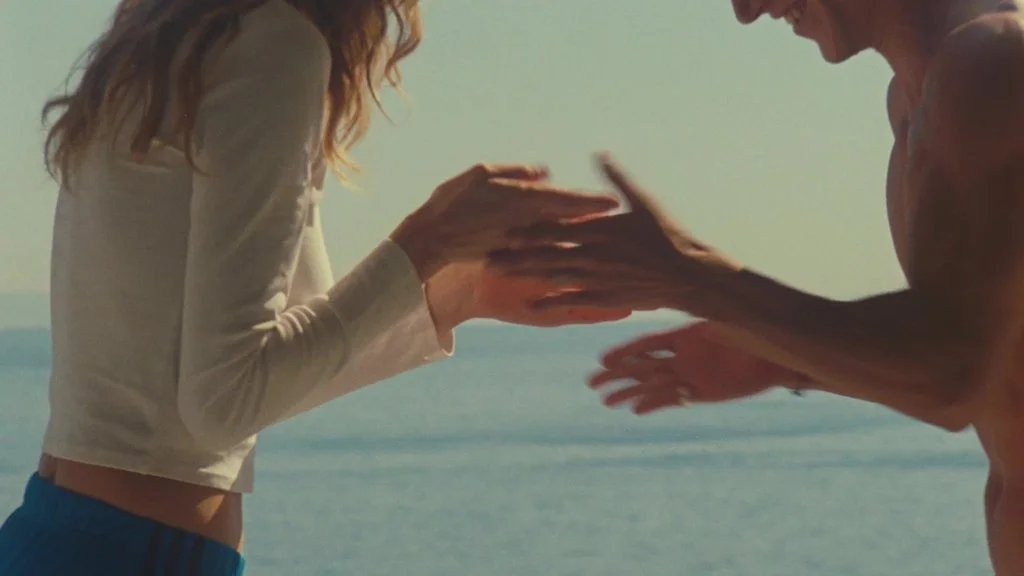
Objects of Desire is ultimately a film about desire, attachment and the value we give to things. When people reach the end of the film, what do you hope remains with them beyond the image of the product itself?
Lukas: Not Moon, actually. I hope people feel the last few rays of warmth before we head into the colder months. But if I had to choose one thing, I’d like them to reflect on the very things this conversation has circled around: our relationships, both with the things we live with and, especially, with the people we share them with. We don’t dictate where that reflection leads. Sometimes it’s just good to let your mind wander and see where it takes you.
Finn: I hope the film makes people reflect on what they desire and why. Objects of Desire explores the tension between wanting more and knowing when we have enough. I think it’s something many of us can recognize in ourselves — the constant urge to move forward, to achieve more, to have more. Sometimes, in looking for what’s next, we forget to appreciate what we already have.
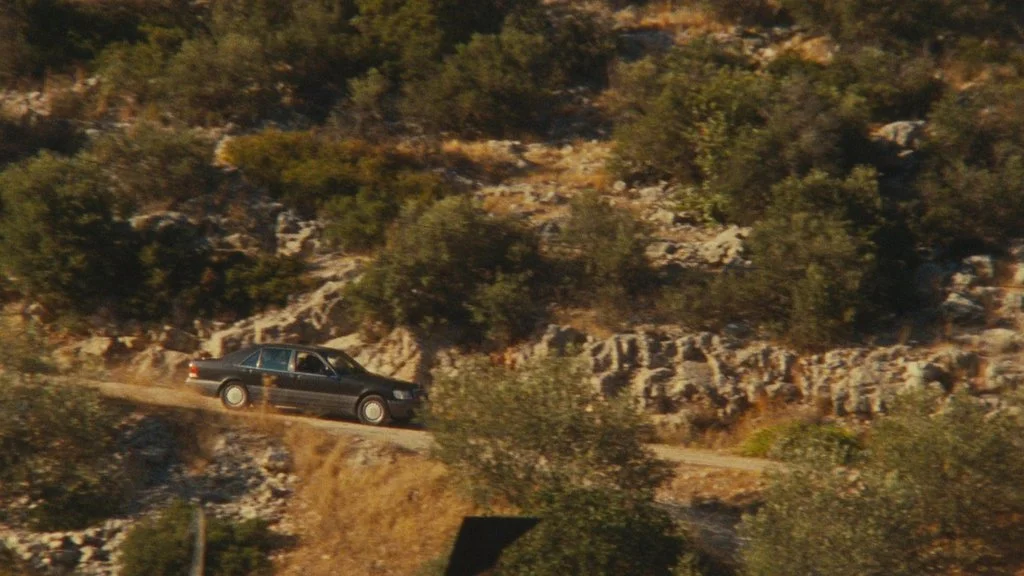
All images courtesy of Pedestal, shared with permission