AENARA imagines future living on Mars with experimental habitat at Powerhouse Parramatta
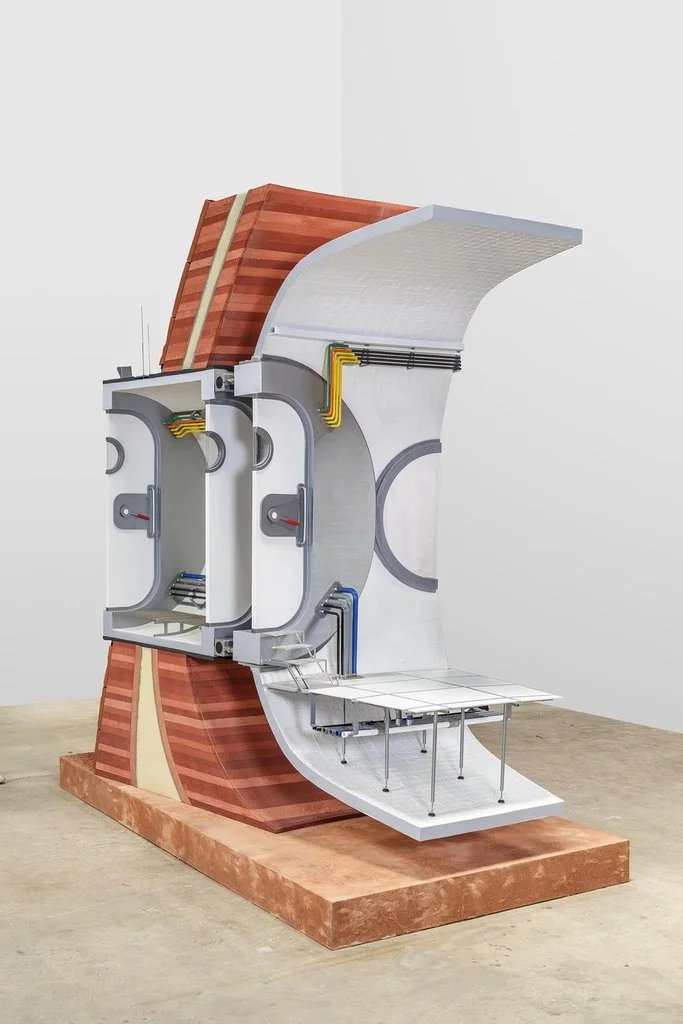
AENARA presents Off-World Habitat Wall Section, an architectural installation examining the future of human habitation on Mars, at Powerhouse Parramatta in Sydney, Australia. Commissioned for Task Eternal, the aerospace exhibition opening on November 7, 2026, the project presents a sectional study of a proposed Martian habitat designed for the year 2075. Developed by the Los Angeles-based design and research practice founded by space architect Melodie Yashar, the installation exposes the structural components, environmental systems, and construction technologies necessary to sustain human life beyond Earth.
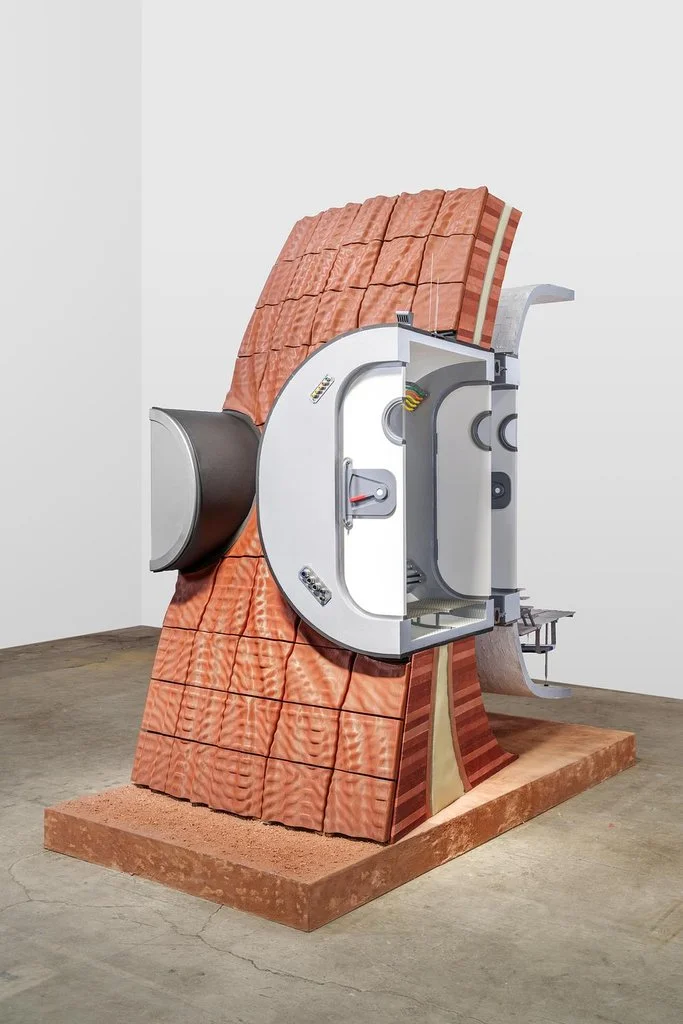
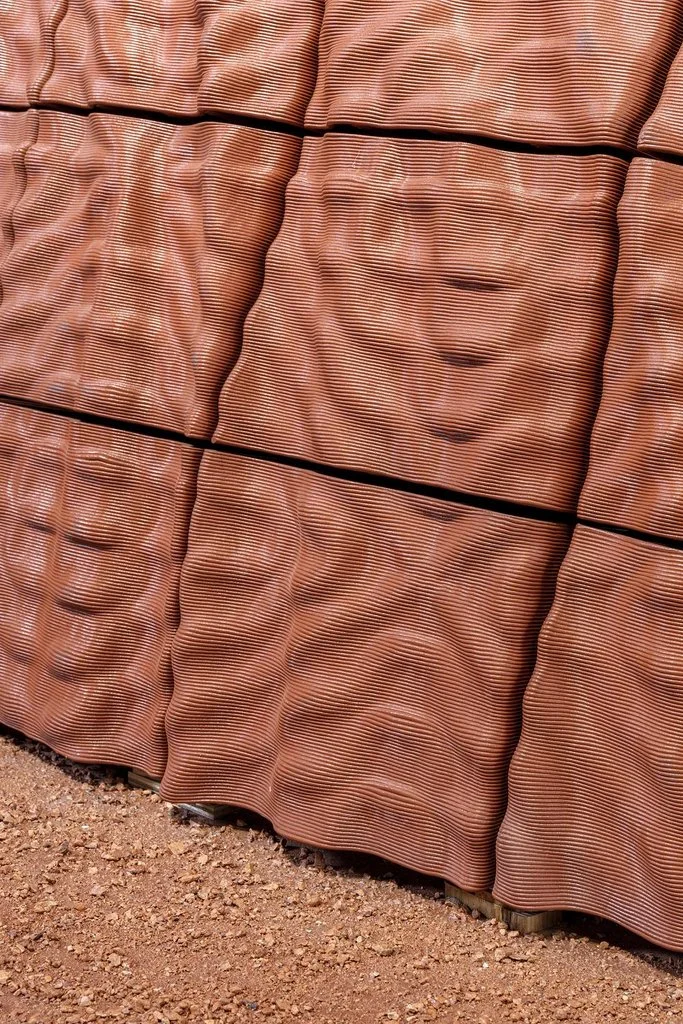
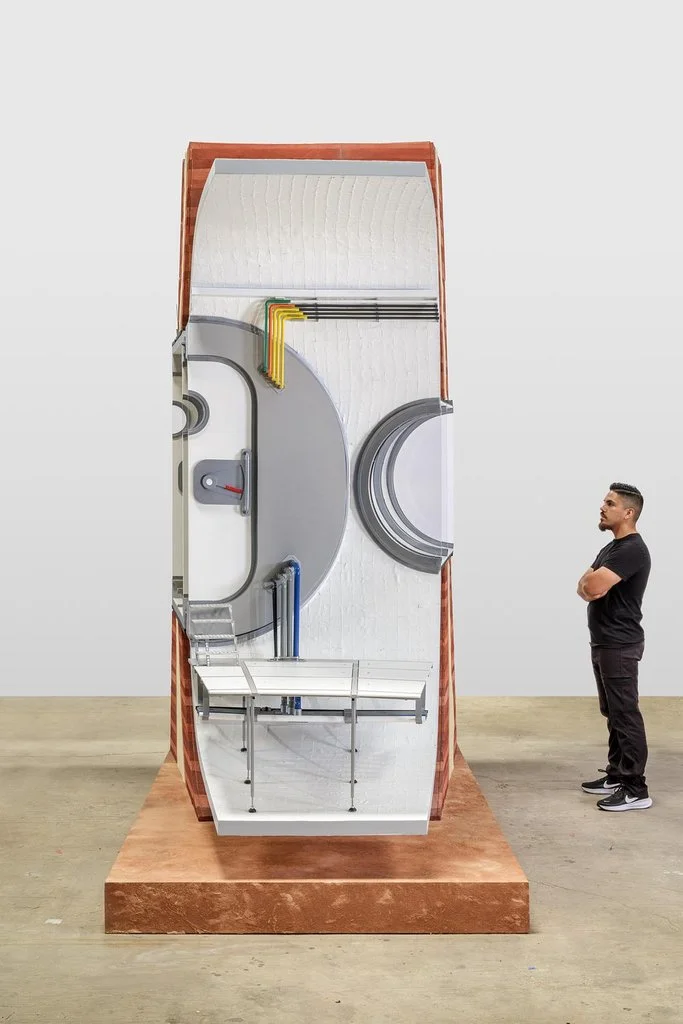
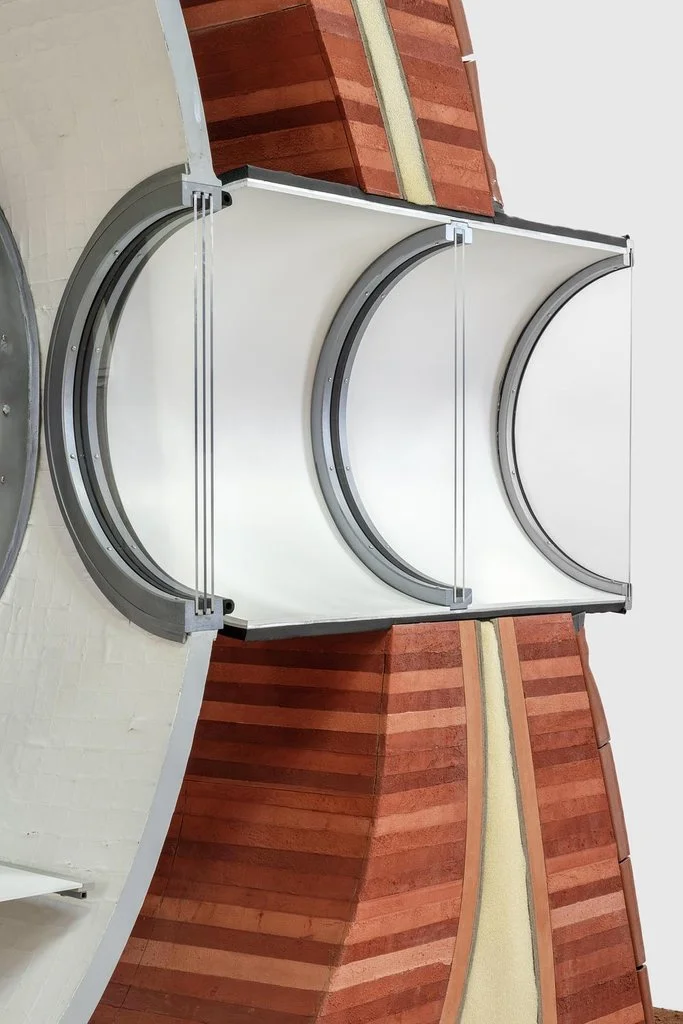
The Off-World Habitat Wall Section offers a detailed examination of how extraterrestrial architecture could respond to the environmental conditions of Mars. Its exposed construction incorporates 3D-printed structural shells, an inflatable membrane, and thermal insulation, alongside integrated systems for electricity, data transmission, water distribution, and air circulation. These elements form a protective enclosure intended to maintain habitable conditions in an environment characterized by extreme temperatures and atmospheric limitations. Through its sectional configuration, the installation allows visitors to understand the relationship between structural protection and the infrastructure required for long-term occupation.
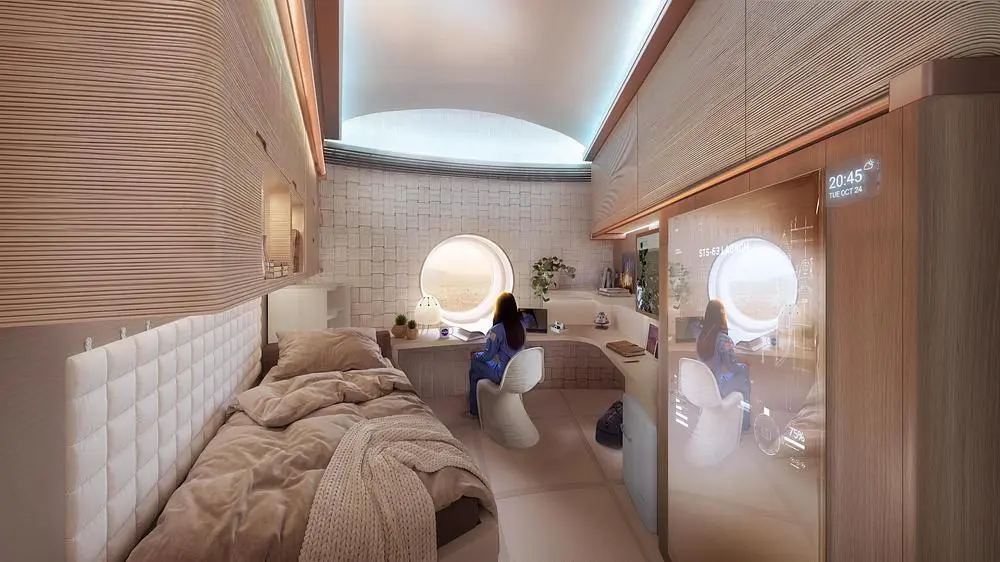
The architectural proposal extends beyond the technical requirements of survival to consider the psychological and physical well-being of future inhabitants. AENARA incorporates large windows, access to natural light, and familiar interior conditions into its vision of a Mars habitat. These decisions address the challenges associated with prolonged isolation and residence in a controlled environment. Melodie Yashar emphasizes the importance of creating living spaces that feel as Earth-like as possible while acknowledging the risks associated with human habitation in an extraterrestrial environment.
AENARA’s Mars habitat concept originates from a year-long feasibility study involving NASA collaborators, industry specialists, and university partners. Initially developed through NASA-endorsed research, the project investigated methods for constructing habitats and civil infrastructure autonomously using resources available on Mars. The research examined robotic construction processes and local material production, including technologies capable of manufacturing oxygen, water, and sulfur concrete. Its findings informed a proposed operational sequence covering the arrival, deployment, and construction of infrastructure necessary to establish a functioning settlement on the Martian surface.
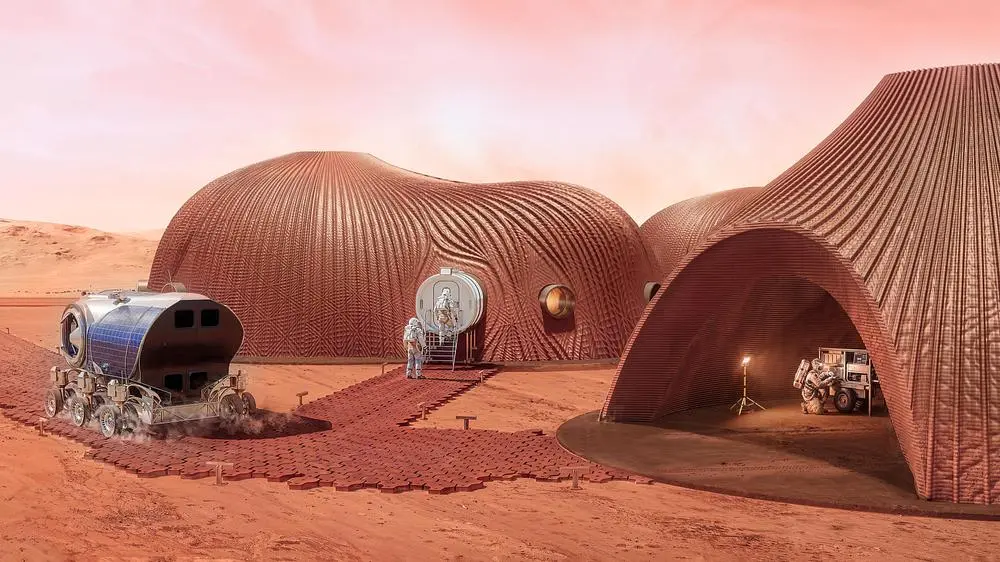
Presented within Task Eternal, the installation translates this extensive research into a physical architectural exhibit. The section reveals components normally concealed within a building’s walls, demonstrating how engineering and environmental control could operate together in a future planetary settlement. Its presentation at Powerhouse Parramatta places speculative space architecture within a broader examination of aerospace technology, scientific research, and human activity beyond Earth. Visitors encounter a proposal grounded in current investigations while considering the architectural demands of potential habitation in 2075.
For AENARA, the Off-World Habitat Wall Section also contributes to an ongoing investigation into autonomous construction and the responsible development of extraterrestrial infrastructure. Building on Mars would require methods capable of operating with limited human labor, restricted equipment, and minimal external resources. These constraints have implications for construction technologies on Earth, particularly in remote or resource-limited environments. By connecting architectural design with robotics, material science, and engineering, the project demonstrates how research into future space settlements could inform new approaches to terrestrial construction.
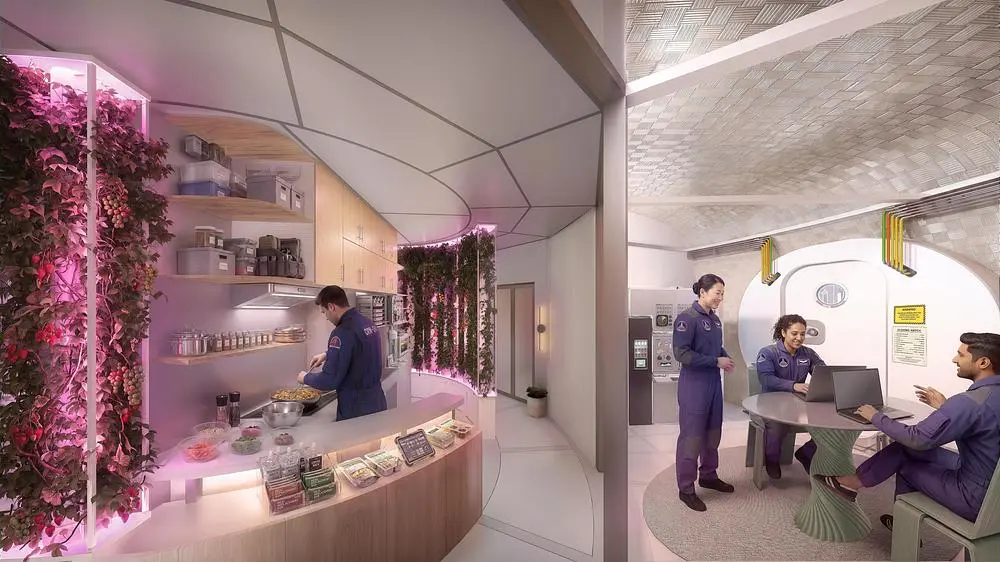
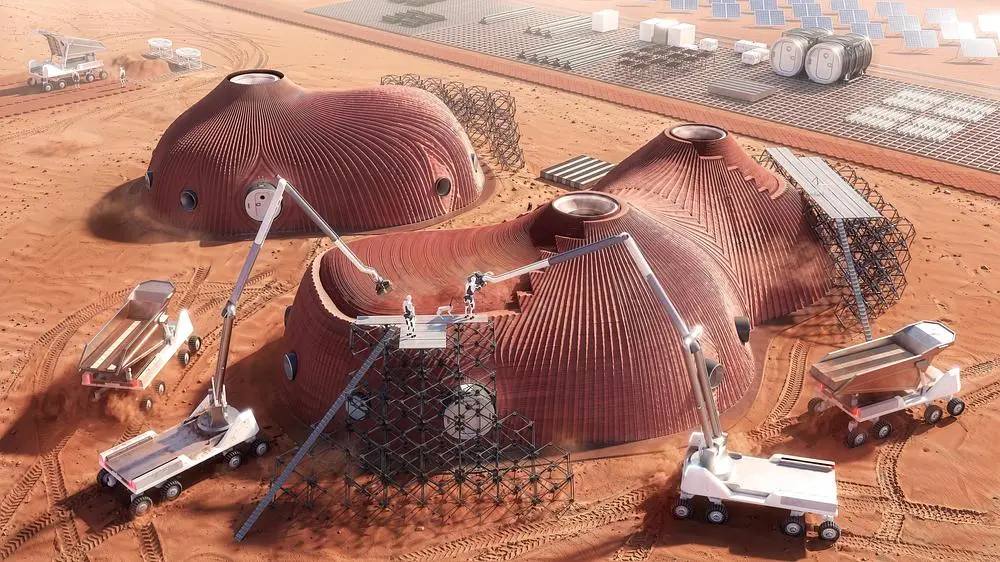
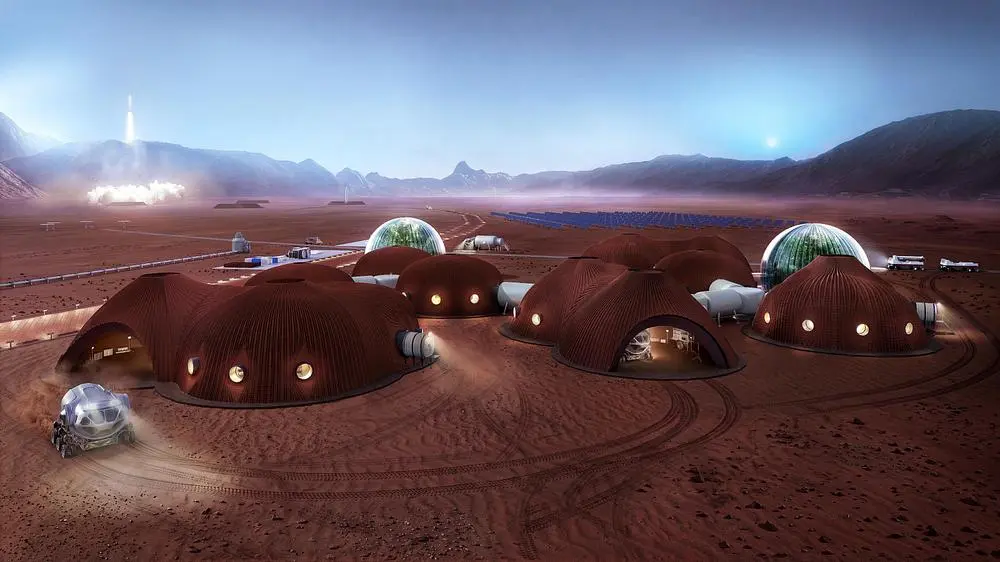
Photo credit: JW Pictures and AENARA