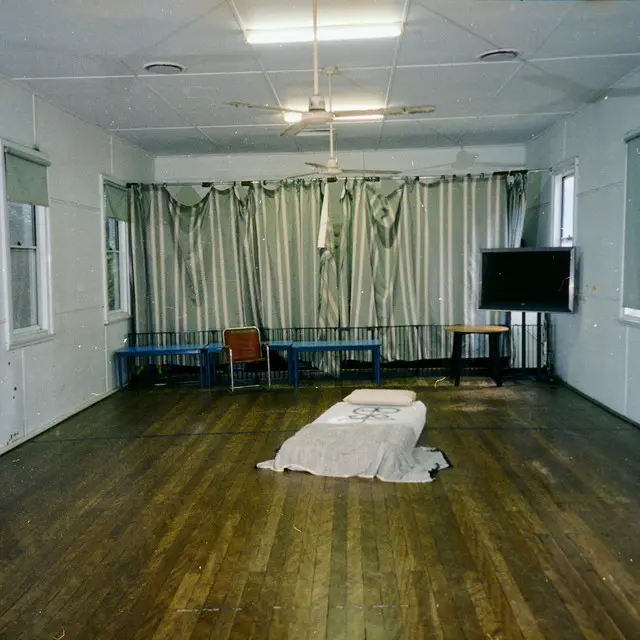
Amelia Wilding’s “Soul Searching Daydreamer” finds in a window and two piano chords a form of attention that keeps the mind moving while the body recovers from endometriosis surgery. “The grass is gold and green, and the leaves are turning red” came from watching seasons change during enforced stillness, and it sets the terms for a song that trusts what is seen over elaborate metaphor. A simple two-chord motif emerged from the same room, the same confinement, the same shift away from performing and into stillness. Wilding does not dramatize the illness. She records what she sees, letting the grass and leaves hold what she does not name.
Two chords repeat with the patience of that stillness, and Wilding refuses to crowd the space with dense lyricism. She keeps the words honest and understated, giving melody and orchestration room to carry what words alone cannot hold. Memory and longing move through the arrangement without demanding explanation. Another songwriter might dramatize the recovery; Wilding records the window, the grass, the color shift, and trusts the harmony to finish what the image started.
The window stays open. The grass remains gold and green, and the leaves keep turning red. The pattern continues, and the arrangement carries what the lyrics will not say. Wilding keeps the room. The season turns.