BYBORRE collaborates with Karel Martens on four knitted textiles
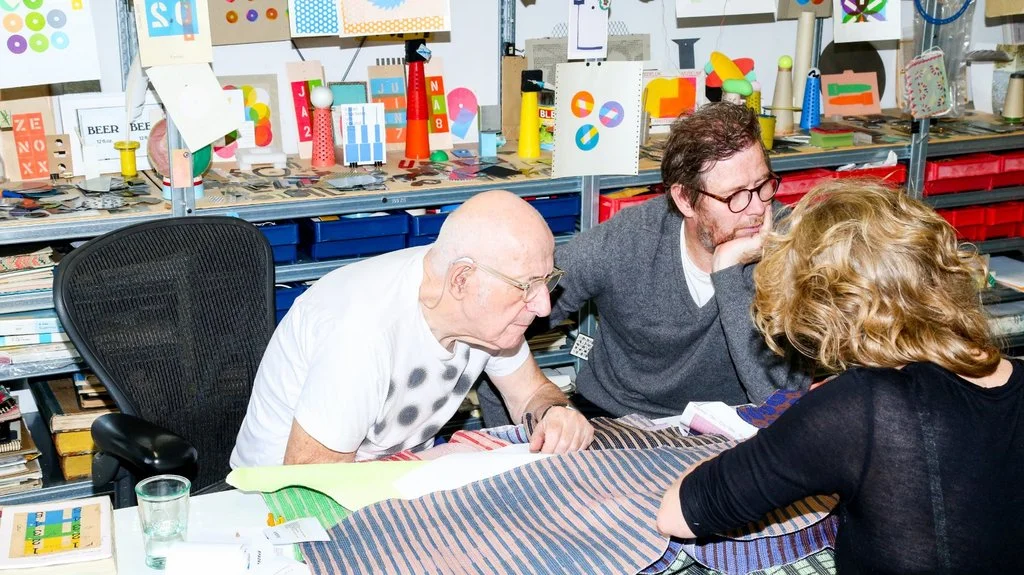
BYBORRE has collaborated with graphic designer Karel Martens and his studio Martens & Martens to create a textile collection presented at Dutch Design Week 2026 in Eindhoven, the Netherlands. The collaboration translates Martens’ approach to colour, geometric composition, and visual rhythm into knitted fabrics developed through BYBORRE’s textile technology. Comprising four distinct designs, the collection examines how graphic patterns interact with material structure, changing their appearance according to distance, scale, and movement. An accompanying exhibition at Building TX introduced visitors to the creative and technical processes behind the textiles.
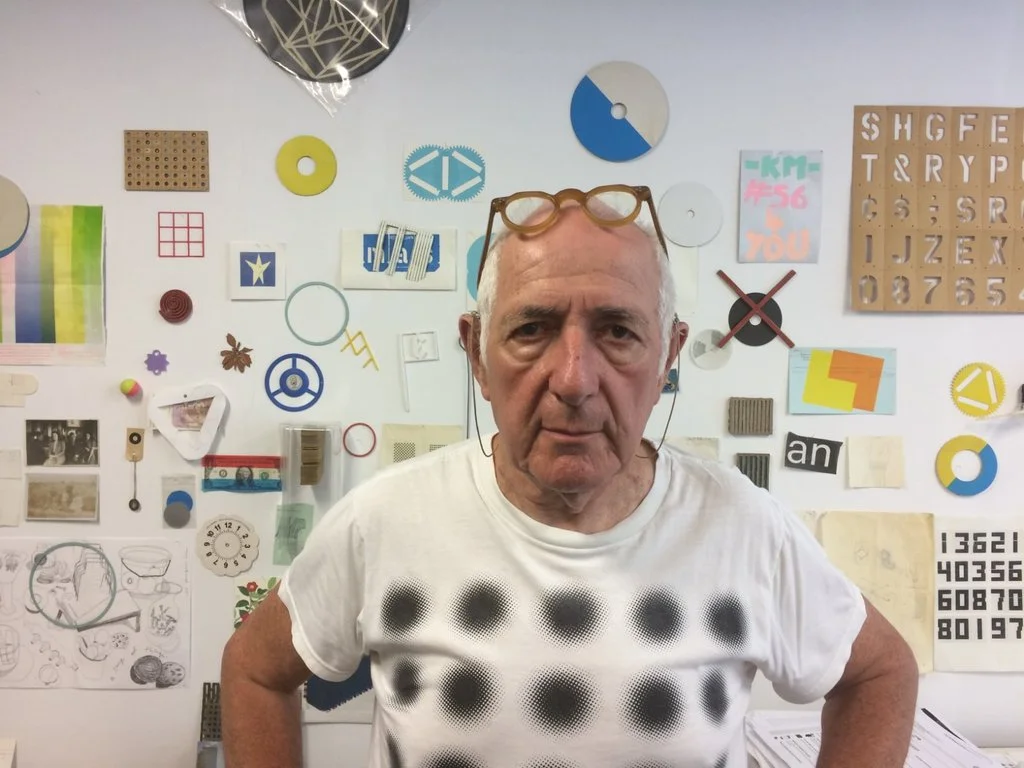
Karel Martens has developed a visual language centred on colour relationships, repetition, and geometric forms throughout a career spanning more than six decades. Beginning with hand-printed monoprints in the 1960s, his practice has consistently investigated the possibilities of printed surfaces and their interaction with visual perception. The collaboration with BYBORRE extends these principles into textile design, where knitted structures introduce another dimension to his graphic compositions. Working with Martens & Martens, BYBORRE selected one of its most complex micropattern structures, allowing the studio to develop graphics that correspond precisely to the underlying construction of the fabric.
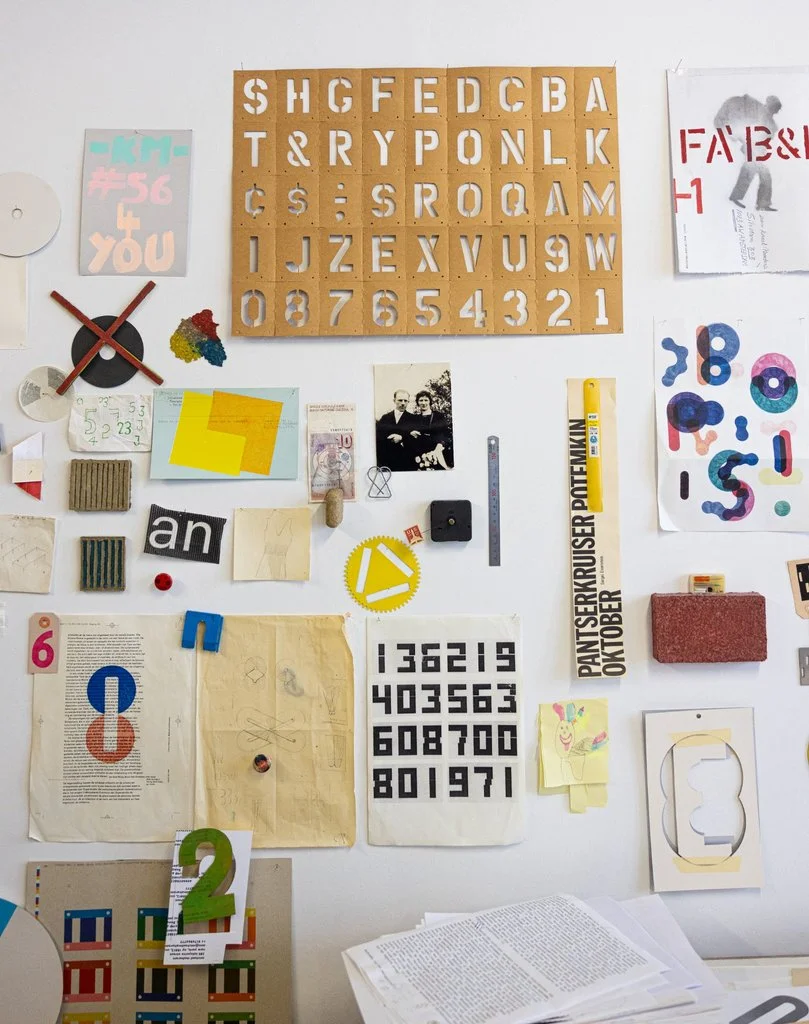
Each textile is manufactured using BYBORRE’s A03 wool blend and incorporates a micropattern that determines its surface texture and colour interactions. These small knitted structures establish a framework within which the graphic designs operate, connecting individual stitches with the overall composition. Four patterns emerged from this process, each developed in different colour combinations and scales. The resulting fabrics demonstrate how knitted construction can influence the perception of graphic imagery, transforming seemingly simple arrangements of lines and colours into compositions that reveal additional details through movement and observation.
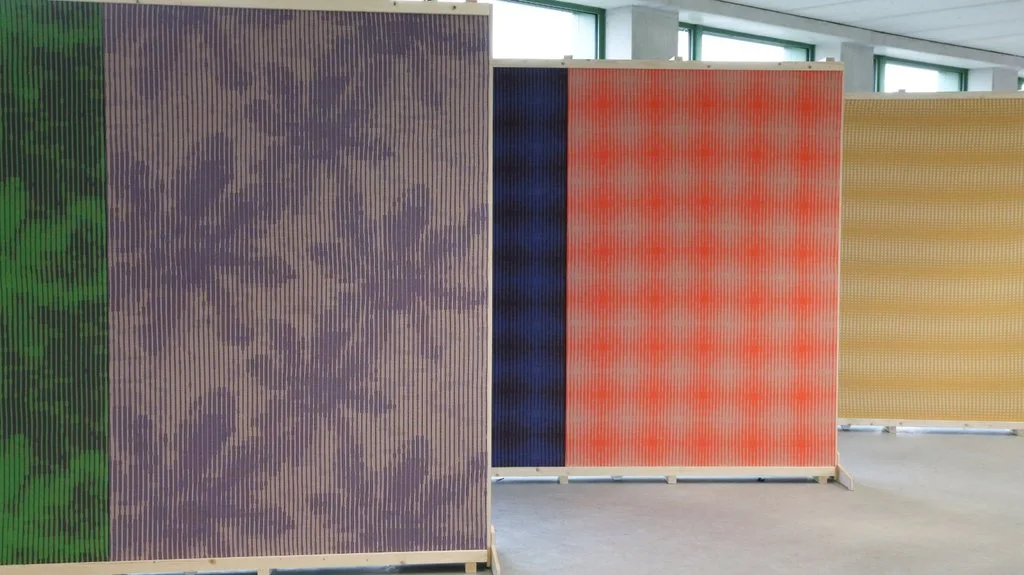
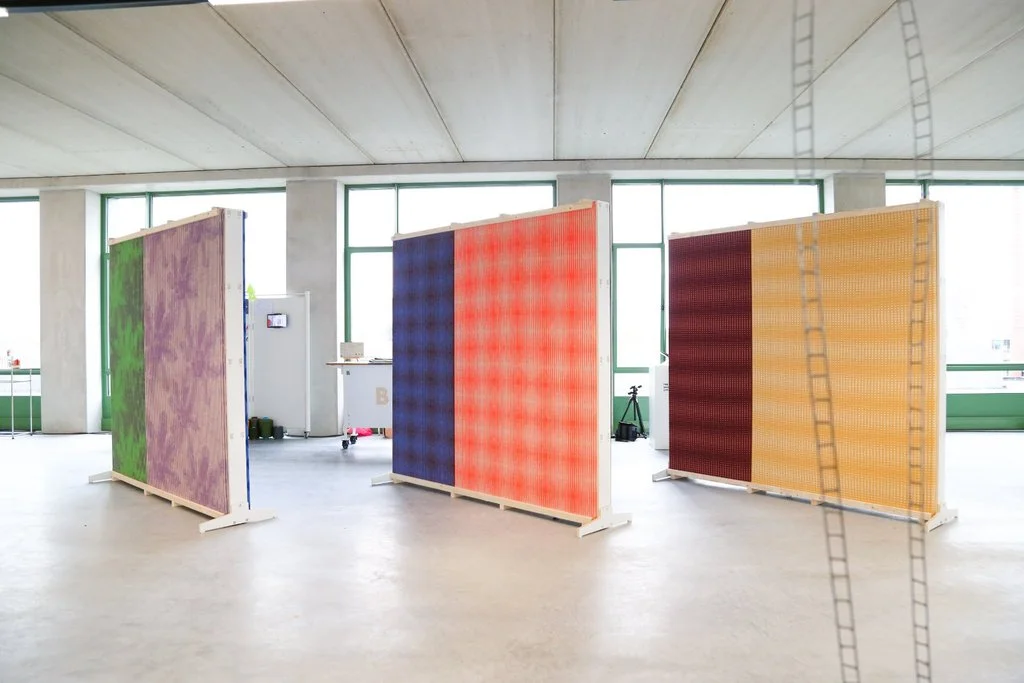
The collection includes Nelly, Blink, Lumi, and Otto, four designs that investigate different optical effects. Nelly initially appears as a series of stripes, gradually revealing a floral motif when viewed from a distance. Blink follows a similar principle, with lines that expand and diminish to form a snowflake-like image. Lumi produces the appearance of a gradual colour transition through a single line that progressively increases in thickness, exposing the structural logic behind the gradient. Otto takes a more direct approach to the relationship between image and material, with graphics developed pixel by pixel to correspond to BYBORRE’s micropattern. Available in multiple scales, Otto demonstrates how a single composition can adapt to different textile applications.
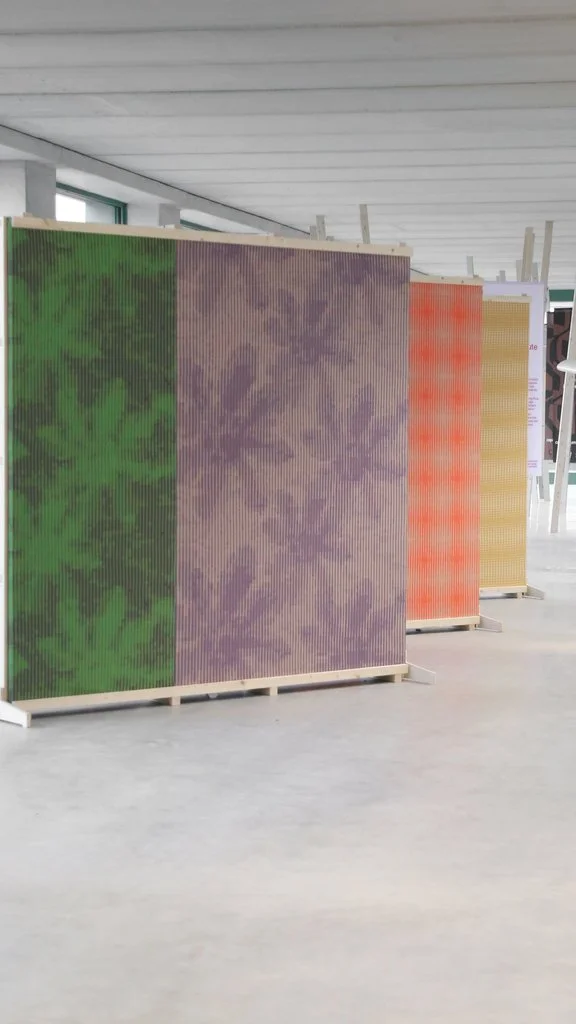
Presented at Building TX in Eindhoven’s Strijp T+R district, the exhibition extended the collaboration beyond the finished textile collection. Large-scale fabric installations appeared alongside colour studies, material samples, and development documents, offering insight into the decisions behind each design. Digital demonstrations illustrated how graphic information is translated from individual pixels into knitted structures, making the connection between digital design and textile manufacturing visible. Workshops also invited visitors to engage with the creative process, providing an opportunity to understand how colour, pattern, and material construction influence the final appearance of the fabrics.
The presentation formed part of Dutch Design Week 2026, where BYBORRE also participated in collaborations involving furniture, acoustic panels, and automotive design. A public conversation featuring Martens & Martens and BYBORRE, hosted by VPRO, took place at Natlab on October 18, offering further insight into the creative exchange behind the collection. The project illustrates the possibilities of working across graphic design and textile manufacturing, where the technical characteristics of knitted fabric become an integral part of the visual composition.
All images courtesy of BYBORRE, shared with permission