Ceren Arslan uses pixel-based units to create scalable seating, tables and lighting
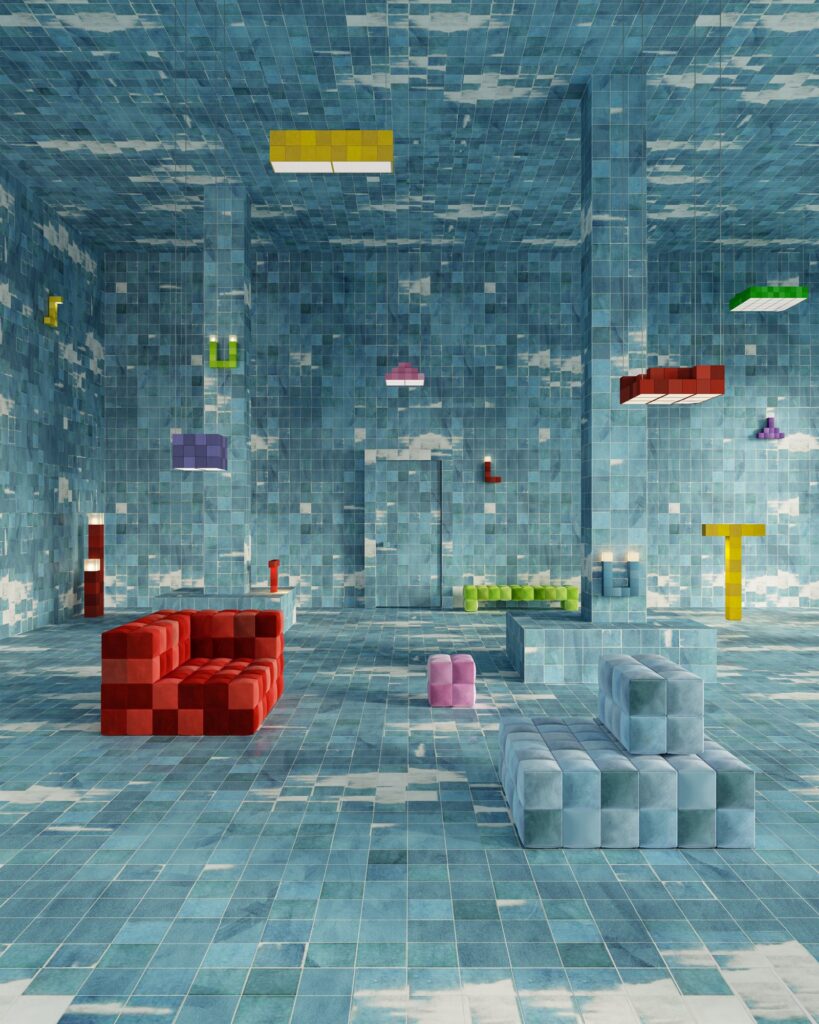
Ceren Arslan presents Pixel Theory furniture collection, a modular design series that translates digital architecture into physical objects through a system rooted in pixel logic. Developed by the founder of EXIT, the collection positions itself at the intersection of furniture design, installation thinking, and collectible design, proposing objects that originate from a single geometric unit and expand into spatial compositions.

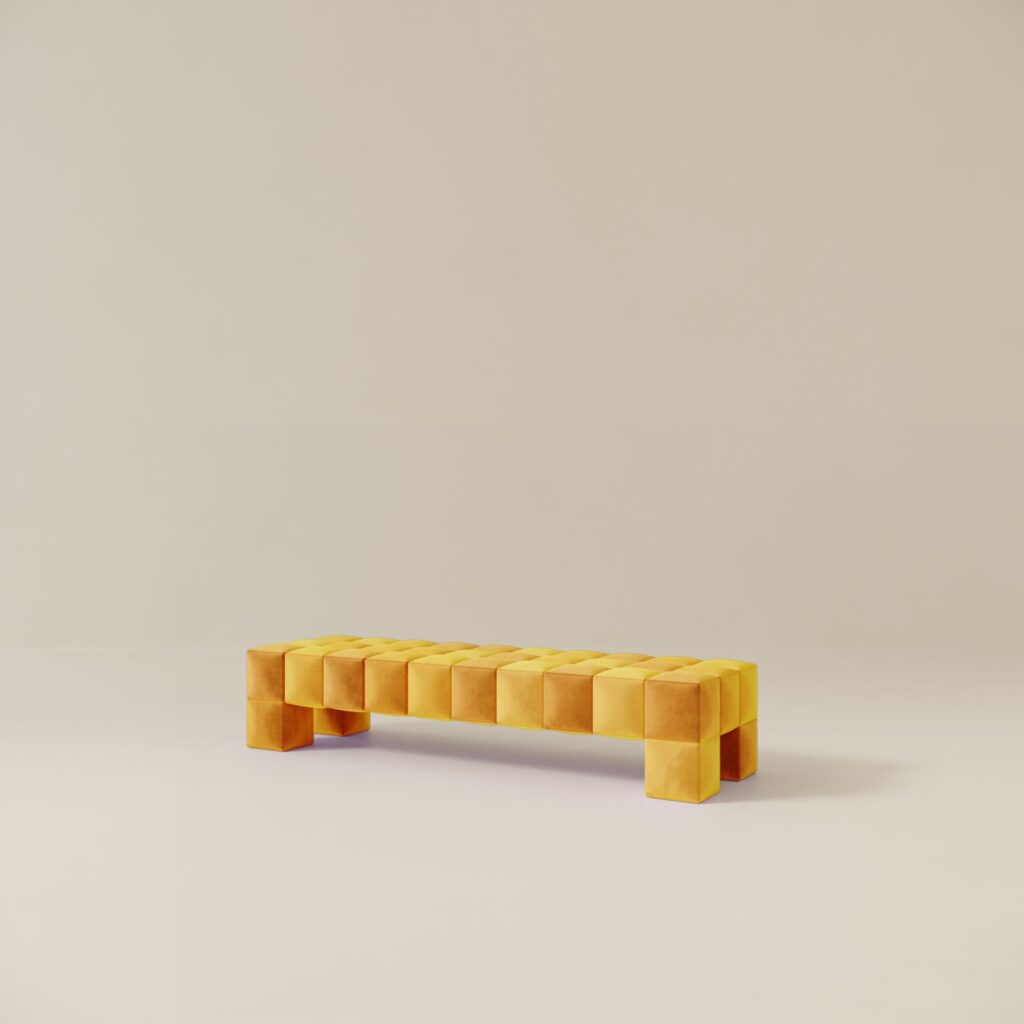
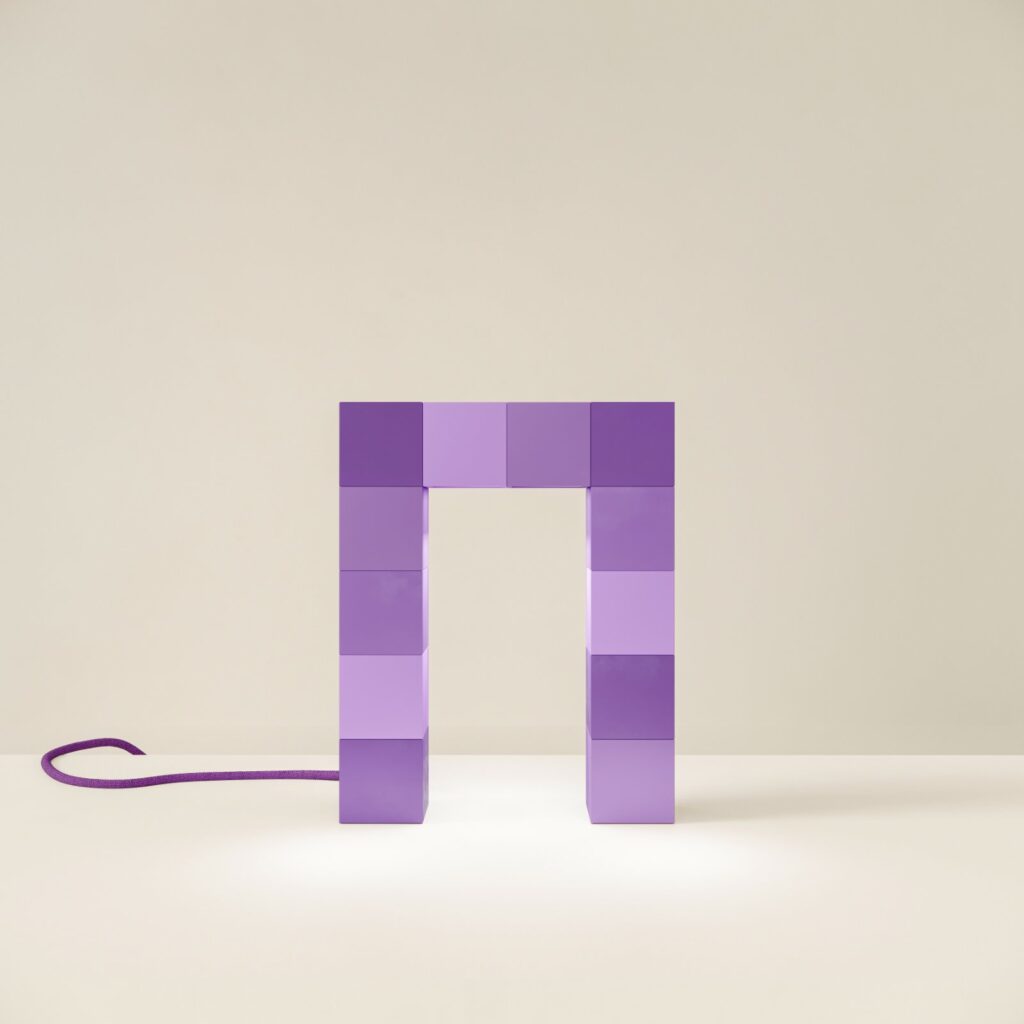
Pixel Theory furniture collection by Ceren Arslan is structured around the pixel as a primary module, reinterpreted as a square unit that defines proportion, assembly, and variation. Each element is conceived as part of a larger grid, where repetition generates both functional objects and spatial systems. Seating, tables, and lighting pieces emerge from this logic, maintaining a consistent visual language while adapting to different scales and uses. The collection resists ornamental gestures, relying instead on clarity of structure and the legibility of its modular framework.
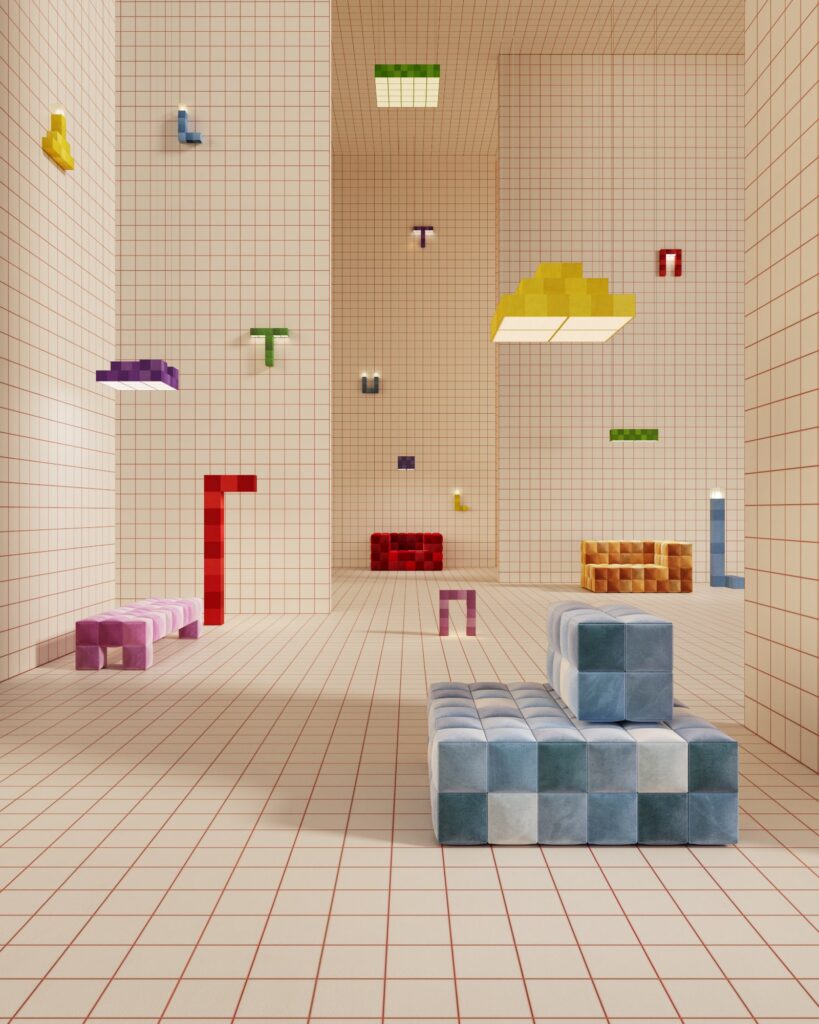
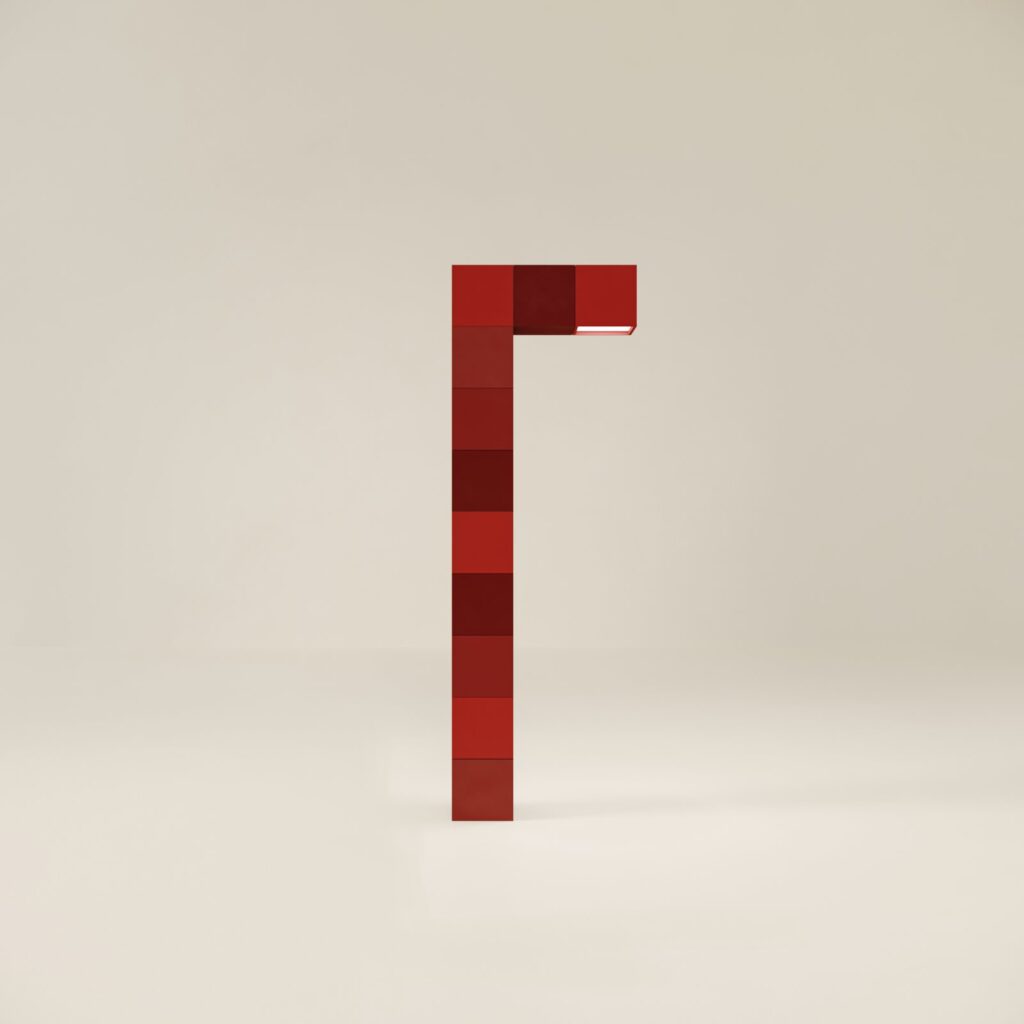
The design process references early digital environments, particularly the visual constraints of low-resolution graphics where form and meaning were constructed through limited components. In Pixel Theory, this condition becomes a deliberate strategy. Primary colors and simplified geometries recall early video game interfaces, while the physical translation introduces weight, material presence, and tactile interaction. This dialogue between digital reference and physical execution positions the collection within contemporary collectible design discourse.
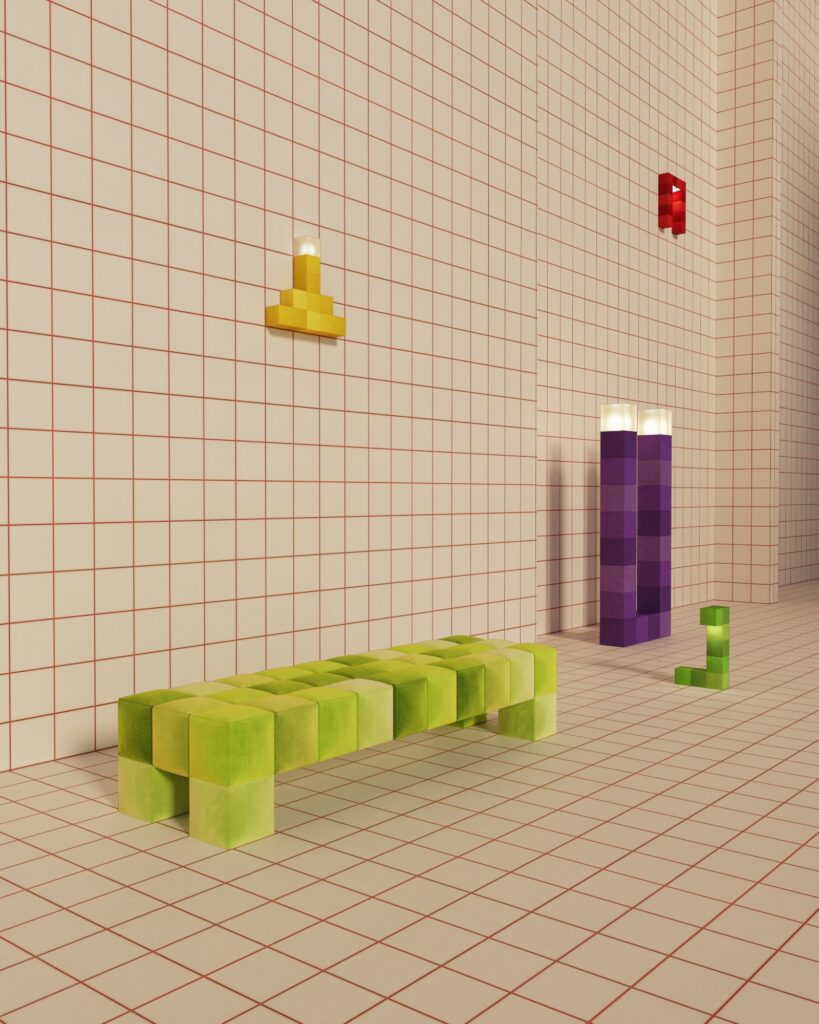
A tiered resolution system organizes the collection into three distinct scales, each determining function and spatial behavior. Units of 20 centimeters define larger elements such as seating and floor lamps, establishing a structural presence within interior environments. At 10 centimeters, the system produces tables and pendant lights, balancing utility and compositional clarity. The smallest 5-centimeter units generate side tables and table lamps, operating as compact extensions of the same modular logic. This hierarchy ensures coherence while allowing variation across typologies.
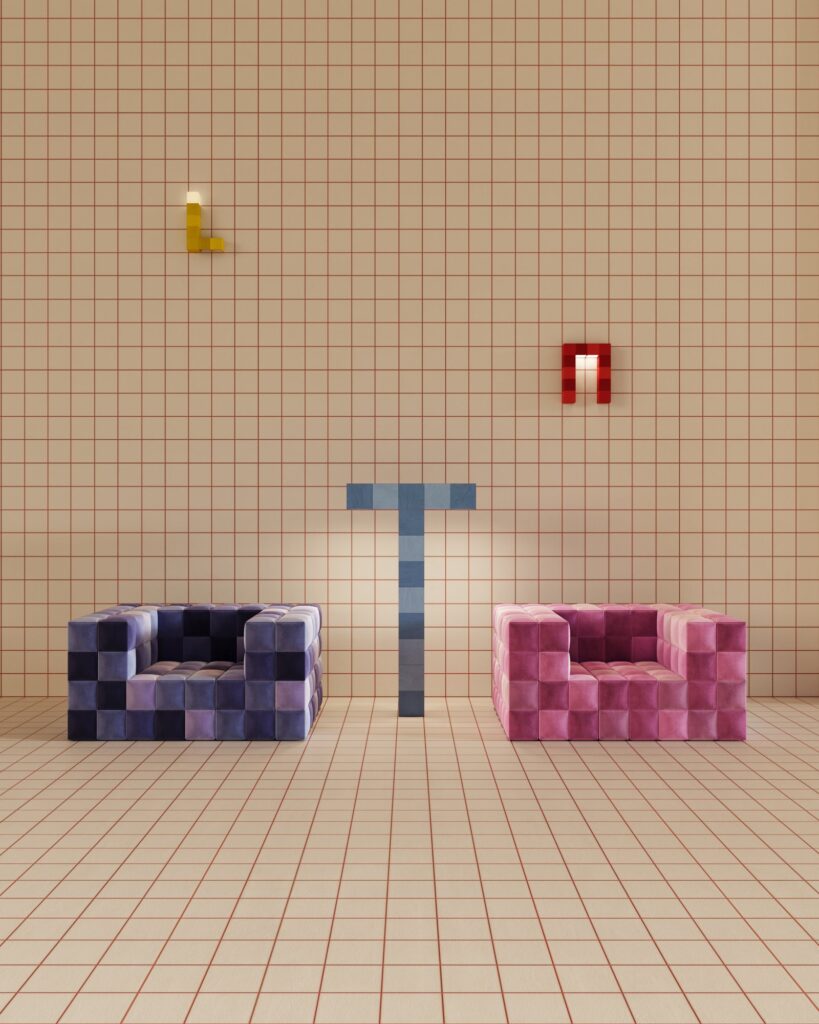
The pieces maintain a precise and consistent construction, reinforcing the idea of the pixel as both visual and structural origin. Surfaces emphasize flatness and color continuity, while edges remain defined to preserve the readability of each unit. The result is a collection that functions simultaneously as furniture and as a form of spatial installation, capable of organizing interiors through repetition and alignment. This spatial capacity to organize interiors through geometric order and reflection is echoed in how the CHAGYEONG partition introduces a reflective metal screen for interiors.
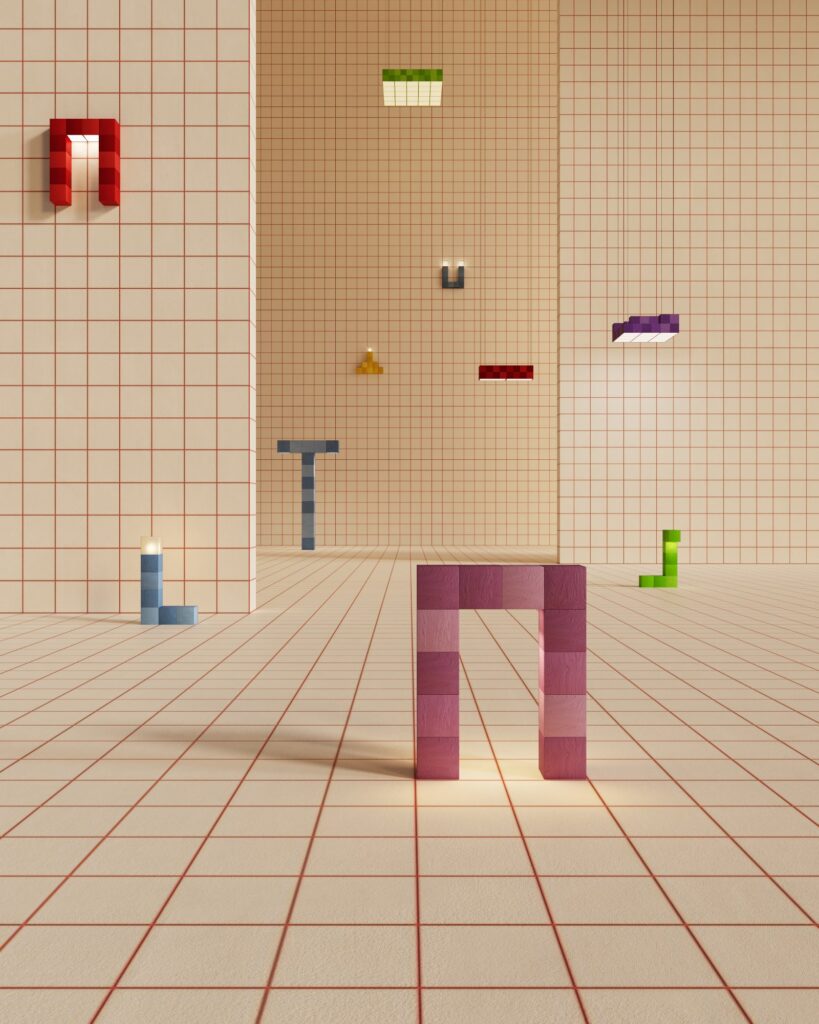
By resisting the idea of a fixed final form, Pixel Theory operates as an open-ended system that supports recombination and adaptation. In a dialogue with how Frederik Fialin designs modular Spaghetti Shelf System configurations for flexible architectural interiors, the collection invites users to reconfigure elements over time, extending the role of the designer into a shared process. In doing so, Ceren Arslan positions Pixel Theory as a bridge between digital culture and physical space, where the logic of pixels is translated into a continuous, modular environment shaped by both structure and participation.
All images courtesy of Ceren Arslan