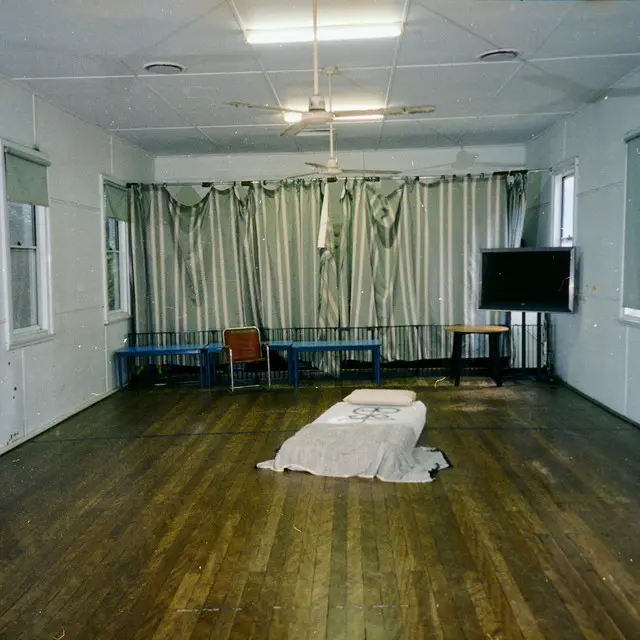
Eva Cassidy’s “At Last” turns the arrival of love into a quiet release from loneliness, with Cassidy’s interpretation allowing the song’s joy to remain intimate rather than overstated. “At last my love has come along / My lonely days are over” establishes the change immediately, while the image of life becoming “like a song” gives that relief a simple, almost weightless quality. She does not need to explain the loneliness that came before because the arrival of the other person changes everything around it, holding a tender acoustic serenity that mirrors the gentle warmth of Julia Thomsen, Sophie Bickerdike: Like A Light Bulb.
The song then narrows its focus to the moment of recognition, finding a lyrical tenderness that resonates with how Estelle Chen: all my life articulates devotion through small, heartfelt gestures. “The night I looked at you” becomes the point where the speaker’s world changes, followed by the discovery of “a dream that I could speak to” and “a dream that I could call my own.” Those images make the relationship feel tangible rather than idealized, especially when the physical closeness of pressing a cheek against the loved one appears alongside the unfamiliar thrill of finally having that experience.
By the final verse, the transformation is complete. “You smiled, oh and then the spell was cast” describes the moment as something almost instantaneous, leading to the repeated declaration, “For you are mine at last.” The new arrangement gives Cassidy’s performance room for both intimacy and scale, but the emotional center remains remarkably direct: after loneliness, someone has finally arrived, and the speaker is simply grateful to be there—a pure emotional affirmation of trust that mirrors the spiritual self-belief channeled in Eleri Ward: BELIEVE IT AND IT’S TRUE.