Frédéric Imbert creates new furniture collection with Æquo Gallery in Mumbai 2025
French designer Frédéric Imbert has collaborated with Æquo Gallery in Mumbai on a furniture collection that launched in April 2025 and remains relevant today. The project is rooted in India’s craft traditions and brings ancestral casting techniques into a contemporary setting.
It creates a dialogue between heritage and modern design while placing traditional expertise at the center. The result is a new way of interpreting metal as both structure and expression.
At the core of the collection are two casting techniques with different approaches. The first is lost-wax casting, practiced for more than 4,000 years in India and preserved by the Dhokra Damar community in Chhattisgarh.
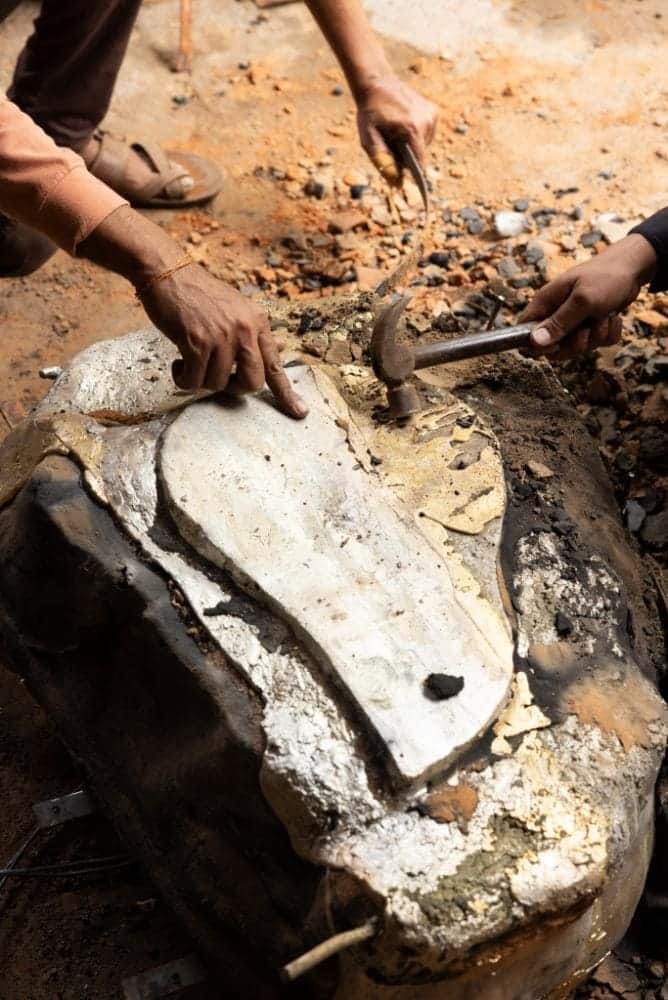
This method uses beeswax, clay, rice straw, and charcoal. Each step requires patience and precision. The second is sand casting, which is common in Mumbai foundries. This process is more immediate, with molten metal poured directly into sand molds that record every mark and irregularity.
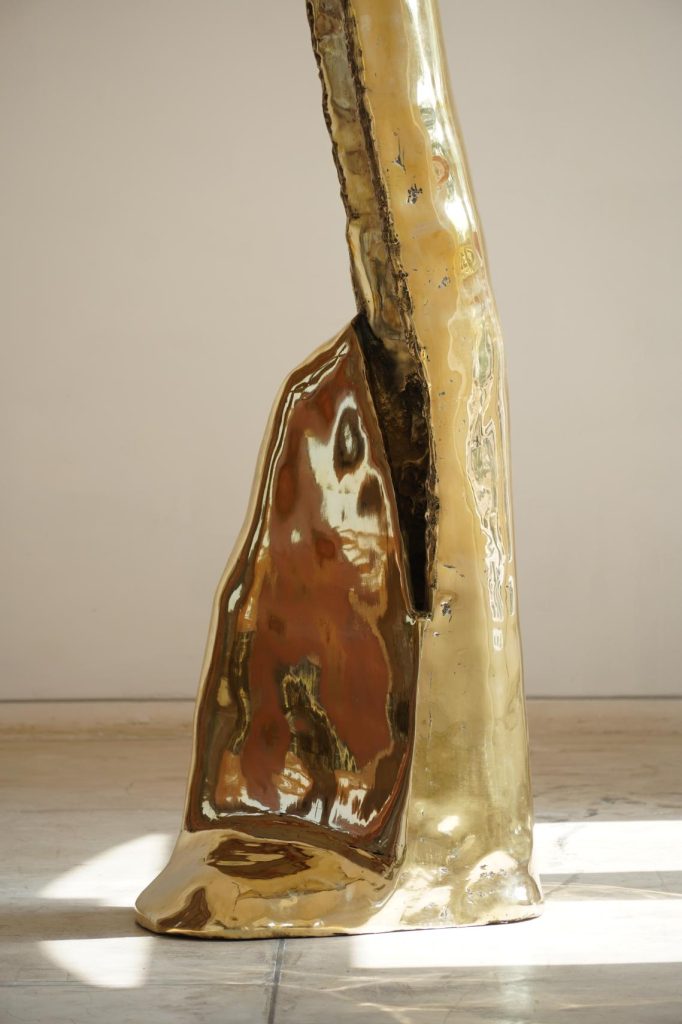
In November 2023, Frédéric Imbert traveled to Chhattisgarh and worked with master craftsman Suresh Waghmare and his team. During this residency, he discovered a rare black wax used in the Dhokra tradition.
The material was soft yet precise. It captured every gesture before vanishing in the heat of casting. This black wax became the starting point for the collection. Imbert began shaping forms by hand in the village, guided by this ancient material.
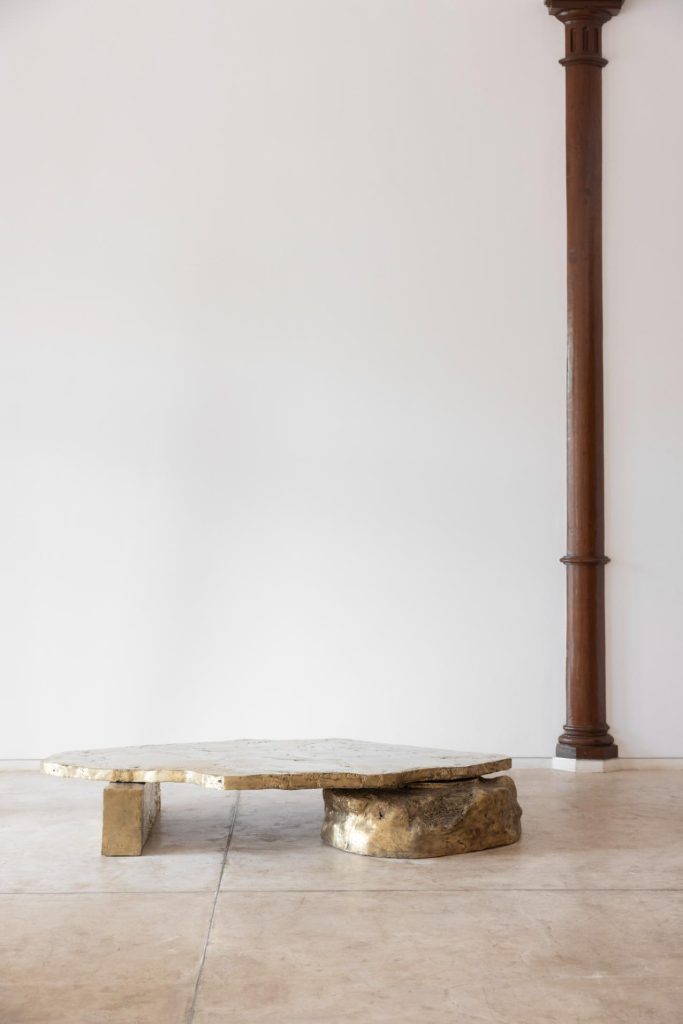
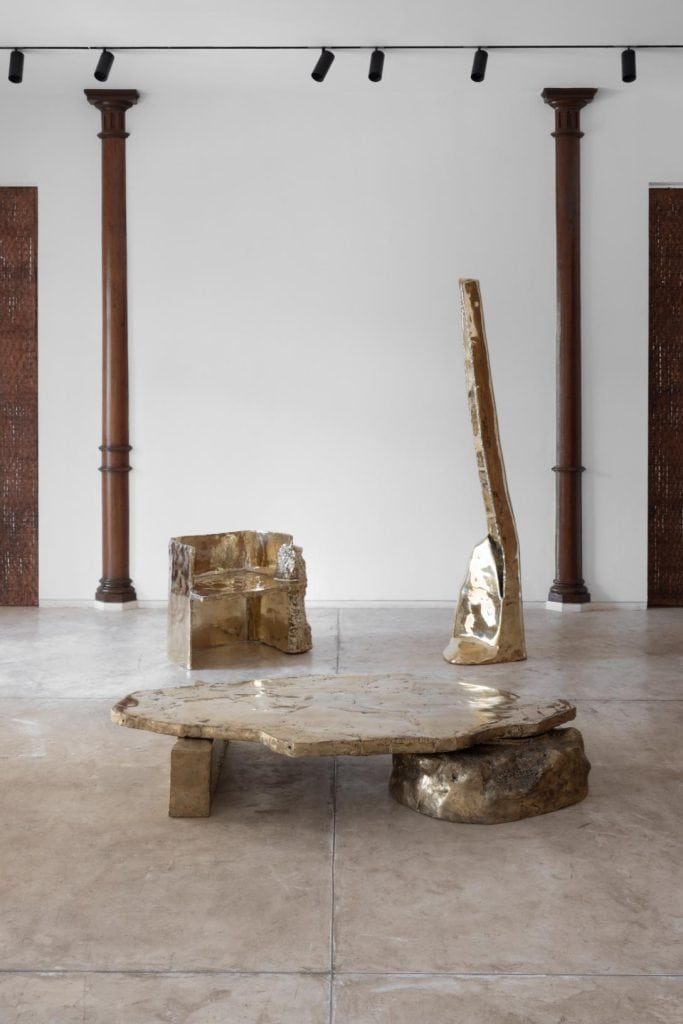
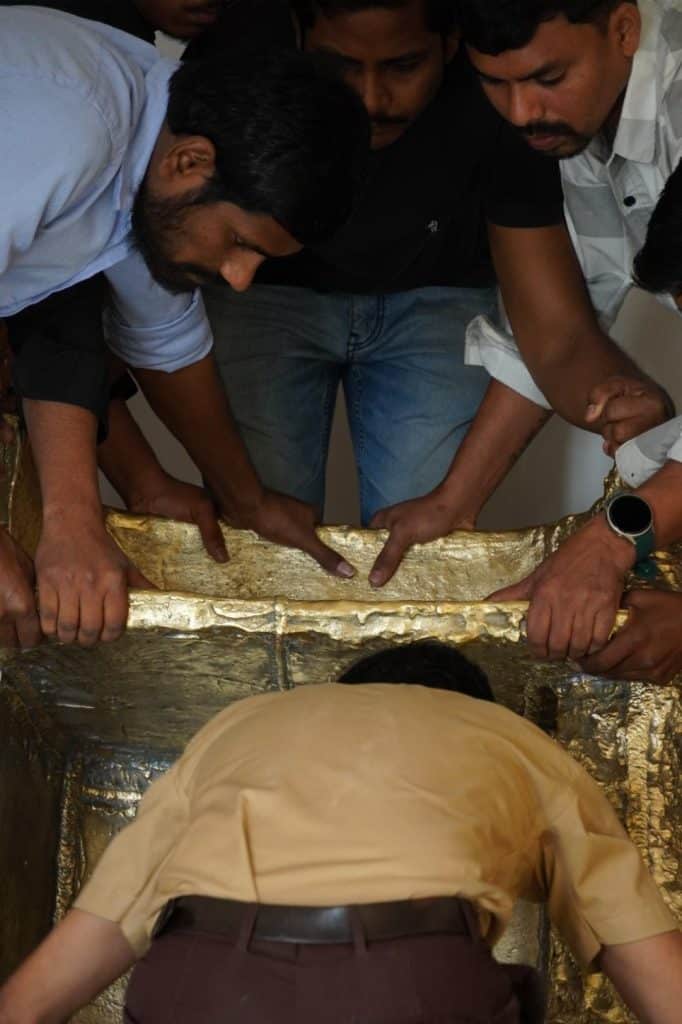
The first piece was a monumental coffee table. It was cast on-site through the lost-wax process. Later, in Mumbai, Frédéric Imbertexpanded the collection with the sand casting method. While lost-wax casting offered control and refinement, sand casting embraced chance.
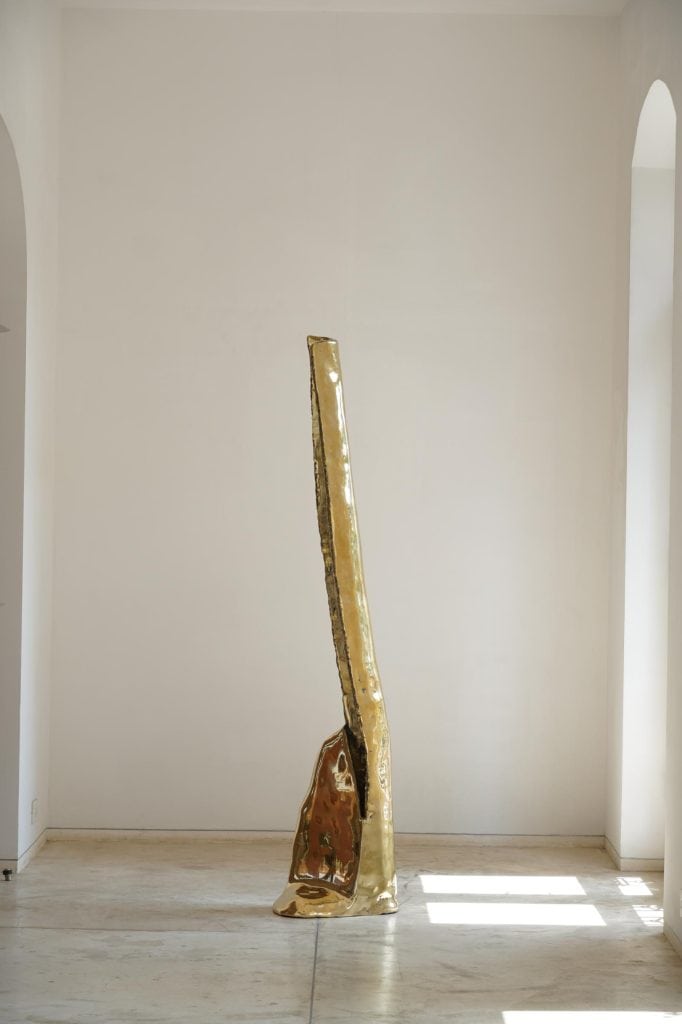
The process recorded imperfections and gave the surfaces a raw texture. Sections were cast separately, then cut and welded. Instead of hiding the welding marks, Imbert left them visible. For him, they became part of the identity of each piece.
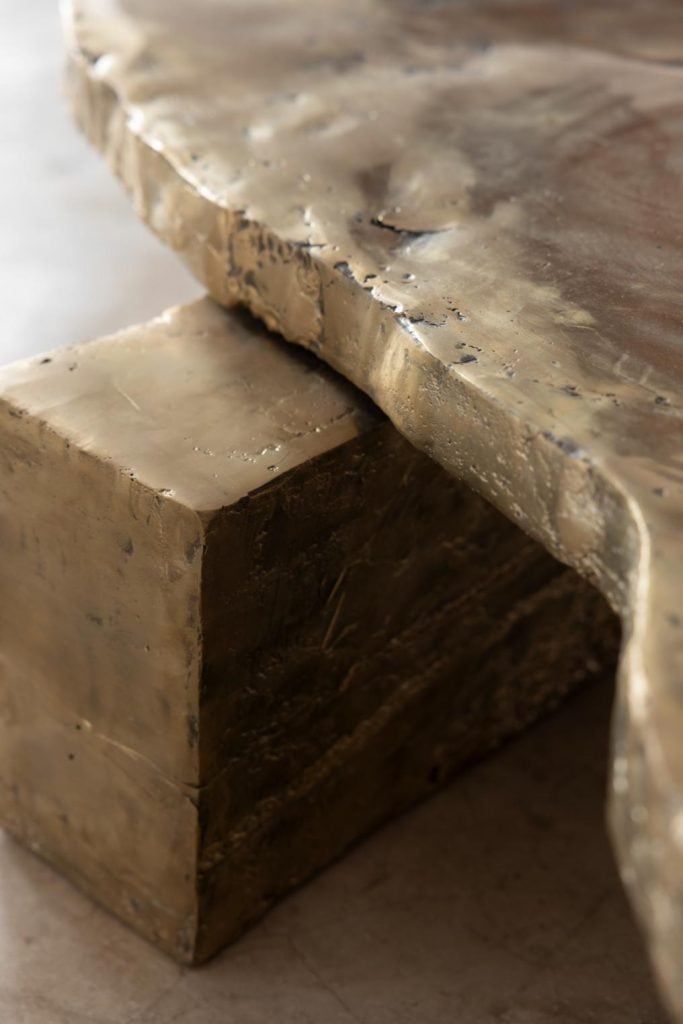
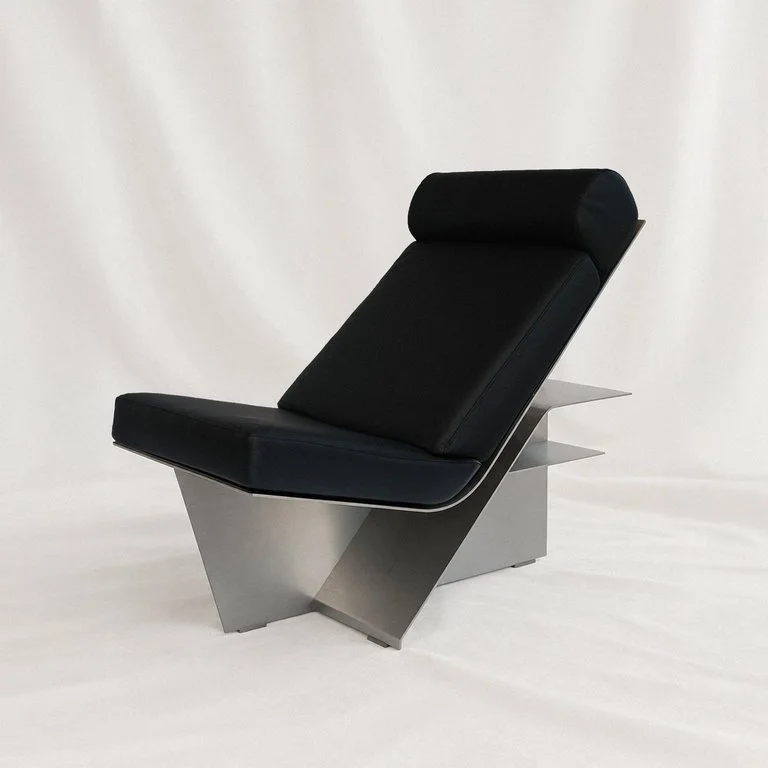
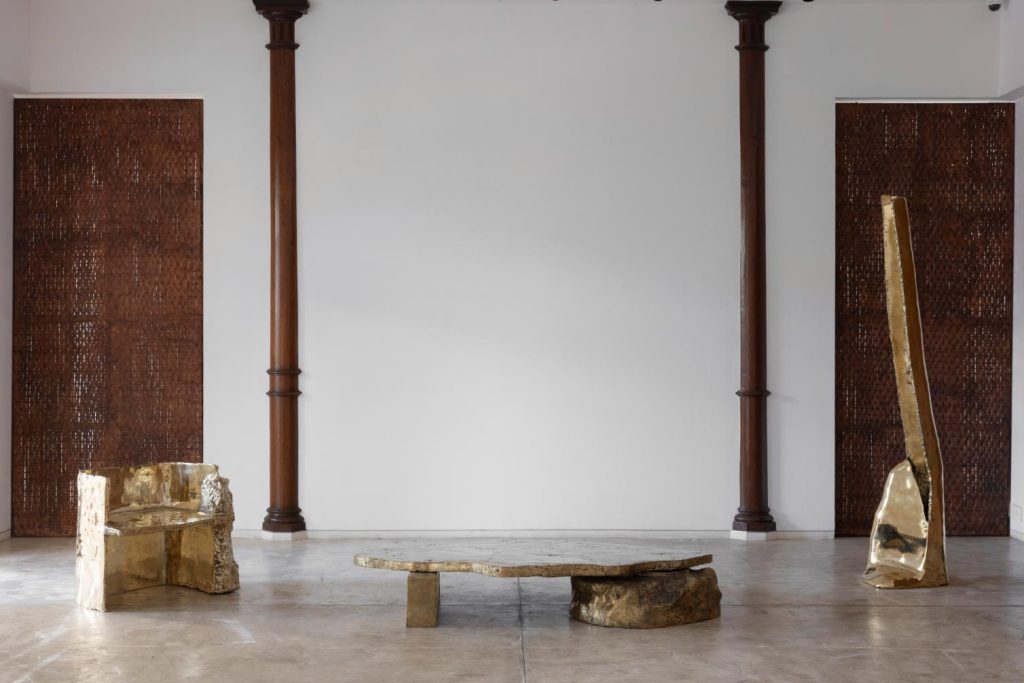
The full series includes eight sculptural works. Among them are pedestals, a coffee table, an armchair, a floor light, and a console. Each item reflects the tension between order and accident, discipline and instinct.
Surfaces carry traces of wax, sand, fire, and human touch. The pieces show the meeting of rural workshops in Chhattisgarh and industrial foundries in Mumbai.
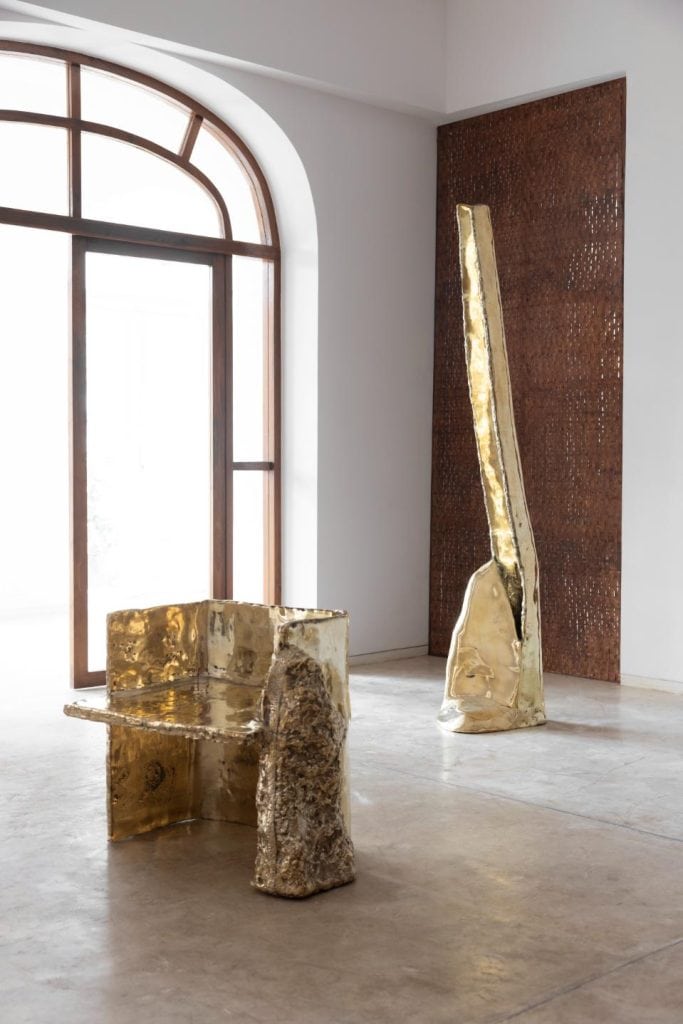
Æquo Gallery played a central role in this collaboration. The gallery acts as a platform where international designers connect with Indian artisans. Its aim is to preserve traditional skills while allowing for new interpretations.
Through this project, Frédéric Imbert demonstrates how ancient knowledge can shape contemporary design. Craft becomes not just heritage but also a living practice.
The furniture resonates with memory and process. Each piece carries evidence of time, labor, and transformation. Imbert’s work with Æquo shows how tradition and modernity can meet in objects that are both functional and deeply expressive.
All images courtesy of Frédéric Imbert