PLASTICPRODUCT explores cognitive stability through garments objects and systems
PLASTICPRODUCT is a design practice led by Mincheol Seo that investigates how objects, garments, and systems can shift from physical utility toward cognitive engagement, questioning how functionality operates in contemporary life. Through a series of experimental works, PLASTICPRODUCT constructs a coherent research trajectory where familiar industrial aesthetics are maintained while their purpose is redirected, proposing that design can influence perception, attention, and mental stability as much as it once protected the body.
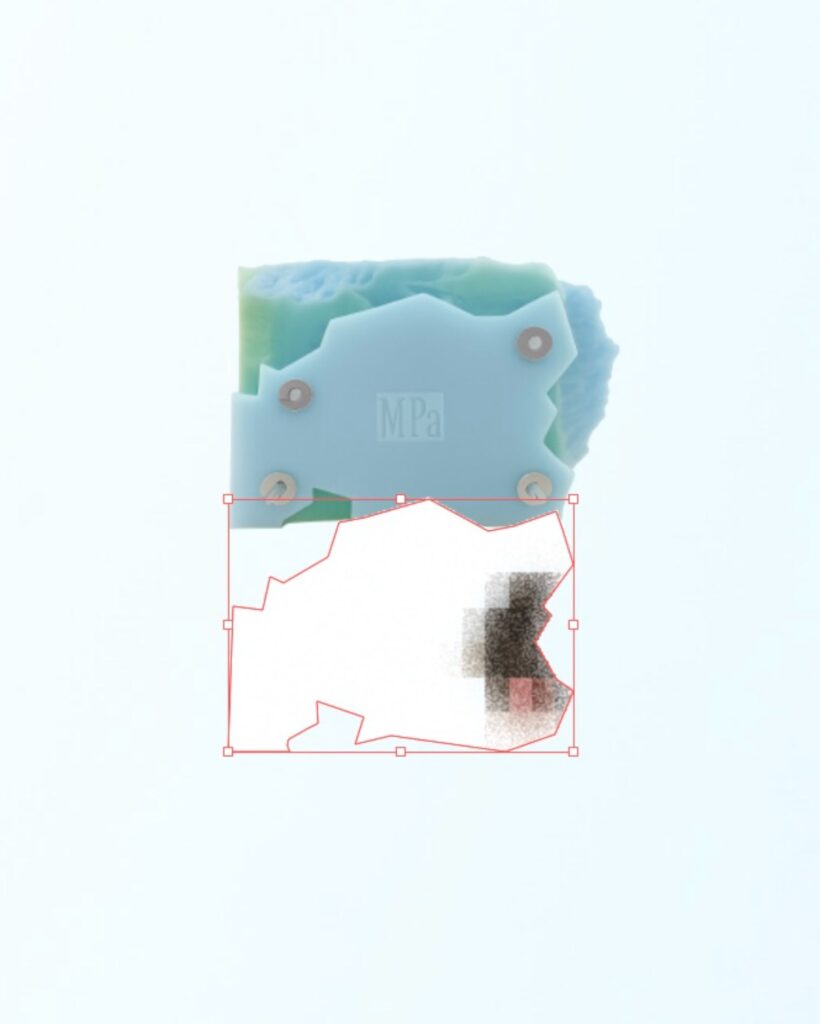
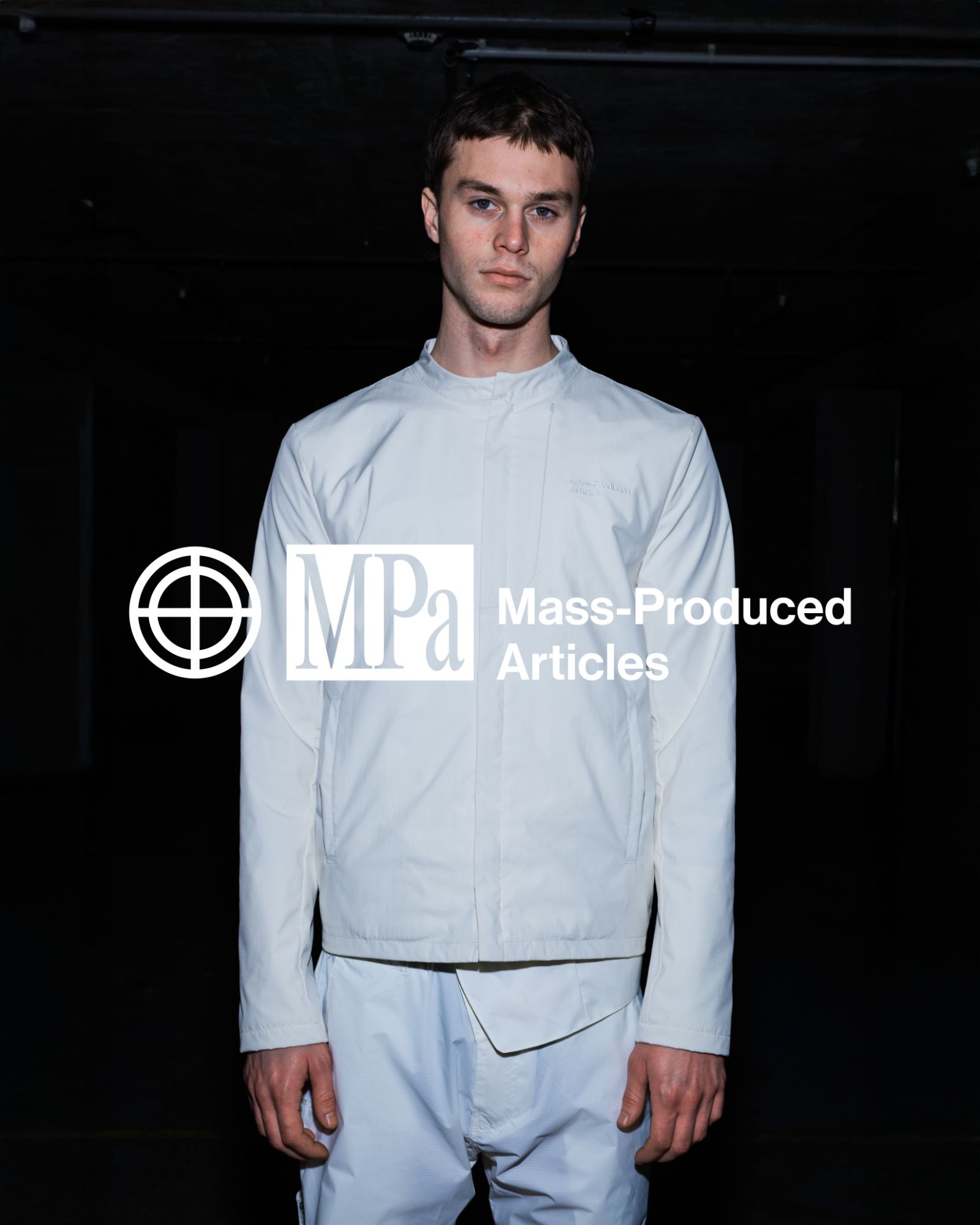
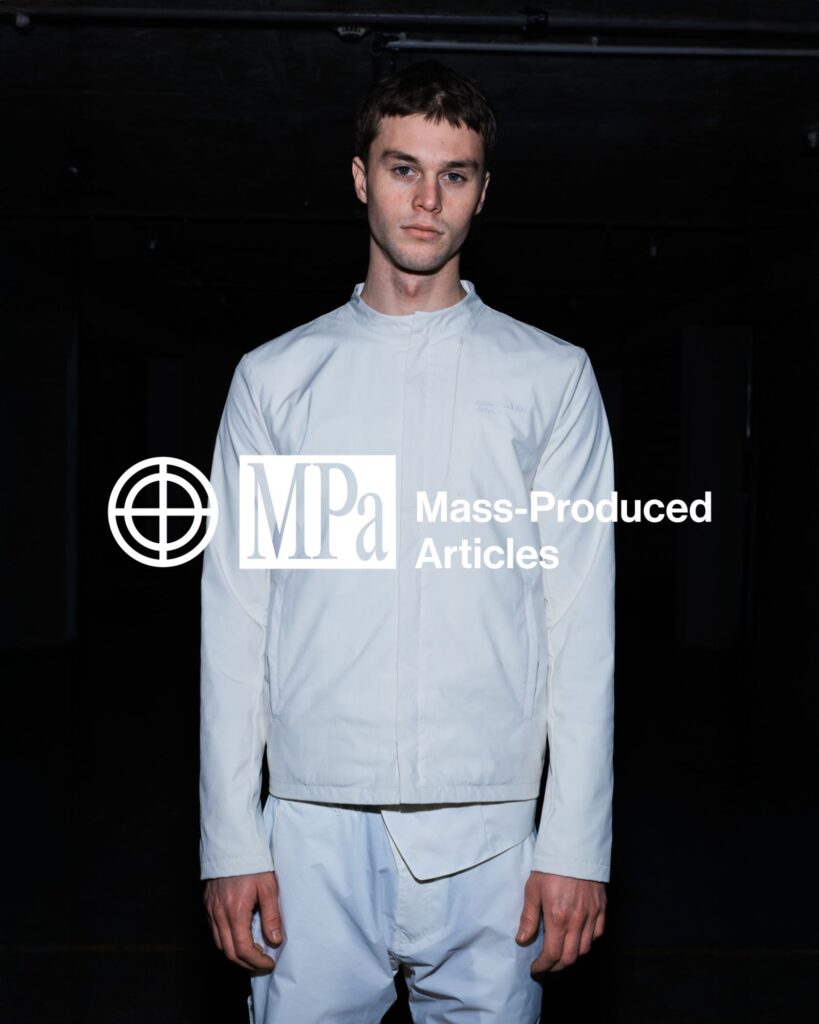
The project Workwear for Cognitive Stability establishes this position by reinterpreting the historical logic of workwear. Traditional garments were developed to respond to environments defined by physical labor, using durable materials, reinforced seams, and functional detailing to ensure protection. In contrast, PLASTICPRODUCT identifies a different set of conditions shaping present-day work, where pressure emerges from information overload, economic uncertainty, and continuous connectivity. Within this shift, clothing is approached as a cognitive device, capable of regulating pace, supporting focus, and introducing moments of pause through its structure and use.
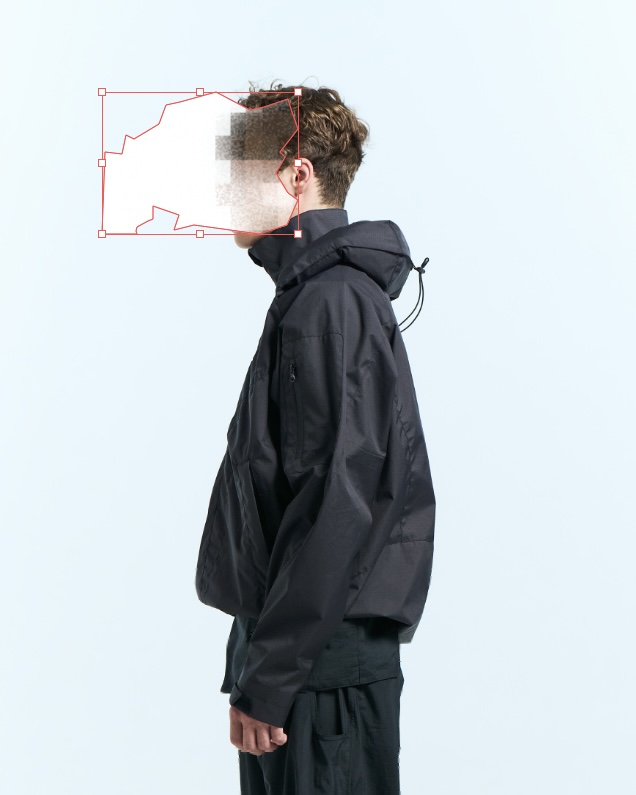
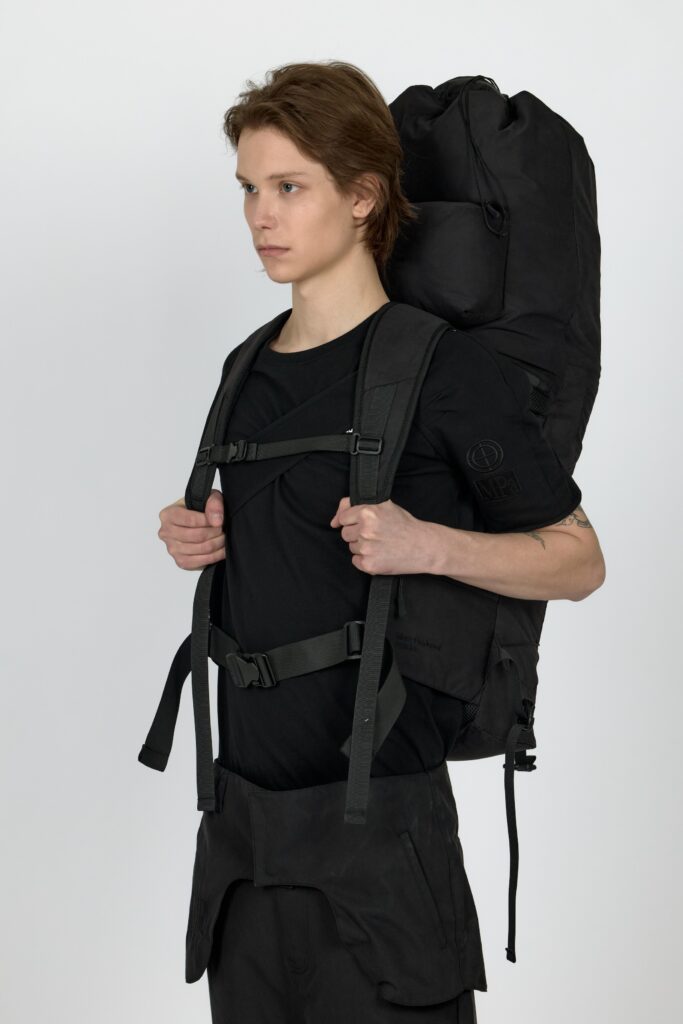
This framework is articulated through the MPa Protection Series, where garments operate in a state that appears functional while destabilizing conventional expectations. Pieces such as neck pillow–integrated clothing and the MPa Neck Pillow Hiking Pack construct ambiguous relationships between use and performance. The pack, for instance, forms a logical connection between storage and rest, yet its functionality collapses when fully activated, as the conditions required for use simultaneously prevent it. In this tension between expectation and breakdown, functionality becomes less about solving a problem and more about generating a new perceptual condition.
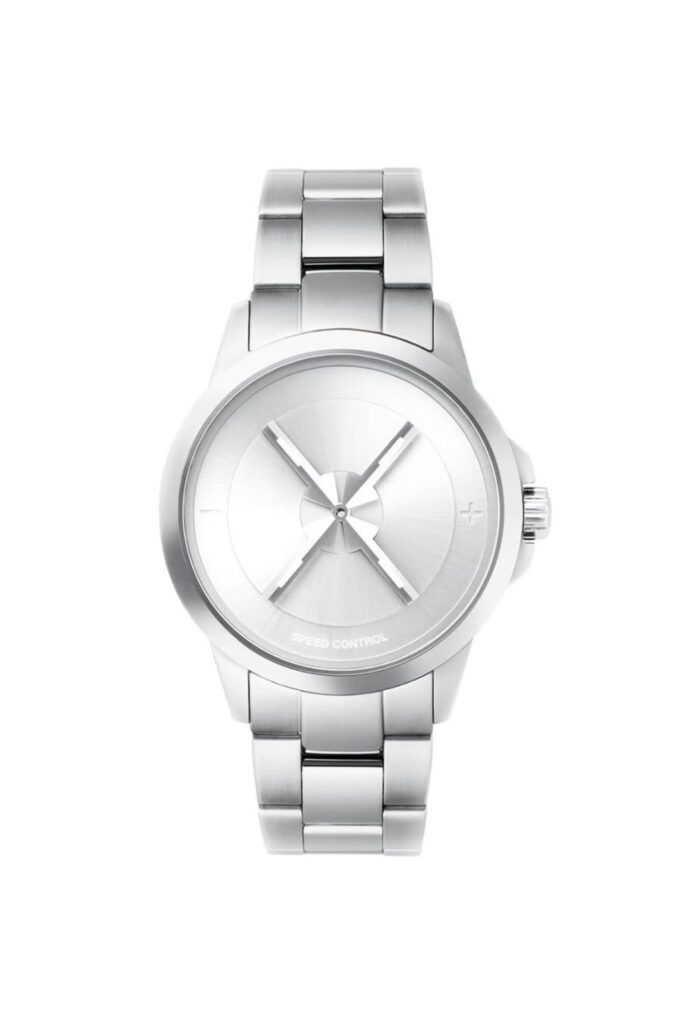
A similar displacement occurs in the MPa Speed Ctrl Watch, where time is no longer immediately accessible but must be interpreted. By designing the hour and minute hands with identical forms, Mincheol Seo introduces a delay that prevents instant recognition. The wearer is required to rely on context, memory, and surroundings to understand time, transforming a habitual action into a reflective process. The watch positions speed as something to be managed rather than followed, aligning with broader ideas of pacing, where clarity and awareness determine rhythm instead of urgency.
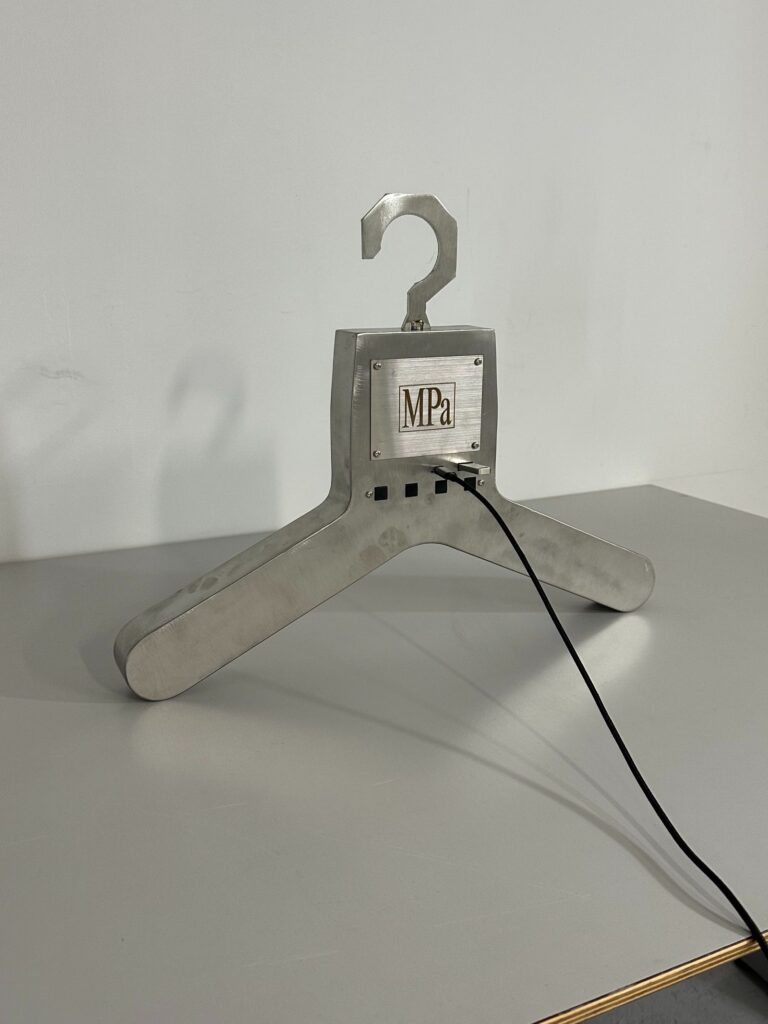
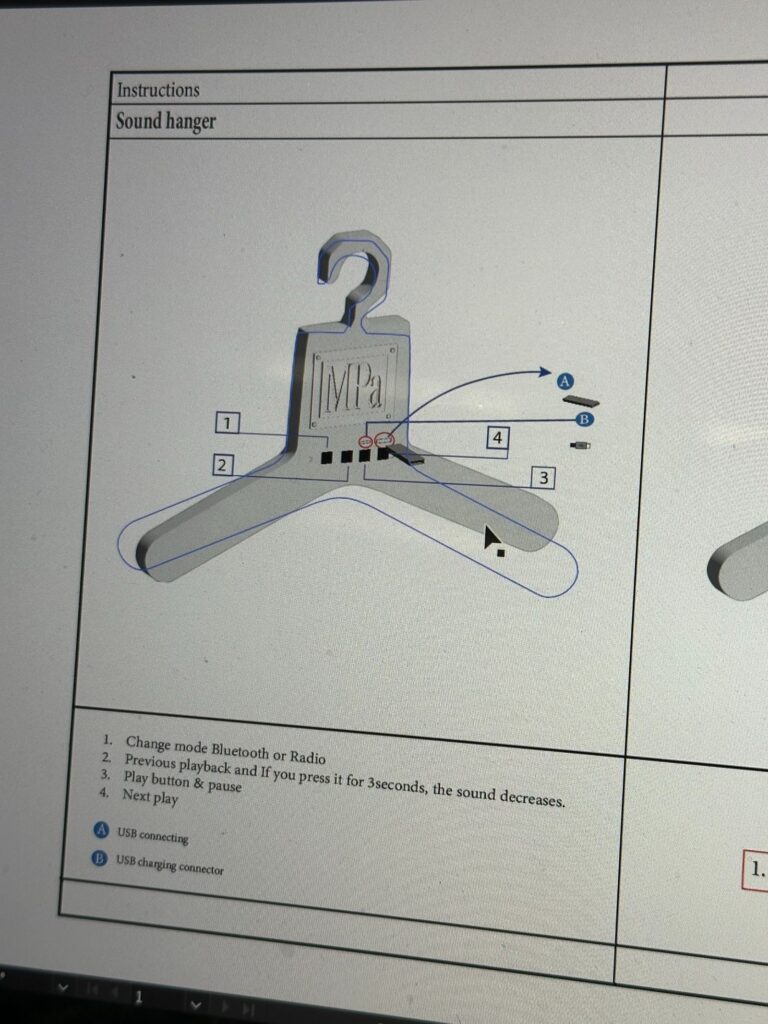
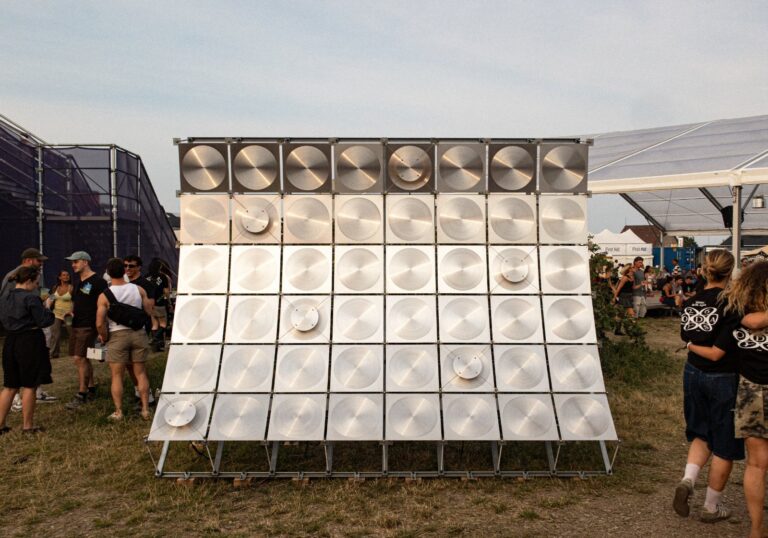
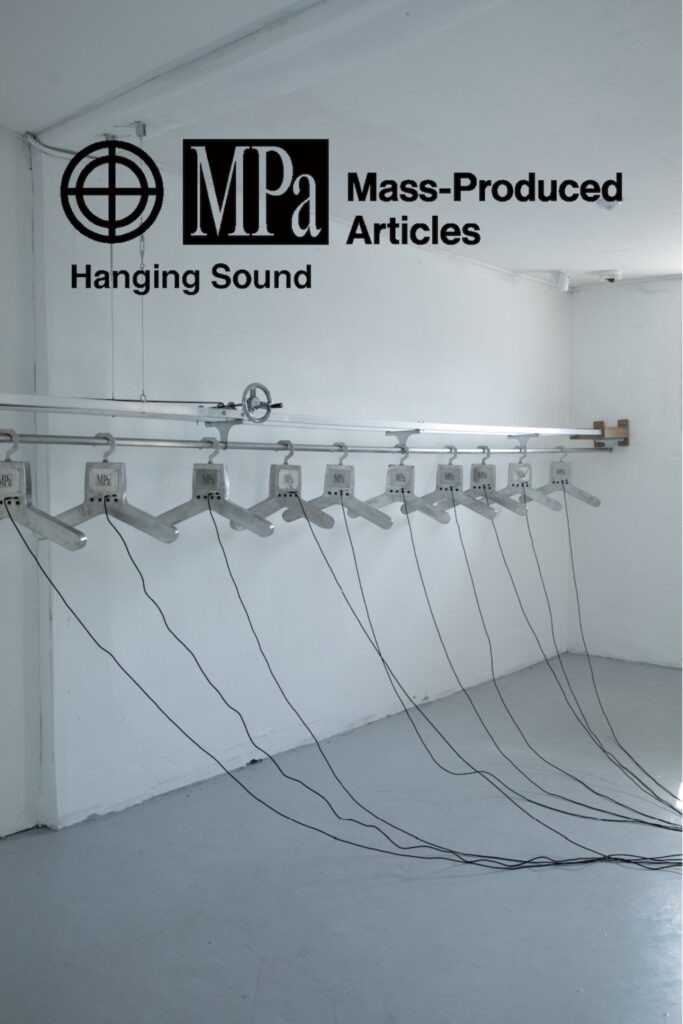
The exploration extends into sound with Hanging Sound, a project that challenges conventional expectations of audio performance. Constructed from stainless steel, the speaker produces noise instead of clarity, which is then reprocessed into a controlled auditory environment. Activated through a key mechanism, the object introduces a deliberate threshold to access, reinforcing the relationship between intention and experience. Here, sound operates as a medium for mental recalibration, shifting attention through controlled disruption.
The relationship between perception and spatial behavior also extends into MPa Sound System Discs Tokyo, presented at CON Gallery in Tokyo with a live performance by artist VQ. Developed as the second iteration of the MPa Sound System, the project structures sound as a physical circuit distributed through interconnected discs embedded with speakers. At the center of the installation, VQ generates live audio from an iPhone while seated directly on a circular MPa Disc placed on the floor.
From this point, sound travels outward through radiating lines connected to smaller speaker-equipped discs, transforming the entire space into a continuous transmission system. Cushions positioned along these extended lines place the audience inside the structure itself, allowing listeners to physically inhabit the pathways through which sound circulates. The installation shifts listening away from passive reception, constructing a spatial environment where sound, positioning, and bodily presence become inseparable parts of the experience.
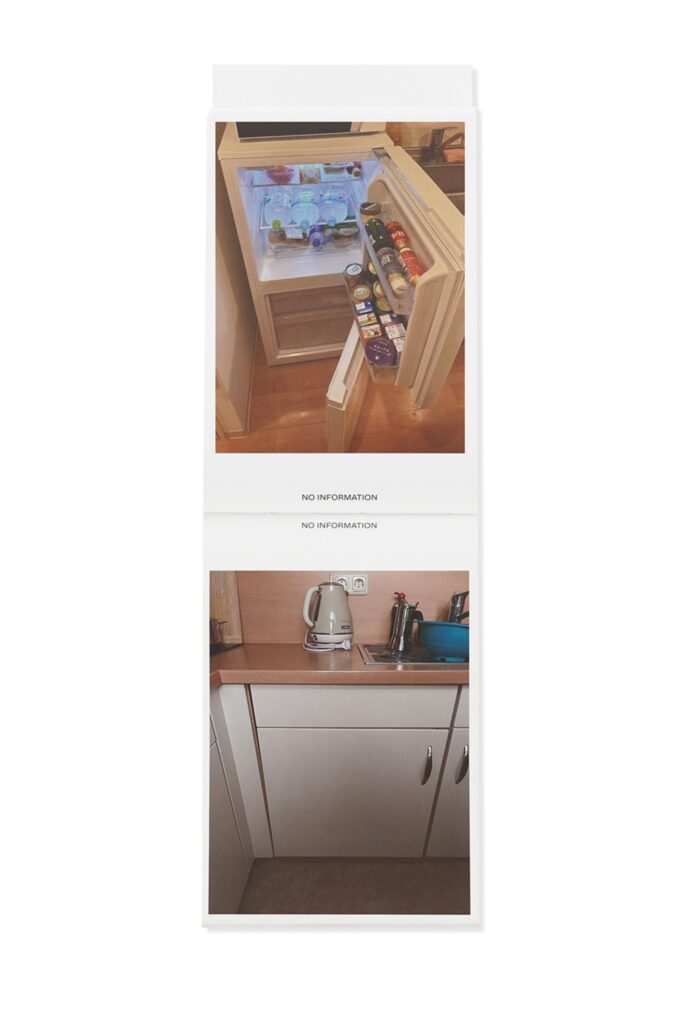
This investigation continues in the PLASTICPRODUCT Zine 02 Fridge, an image-based publication composed of over 900 photographs documenting refrigerator interiors collected over time. Without text or imposed narrative, the work accumulates subtle variations in daily life, revealing patterns that often remain unnoticed. The refrigerator, approached as a recurring point of interaction, becomes a lens through which routine, memory, and personal rhythm are observed. Across these projects, PLASTICPRODUCT constructs a consistent approach where functionality is no longer defined by efficiency, but by its capacity to reorganize perception and produce awareness through delay, ambiguity, and repetition.
All images courtesy of PLASTICPRODUCT, shared with permission
https://intlplasticproduct.com/
Interested in publishing your work?
If you are interested in having your work featured on Visual Atelier 8, please visit our Submission page. Once approved, your work will be presented to our global audience of professionals and enthusiasts.