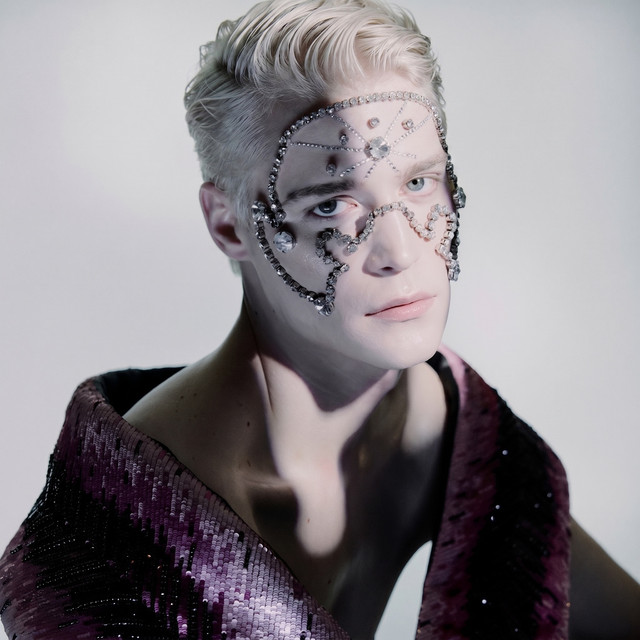
Saint Micah uses the electronic pulse of “The Grind” to dismantle the rigid decorum of a classical upbringing. The track strips away the formal restraint of the Curtis Institute and Juilliard, replacing orchestral acoustic spaces with explicit dance pop. The performance claims autonomy by rejecting the need for social permission. High-concept fashion looks from Balmain and Robert Cavalli fill the visual space to anchor the shift away from institutional isolation.
The new moniker drives the central artistic transition. By discarding a birth name tied to childhood conversion therapy, the performer uses pop performance to execute a public act of self-reclamation. Custom couture clothing designed by Zaldy functions as physical armor rather than mere decoration. Heavy electronic percussion counters past compliance with a steady, repetitive rhythm that forces the body to move.
An explosive club remix by Dave Audé relocates a conservatory-trained pianist into New York queer culture. This deliberate movement from classical concert halls to the dance floor redefines the boundaries established by earlier projects like the instrumental album Diamonds, which relied on the Royal Philharmonic Orchestra. The final loop leaves the voice operating in a space that no longer requests external approval.