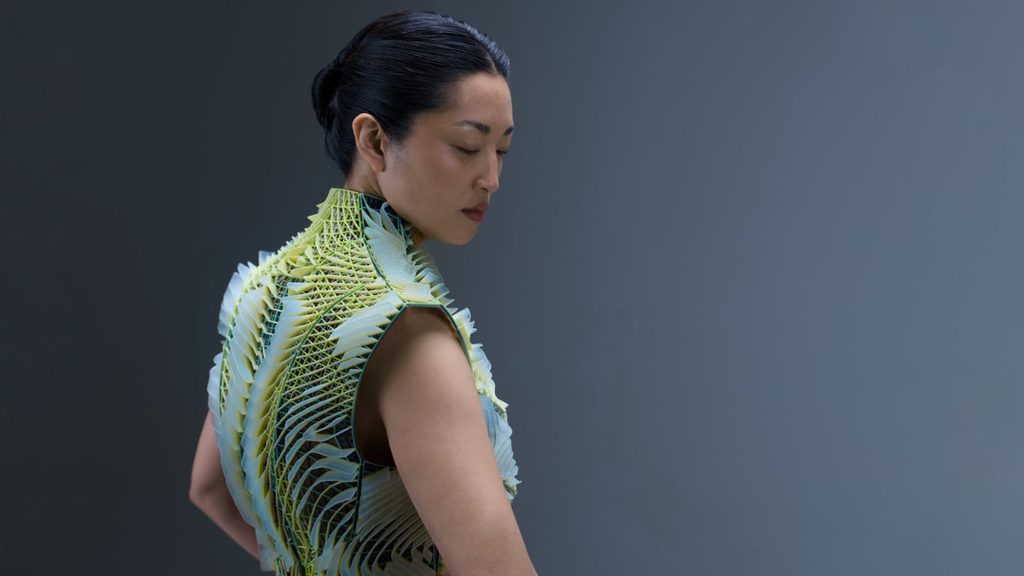
Laura Civetti develops Adaptive System for body centred garment design
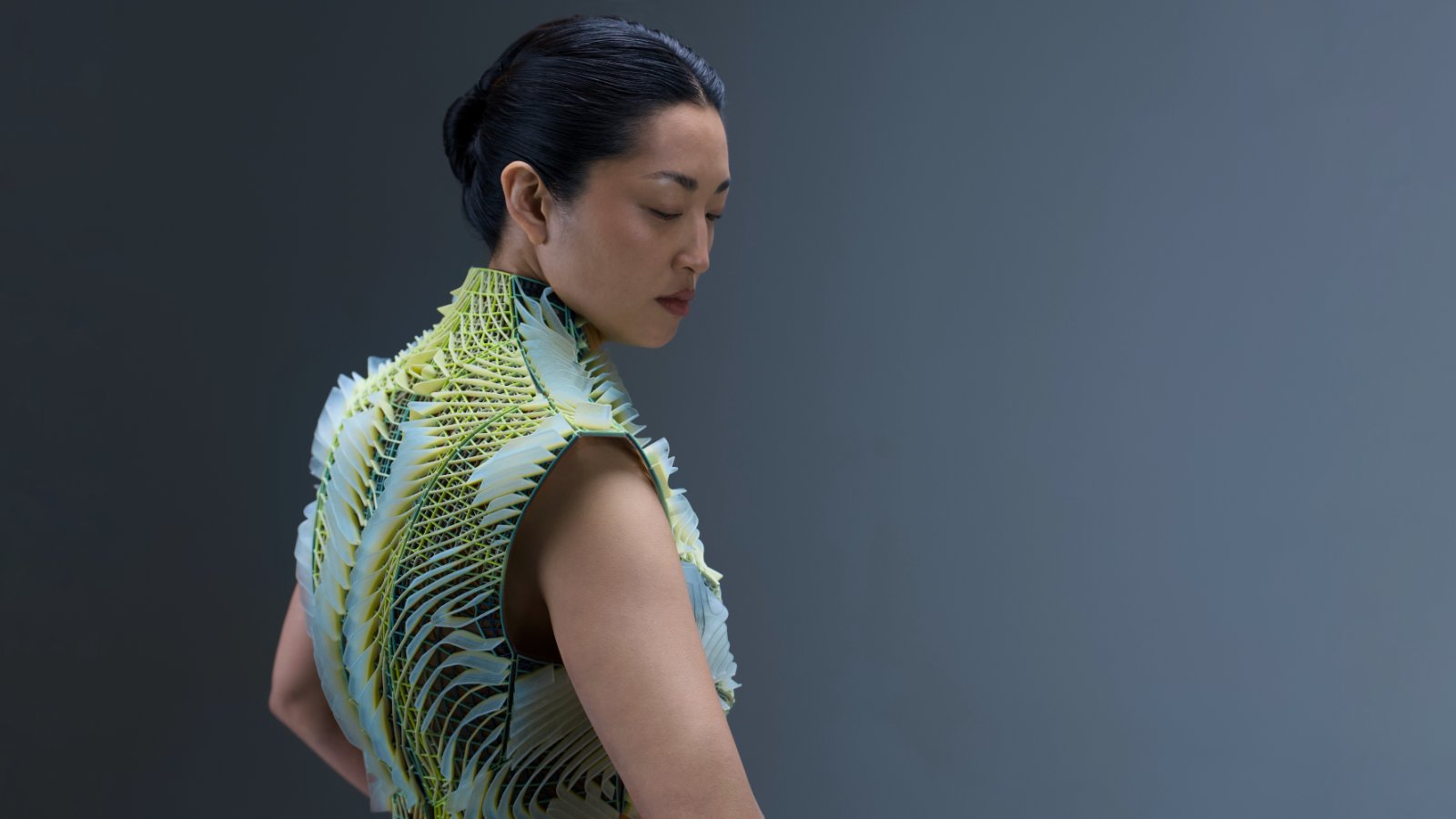
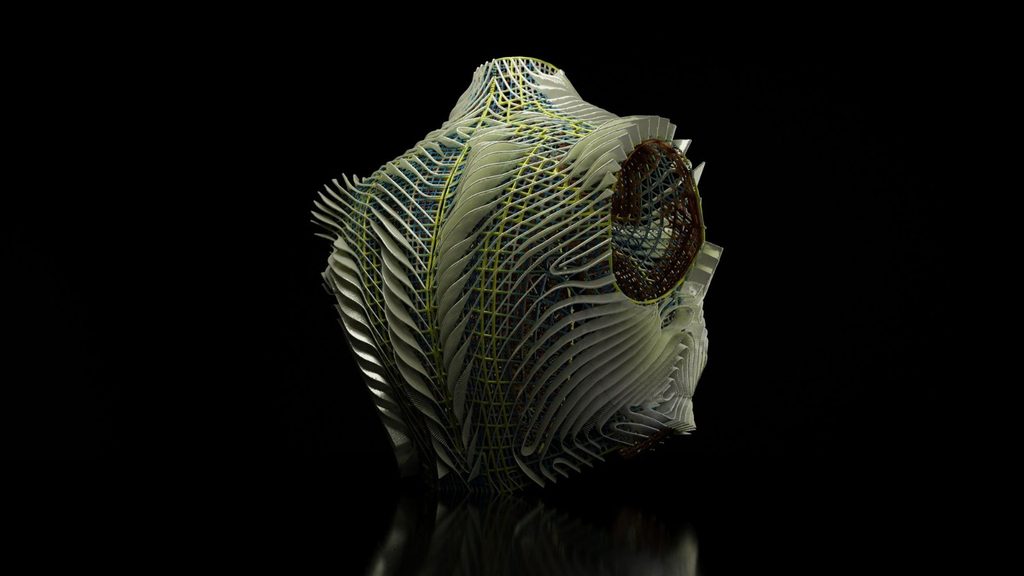
Adaptive System is a data-driven clothing research project by Laura Civetti that develops a computational methodology for translating physiological and biomechanical information into personalised garments. The project sits at the intersection of fashion technology, computational design and digital fabrication. It examines how information from the human body can become an active parameter in clothing design. This moves the process beyond conventional systems based mainly on anthropometric measurements and visual criteria.
Adaptive System responds to a gap Laura Civetti identifies within functional apparel. Garments may use technical fabrics or address isolated physical conditions, but designers still lack a unified method for interpreting several types of body data at once. Sweat distribution, postural requirements, skin sensitivity and other physiological factors can vary considerably across different areas of the body. Civetti’s research treats these variations as design information. Different requirements can then influence garment geometry, material placement and levels of functional performance.
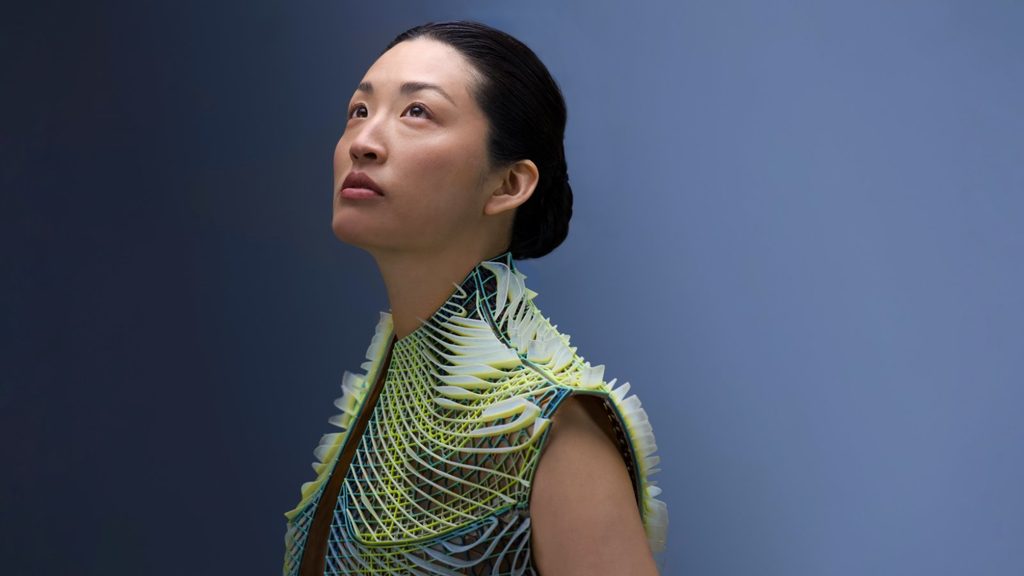
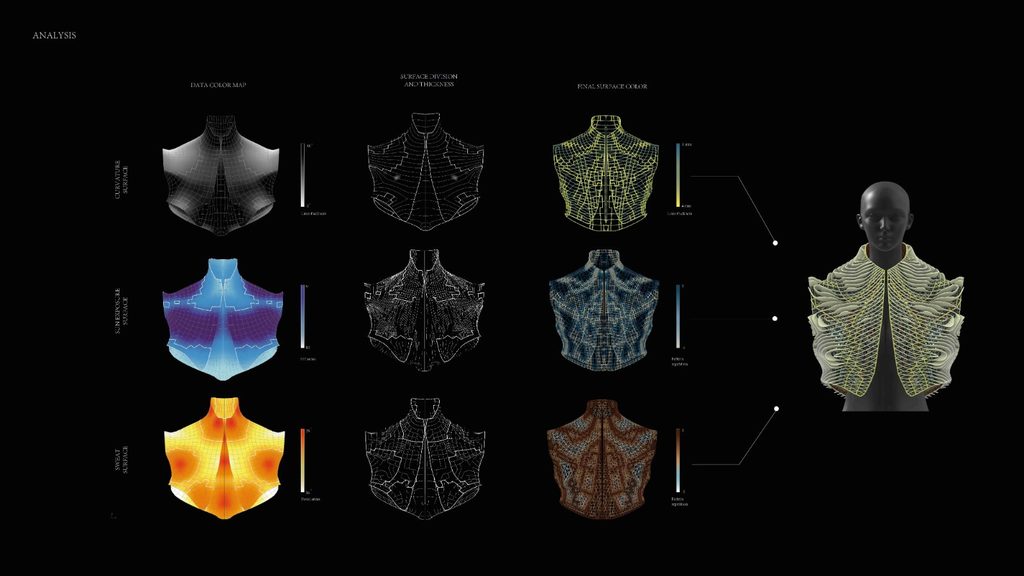
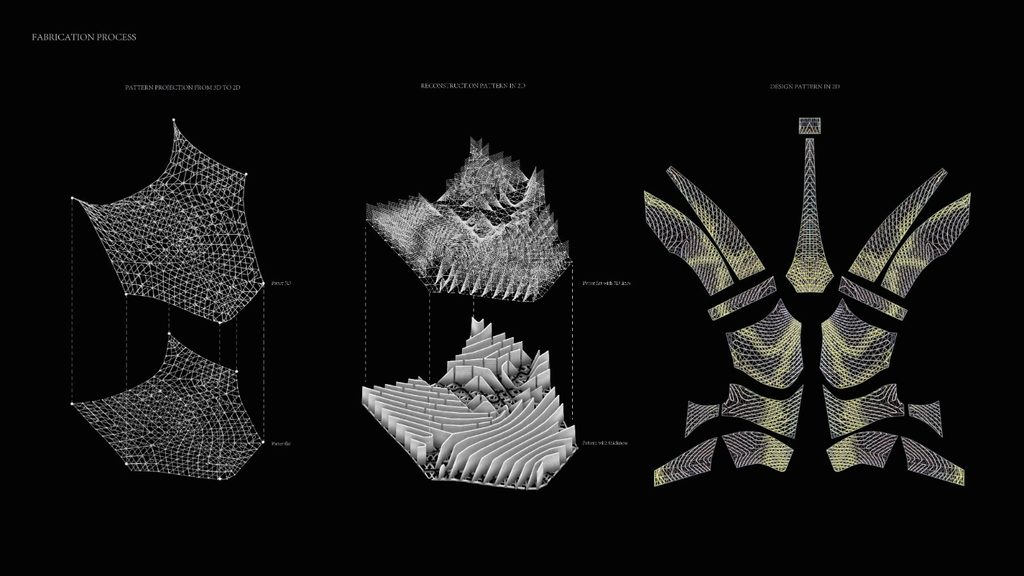
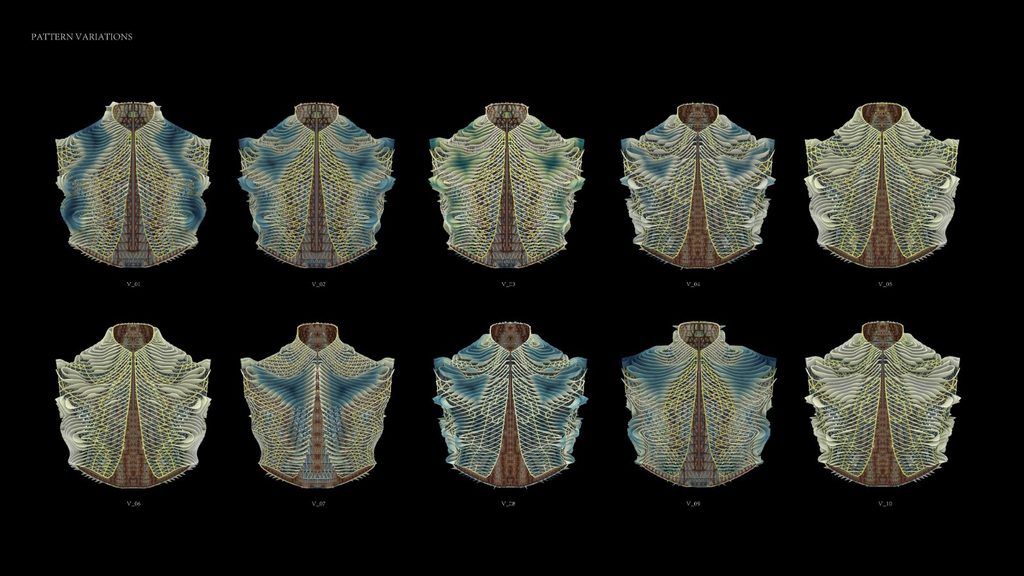
At the centre of the methodology is a system of colour-coded body maps. Physiological and biomechanical information is translated into visual datasets. Colours represent different conditions or functional requirements across the body. A computational design process reads these parameters and converts them into garment geometries and material allocation patterns. Instead of applying one textile uniformly, the resulting structure can assign different properties to specific zones. This allows the clothing to respond locally to the needs identified through the data.
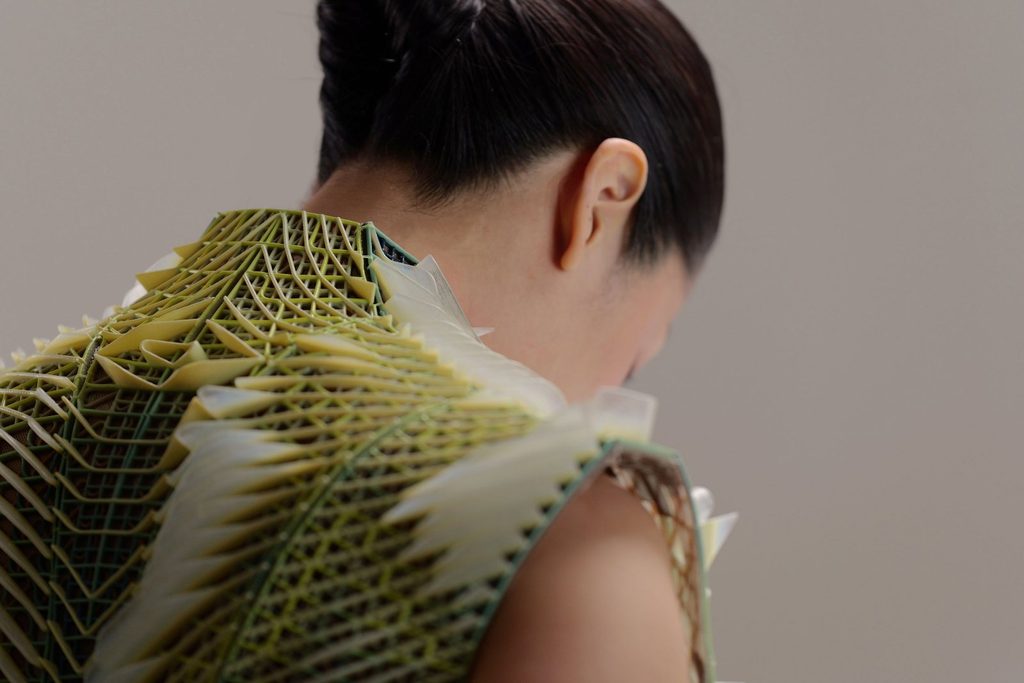
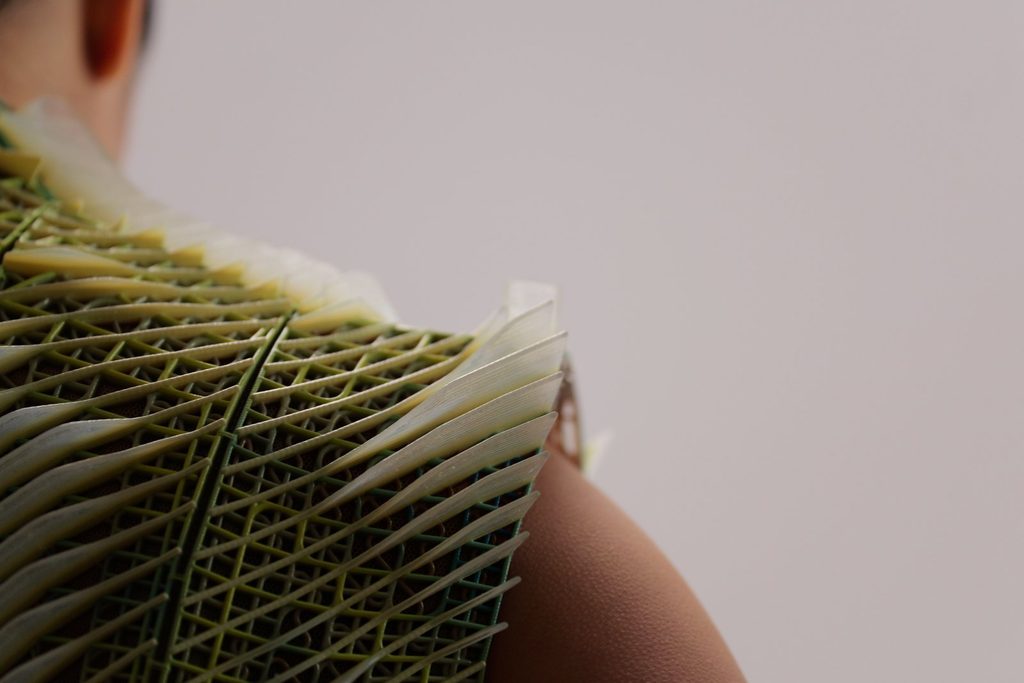
For the proof of concept, Civetti developed and tested an algorithm using simulated body maps. The experiments demonstrated how colour-coded information could be interpreted computationally and transformed into differentiated areas across a garment. This establishes a connection between data collection, generative design and textile selection. It creates the basis for clothing in which construction and material performance can change according to the wearer. The research remains a methodology rather than a fixed garment collection. Adaptive System can therefore accommodate different datasets, bodies and functional objectives.
The project extends Laura Civetti’s broader work across computational fashion, additive manufacturing and material research. After studying at IED Milan, Fabricademy Barcelona and DesignMorphine, she worked at Iris van Herpen Atelier. She later developed wearable technology and additive manufacturing projects with Noumena Group. Her subsequent roles at Materfad and Nagami further connected material development with computational production. Today, alongside her work as a lecturer, Civetti is co-founder of Quasizer. The studio investigates digital fabrication and organic materials as tools for more sustainable product development.
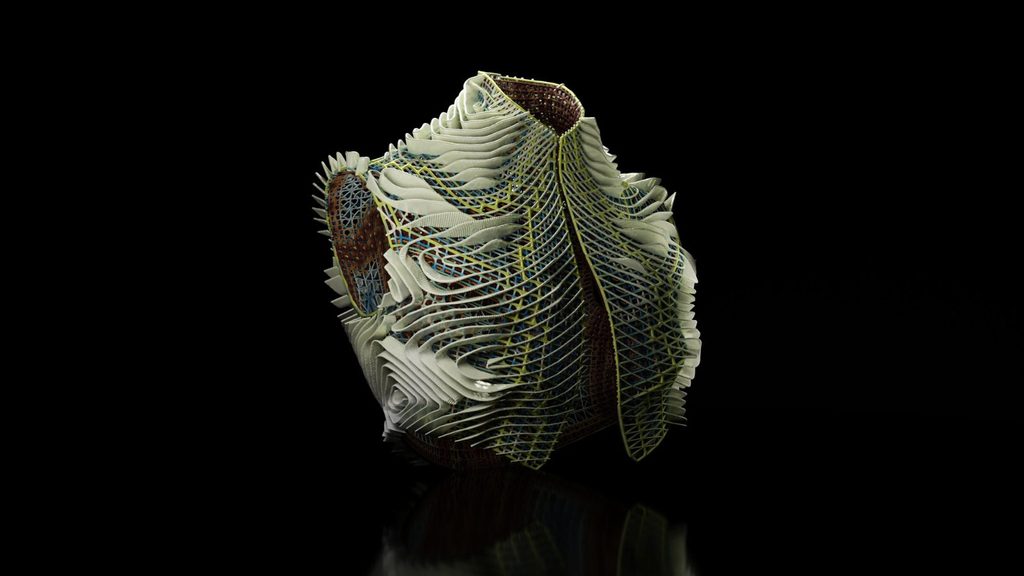
Adaptive System also proposes a different relationship between personalisation and production. By connecting garment decisions more closely to individual physiological requirements, the methodology could support products designed for specific users instead of broad demographic averages. Civetti suggests that this level of differentiation may eventually contribute to reduced inventories, overproduction and material waste. More immediately, the research establishes a practical computational workflow. Body data, garment geometry, material performance and aesthetic decisions can operate as interconnected parts of the same design process.
All images courtesy of Laura Civetti, shared with permission
Credits
Project research: Laura Civetti, Juan Daniel Cabrera Cobo
Manufacturing partner: Stratasys
Image credits:
Photo and Video: Gabriele Pampanelli
Model: Rowena Lee
Rendering: Laura Civetti
Diagrams: Laura Civetti
Interested in publishing your work?
If you are interested in having your work featured on Visual Atelier 8, please visit our Submission page. Once approved, your work will be presented to our global audience of professionals and enthusiasts.