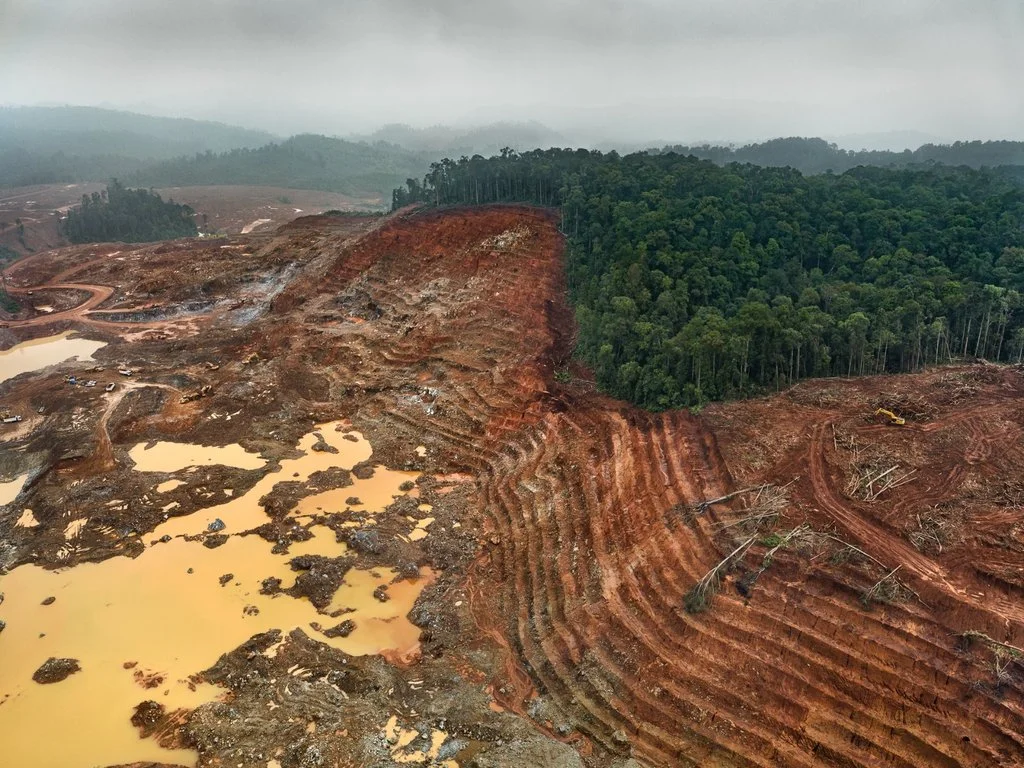
‘The Mineral Age’ by Tom Hegen reveals the landscapes behind the global energy transition
The landscapes powering the global energy transition are the subject of The Mineral Age, a photographic book project by Tom Hegen documenting the environmental consequences of mineral extraction across the world. Developed over six years, the series examines the territories supplying lithium, nickel, copper, cobalt, and other critical resources essential to contemporary technologies. From the Atacama Desert in Chile to the tropical rainforests of Indonesia, Hegen’s aerial photography reveals the physical transformation of land on an extraordinary scale, bringing visibility to places rarely associated with the promise of a sustainable future.
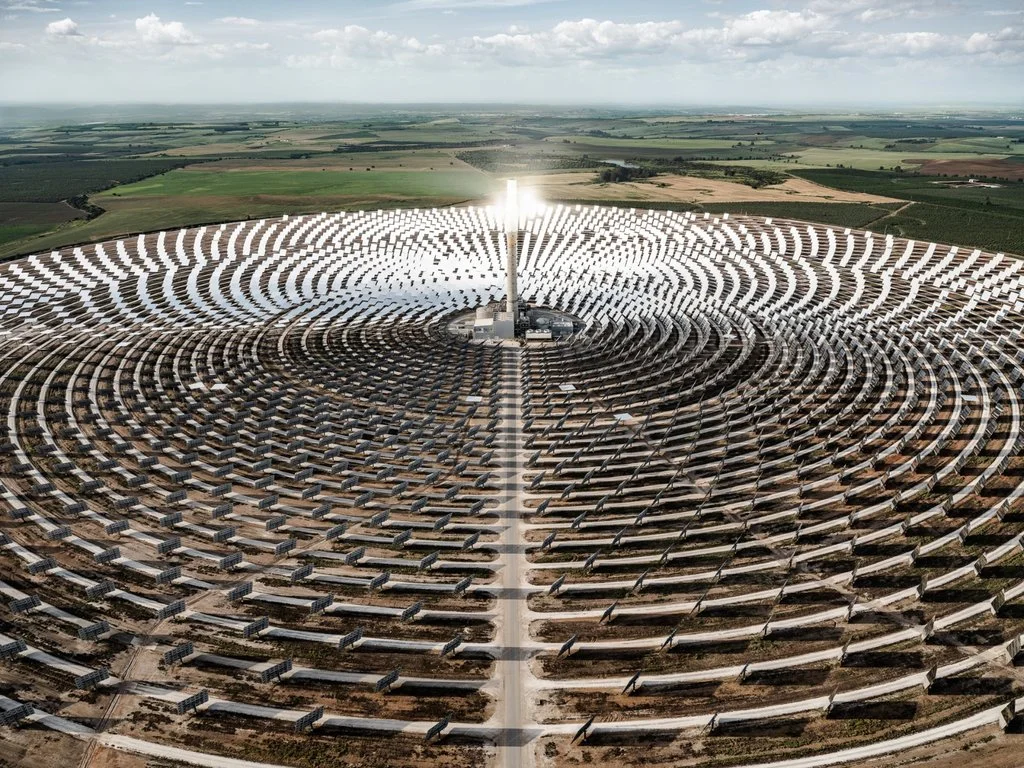
As governments and industries accelerate the transition away from fossil fuels, demand for the minerals required to manufacture electric vehicles, batteries, and renewable energy infrastructure continues to grow. This new dependence on raw materials is changing entire regions, introducing industrial operations into remote environments and creating new geopolitical relationships. In The Mineral Age, Tom Hegen approaches these developments through photography, recording the geometric formations, excavated surfaces, and extensive industrial networks that emerge when natural landscapes become sites of extraction.
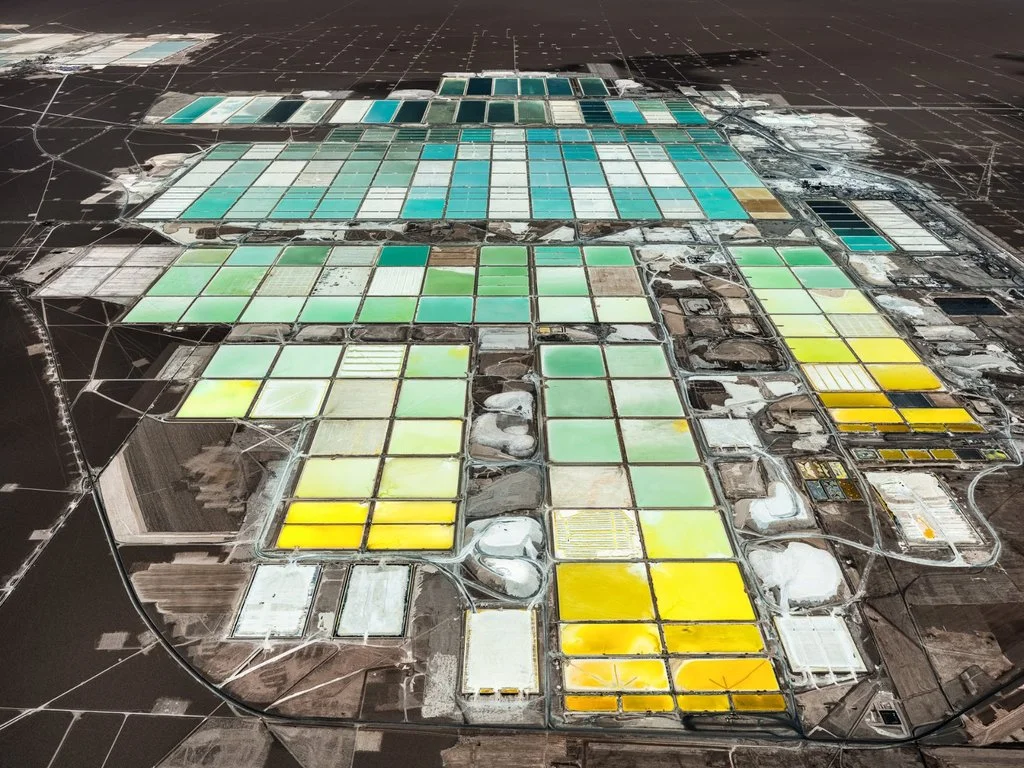
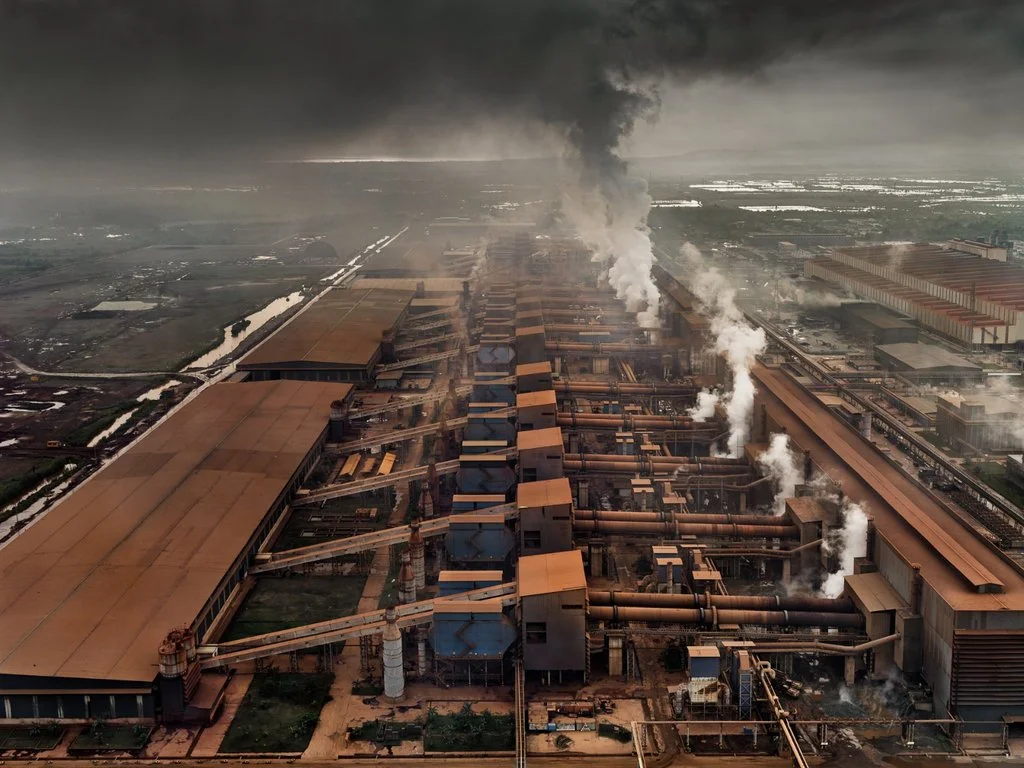
Among the locations documented is Sulawesi, Indonesia, where tropical forests have been cleared to accommodate nickel mining and processing facilities serving the international battery industry. In Chile’s Atacama Desert, vast evaporation ponds used in lithium production form immense arrangements of colour against the arid terrain. Hegen also travels to the Democratic Republic of the Congo, where cobalt extraction raises questions about labour conditions and the distribution of economic benefits. Each location presents a different geography of resource extraction, yet together they illustrate the growing environmental pressures associated with global electrification.
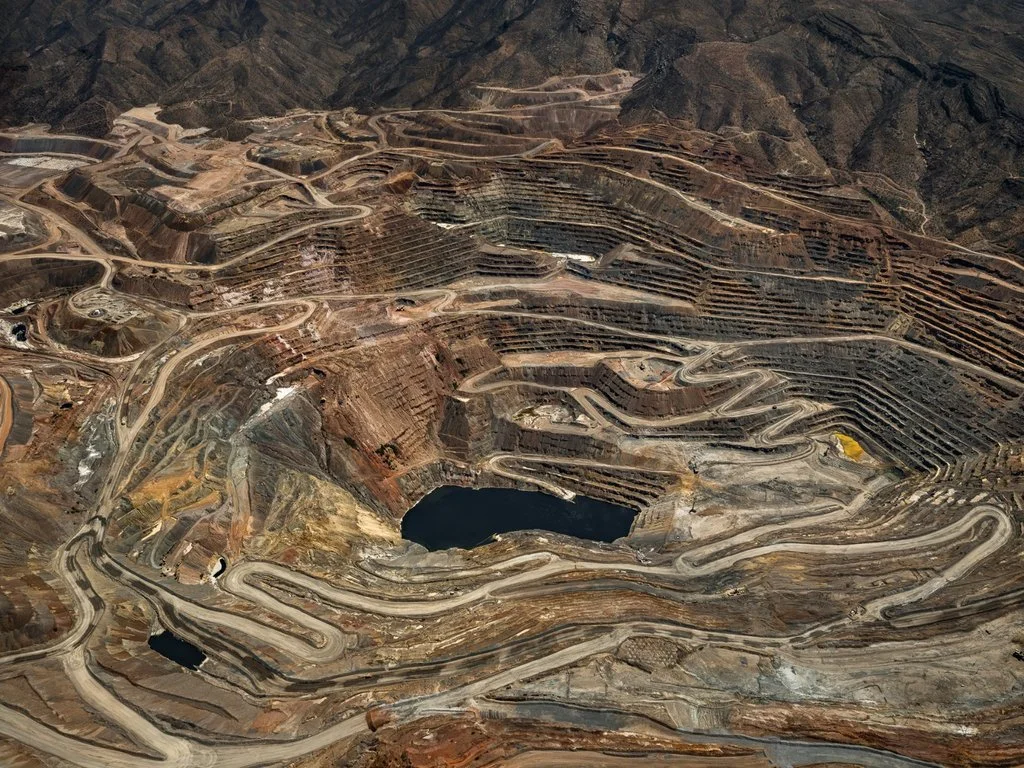
Seen from above, these industrial landscapes acquire an unexpected visual language. Excavated earth forms intricate patterns, mineral deposits introduce unusual tonal variations, and evaporation basins divide the terrain into precise geometric compositions. The photographs oscillate between abstraction and documentary evidence, encouraging viewers to examine what initially appears visually compelling. Hegen’s elevated perspective makes the scale of human intervention legible, exposing infrastructures and alterations that are difficult to comprehend from ground level. The resulting images confront the viewer with a tension between visual beauty and environmental damage.

Published by Hatje Cantz, The Mineral Age – Resourcing the Future of Clean Energy brings this photographic investigation together in a 304-page hardcover volume containing 248 photographs. Edited by Nadine Barth, with contributions from Olivia Lazard, Jean-Baptiste Fressoz, and Henry Sanderson, the publication extends beyond the visual documentation to consider the ecological, social, and geopolitical implications of mineral extraction. It continues Tom Hegen’s broader photographic practice of examining how human activity alters the Earth’s surface, while concentrating on the resources underpinning the contemporary energy transition.
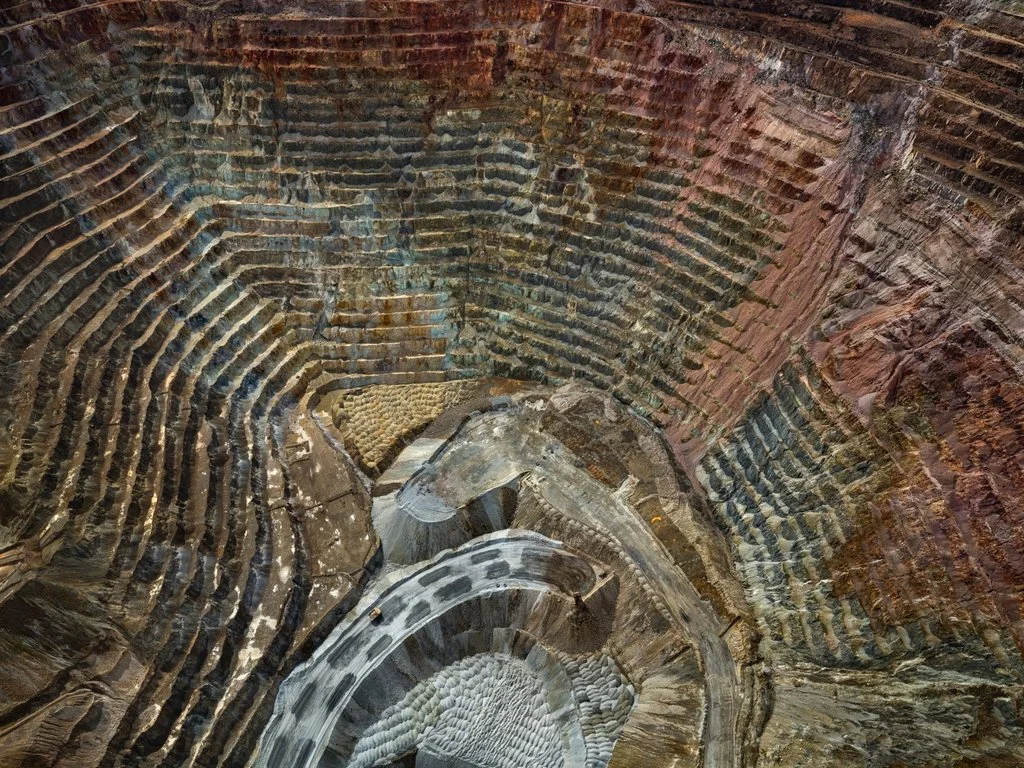
For Tom Hegen, acknowledging these consequences does not diminish the urgency of decarbonisation. His work instead questions how the transition can proceed without reproducing the environmental destruction and social inequalities historically associated with resource extraction. Behind the technological language of clean energy are physical landscapes, industrial processes, and communities whose experiences remain largely absent from public discussions of sustainability. Through The Mineral Age, Hegen makes these relationships visible, presenting a photographic record of an industrial transformation whose consequences will extend far beyond the mines themselves.

Phtography by Tom Hegen, shared with permission