In conversation with Julie Zhu on the relationship between intuition and visual communication
For Julie Zhu, an image does not necessarily need to move to tell a story. Sometimes, its power lies in the details, inviting the viewer to slow down and look closer. Working across motion design, illustration and visual communication, Julie Zhu approaches each medium with a curiosity about how ideas can be experienced and understood. Her education at Parsons School of Design and the Rhode Island School of Design has informed a creative practice in which expressive imagery meets the precision of design.
From personal illustrations to commercial campaigns, Julie Zhu maintains an interest in colour, rhythm and the emotional qualities of visual storytelling. Her experience across different industries has also led her to consider the responsibilities of a designer beyond aesthetics, particularly when communicating complex information. In conversation with Visual Atelier 8, Julie Zhu discusses how she balances creative intuition with the demands of professional design while staying true to her playful visual language.
Your background combines motion design and illustration, two disciplines that can communicate in very different ways. When did you begin to understand which ideas needed movement and which were stronger as a single image?
I choose the medium based on the idea. Motion can capture attention, guide a story, or add energy, while illustration gives viewers time to explore details. I enjoy combining both across campaigns.
You studied at RISD and also developed your illustration and typography practice at Parsons. Looking back, which part of your education had the greatest influence on the way you think visually today?
Parsons helped me build a foundation in illustration and typography, while RISD encouraged me to explore motion, film, and visual storytelling. An animation-related class at Parsons first introduced me to motion and eventually inspired my transfer to RISD. Together, they taught me to think beyond one medium.
Much of your professional work involves translating complex subjects into clear visual communication. What have you learned about simplifying an idea without making it feel generic or losing its character?
One of the biggest things I’ve learned is that making something understandable doesn’t mean making it less interesting. Especially when working with subjects like financial services, there can be a lot of information that audiences aren’t necessarily familiar with. The challenge is figuring out how to make that information approachable without losing its substance or personality.
In my current role as a Marketing Designer at Kashable, I work across B2C and B2B communications, developing visual content that helps translate financial topics into more accessible and engaging experiences. I enjoy taking an active role in shaping the visual direction of a project, thinking about how information is structured, how audiences interact with it, and how design can support a larger communication strategy.
One recent project I’m particularly proud of was the State of Consumer Finance report. My work involved translating complex financial information into a clear and engaging visual presentation, making the report more accessible to its intended audience while supporting a broader marketing and media initiative.
The report generated significant media exposure on its first day, receiving 567 media placements with a combined potential reach of 59.4 million unique monthly visitors across platforms representing 125.6 million monthly visits. It also recorded 3,450 views from 1,461 unique readers on day one. Its coverage extended across major outlets and platforms, including Reuters, StreetInsider, The Manila Times, and FactSet’s financial data feeds, alongside hundreds of local news and television station websites across the United States. It also reached international audiences in markets including Hong Kong, Norway, Canada, the United Kingdom, and Germany.
For me, this project reinforced an important aspect of marketing design: visual communication can do much more than make information look appealing. It can help make complex subjects easier to understand, strengthen the presentation of important insights, and support the reach and effectiveness of a larger marketing initiative. I believe the most successful design work happens when creativity and communication strategy work together, creating something that is not only visually distinctive but also meaningful to its audience.
Motion can create atmosphere through timing, pacing, and transition in a way that static design cannot. What interests you most about the emotional side of movement?
I’m interested in pacing: a pause after fast movement can create anticipation or give a moment emotional weight. I think about what moves, what stays still, and how long viewers experience each moment.
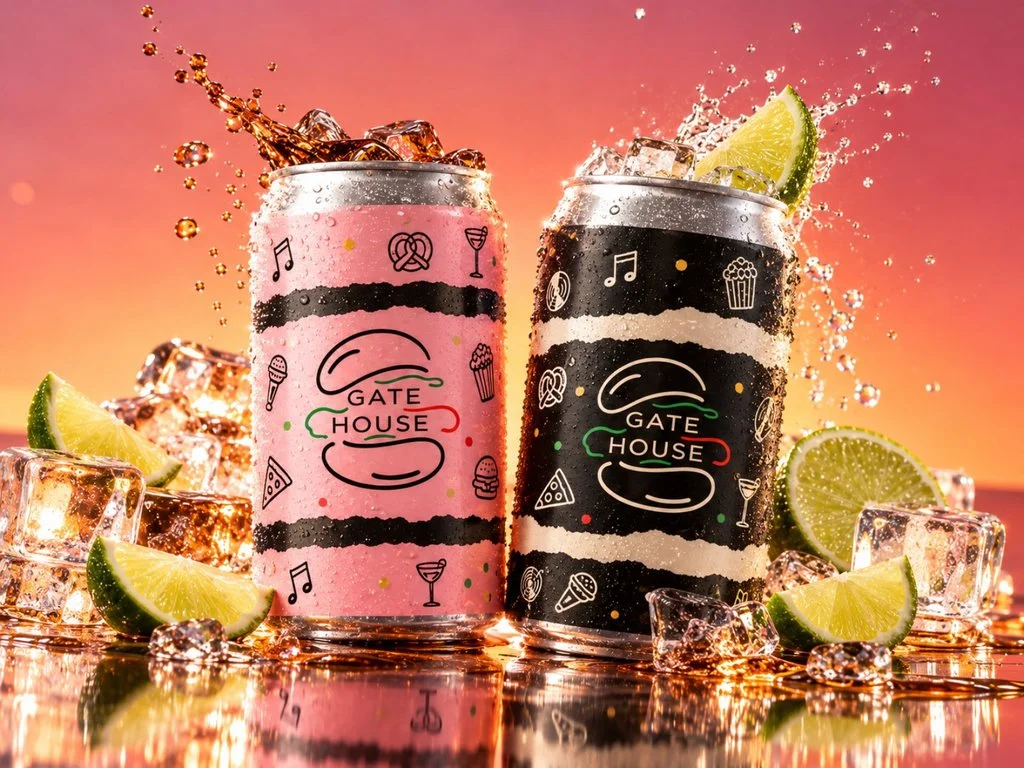
Illustration remains an important part of your practice. When you draw, do you feel you are working more instinctively than when you are designing for a client or a specific communication goal?
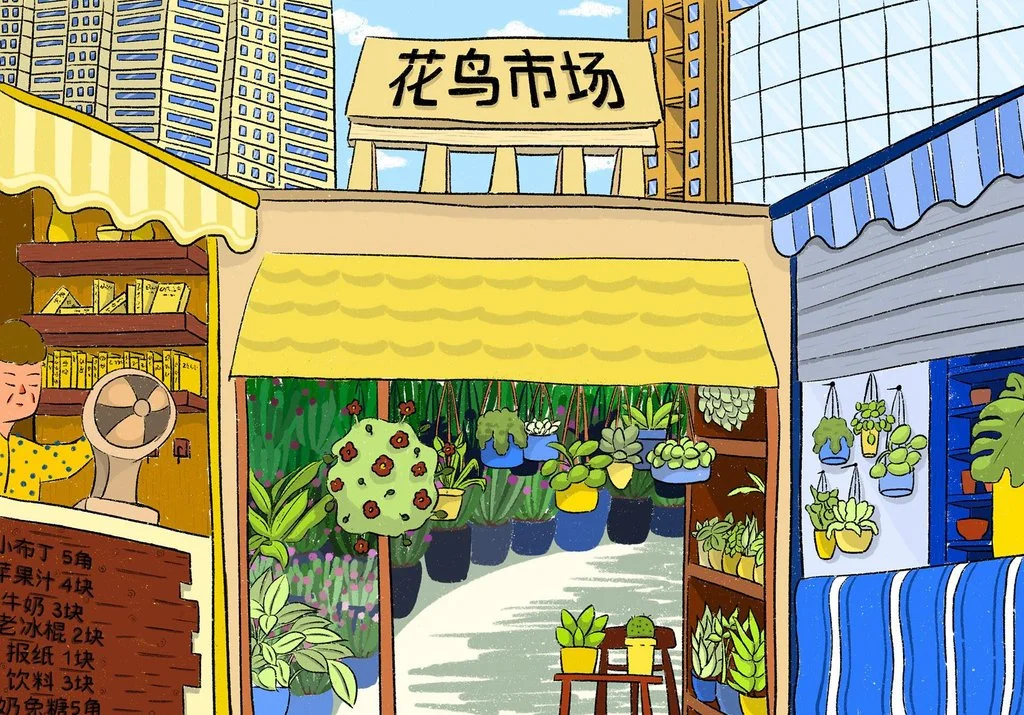
Definitely. When I’m drawing for myself, I feel much more instinctive and free. I can follow an idea simply because I find it interesting, experiment with colors and shapes, and let the work develop without necessarily having a specific outcome in mind.
When designing for a client or working toward a communication goal, the process is naturally different. There are audiences to consider, messages to communicate, and objectives that the design needs to fulfill. But I’ve come to appreciate that creative work can have an impact beyond its immediate visual appeal, especially when it helps people connect with an institution, a community, or a particular message.
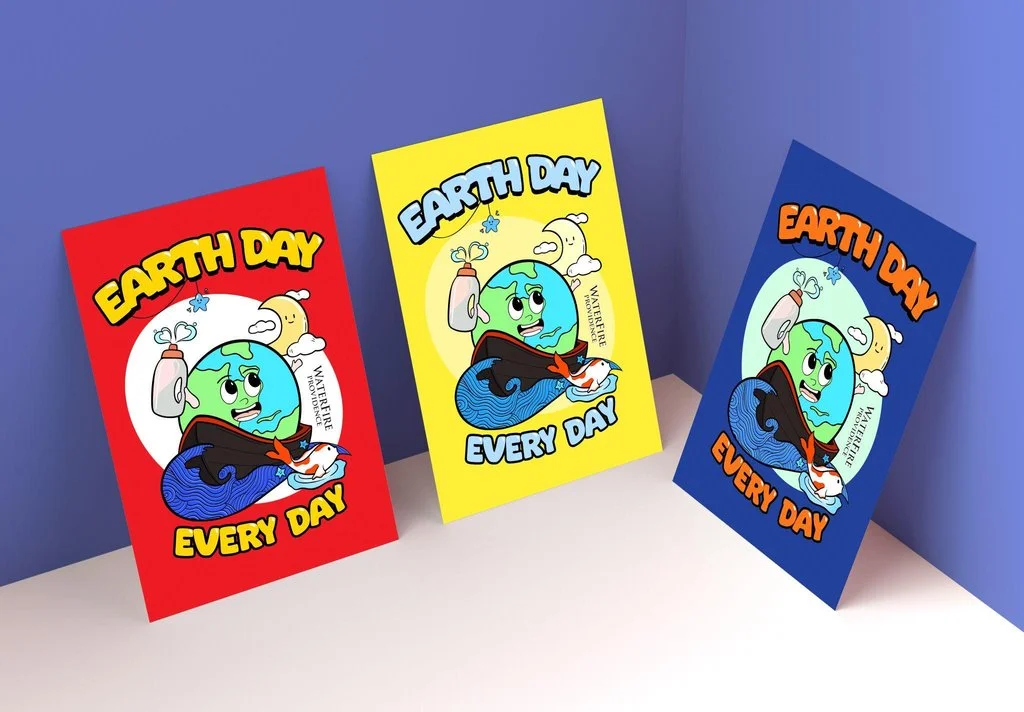
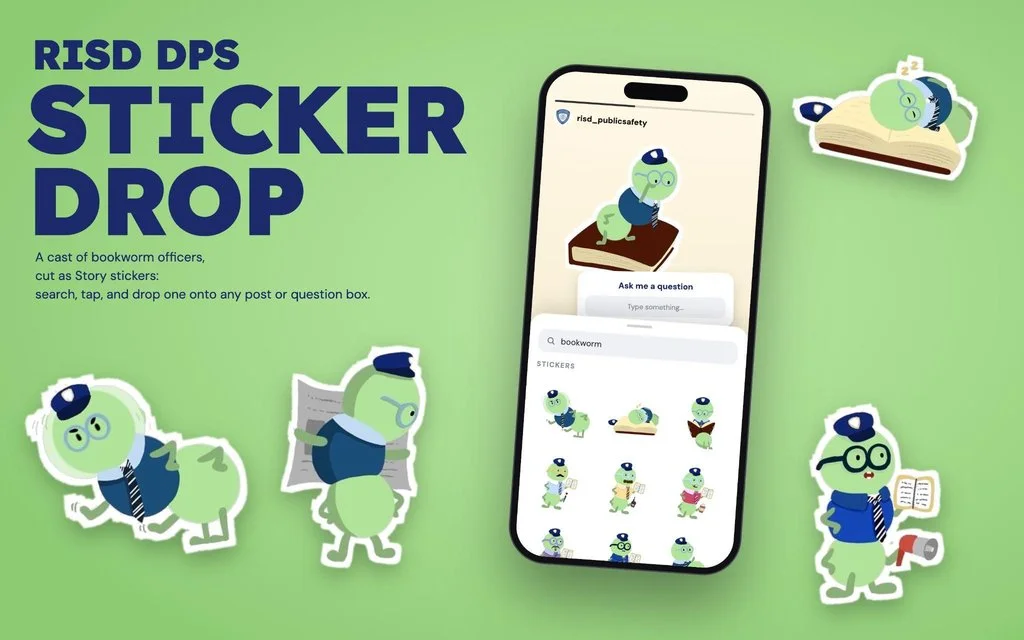
During my time at Rhode Island School of Design, I worked as a social media content creator and graphic designer for both Public Safety and External Conference and Event Services. For Public Safety, I developed an approachable visual communication system designed to help students connect with Public Safety, making important information feel more accessible and encouraging stronger engagement between the department and the student community.
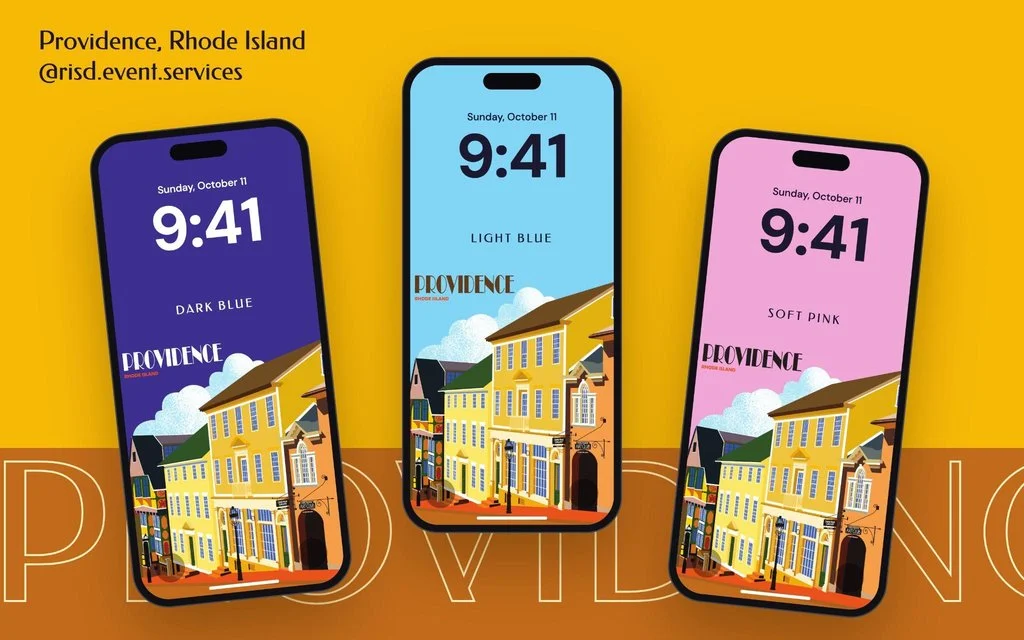
For External Conference and Event Services, I developed visual content and social media communications that helped strengthen the department’s digital presence. The work contributed to a 1,220% increase in content reach and 116% growth in its community. The broader social media project also received a MUSE Design Award, which was especially meaningful to me because it recognized the value of combining creative design with a clear communication purpose.
Beyond creating work, I’ve also had the opportunity to contribute to the creative community from another perspective through my invitation to serve as a judge for BIG WGA. Evaluating other creative work has encouraged me to think more critically about originality, execution, and the impact a design can have.
These experiences have made me realize that personal expression and professional design are not opposites. My personal work gives me room to experiment, while professional projects challenge me to translate those creative instincts into something that can connect with people and create measurable value. I think the most rewarding work brings both together.

You have already worked in very different professional environments, from healthcare and insurance to consumer brands. Has moving between industries made you more adaptable as a designer, or has it helped you understand more clearly what kind of work feels most like your own?
Working across different industries has made me more adaptable and shown me how visual communication changes with its audience. At IPG Health’s Studio Rx, I gained experience in healthcare marketing and campaign development, contributing to a proposal selected by the client as well as an intern pitch deck.
At Force Factor, I created product visuals, e-commerce graphics, and A+ Content for retail platforms including Amazon, Costco, CVS, and Target. That experience taught me how design can communicate product benefits in a competitive retail environment.
At Kashable, I work across B2C and B2B marketing, creating content for digital campaigns, paid media, email, social media, and sales communications. The State of Consumer Finance report also gave me experience supporting a campaign with substantial U.S. and international media exposure.
Alongside these roles, I’ve worked on freelance digital content projects. Visuals I created for a YouTube channel were part of a project that accumulated more than 8 million views as its subscriber base grew by 440%. I’ve also contributed visuals to a podcast ranked among the top 5% of the most-shared podcasts globally.
Each environment requires a different approach. Consumer wellness may call for energetic visuals, while financial services often need clarity and trust. For me, adaptability means finding an original visual direction that serves both the audience and the project’s goals.
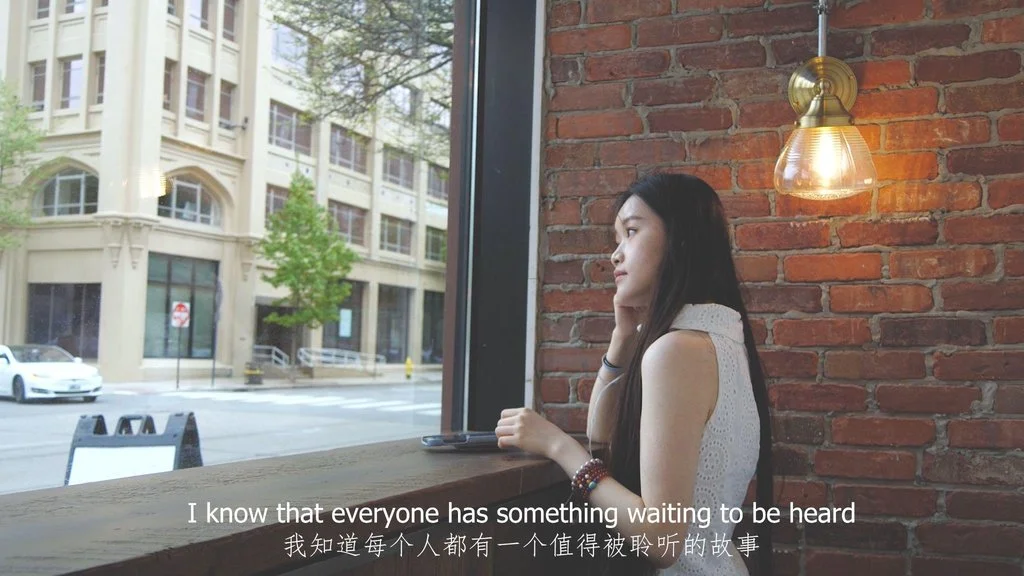
AI is already part of your creative workflow, particularly during ideation and visualization. Has it changed the way you begin a project, or do you still prefer to establish the core idea before bringing these tools into the process?
AI has made ideation faster, but I establish the audience, communication goal, and core idea first. I use it to explore visual directions, then refine the results. The concept and creative judgment still come from me.
You are at the beginning of your professional career, which is often the moment when personal style and commercial expectations start to meet. Is there anything from your student work that you are especially determined not to lose as your practice develops?
I want to preserve my playful side: bold colors, expressive visuals, and unexpected compositions. Professional work sometimes calls for restraint, but it doesn’t have to be predictable. I hope to bring curiosity to every project while respecting its goals.
Looking ahead, what kind of designer do you want to become, not in terms of a specific job title, but in the kind of work and visual language you want people to recognize as yours?
I hope to move between illustration, motion, branding, and visual communication with a recognizable point of view. I want to create expressive work that communicates clearly, connects with people, and keeps evolving without losing my curiosity.
All images courtesy of Julie Zhu, shared with permission