EWE Studio Exhuma collection honors pre Hispanic Purépecha techniques
EWE Studio has presented its latest collection, Exhuma, a body of work that honors pre-Hispanic Purépecha metallurgy while positioning traditional craftsmanship within contemporary design. The collection connects centuries-old casting techniques with modern furniture, demonstrating how cultural memory can be preserved through material expression.
By revisiting ancient practices and incorporating them into present-day design, the studio creates objects that embody continuity between past and present.
The Purépechas, a civilization established in western Mexico, developed remarkable skills in metalworking around 1450 AD. They mastered alloys, mining, and casting, introducing methods that were likely influenced by South American traditions transmitted through trade.
The use of clay, sand, charcoal, and stone molds allowed them to produce ornaments, jewelry, and weapons. Among their most notable objects was the tajadero, a copper artifact that functioned as currency, weapon, and sacred symbol. This versatile form serves as a foundation for the shapes within the Exhuma collection, where history informs design.
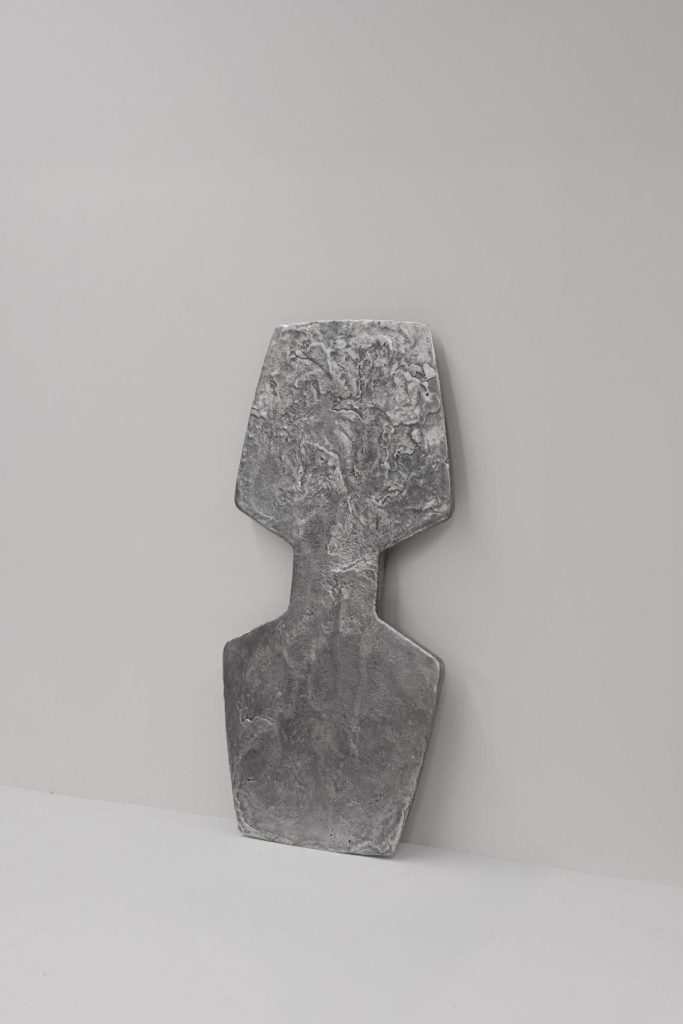
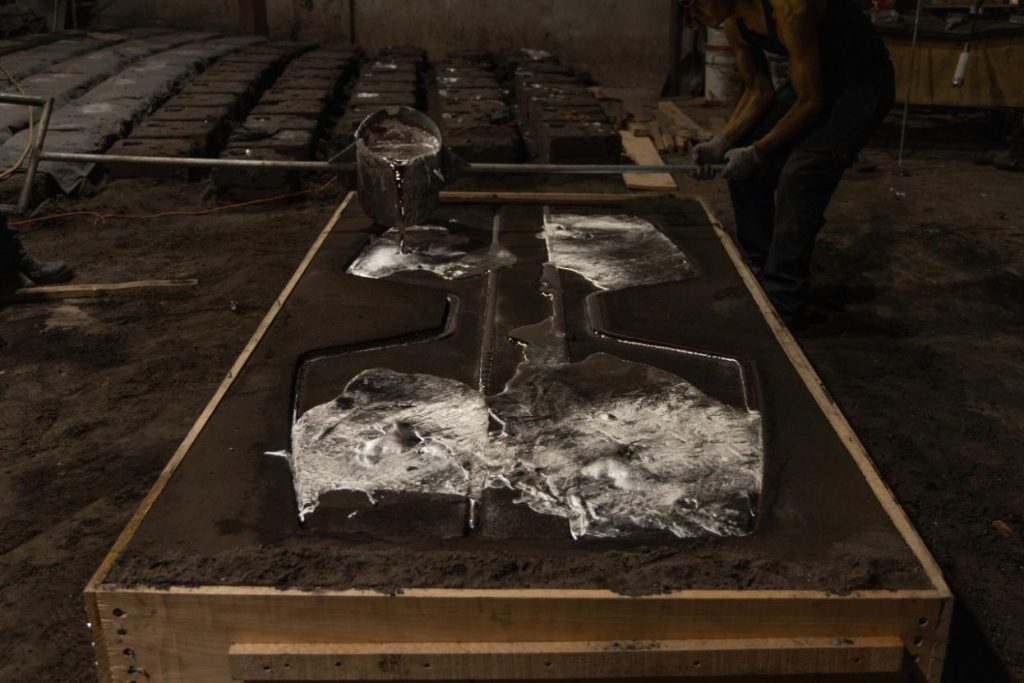
The casting process followed by the Purépechas remains relevant today. Metal was melted in furnaces and kept at high temperatures with long tubes that increased airflow. Once molten, it was poured into molds placed on hot ashes, cooled, and later polished with stones to reach a refined finish.
EWE Studio adapts this process to develop the metal surfaces of Exhuma’s furniture pieces, ensuring that each work carries the imprint of this artisanal knowledge.
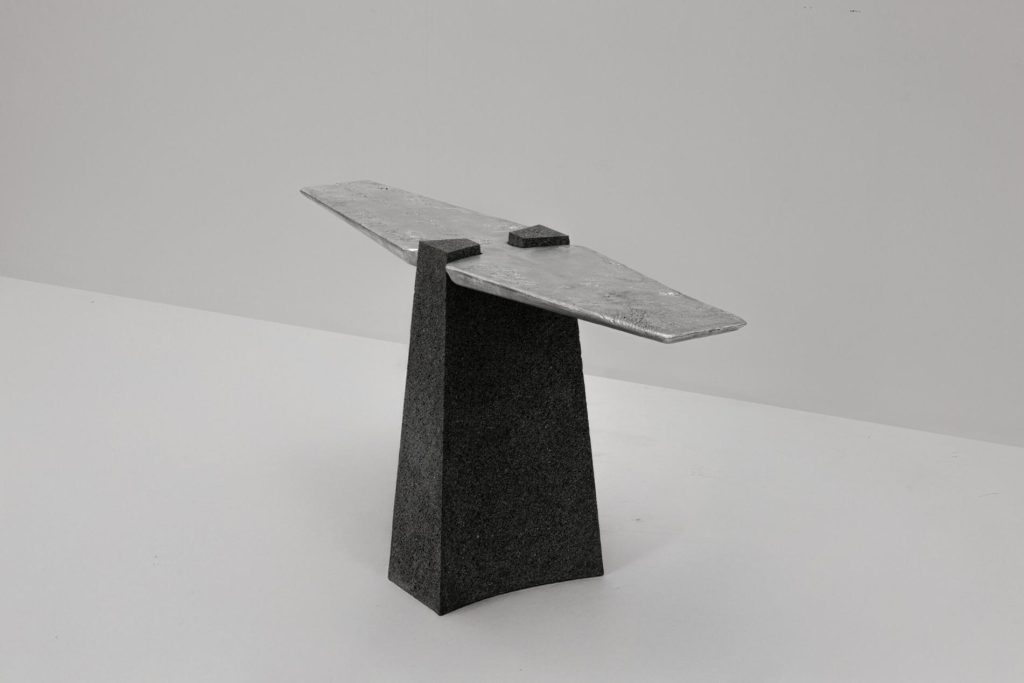
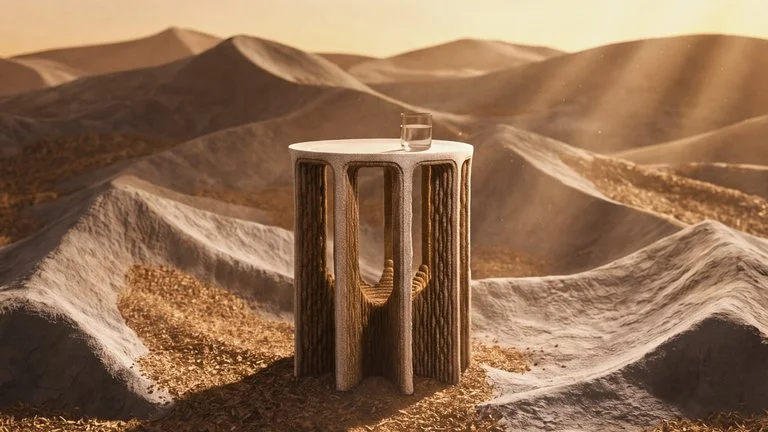
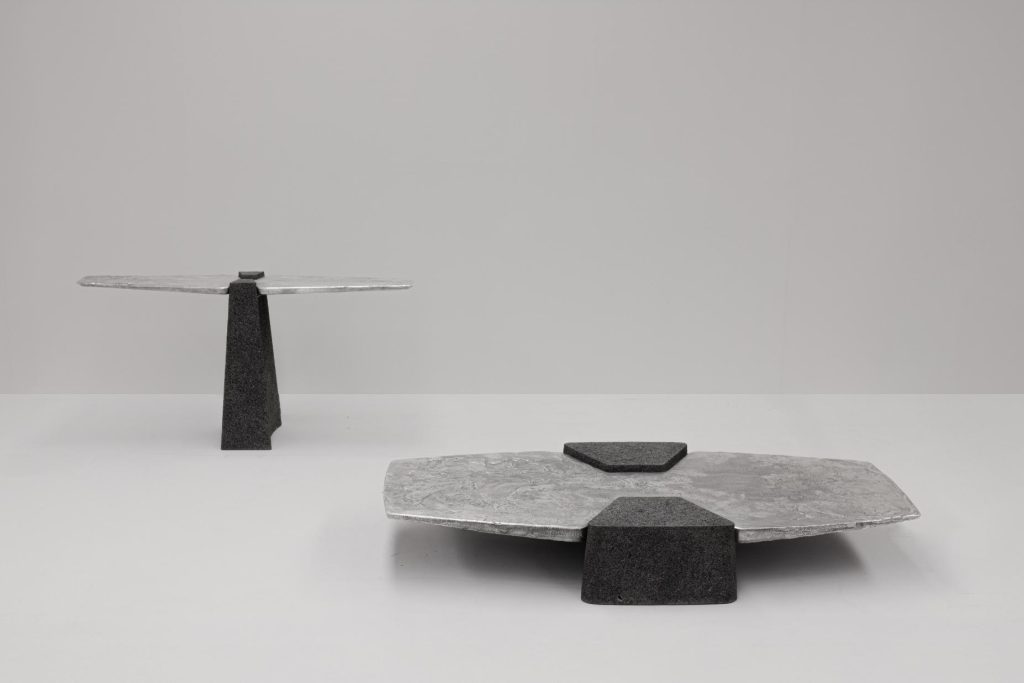
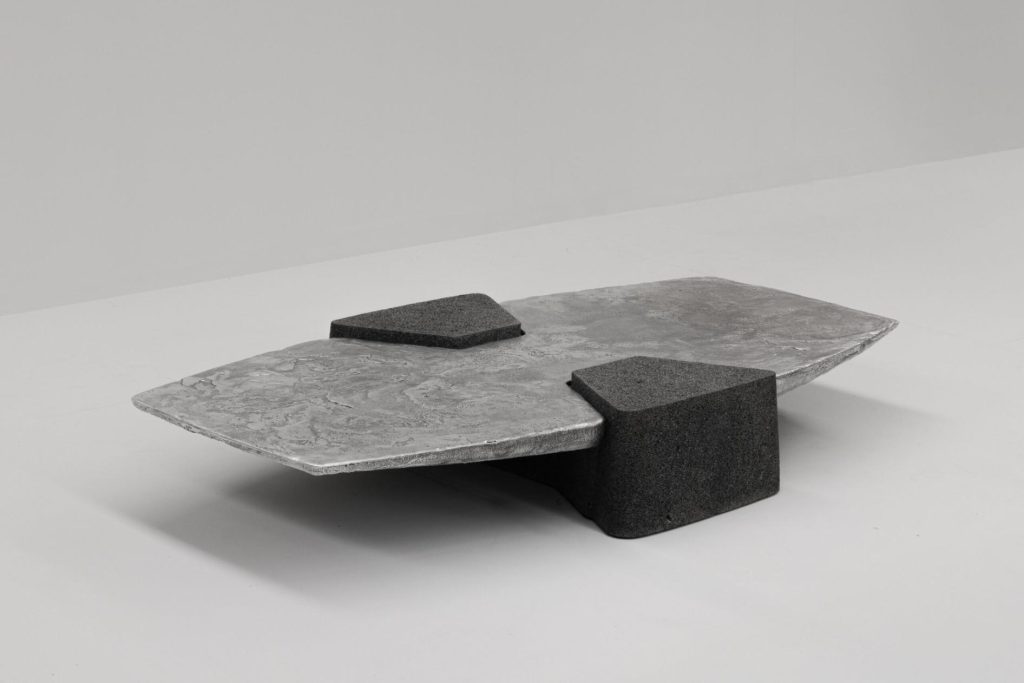
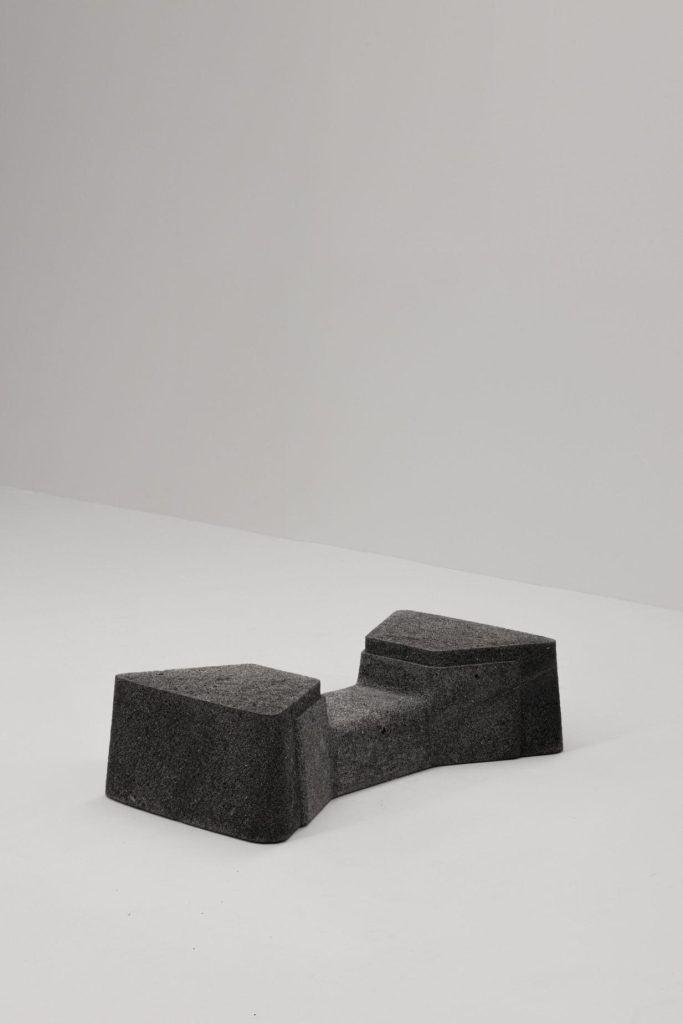
The collection includes a console, a coffee table, and a mirror. Each piece is produced through sand-molded casting combined with volcanic stone bases.
Volcanic stone holds a strong cultural presence in Purépecha history, having been used in pyramids, plazas, ceremonial objects, and sacred sculptures. Its presence in Exhuma not only supports the structure of the furniture but also strengthens its symbolic link to ancestral architecture and rituals.
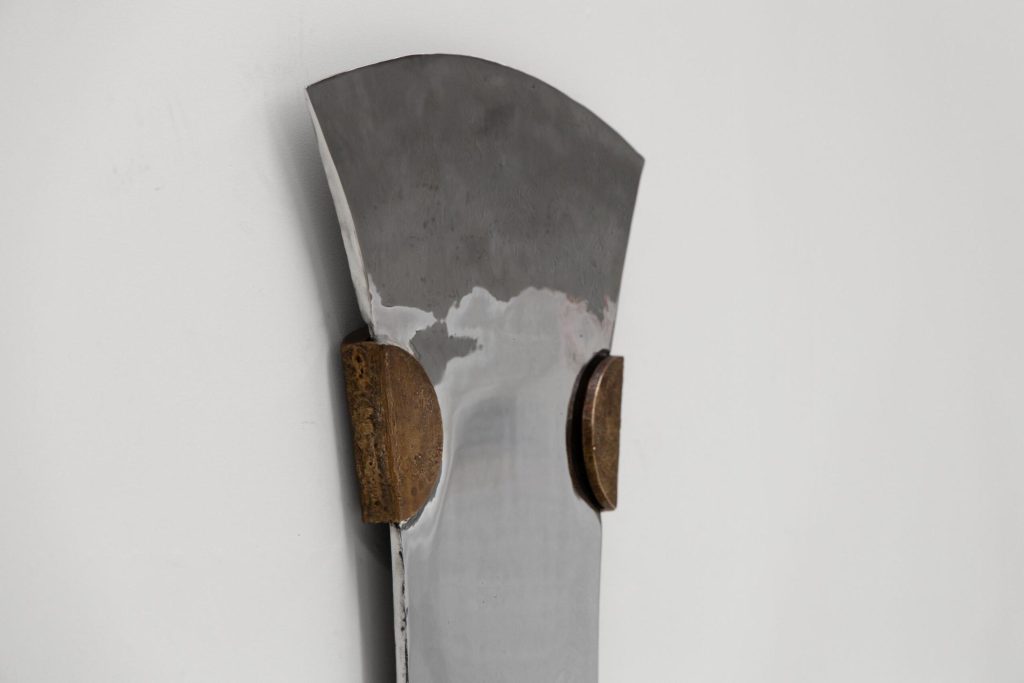
The Exhuma console unites a hand-polished metal surface with a solid volcanic base, recalling ritual jewelry while functioning as a contemporary object. The coffee table emphasizes contrast between the smoothness of cast metal and the natural roughness of stone, balancing aesthetic tension with symbolic depth.
The mirror references the tajadero and reinterprets the concept of reflective surfaces in pre-Hispanic cosmology, when mirrors were considered portals to spiritual realms. Through this reinterpretation, the piece combines artisanal heritage with the metaphysical meanings of reflection.
By fusing historical processes with present-day craftsmanship, EWE Studio highlights the resilience of Purépecha artistry and its ability to inspire new forms of design. Exhuma is not only a collection of functional objects but also a statement of cultural continuity and respect for indigenous knowledge systems that continue to resonate.
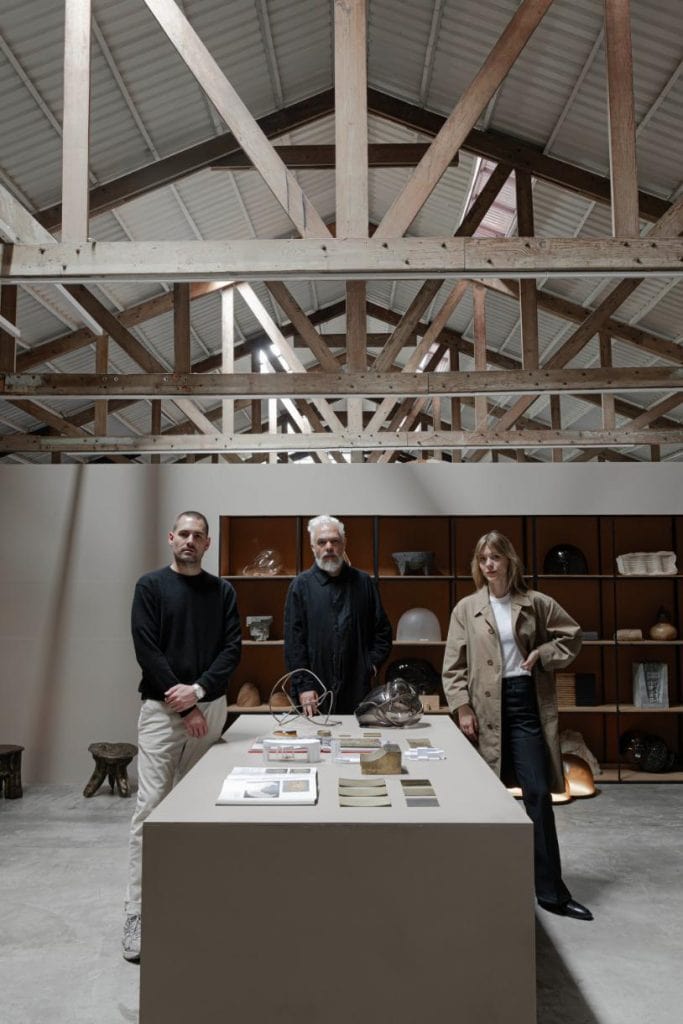
Photography by Alejandro Ramirez Orozco, with courtesy of Ewe Studio
Ewe Studio: https://ewe-studio.com/