Golden Ruins by Theo Galliakis transforms classical architecture into collectible design
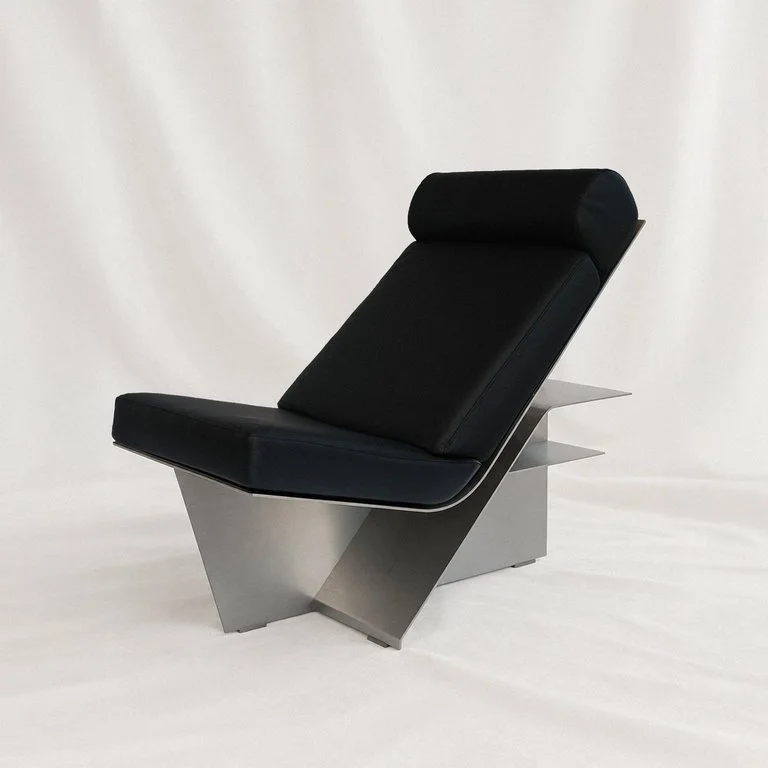
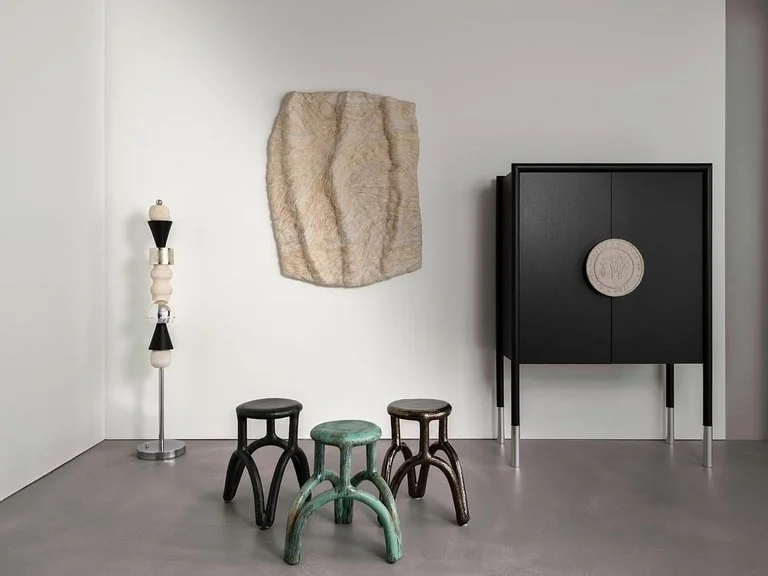
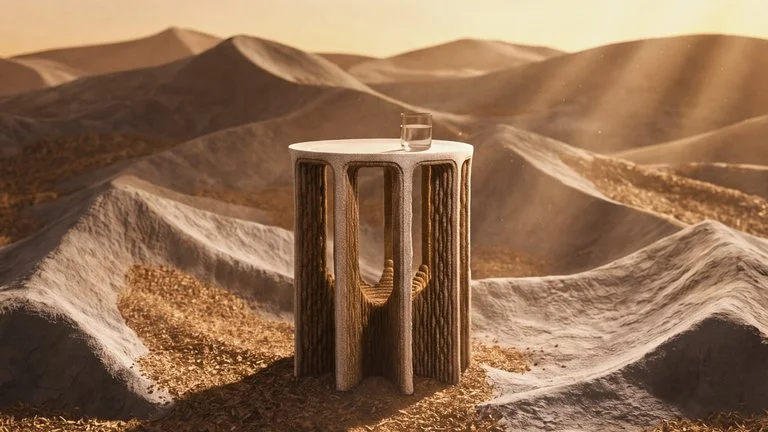
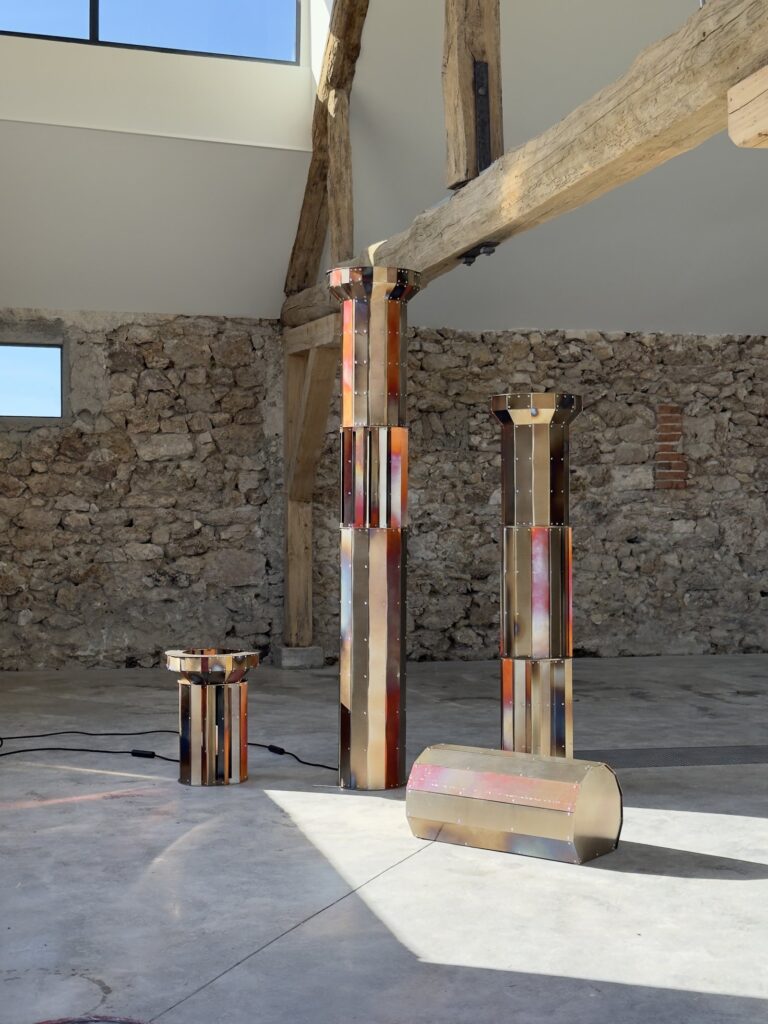
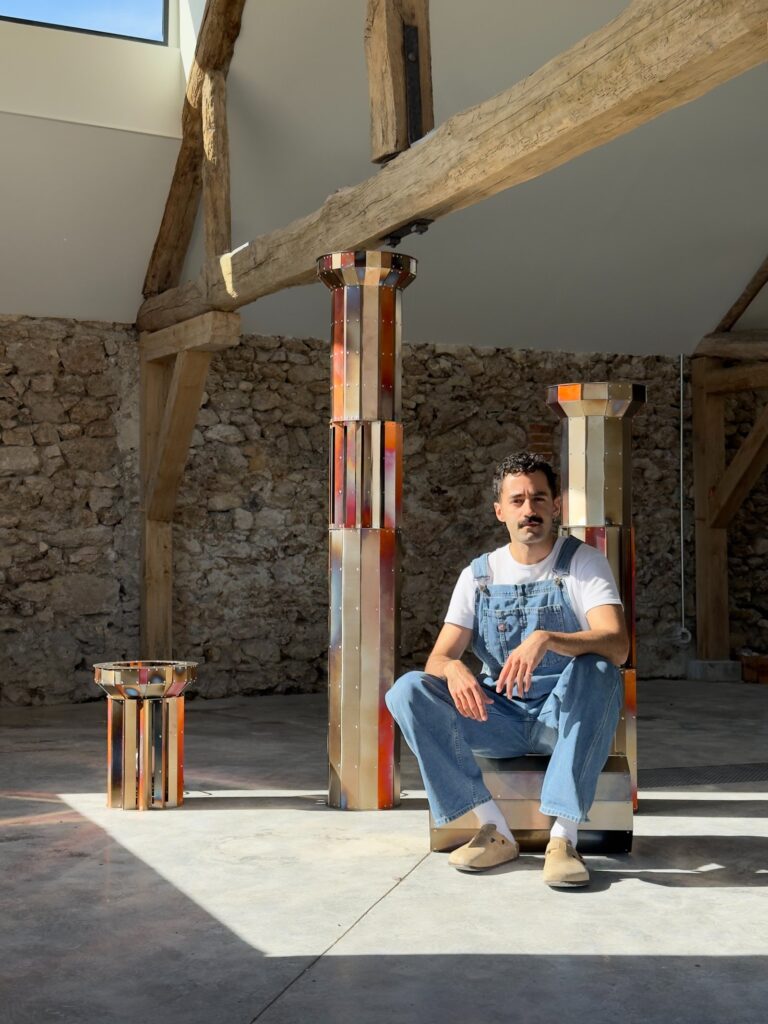
Golden Ruins by Theo Galliakis transforms the architectural memory of the Greek fluted column into a limited-edition collection of functional objects. Developed as an installation of collectible design, the project includes a floor lamp, desk lamp, stackable stools and a long bench, each carrying the visual language of classical ruins into contemporary domestic space.
The collection begins with one of the most recognisable forms in architectural history: the column. In ancient Greece, the fluted column was not only a structural element, but a symbol of order, permanence and civic identity. Galliakis takes this loaded figure and removes it from the monument, reducing it to fragments that can be used, moved and inhabited. What once supported temples becomes a lamp, a seat, a bench, or a surface for everyday life.
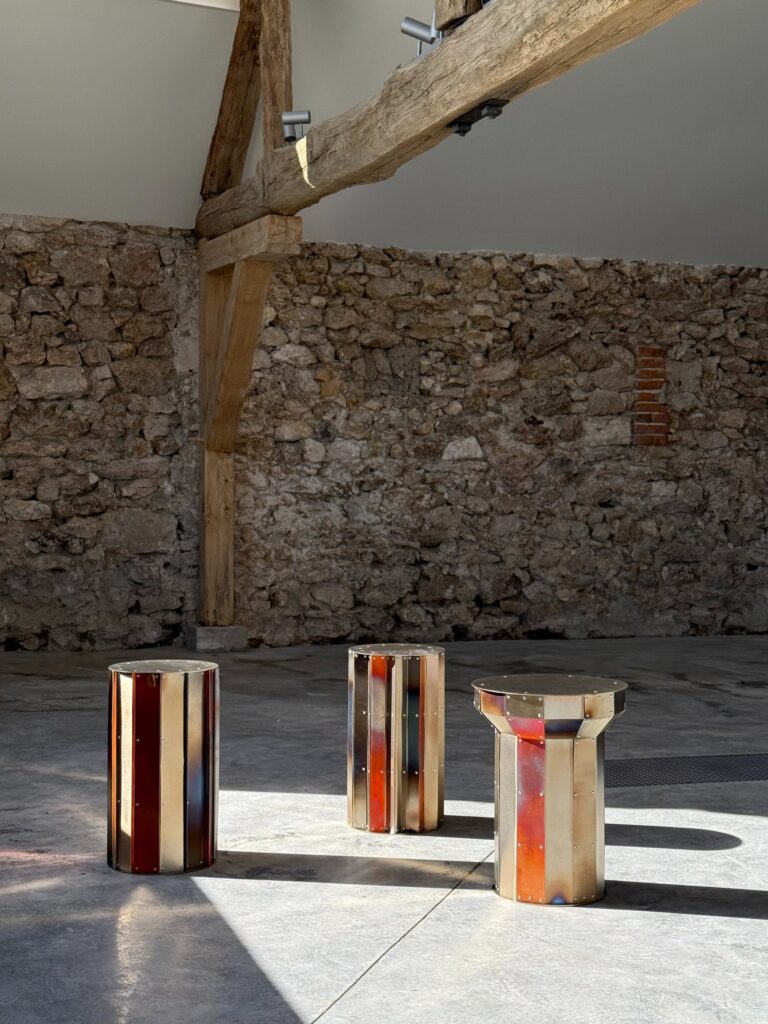
Golden Ruins is built on a deliberate contradiction. The pieces appear precious, almost ceremonial, through their deceptive gold finish, yet they are described as ruins. This tension gives the installation its conceptual force. Gold usually suggests value, endurance and triumph, while ruin speaks of collapse, time and disappearance. By placing the two ideas together, Galliakis asks whether the image of a glorious past can still hold meaning when translated into the present.
The Theo Galliakis project also questions how history is consumed through design. Classical forms often return as decoration, stripped of the political, spiritual and architectural systems that produced them. In Golden Ruins, the column is not treated as a nostalgic ornament, but as a material memory under pressure. Its fluting becomes rhythm, texture and silhouette; its monumentality is compressed into functional scale.
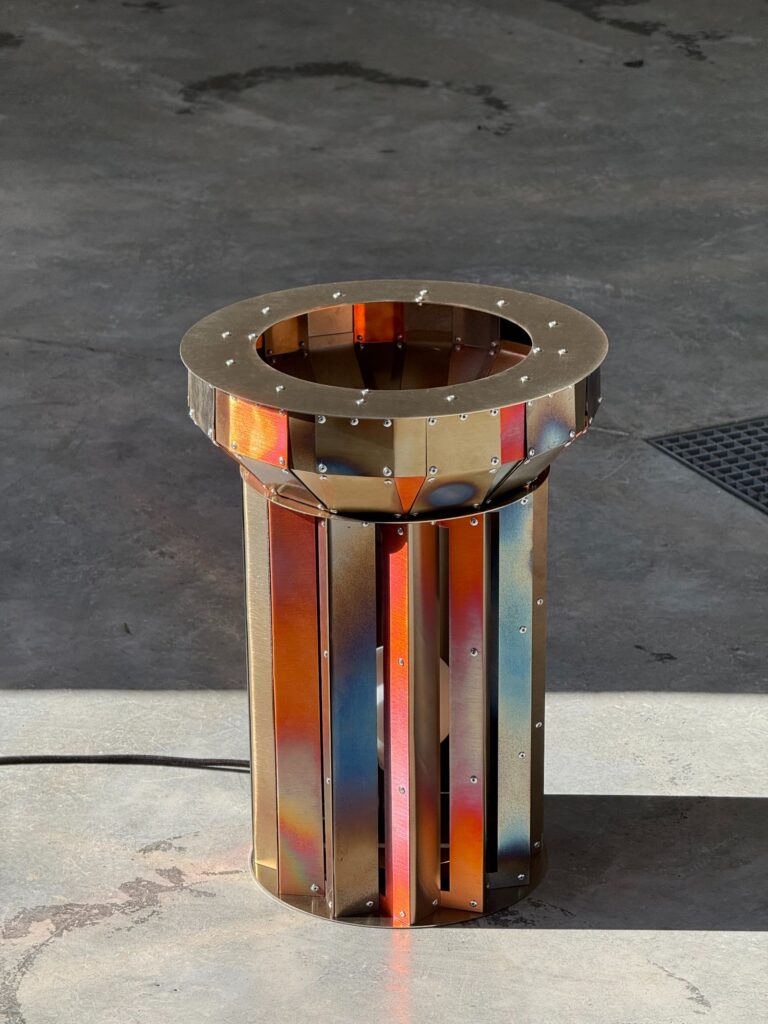
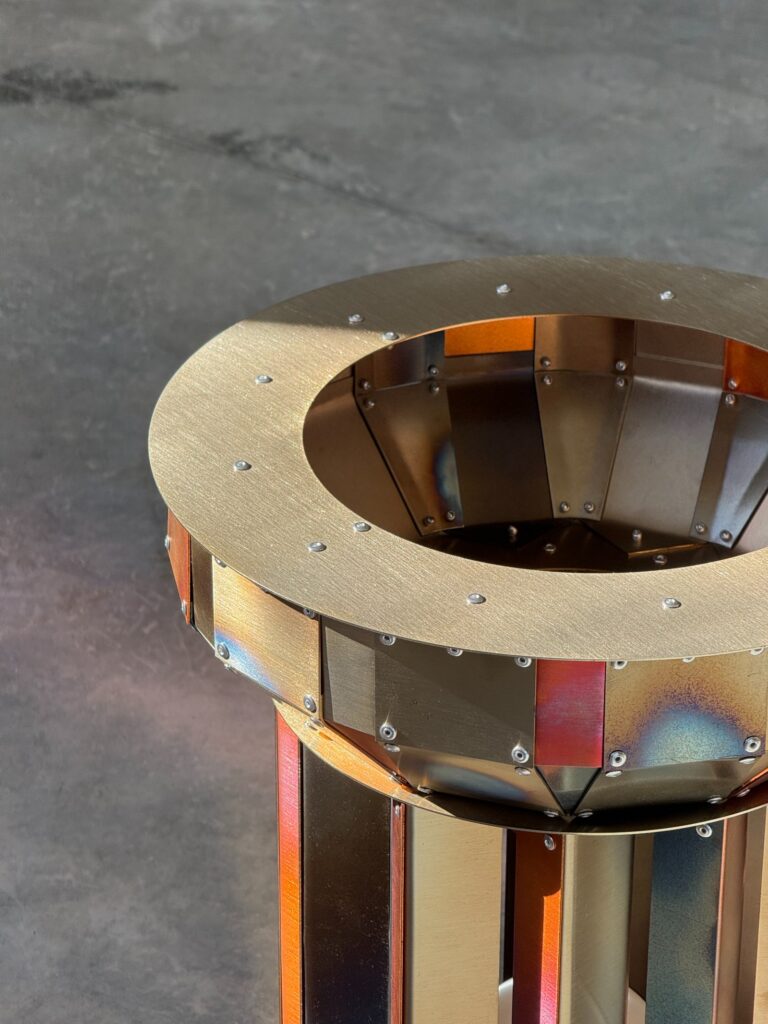
Function gives the installation a second reading. The floor lamp and desk lamp turn the column into a source of light, while the stackable stools and long bench transform architectural fragments into places of rest. These objects do not reconstruct antiquity. They make the ruin usable, bringing the language of the past into contact with the gestures of sitting, gathering, reading and illumination. The collection becomes less about preservation than about transformation.
Produced in a limited edition of eight, each piece is signed and accompanied by a certificate of authenticity. This editioned format places Golden Ruins within the field of collectible design, where furniture, sculpture and architectural reference often meet. The limitation also sharpens the project’s relationship to value, echoing its central question: what makes an object precious, its material appearance, its cultural memory, or the story projected onto it?
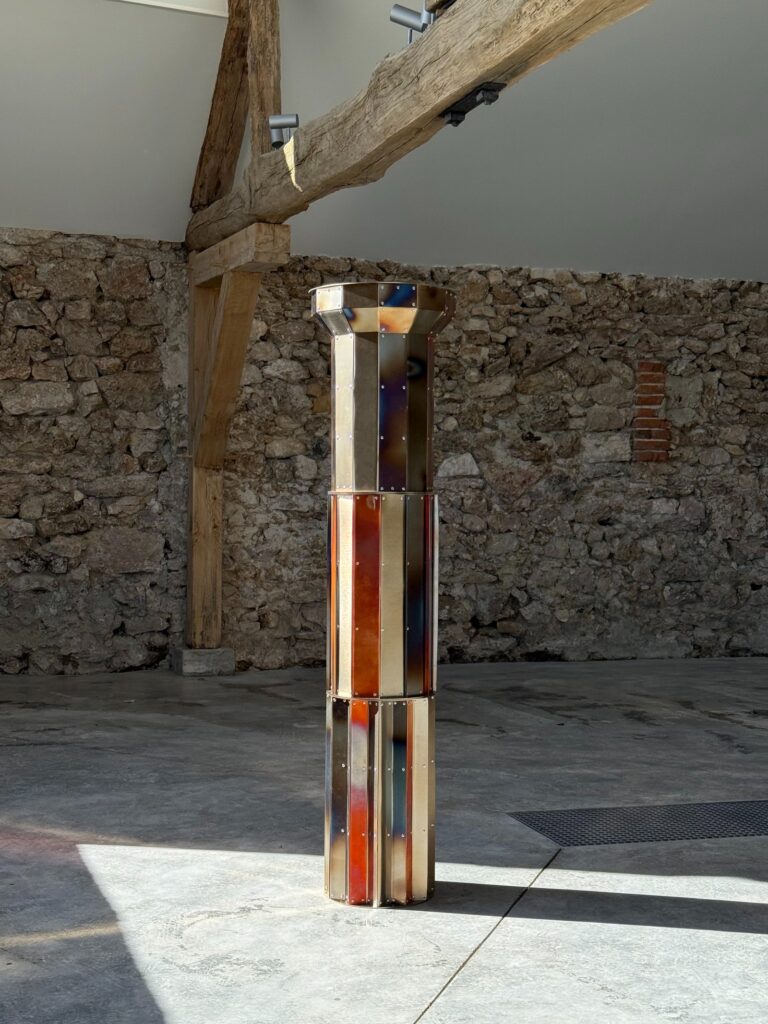
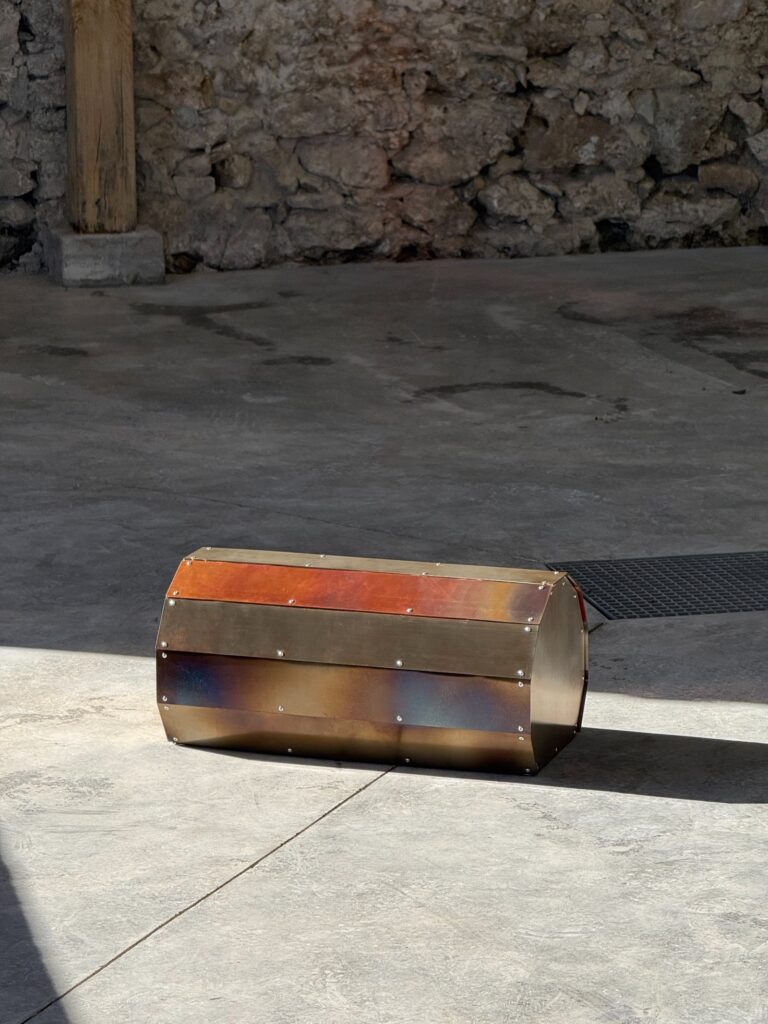
Theo Galliakis, born in Crete in 1994, works between Greece and France across objects, furniture, spaces and installations. Trained in architecture at Aristotle University of Thessaloniki and in Geo-Design at Design Academy Eindhoven, his practice is shaped by material transformation, spirituality and simplicity. With Golden Ruins, he turns the classical column into a contemporary design language, where the past is not restored, but reassembled as a series of luminous and functional fragments.
All images courtesy of Theo Galliakis
Theo Galliakis website: https://theogalliakis.com