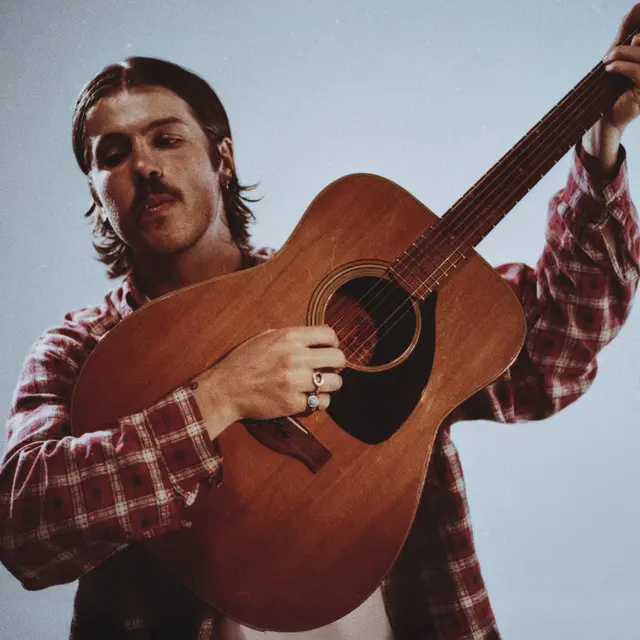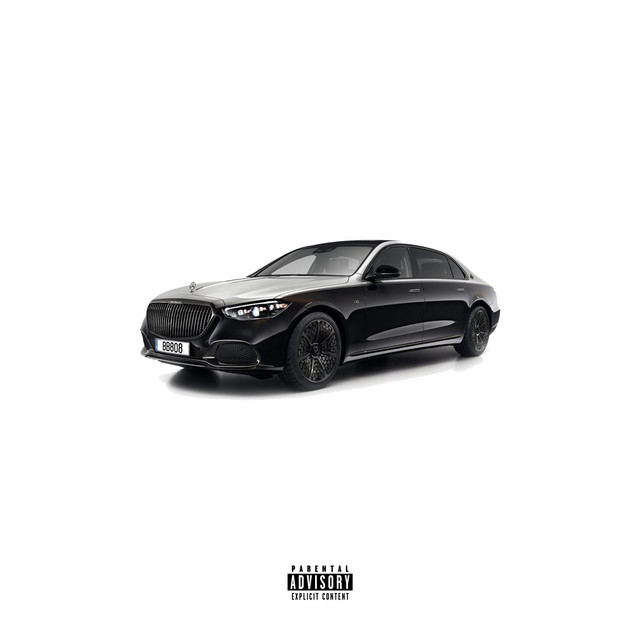
BlueBerry’s “Maybach” treats the luxury car the way a boxer treats the title belt, a piece of hardware you stare at across the ring, and the staring is the work. Sung in French, the hook spells the trade out in one line: “Peut être un jour j’aurais la Maybach, Bosse tous les jours pour le paycheck.” Years instead of months is the price the speaker has agreed to, and the price shows up in lost friendships, missing evenings, and bad dreams in place of rest. BlueBerry is in the middle of the trade, and the song is the receipt the speaker is willing to sign.
The contradiction inside “Maybach” is that the song does not flinch from the price. A song about wanting a luxury car could be a wish list, but BlueBerry turns it into a bill of sale. The past choices. The alcohol. The weed. The bad dreams. The relationships that fell apart because of mistrust, lack of time, or the fact that the speaker is not around to maintain them. “Bosse tous les jours pour le paycheck” is not a brag. It is the line a person says to themselves on a bad morning, and the song is the small, public version of that private decision.
“Maybach” leaves the listener in the middle of the trade, with the car in the showroom and the days still being worked. BlueBerry does not pretend the car is here, and the song does not lie about the work. The hook plays one more time, and the listener walks out the same way they walked in, with the same grind, except there is a melody now where there was none.