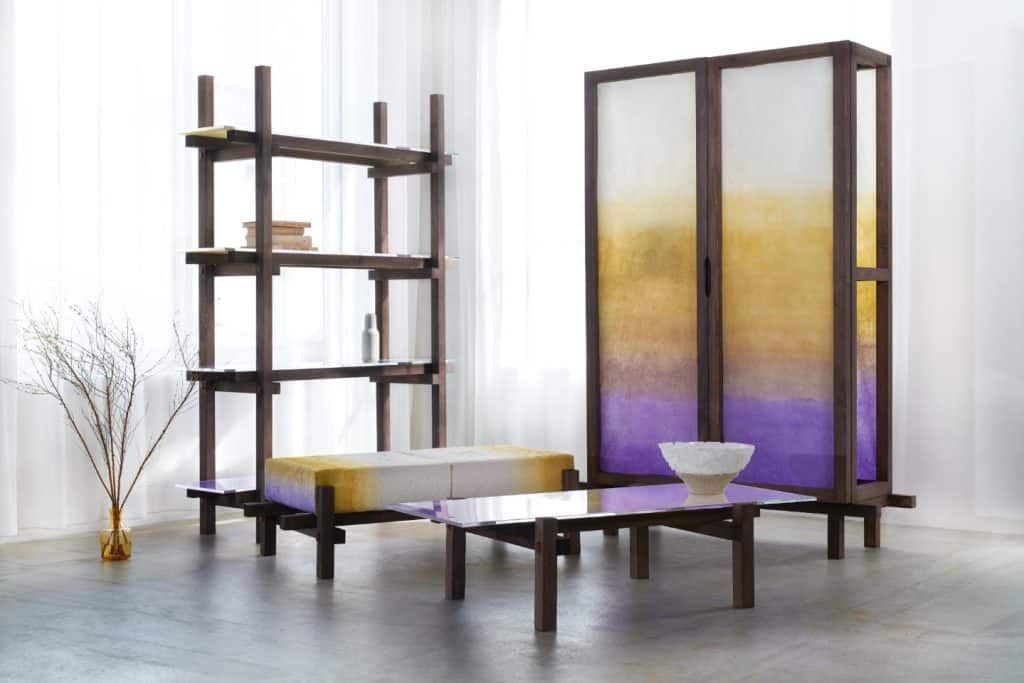
Japanese craftsmanship endures through Hideyuki Yamazawa’s poetic installation
Hideyuki Yamazawa’s Was There extends beyond conventional design, positioning absence as a living presence within contemporary culture.
Crafted with a refined sensitivity to heritage and temporality, the work channels endangered Japanese crafts, handmade washi paper, natural dyeing, and woodworking, into an intimate dialogue between memory and modern expression.
Rather than anchoring itself in nostalgia, it suggests continuity: that fading traditions persist as quiet currents shaping identity and perception. The installation’s material choices reveal a nuanced orchestration of texture and tone, offering a physical testament to impermanence without finality.
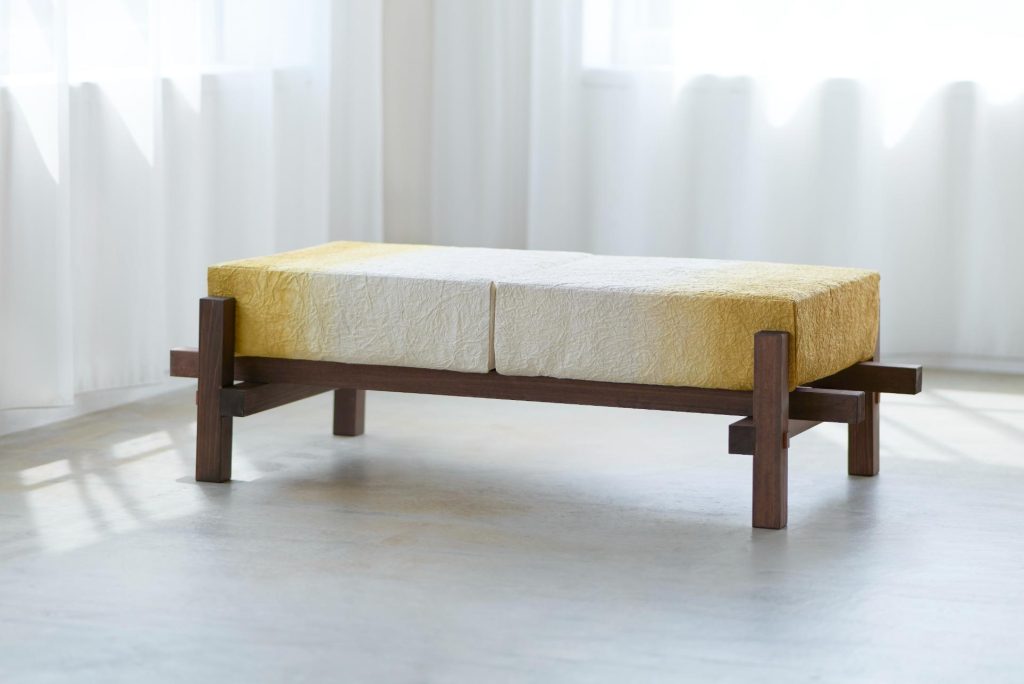
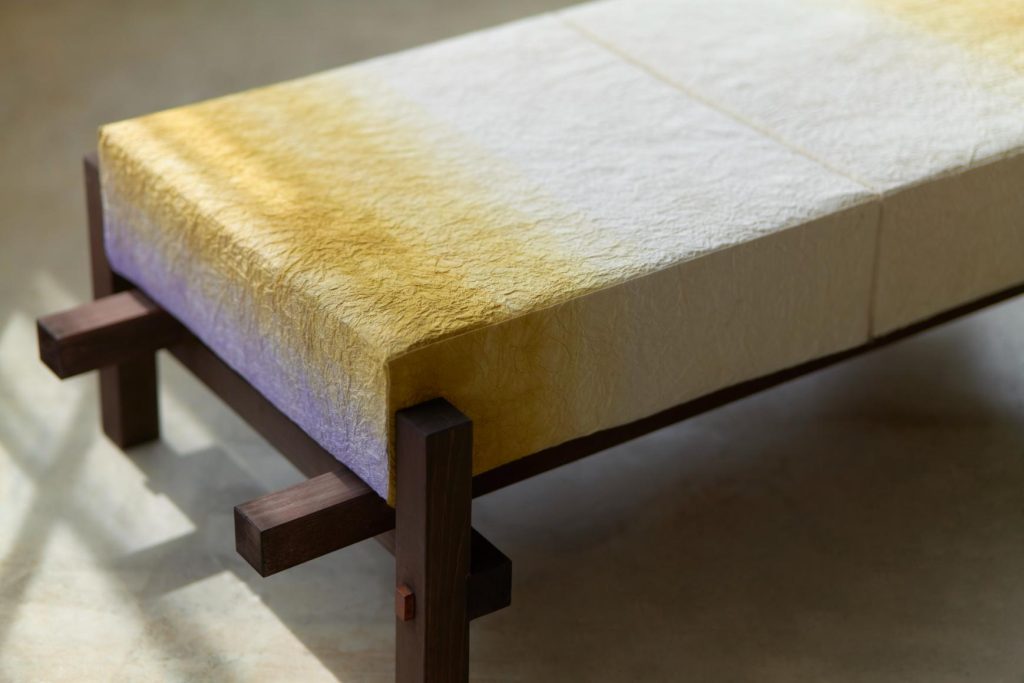
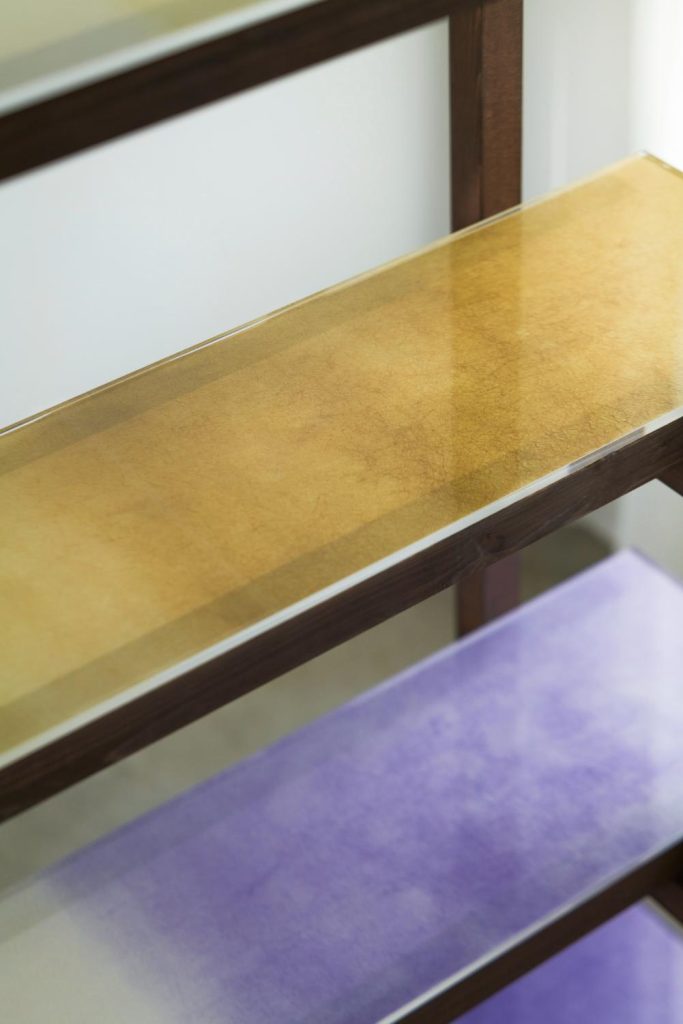
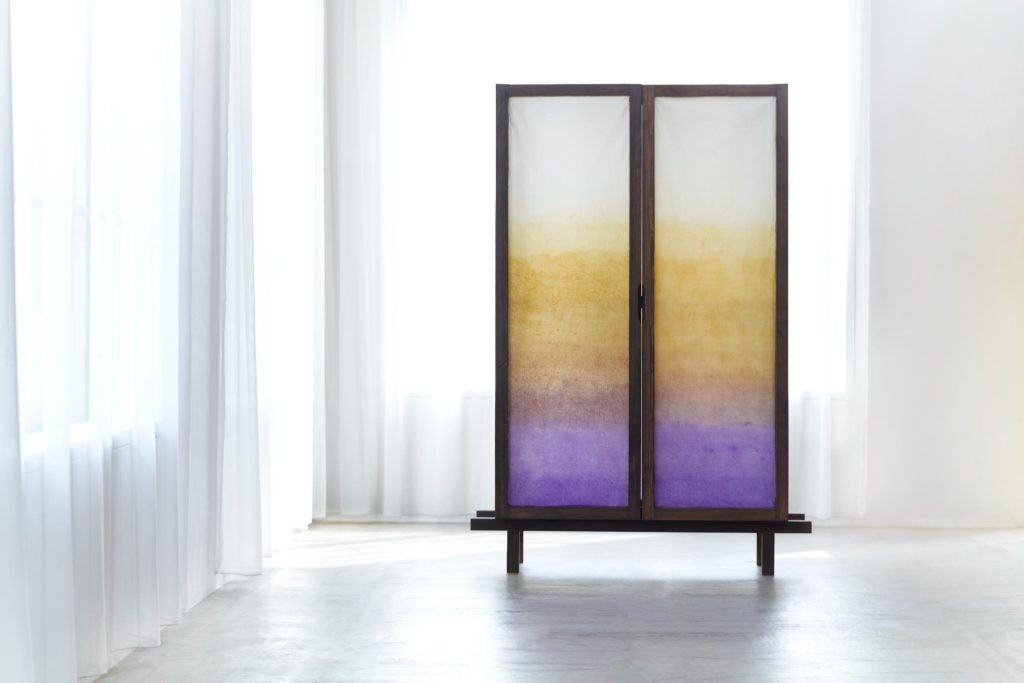
The white expanses of washi paper emerge as a prelude to form and color, a suspended moment before creation takes shape. Fleeting gradients of purple and gold surface within this whiteness, evoking memory’s fluid nature: sometimes vivid, sometimes dissolving.
This interplay of material and color positions the work as an emotional field rather than a static object, encouraging viewers to sense what remains unseen. It situates memory not as an artifact of the past but as an active, shaping force that lingers even when unnoticed.
Hideyuki Yamazawa’s conceptual foundation resonates with Kakuzo Okakura’s The Book of Tea, which speaks to silence, invisibility, and the subtle transmission of meaning.
Within this framework, Was There acts as a spatial meditation where perception blurs: the edge between body and world, the boundary between intellect and feeling, and the line between presence and disappearance become indistinct.
The piece invites a recognition of what endures, suggesting that loss may not be absolute but transformed, absorbed within us as quiet knowledge.
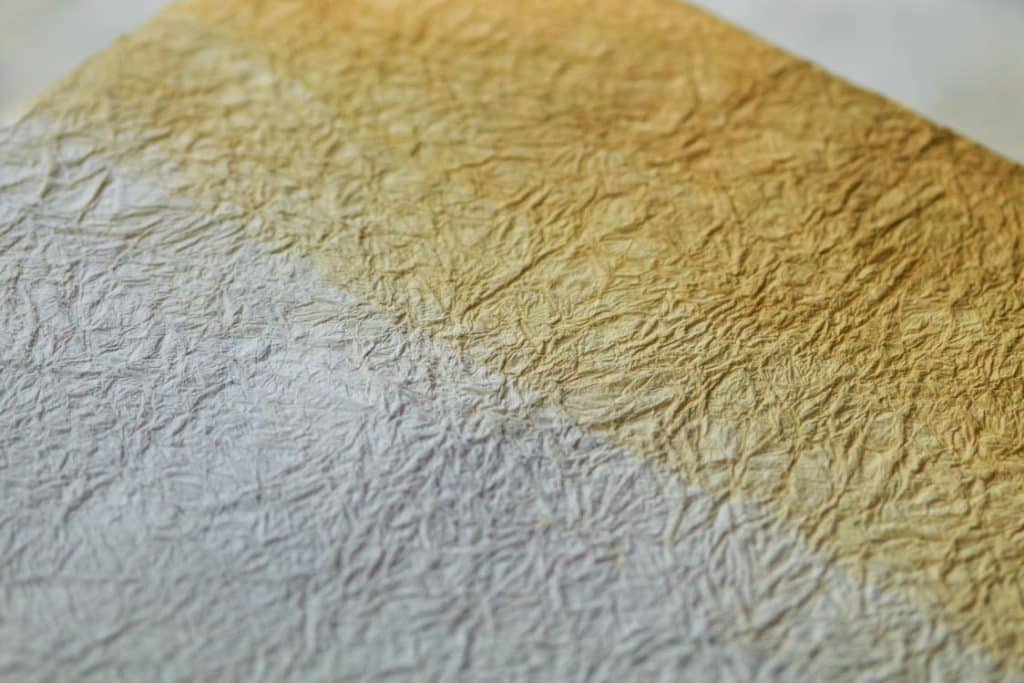
In a cultural landscape where traditional crafts face economic and generational decline, Hideyuki Yamazawa’s approach proposes continuity through reinterpretation rather than replication.
By situating endangered techniques within contemporary art language, the work honors craft as a living process capable of evolving while retaining its essence.
This stance positions design as both an ethical and poetic practice: an acknowledgement that preservation is not static but adaptive, and that heritage can survive by inhabiting new forms and contexts.
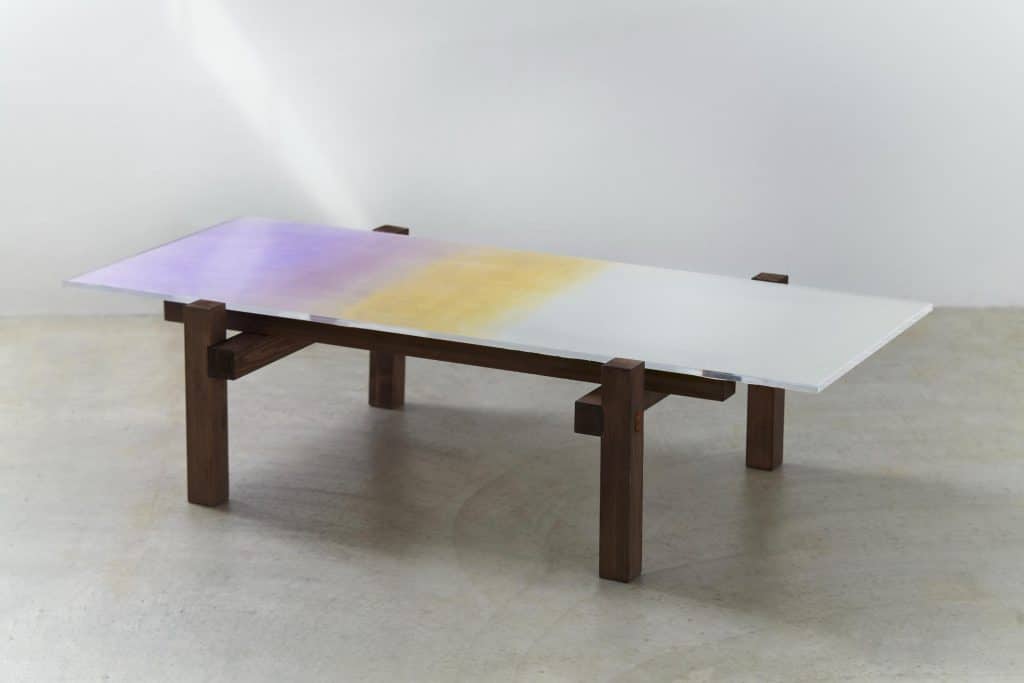
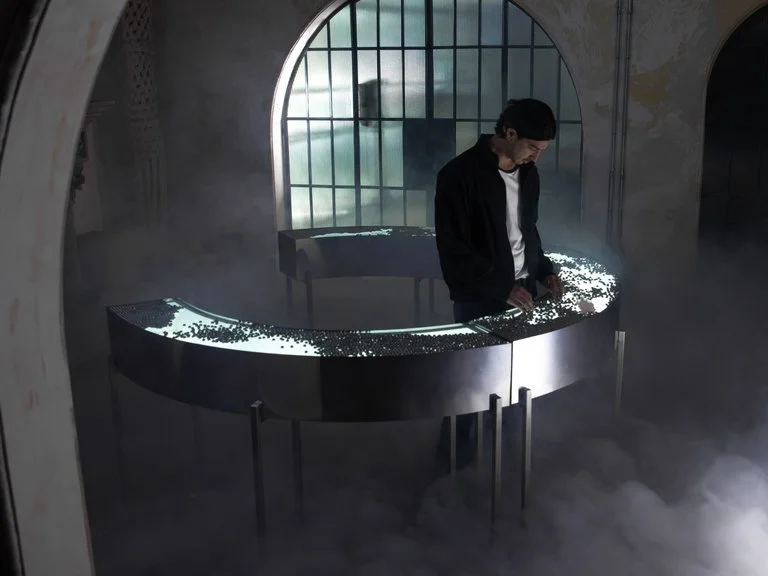
The installation operates on both a sensory and philosophical level, cultivating a reflective atmosphere where viewers engage with silence as substance.
Its subdued presence allows emotional resonance to surface without imposition, making memory’s persistence almost palpable. In this way, Was There is less an object to be observed and more an environment to be felt, one where time, tradition, and perception subtly interlace.
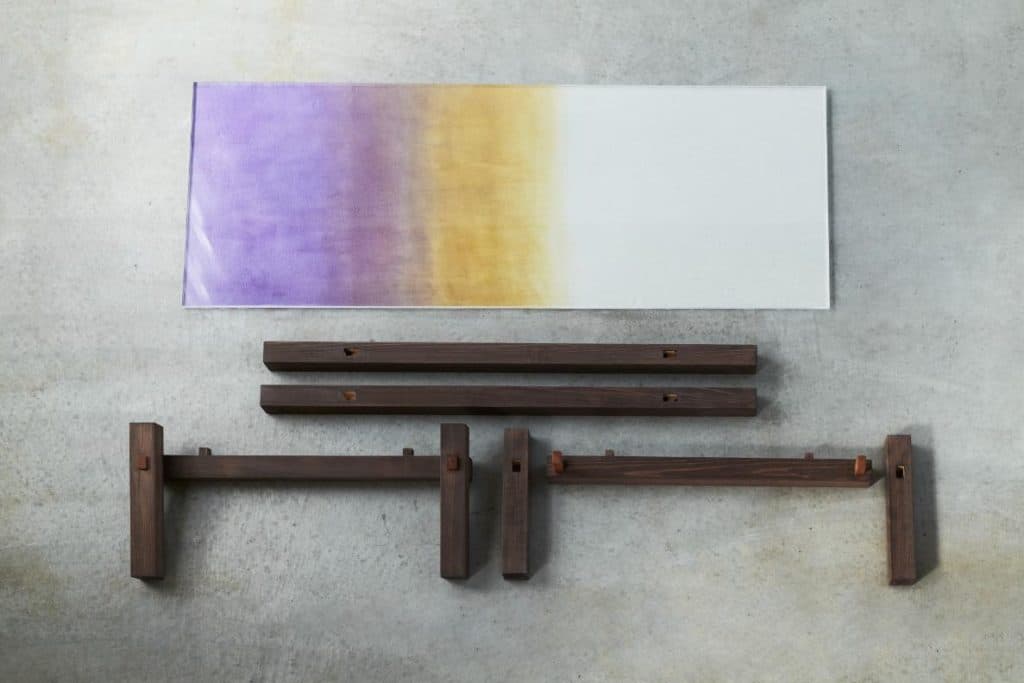
The work’s quiet power lies in its refusal to declare finality. It frames absence not as void but as a space alive with memory, suggesting that what seems to vanish continues to inform the present.
By making this intangible connection visible, Hideyuki Yamazawa underscores how design can hold the ephemeral without diminishing its delicacy.
Through Was There, the artist offers a contemplative gesture: a reminder that even what we believe to be lost may remain with us, unseen yet profoundly influential.
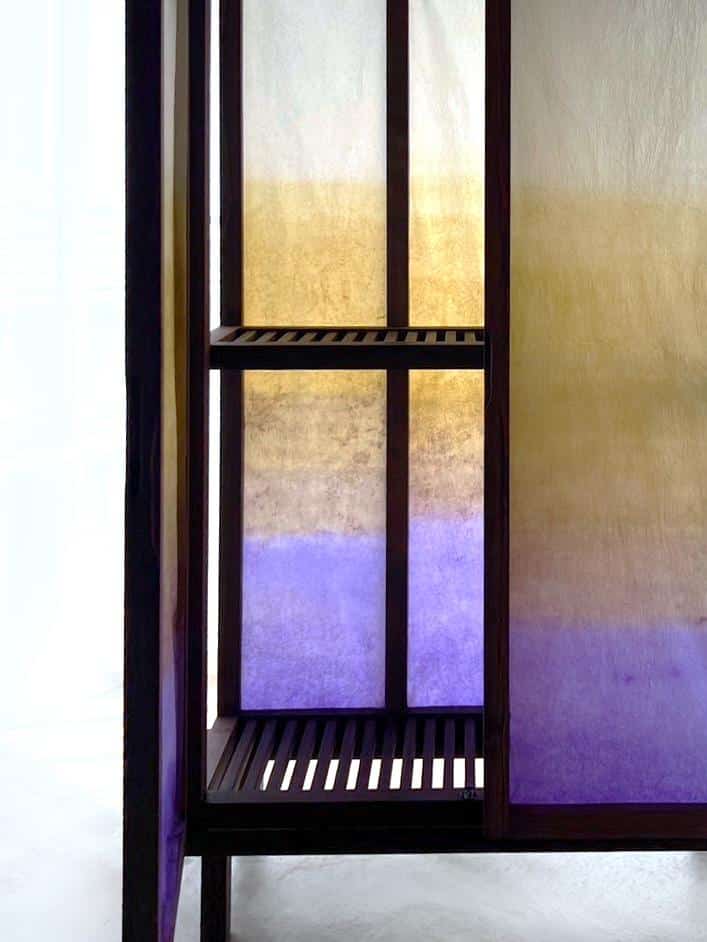
All images courtesy of Hideyuki Yamazawa, shared with permission