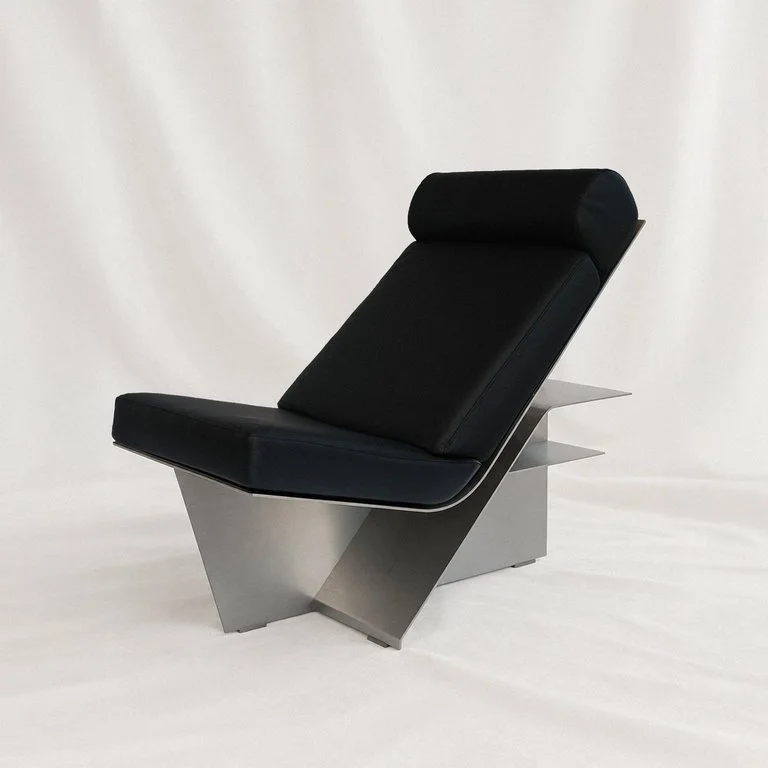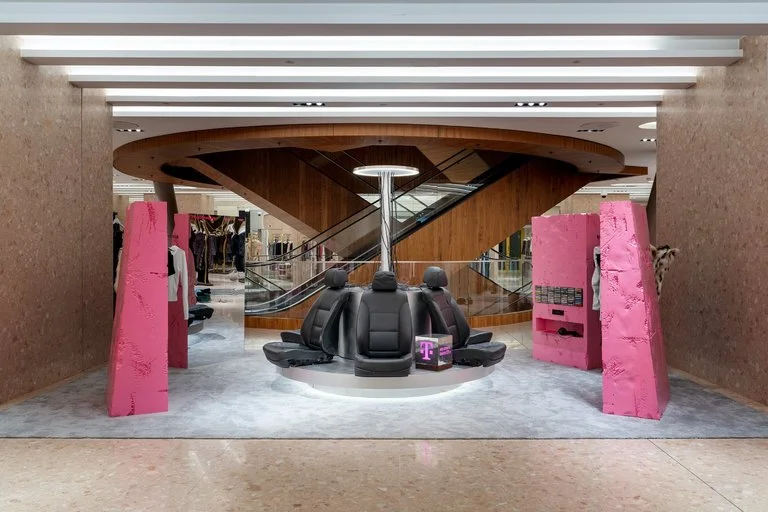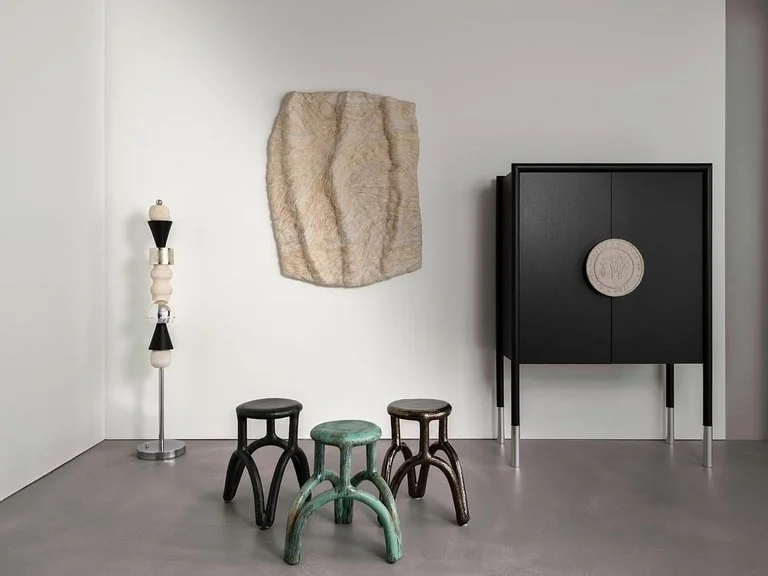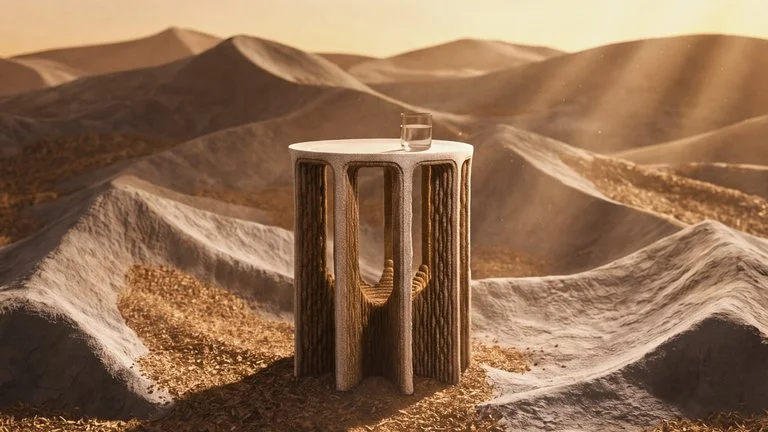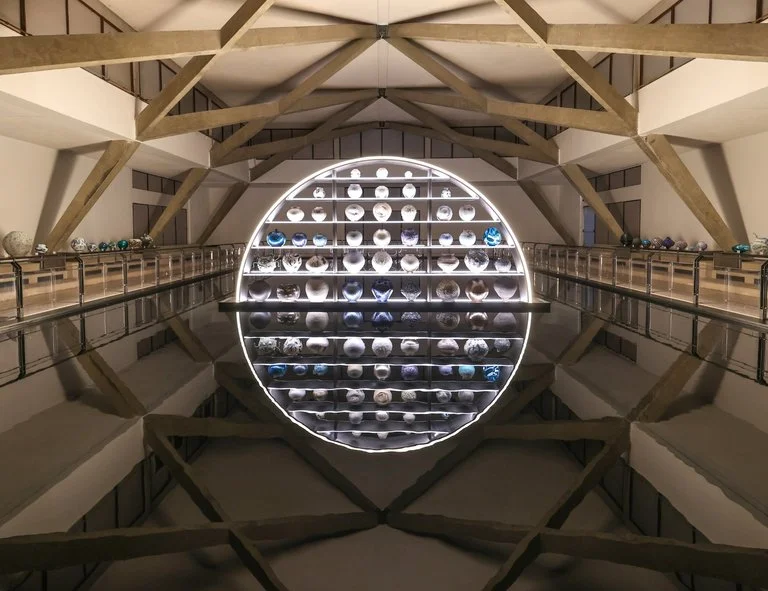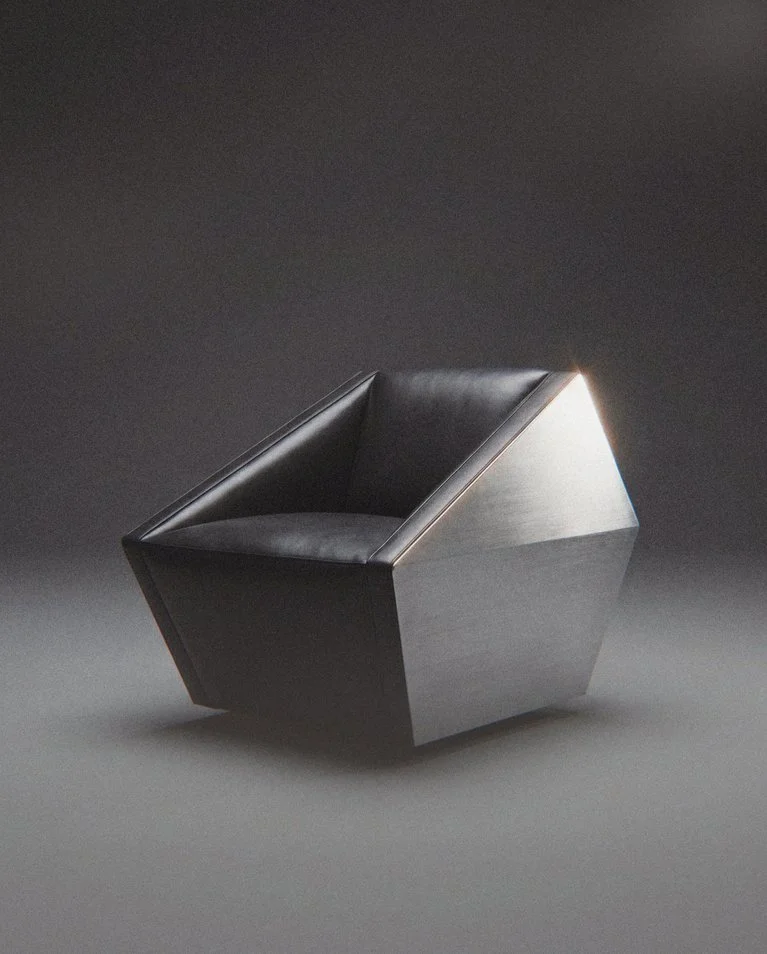
Leonardo Garza approaches design as a form of journaling, a way to process, record, and translate lived experience into objects. Moving between cities, navigating emotional rupture, responding to political urgency, or fixating on music as a recurring thread, his work emerges from moments that leave a trace. Design becomes a quiet register of experience, where feelings are not illustrated, but structured through form, material, and use.
Working under his surname GARZA, the Mexican architect and designer operates between industrial design and self-initiated practice. While his objects retain a clear functional logic, many originate outside of commissions, allowing intimate narratives to surface with greater freedom. Through storytelling, some works move toward the territory of art, occasionally produced in limited editions and entering the realm of collectible design. In this interview, we speak with Leonardo Garza to discover the personal contexts and internal shifts behind a selection of his pieces, tracing how private experience is transformed into tangible form.
You have described design as a form of journaling, a method of processing and archiving lived experience. Could you walk us through how an emotion, event, or personal narrative begins to translate into form? What is the point at which does a feeling becomes an object?
When the genesis of a design originates from a personal feeling or experience you want to communicate, rather than from a commission or a problem to be solved. In those cases, the process feels closer to making art, a way of expressing something internal, but through a design object that still ultimately serves a function.
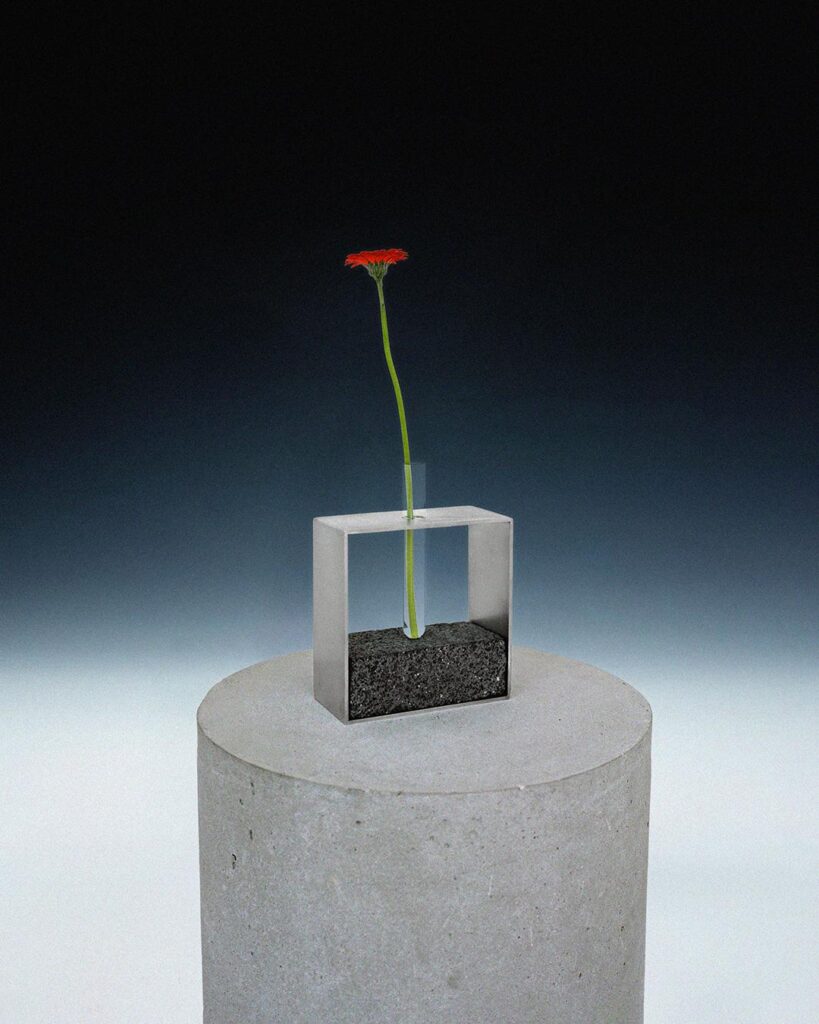
Your work moves fluidly between collectible and industrial design. Is that permeability something you pursue intentionally, something shaped by circumstance, or simply the result of ideas finding the form they need?
More of the latter, allowing ideas to take shape in their purest form, and letting them live in the world that suits them best. I think both collectible and industrial design have their own strengths, and I appreciate being able to move between them as new work demands.
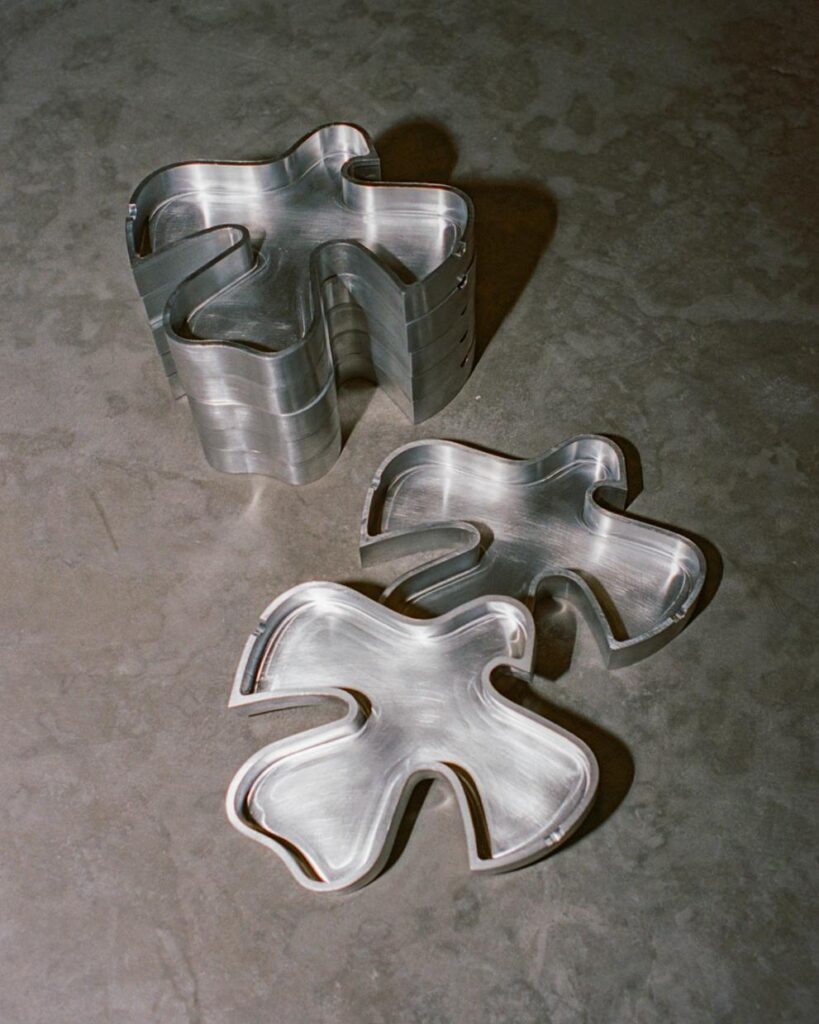
With the Dove Ashtray, design became a channel for political awareness and solidarity. At what point did you recognize that objects could intervene in social or geopolitical narratives rather than merely reflect personal ones?
I think social and geopolitical narratives are inevitably part of us, they shape how we move through the world. Objects have always held the power to speak to the themes we want them to carry. Living in a moment where we are witnessing a genocide unfold in real time, it felt natural to express concern and, hopefully, bring awareness to those who may be uninformed or disconnected from the subject, while also using the piece as a way to help raise funds in support.
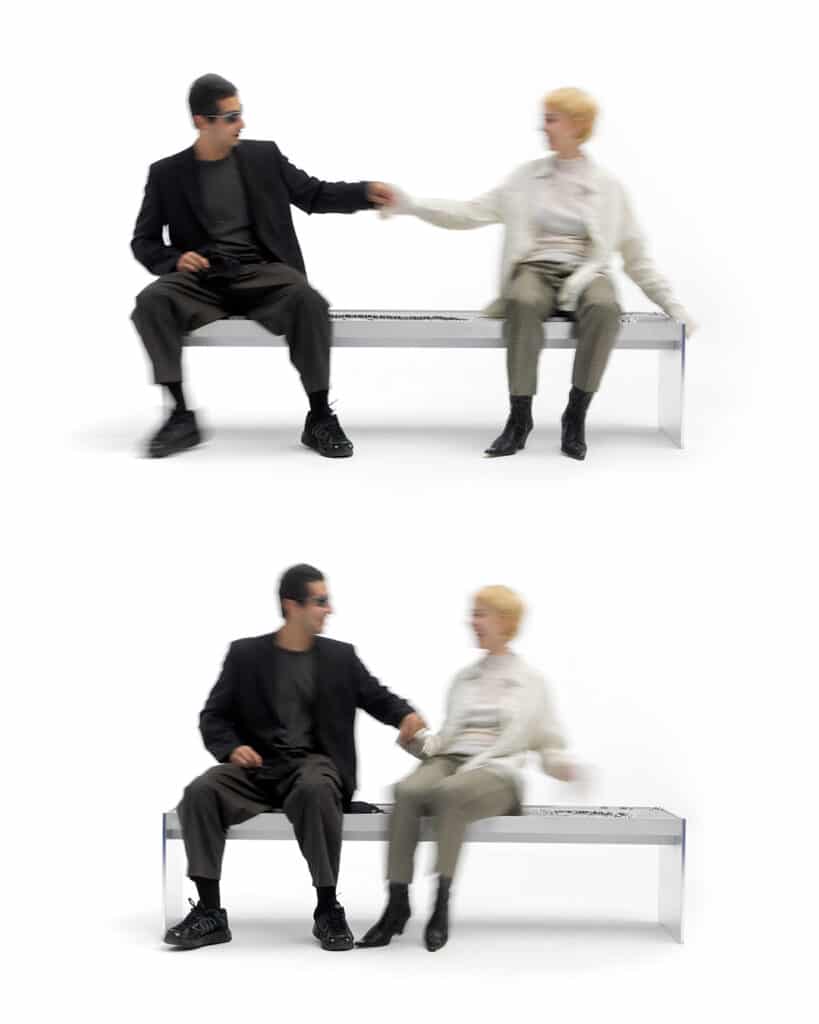
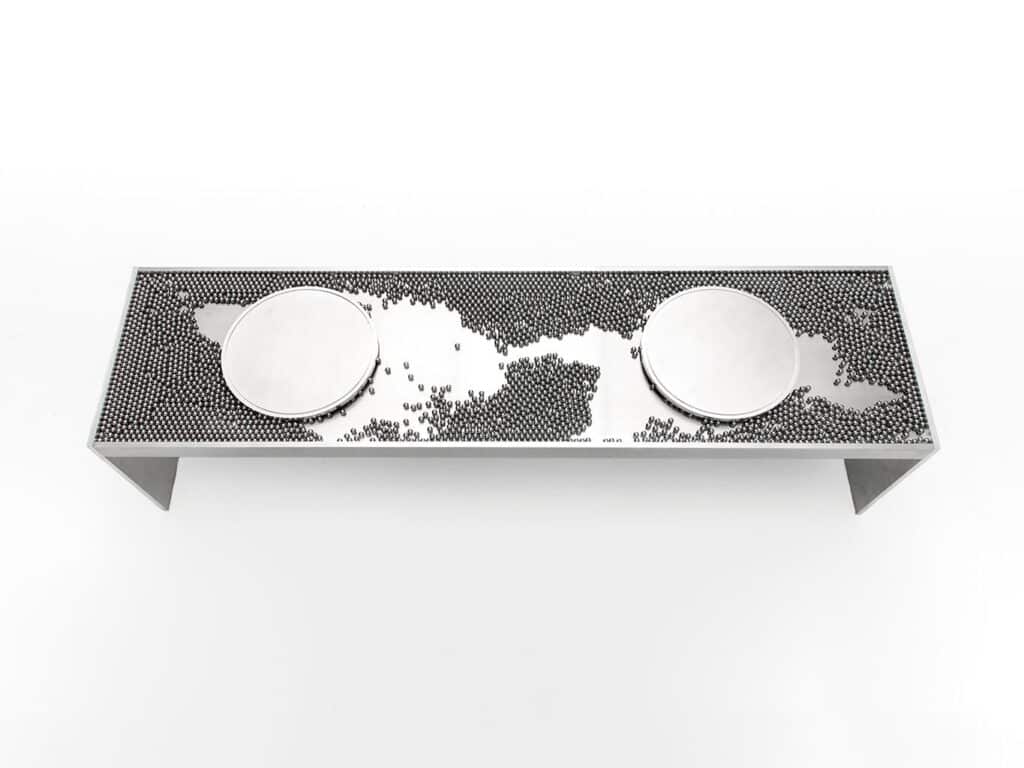
Move a Little Bit Further transforms relational tension into performance, allowing two people to negotiate emotional distance through physical space. When designing it, were you aiming to understand the breakup, or simply externalize a moment so it could be seen differently?
Both. Developing the piece became a therapeutic way to process the breakup, and by flipping the original concept from Nina Farkache’s work, I wanted to emphasize the importance of temporary space as a means of decompressing and healing.
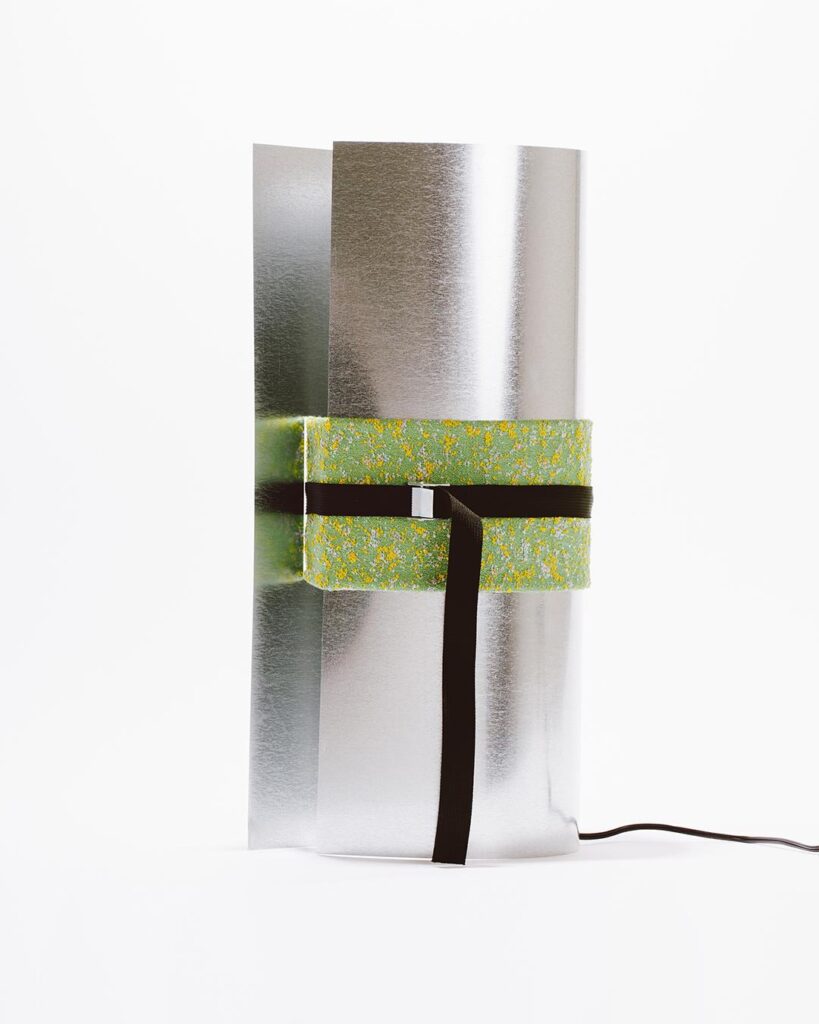
The Hug Lamp emerged during a transitional moment between cities and was created from leftover textile samples. How do material constraints, resourcefulness, or the act of repurposing influence the way ideas surface within your practice?
It frees your mind from your usual creative process and challenges you to think outside the box. Often, it leads to outcomes and ideas you wouldn’t arrive at otherwise.
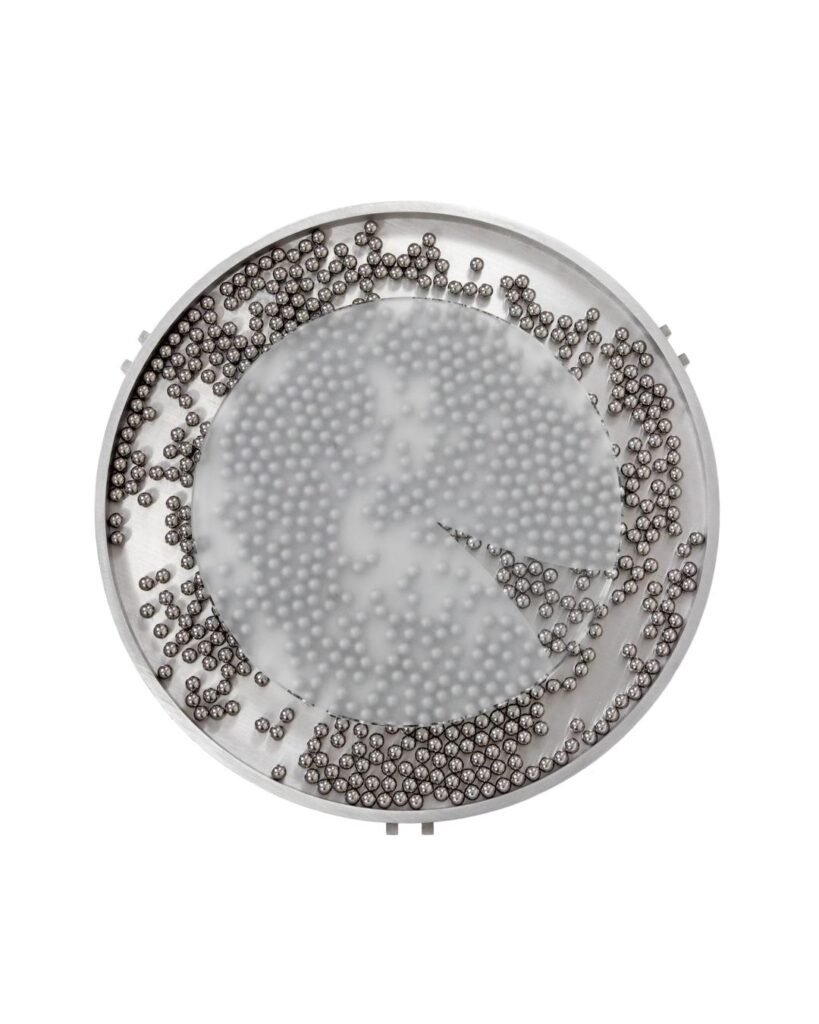
Lily materializes themes of rebirth and renewal and arrives during a period of personal transformation. Do you tend to consider a piece ‘finished’ when the object itself is resolved, or when the internal chapter that produced it comes to a close?
Usually when the object itself is resolved, though that can be challenging when you’ve already moved into another chapter of your life. When possible, I try to produce a piece quickly, to encapsulate the moment while I’m still living through it. The making process often becomes a form of therapy in itself, helping me move through that chapter.
Sometimes, however, an idea takes longer to materialize. In those cases, I have to hold on to the original intention in order to translate it faithfully, even if I’m no longer in that emotional space. That’s when it becomes more difficult, you’re expressing something from your past, and reconnecting with a feeling you’re no longer inhabiting.
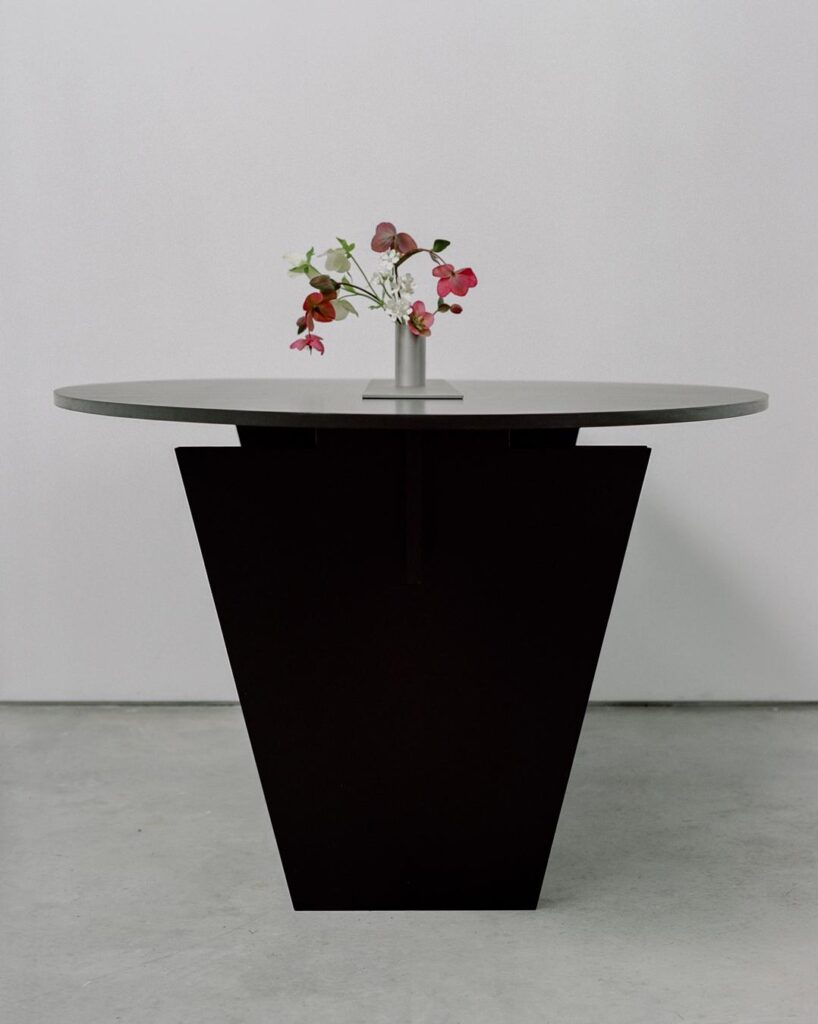
Contemporary creative culture rewards speed, visibility, and constant output, often at odds with the slower rhythms that meaningful work requires. How do you protect slowness, intentionality, and integrity within your practice in a moment that favors acceleration?
I try to stay detached from others’ rhythms and focus on releasing work that feels meaningful and worth sharing. If I can move faster without compromising quality, that’s great, but I’m mindful of maintaining a pace that preserves integrity. I’m not interested in constant visibility at the expense of my principles. Quality over quantity remains central to my practice, and I tend to think long term, aiming to build a body of work made only of things that truly matter to me.
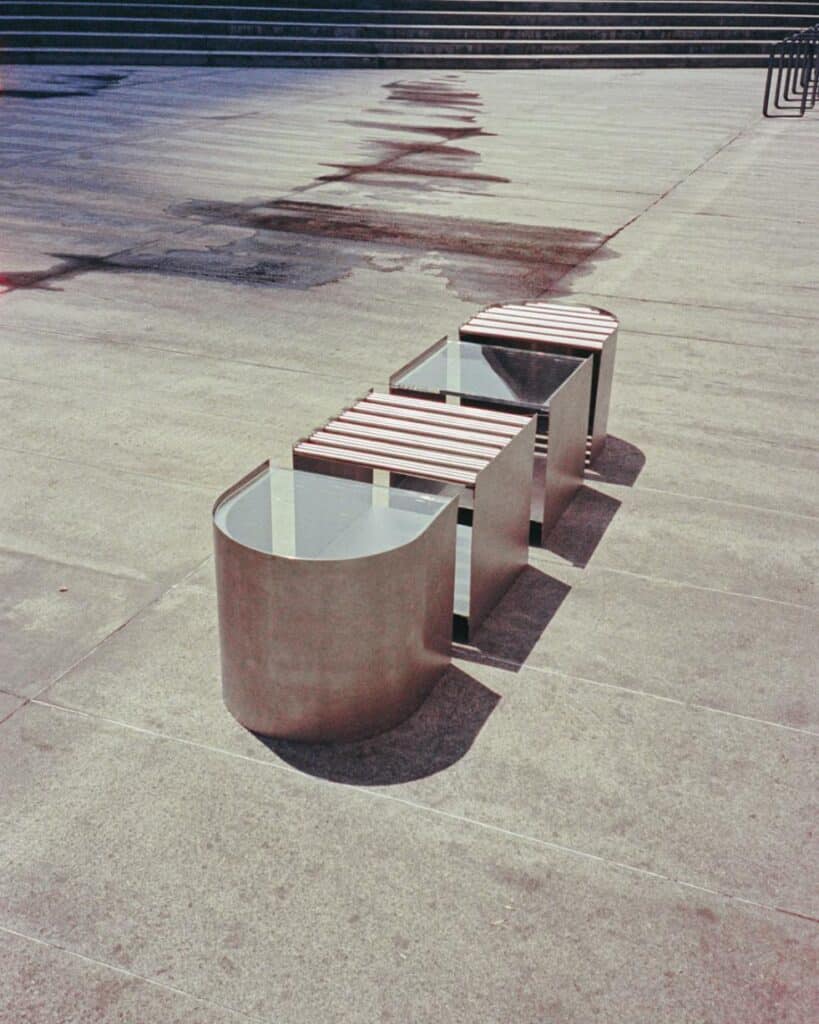
What interests do you sense are permeating into your new work? What themes, transitions, or obsessions are currently shaping the next entries?
Playfulness and a sense of interaction are increasingly present in my new work. I’m also thinking more broadly about how I frame each piece, creating a distinct moment around its release. At the same time, I’m interested in bringing fashion and music creators I admire into my world. I hope that when the next work arrives, these directions will speak for themselves.
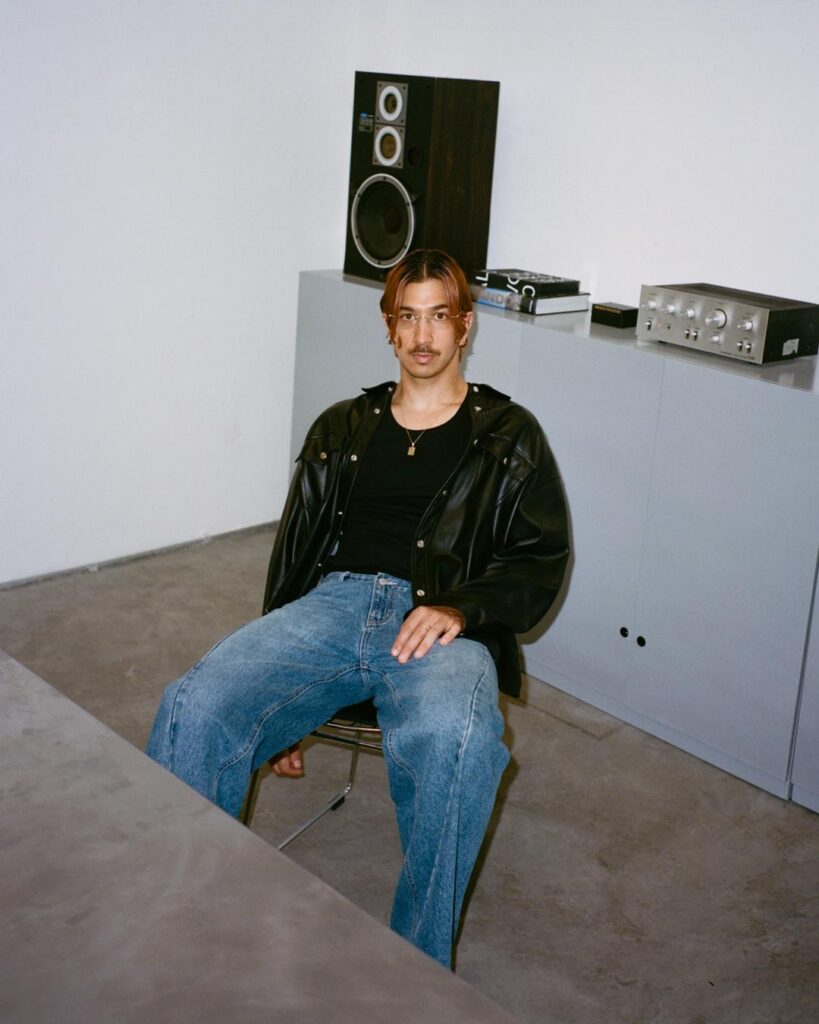
All images courtesy of Leonardo Garza, shared with permission
Leonardo Garza website: https://garzastudio.com/