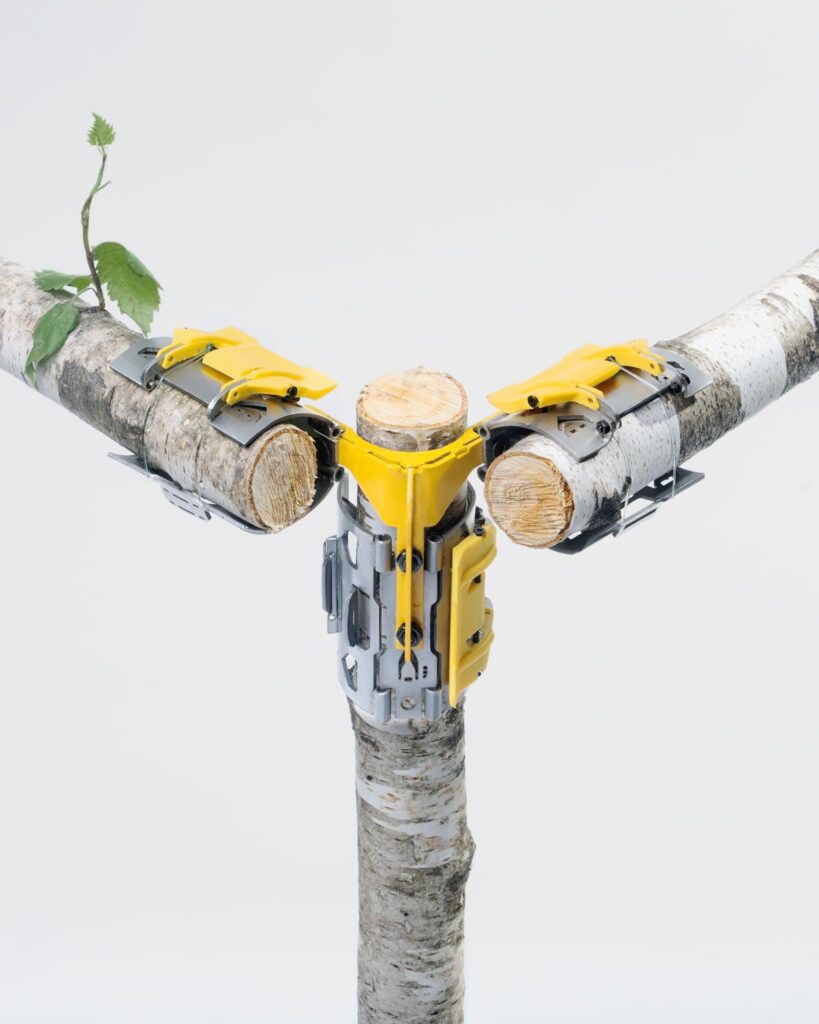
Omnibite by Eugenio Costa and Nicolò Tallone redefines self-building from raw wood
Omnibite by Eugenio Costa and Nicolò Tallone is a self-building system and experimental construction project developed in Lombardy that introduces a new starting point for making objects, shifting focus from assembly to material preparation. The main keyword, Omnibite self-building system, defines a process where raw branches are transformed into functional structures through a three-axis joint with a quick-locking mechanism, eliminating the need for screws and standard industrial components. Positioned between product design and temporary architecture, the project establishes a direct relationship between natural material and structural logic.
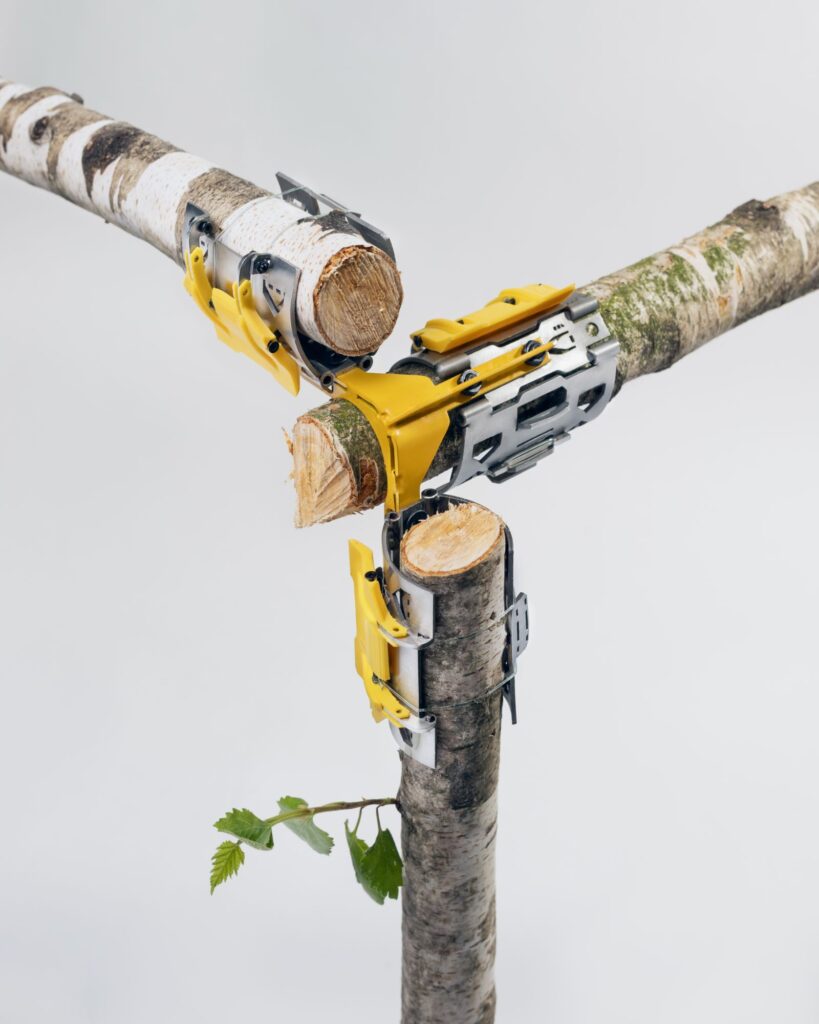
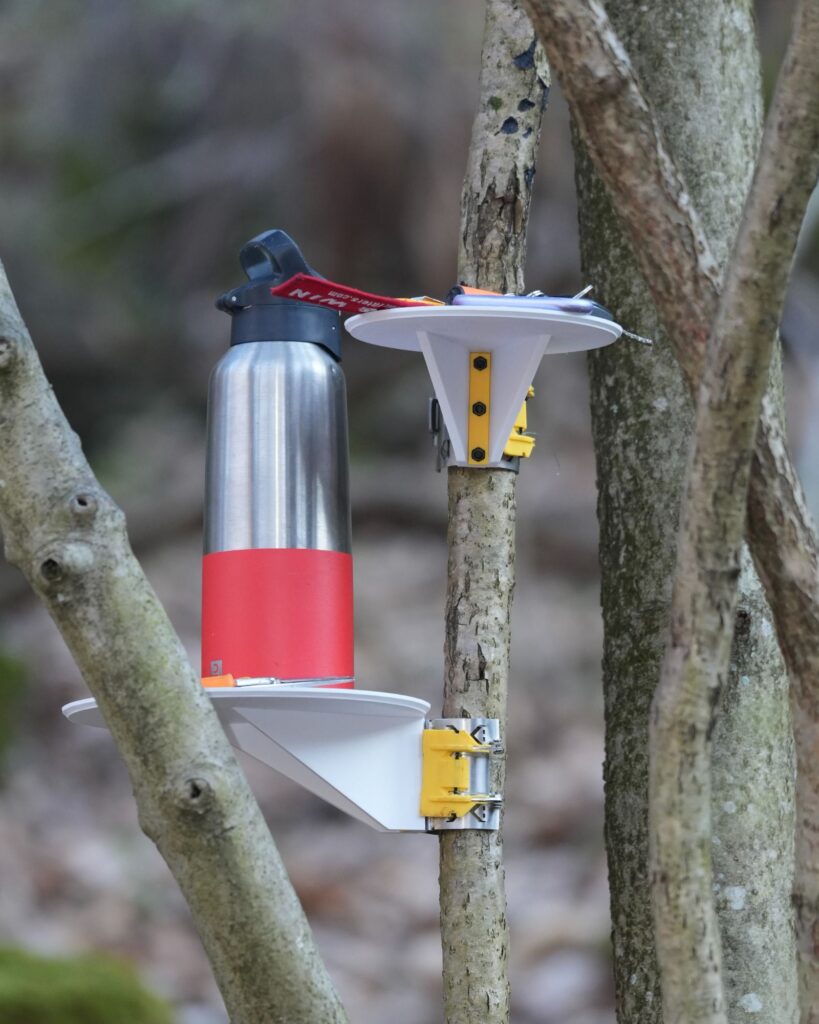
At the core of Omnibite is a precisely engineered joint designed to accommodate irregular wooden branches. The three-axis connector stabilizes intersecting elements while allowing flexibility in composition, enabling users to construct chairs, tables, and small-scale structures using found wood. The absence of screws or adhesives simplifies assembly and disassembly, making the system adaptable to different environments and material conditions. This approach introduces a modular logic that operates outside standardized production, where variation in branch size and geometry becomes part of the structural language.
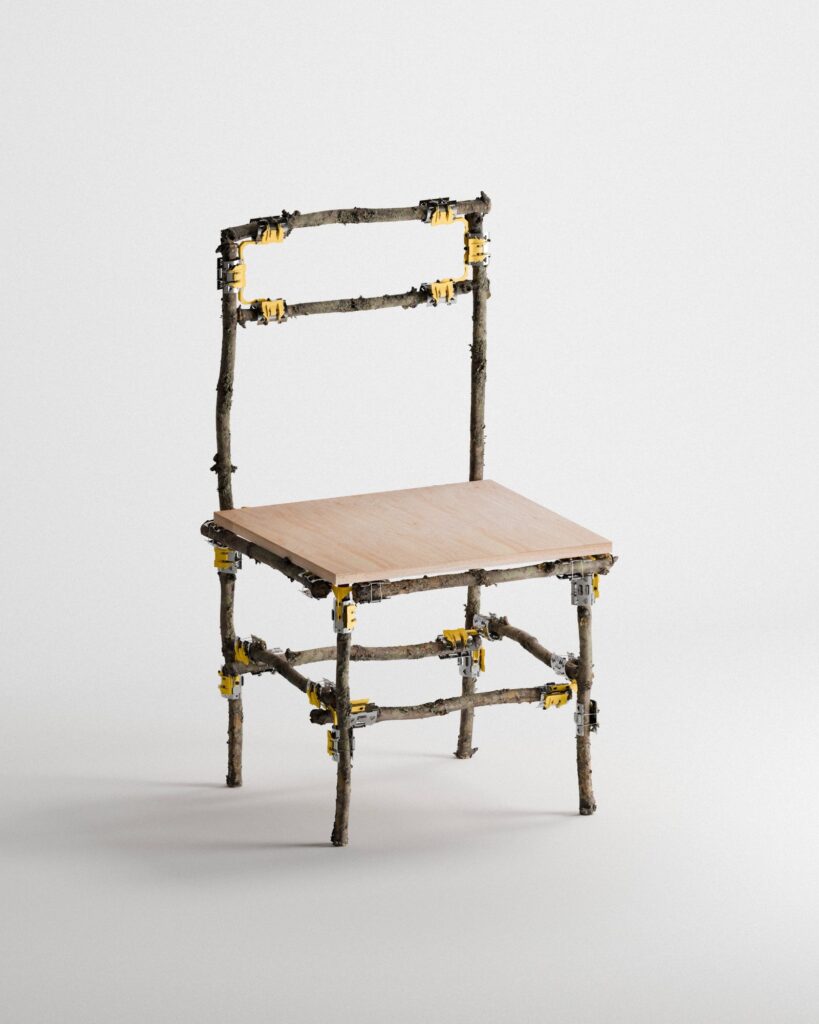
The project is grounded in research into local wood species found across Lombardy, treating the surrounding landscape as a material resource. By working directly with branches rather than processed timber, Omnibite emphasizes the preliminary stages of construction, where selection, cutting, and preparation define the outcome. This method reframes self-building as a process that begins before fabrication, aligning with principles of circular design and low-impact construction. The system encourages users to engage with material sourcing as an active part of the design process.
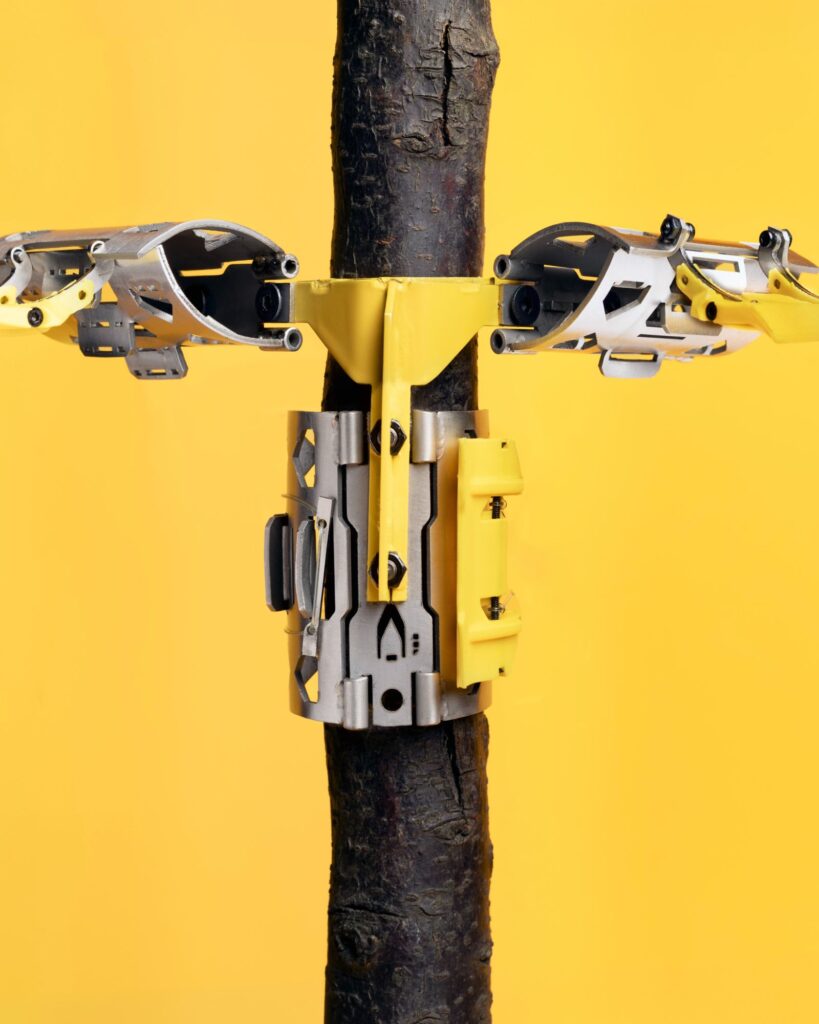
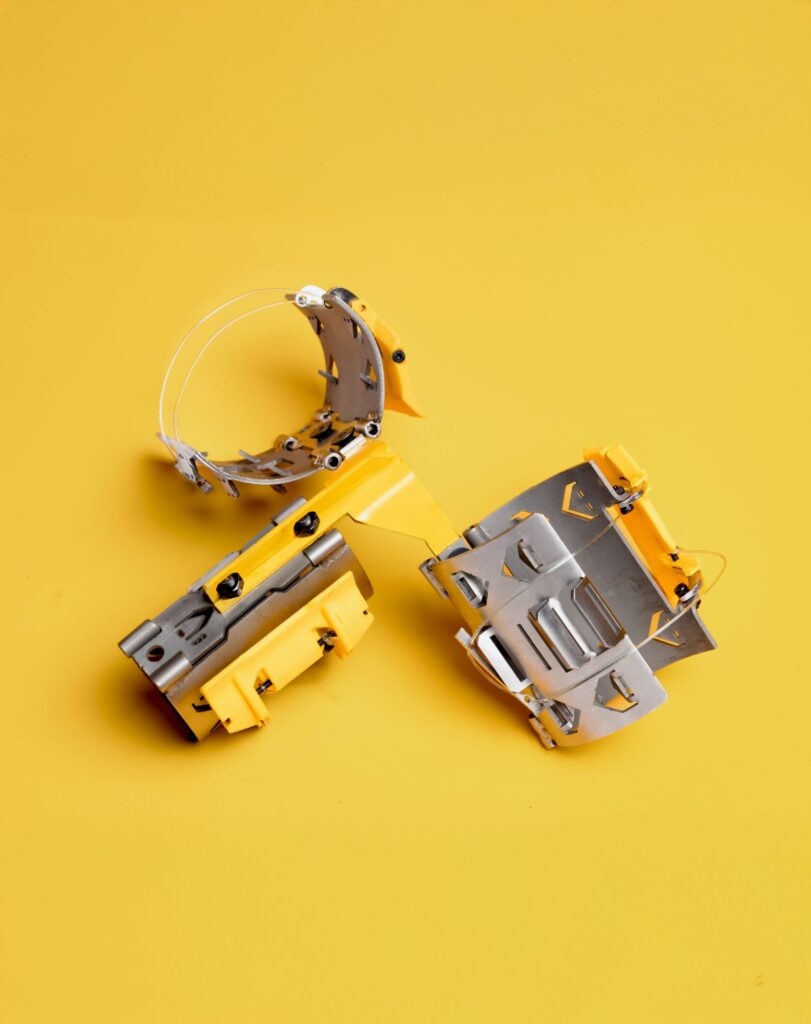
Eugenio Costa, a Milan-based product designer, brings a practice focused on material experimentation and technical development to the project. His work often originates from construction logic, where structural conditions inform form and function. In Omnibite, this approach is evident in the clarity of the joint system, which resolves both mechanical performance and visual identity. Collaborating with Nicolò Tallone, the project extends into a shared investigation of how design can operate with minimal industrial intervention while maintaining precision.
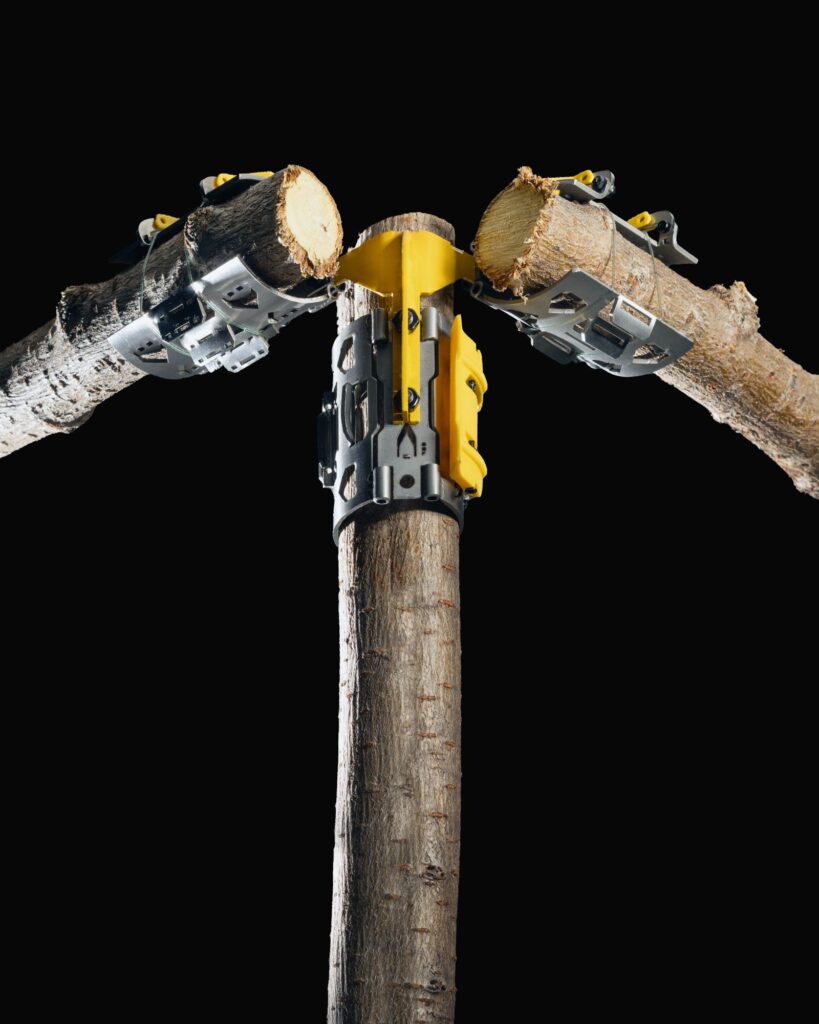
The development of Omnibite reflects a broader interest in accessible construction systems that can be applied across different contexts. From informal outdoor structures to interior furniture, the system supports a range of applications without requiring specialized tools or advanced fabrication processes. This adaptability positions Omnibite within ongoing discussions around open design, self-building practices, and resource-conscious production.
By focusing on the moment where raw material becomes usable, Omnibite establishes a new framework for design that prioritizes process over finished object. The joint is not only a technical solution but also a conceptual device that redefines where making begins, connecting material knowledge, local resources, and construction into a single coherent system.
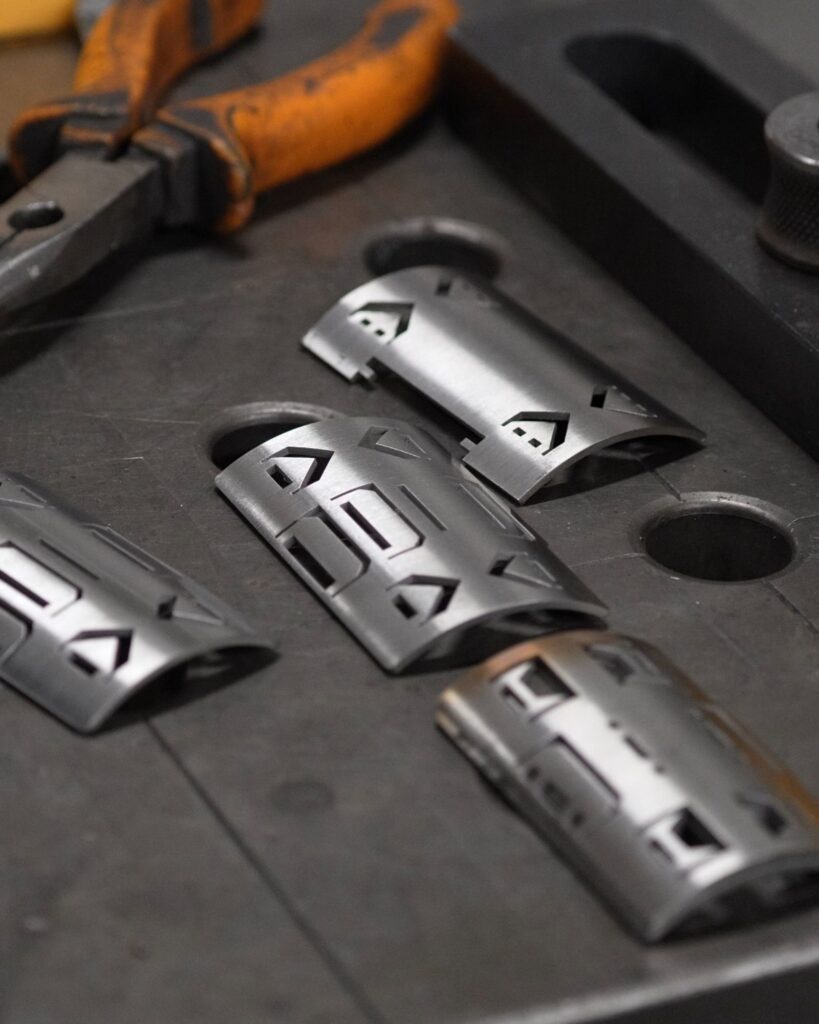
All images by matok.lab, with courtesy of Eugenio Costa, shared with permission