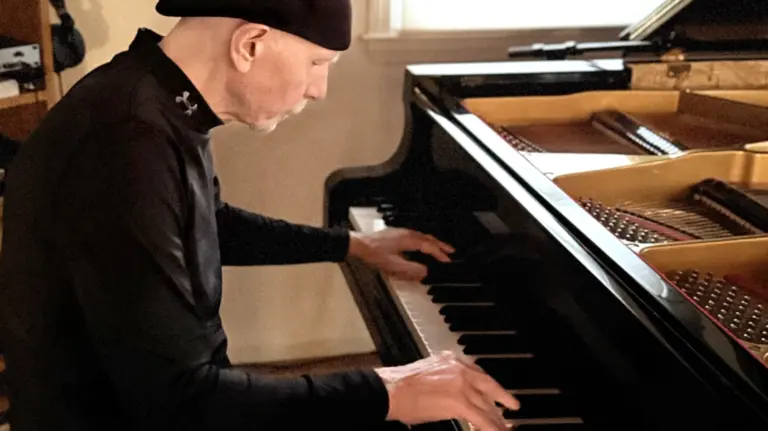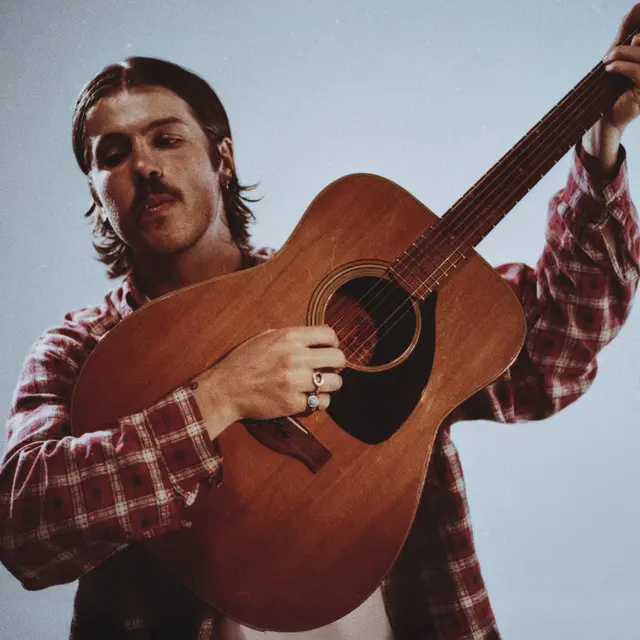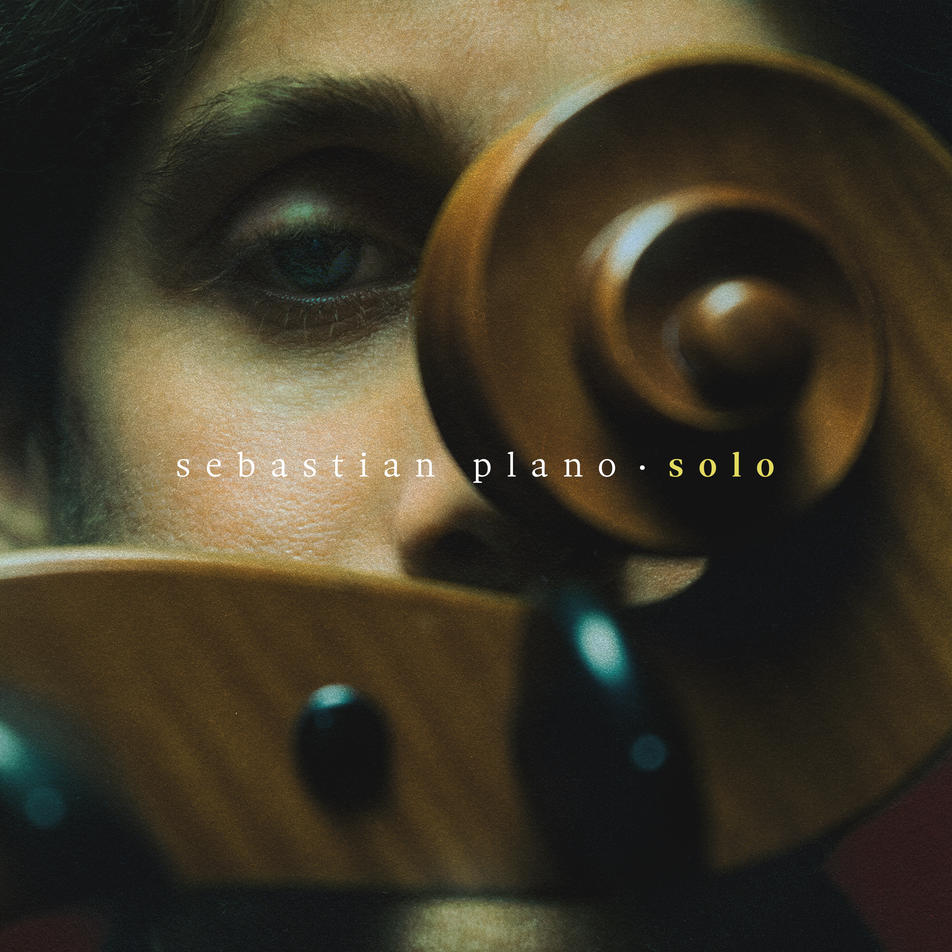
The cello on Sebastian Plano’s “Myself and I” functions as a stark interrogation of solitude, discarding electronic artifice to expose the raw resonance of wood and bow. The composition fastens itself to a single string, where every recorded breath marks a deliberate withdrawal from orchestral density. By refusing layered accompaniments, the track confronts an internal identity through the solitary movement of a hand against the fingerboard.
The piece operates through total reliance on a single acoustic voice. Without electronic textures or stacked orchestrations, the melody sustains itself through pure acoustic pressure and intervals of strict silence. This lack of production armor forces each musical gesture to carry weight, linking a simple melodic return to a memory of geographic displacement. The unadorned performance relies on the steady pace of the bow to hold the line.
This severe focus marks a sharp departure for the Rosario-born composer, who learned the instrument at age seven before traveling through conservatories in Italy and San Francisco. His earlier practice involved electronic production, but this piece leaves the formal conductors and black suits behind. The unaccompanied voice continues to vibrate after the bow stops moving.