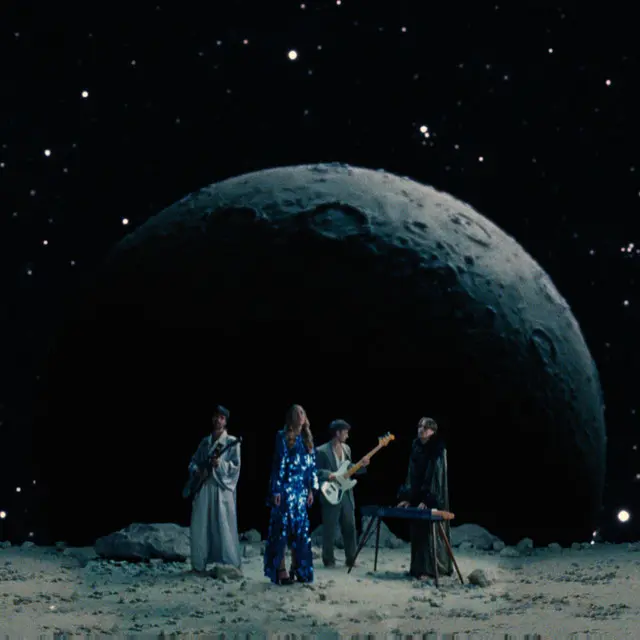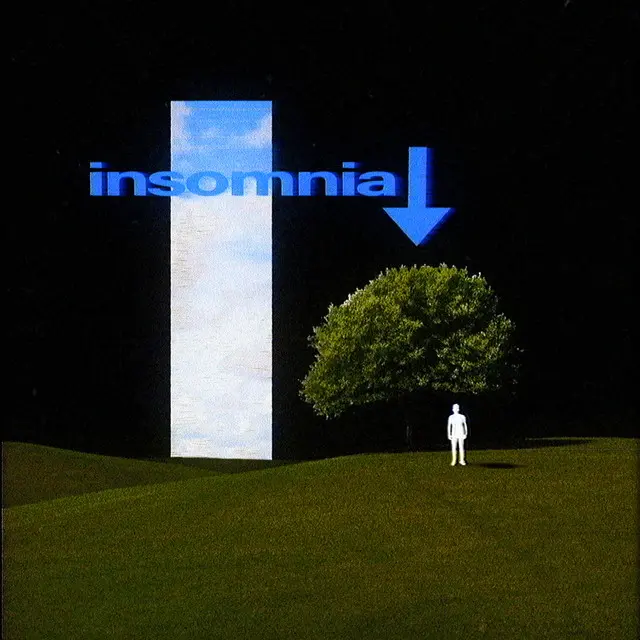
“Touch and Go” is a song about the exhausting intelligence of someone who already knows the answer. Tamara Lee isn’t confused — she’s stalling, and she knows she’s stalling, and that self-awareness is exactly what makes it impossible to leave. The sleeplessness at midnight isn’t insomnia; it’s the mind refusing to stop processing what the body already understands.
It keeps returning to the same images — the face traced from memory, the time that slipped, the closeness that produces distance — not because the narrator is stuck, but because the loop is the trap. What Lee captures is the specific cruelty of a dynamic that only intensifies at the point of contact: the arms around you are the problem, not the solution, and yet they remain the thing you move toward. The chorus doesn’t ask why this keeps happening as a real question. It asks it the way you ask something you’ve already answered a hundred times, hoping the hundred-and-first time sounds different.
“Touch and Go” lands inside a pop tradition that has always known how to dress paralysis as longing — but Lee doesn’t glamorize the loop. The bridge cracks it open just enough: the admission that she gave the time, gave the chance, and still has things left to say. That unfinished sentence is where the song lives. Not in the leaving, not in the staying, but in the space between them where midnight keeps arriving.