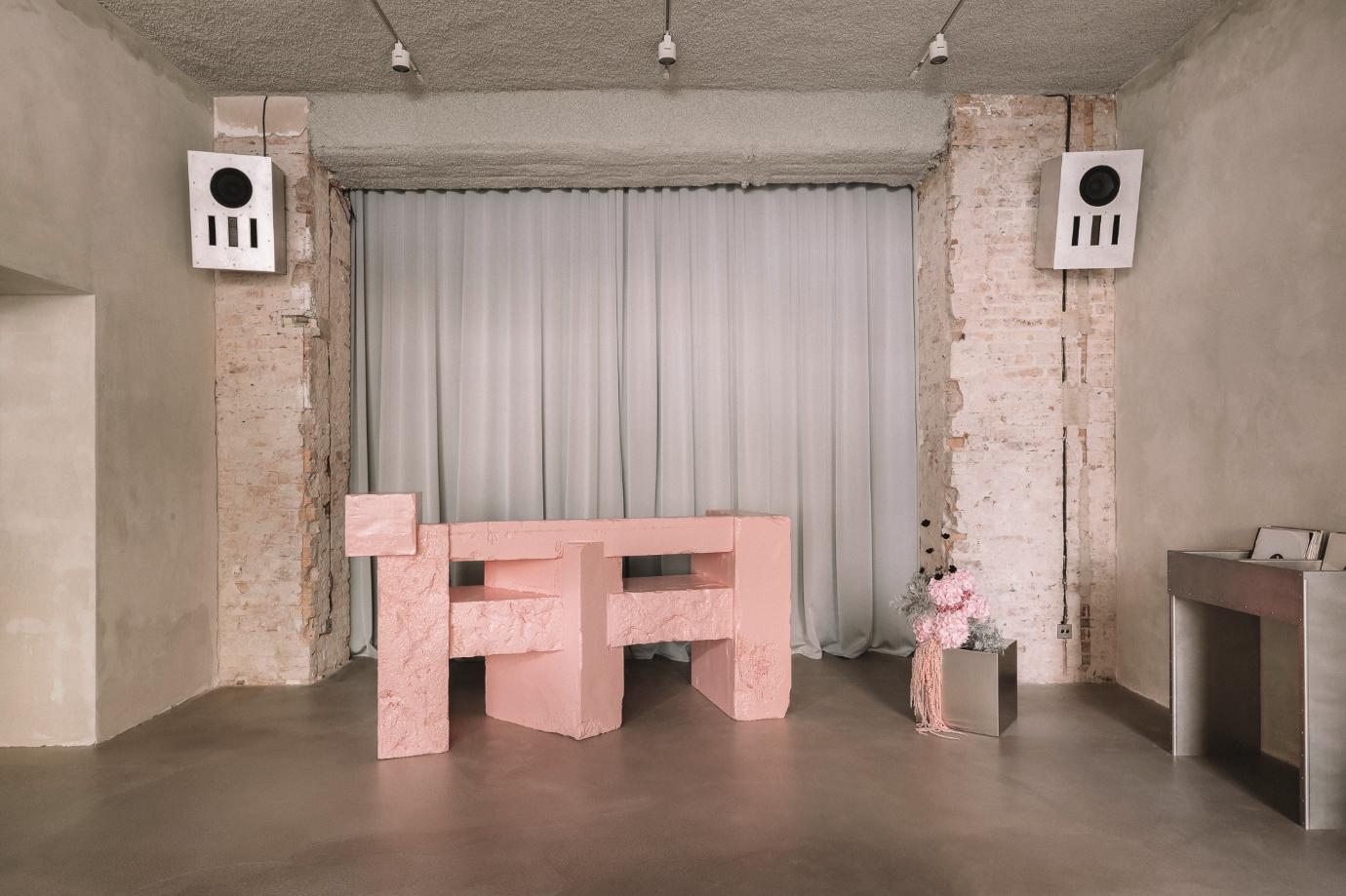
In this interview, YONT reflects on Torstraße 220, its first realised interior in Berlin. Set inside an Altbau and developed for a queer house music label, the project defines the studio’s spatial identity through subtraction, material memory, and a fluid overlap between work, culture, and home. What drew you to this space, and how did its architectural character and culturally active neighbourhood provide the right context for your inaugural transformation?
We were intrigued by what the space was hiding beneath its walls. It was previously inhabited as a conventional real-estate office, with layers added over time that didn’t belong to its character. We wanted to peel down the unnecessary elements to reveal its history and rawness. The location also made a lot of sense. Torstraße has always been tied to Berlin’s cultural and musical life. In the 90s, the city’s biggest squat art houses and clubs were close by, including Tacheles just around the corner. That spirit of creative freedom still echoes in the neighbourhood, and that inspired us.
For YONT, this project became an articulation of who we are. Our practice began in an environment where living and working were merged, so there was never a strict boundary between the two. That instinct toward fluidity shaped how we approached Torstraße 220 and how we thought about the coexistence of work, culture, and a sense of home, in a contemporary way.
The project places strong emphasis on revealing the building’s existing layers and material memory, allowing the past to remain visibly present within the new design. Which discovered traces or structural conditions had the greatest influence on your design approach, and how did they shape the narrative you chose to build around them?
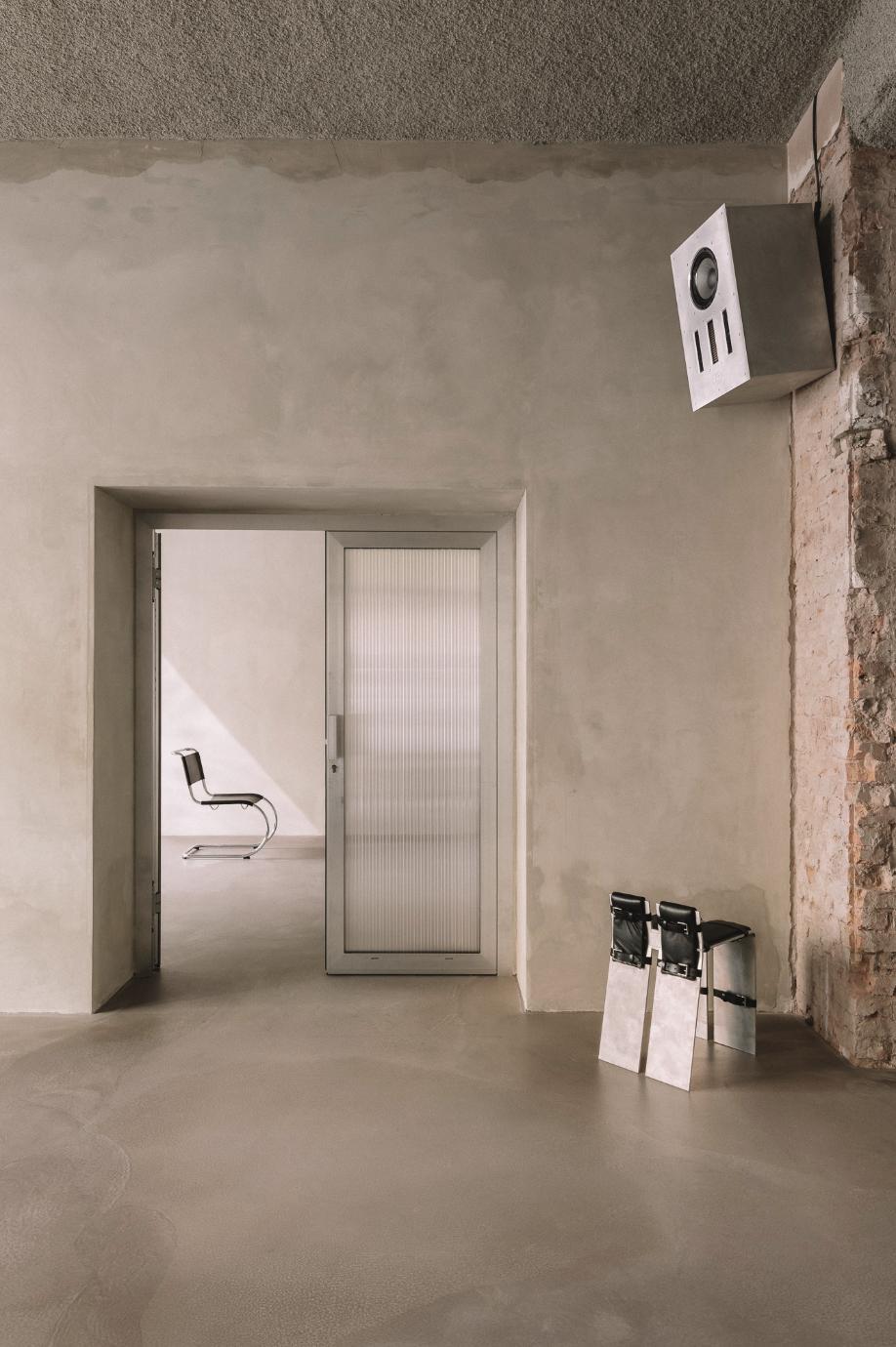
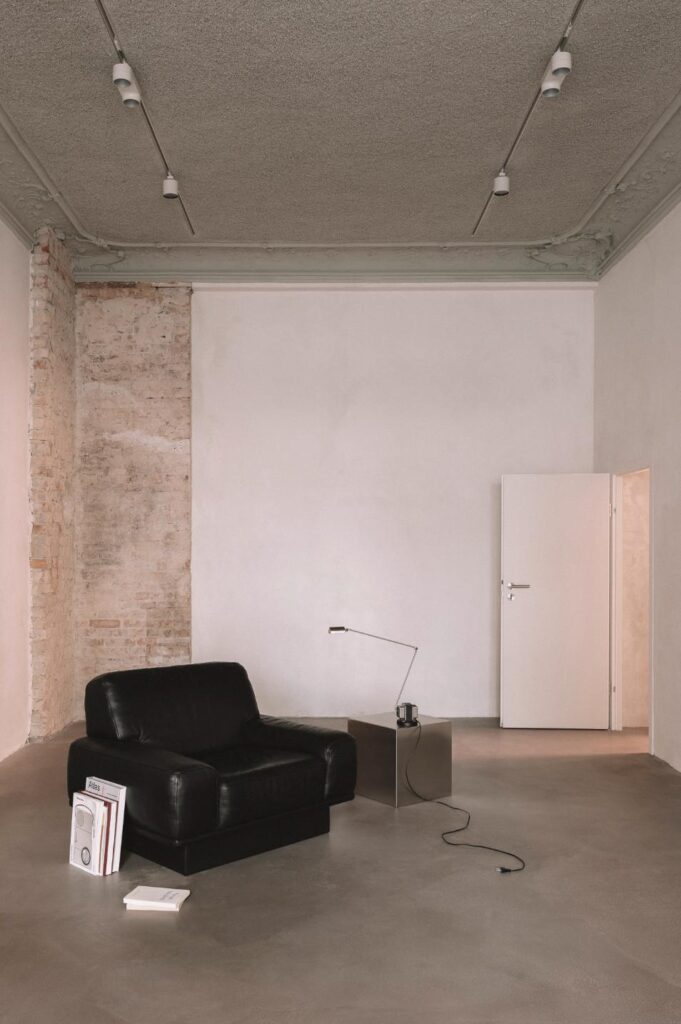
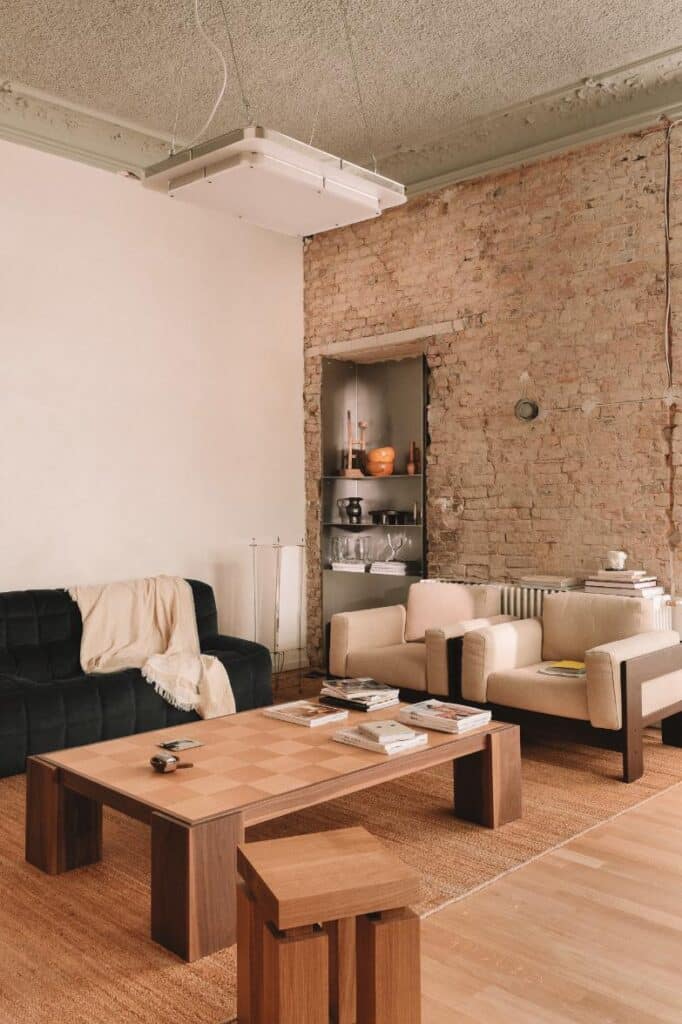
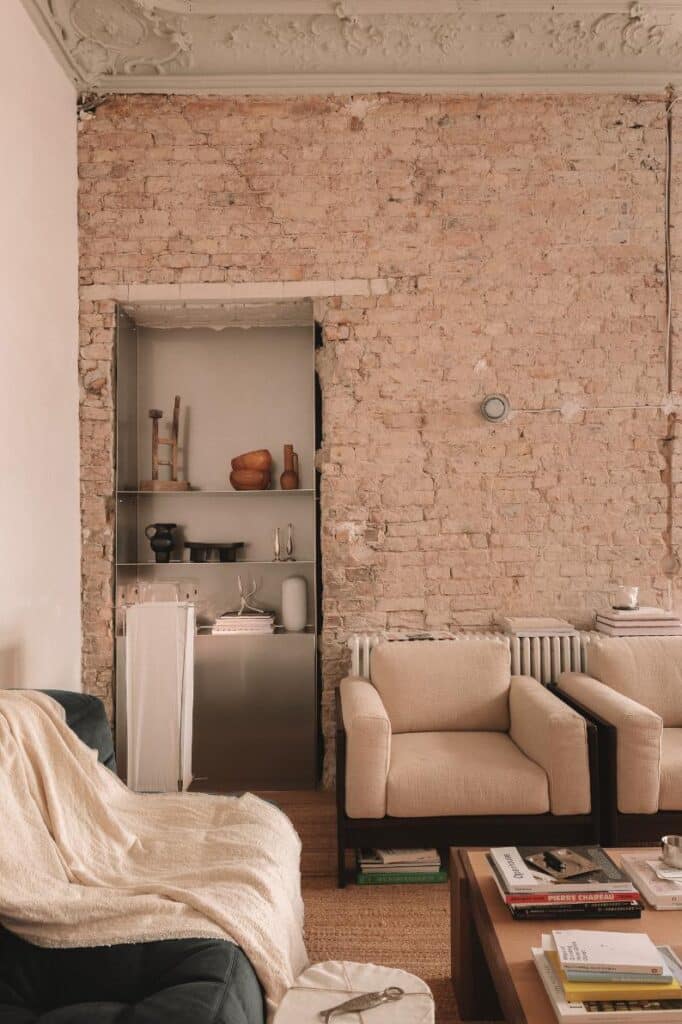
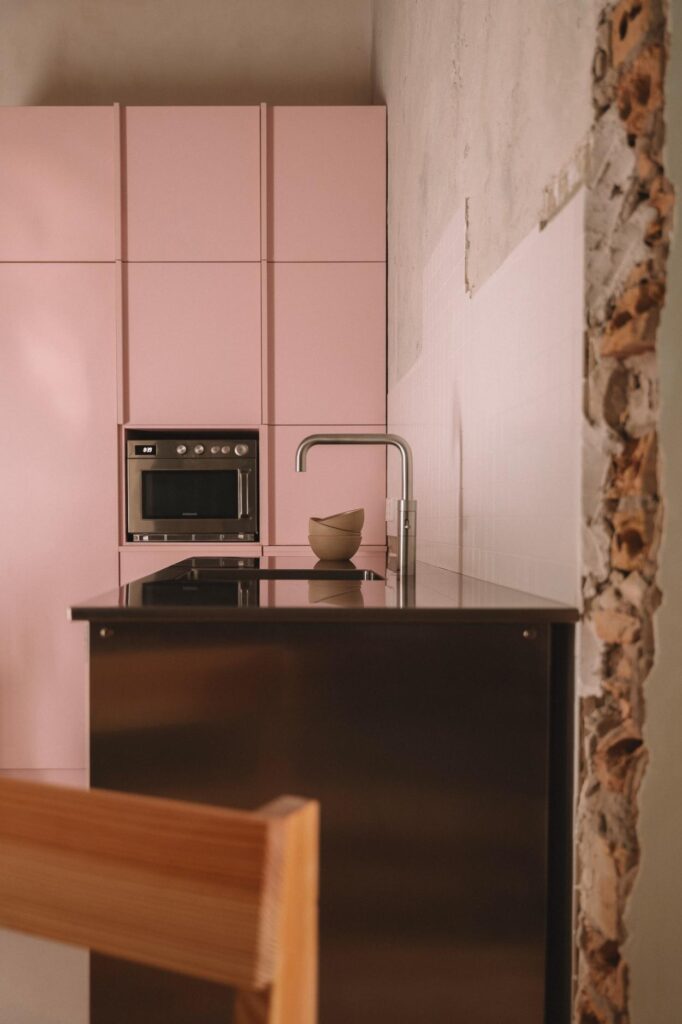
The most influential traces were the structural scars — the uneven brickwork, stucco, misaligned plaster, overlayed fireplace wall, and areas where the building had clearly been opened and patched several times. These weren’t flaws; they were evidence of how the space had lived, and that’s valuable. Once we uncovered them, the narrative became clear: don’t overwrite this history; frame it. That decision set the rhythm for every new decision.
You approached demolition not as a pragmatic necessity, but as an intentional design tool capable of reshaping perception and unlocking new spatial possibilities. How did subtracting, uncovering, and extending height inform the final spatial gesture and the emotional atmosphere of the interior?
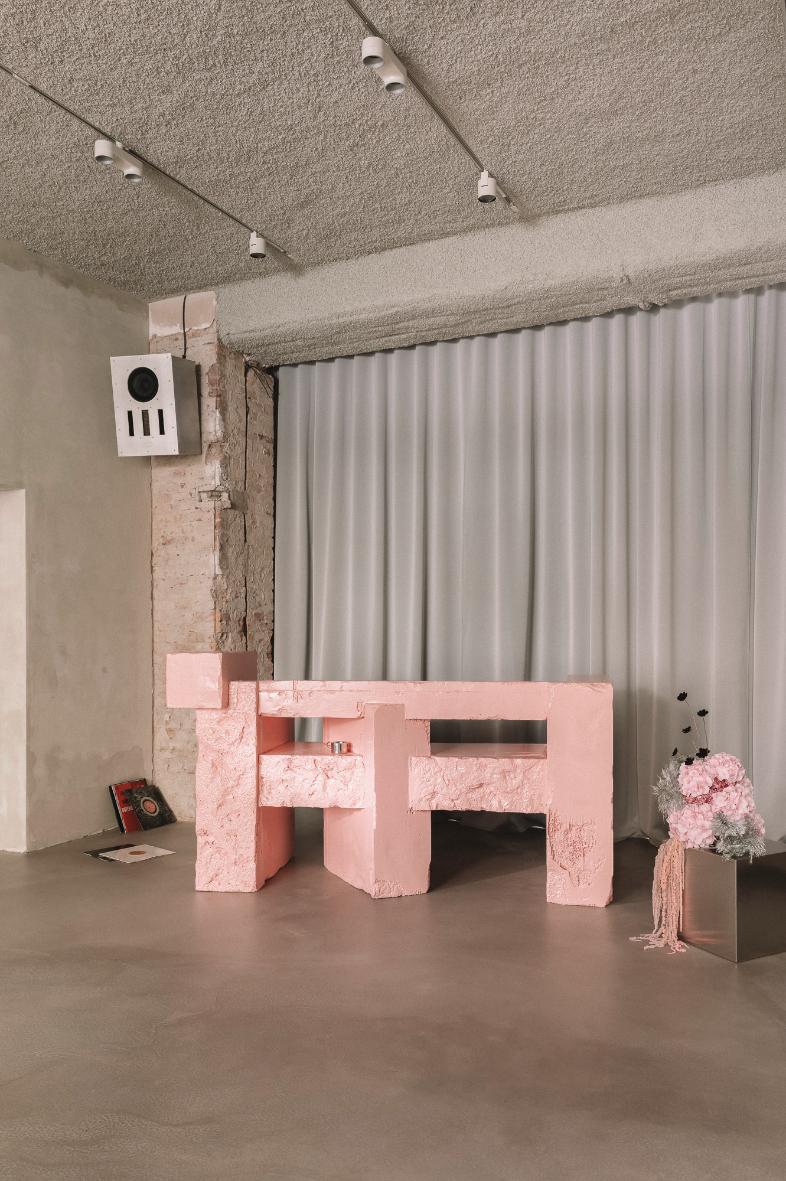
By removing layers instead of adding new ones —or carefully curating the few new ones— the space gained clarity, height and a sense of openness. It also gave the user more flexibility. Subtraction revealed the structure, and we loved exposing the brickwork to bring out its structural quality. The atmosphere shifted from compressed and generic to something more grounded, almost monumental and emotional.
The tension between raw material honesty and refined custom craftsmanship is central to the experience of the space. How did you navigate the relationship between exposed, imperfect surfaces and the more precise interventions to arrive at a cohesive, balanced environment?
We approached it as a conversation between what already existed and what we introduced. The raw surfaces carry emotion; the crafted pieces bring order. By keeping the new interventions precise and thoughtful, at times intentionally bold or surprising, they stand confidently next to the irregularity of the existing space. That balance gives the interior an emotional coherence. This was interesting to us.
Designing for a queer house music label required a spatial identity that could support work, culture, and community simultaneously. How did you orchestrate a multifunctional environment—combining office zones, record display, a DJ booth, meeting areas, a photo studio, and music-production setups—without losing clarity, intimacy, or narrative intent?
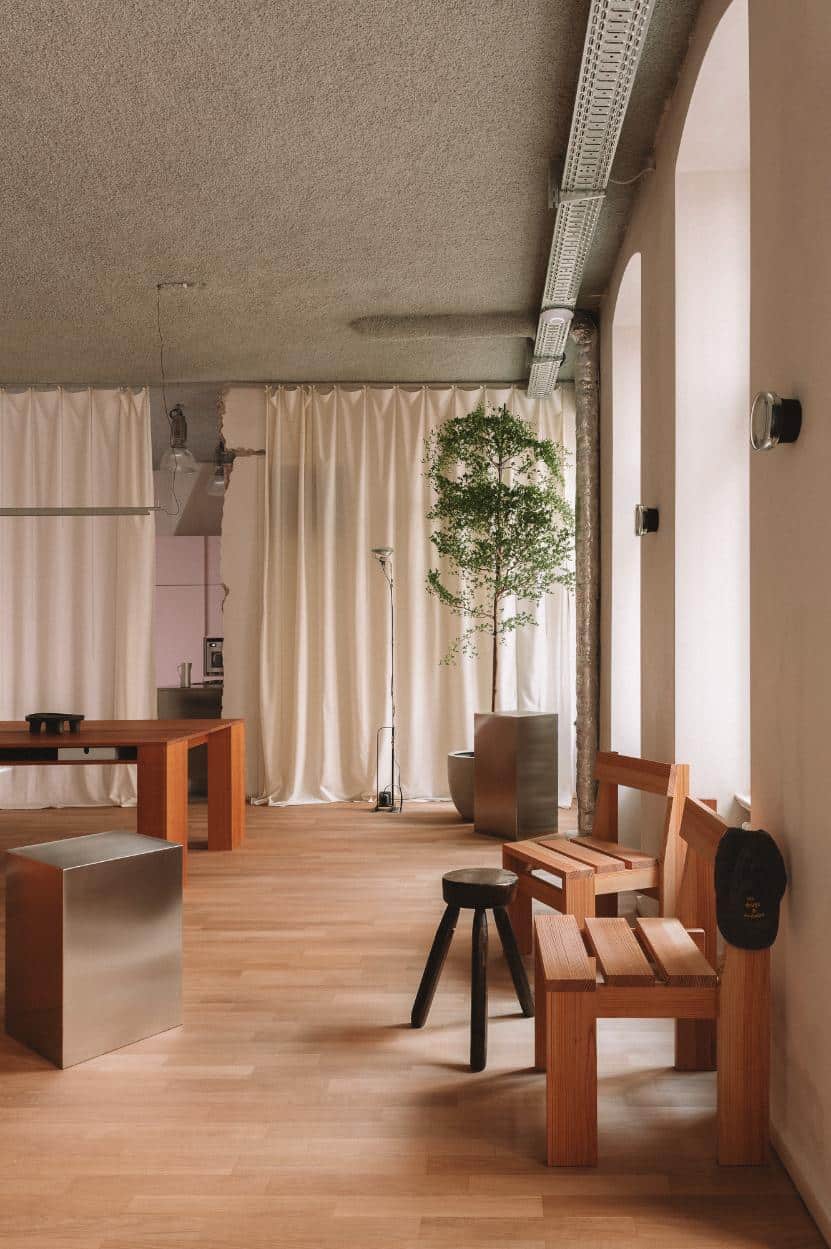
Architecturally speaking, we divided the space into two zones; mainly between the quieter office zone and the more expressive area that works as a record shop, event space and photo studio. The space changes with sound; sometimes it’s a workspace or music room, other times it feels almost domestic.
Designing for a queer house music label as a part of Berlin’s music & club scene, also gave us creative freedom in our design language. The space needed to support work, culture and social moments at the same time. We balanced this by giving each function its own character, but letting them share the same palette and rhythm, so the interior stays coherent and intimate.
The interior balances custom-made components designed by YONT and realised with local producers, alongside curated vintage pieces and contributions from over 20 craftspeople. How did this constellation of makers, materials and objects shape the final character of Torstraße 220?
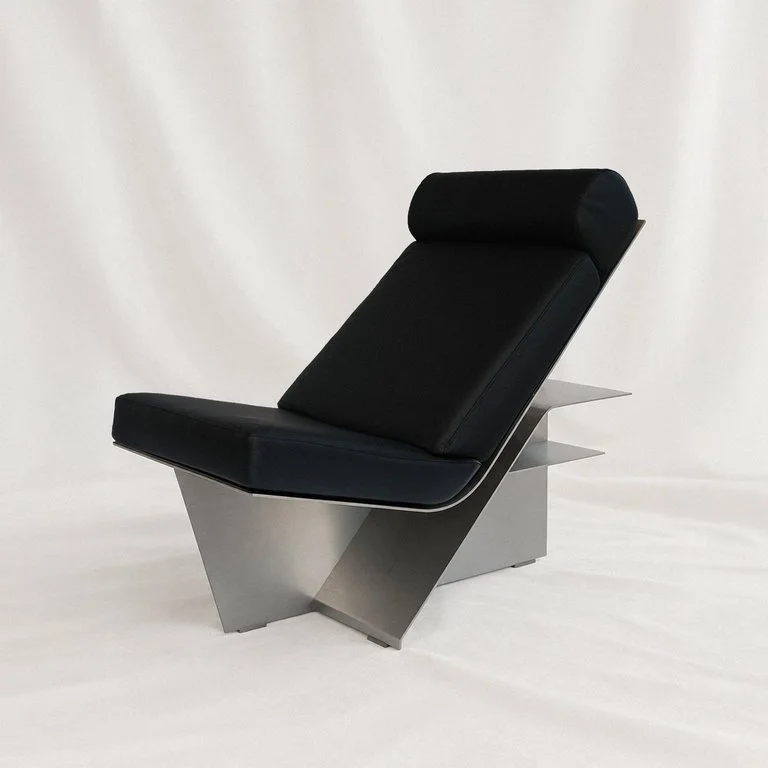
The space itself guided our decisions. We focused on what it genuinely needed and developed bespoke forms that respond to its proportions and character directly. We developed forms that respond directly to the needs. That approach has roots in early modernist interiors, where built-in and custom furniture were a big part of interior projects, rather than mass production items. Sharing this with local makers and young creatives was important and valuable to us.
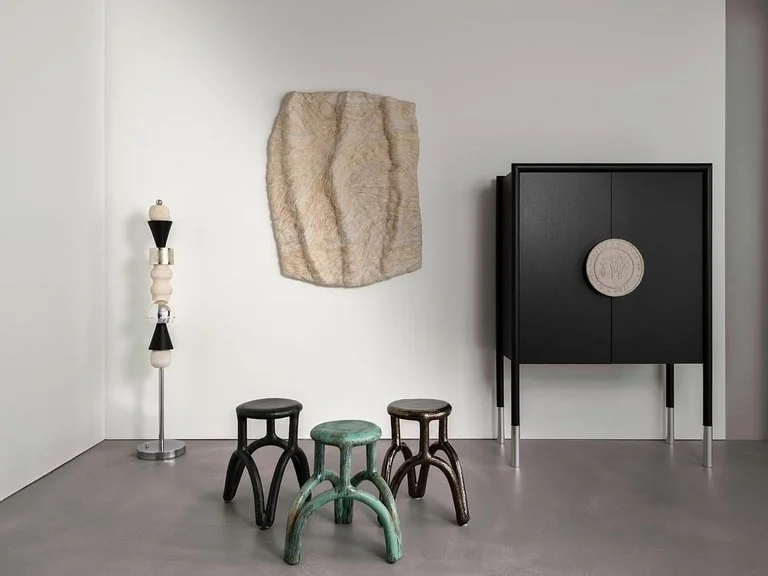
At the same time, we brought in vintage findings to soften the atmosphere and introduce a sense of memory. They add to the rawness of the architecture and give the space a lived-in warmth. You can feel the presence of different hands: slight variations in material treatment, unique construction details, and small imperfections that make the space feel human. Instead of a uniform, overly polished interior, the project became a composition of distinct voices that together create its identity.
Light plays a quiet but important role in the space — filtered, soft, almost domestic at times. How did you approach light as a material in the project?
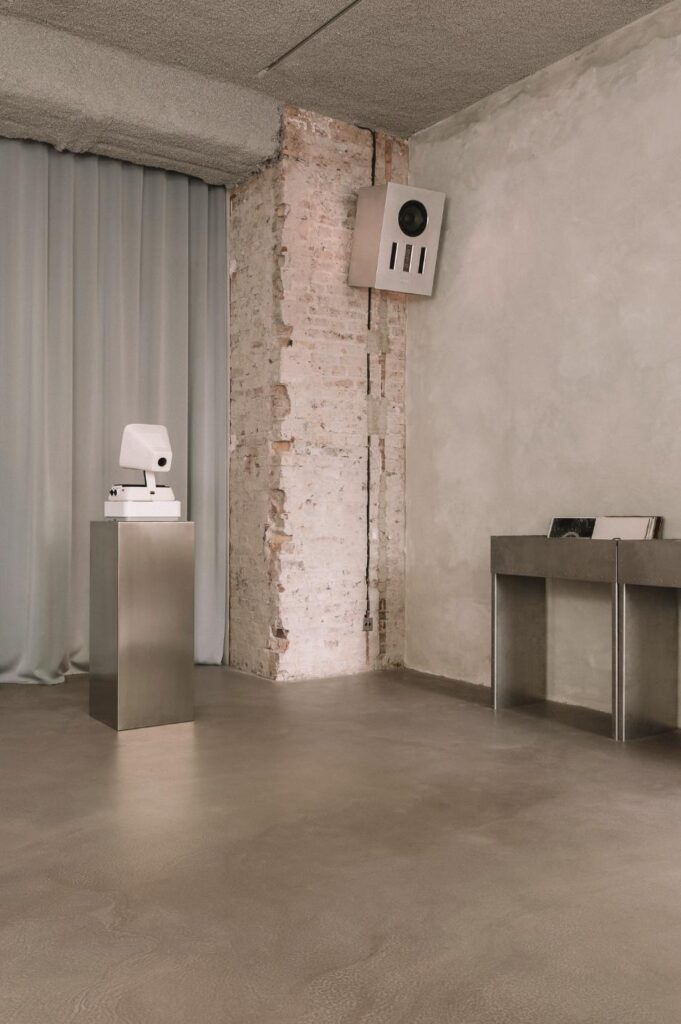
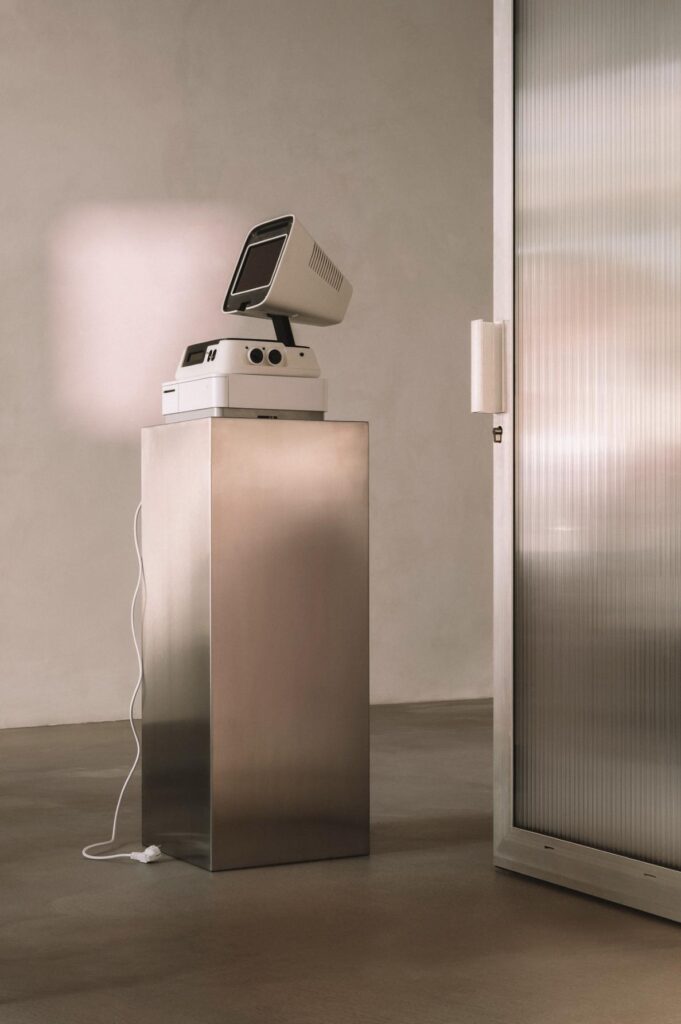
Light was treated as a material in itself. Rather than creating dramatic effects, we aimed for a soft, atmospheric quality — something almost domestic — to support how the space shifts between working, listening and gathering. We combined different types of lighting — wall, table, floor and ceiling — which introduce varying depths and tones.
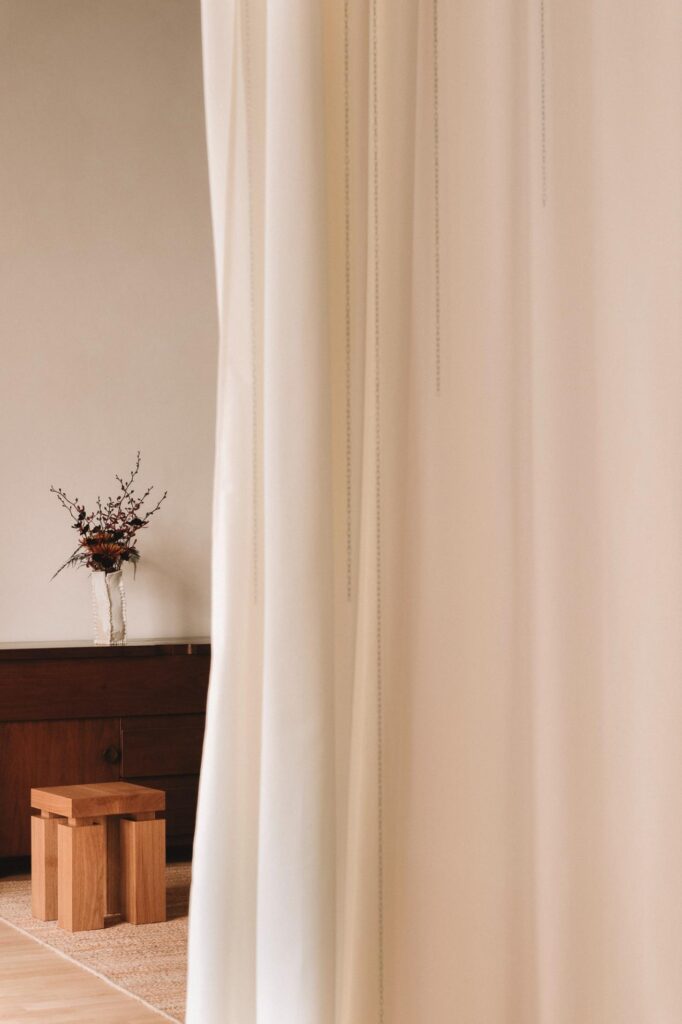
This layered approach helps articulate the many surfaces and materials in the room, allowing certain textures to come forward while others stay subtle, giving the space a richer and more dimensional character. The curtains, with their varying levels of transparency, also play a role by creating gentle differences in light diffusion throughout the day. These small shifts add another layer of softness and keep the atmosphere fluid without overpowering the architecture.
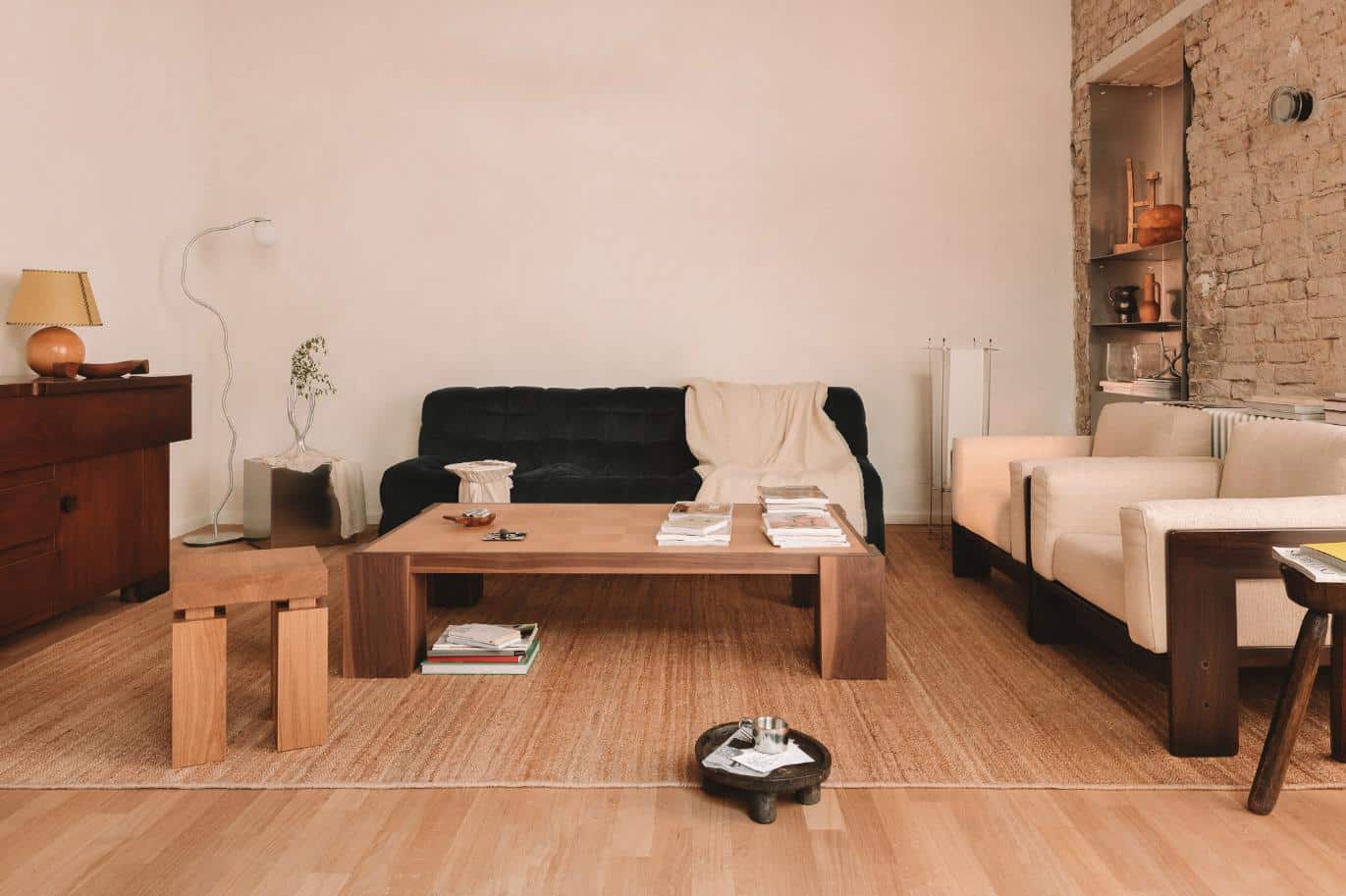
The palette is very restrained, yet expressive in subtle ways. How did you develop the chromatic atmosphere of the space?
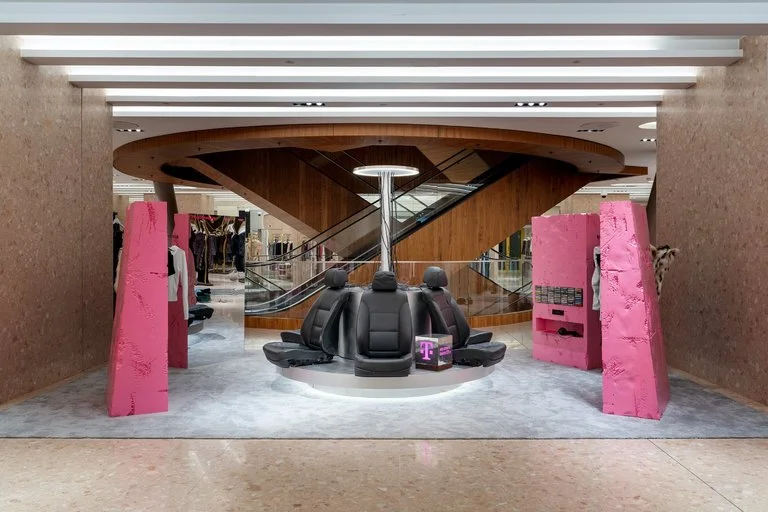
The palette is mostly a greyscale industrial base, combined with warm neutrals and the existing textures. The only deliberate chromatic intervention is the family of pink elements — the steel kitchen unit and the more sculptural pieces connected to our Brutalist Pink universe. They introduce a tension: soft in tone but bold in presence. The use of pink foam in previous YONT experiments informed this attitude — treating pink not as decoration but as a material gesture that sits confidently within a raw environment. This contrast helps define the space without overwhelming it.
Your work carries a strong sense of tactility and sculptural clarity – with YONT’s ethos of ‘carving out’ essence. How did those instincts guide your decisions here, and where do you see them expressed most clearly in the project?
For us, carving out essence means removing what distracts and letting the core identity of a space & thing appear. Here, that meant peeling back layers, revealing material truth, and keeping interventions quiet and intentional. The project crystallises this approach through its sequencing: raw, layered, then composed.
Torstraße 220 connects architecture with Berlin’s music and creative culture. How do you envision YONT continuing to engage with these cultural circles in the projects ahead? What are the future projects?
Torstraße 220 opened a meaningful path for us. It connected YONT directly with Berlin’s music and creative scene, and that relationship has deepened our interest in this field. Over the past year we’ve designed several music-related objects and spatial interventions — from listening environments to sculptural equipment — and new music spaces and sound-oriented pieces are already in development.
Set design has also become a natural extension of our practice. We enjoy working with temporary, fast-paced spatial setups, and this way of thinking often feeds back into our permanent projects. At the same time, we continue to move across disciplines. Alongside collaborations within the music world, we’re working on residential and gastronomy spaces, and we’re interested in expanding further into fashion, retail and exhibition design, as they allow us to apply our understanding of spatial identity and storytelling in new cultural settings.
Photography by Clemens Poloczek, with courtesy of YONT
YONT Instagram: https://www.instagram.com/yontstudio/