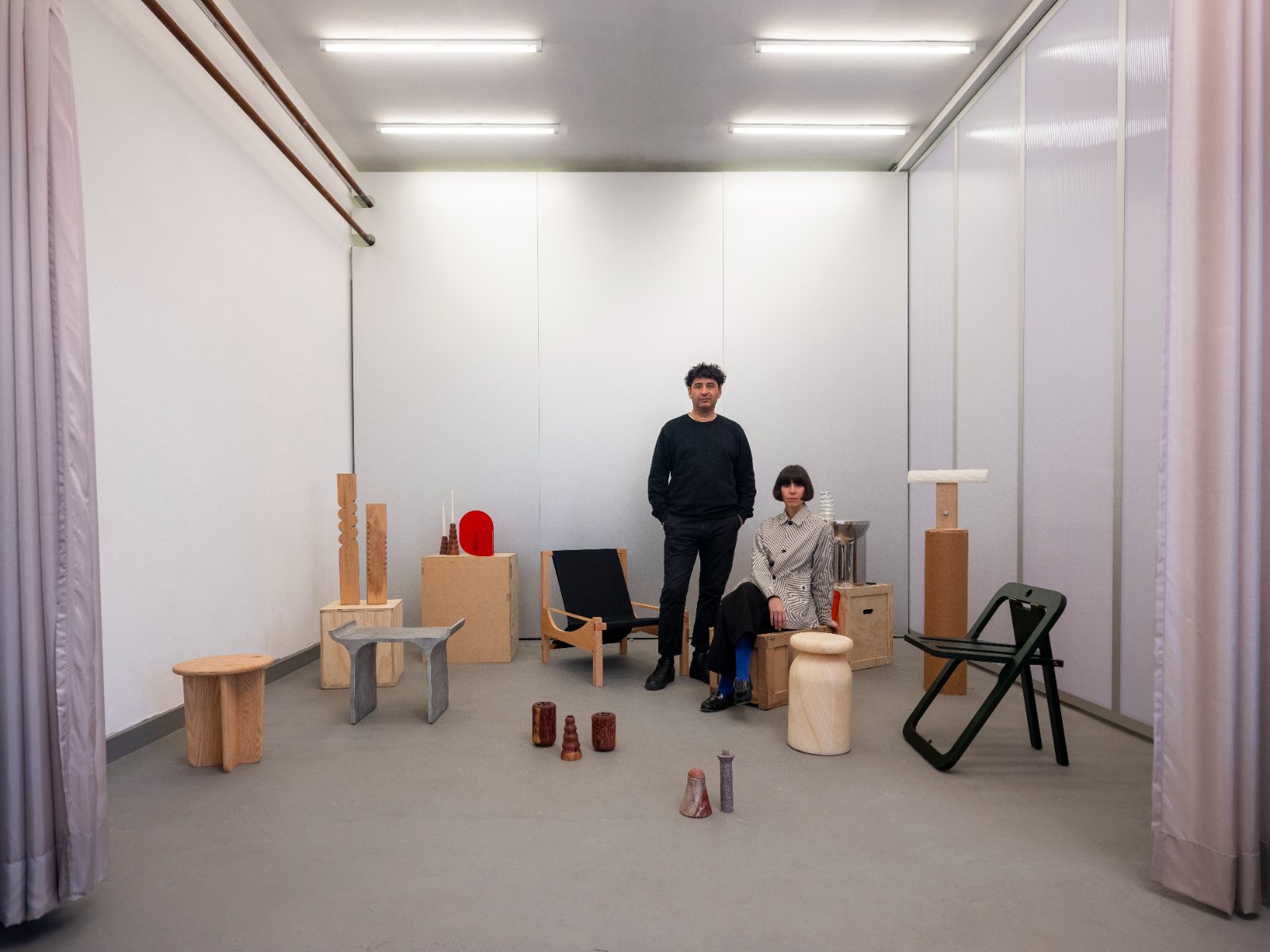
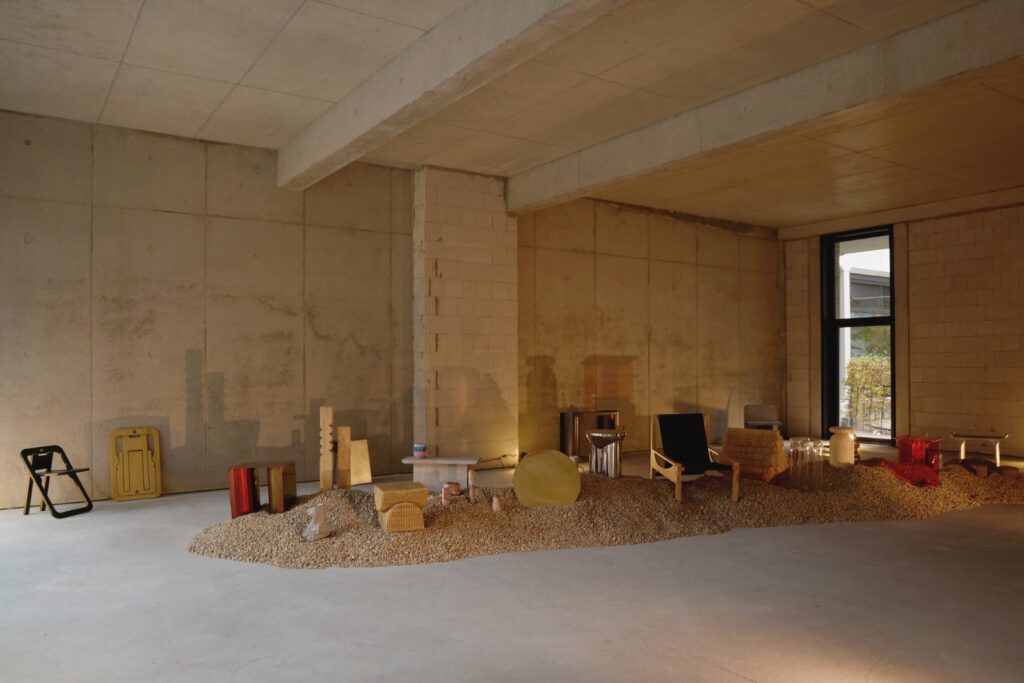
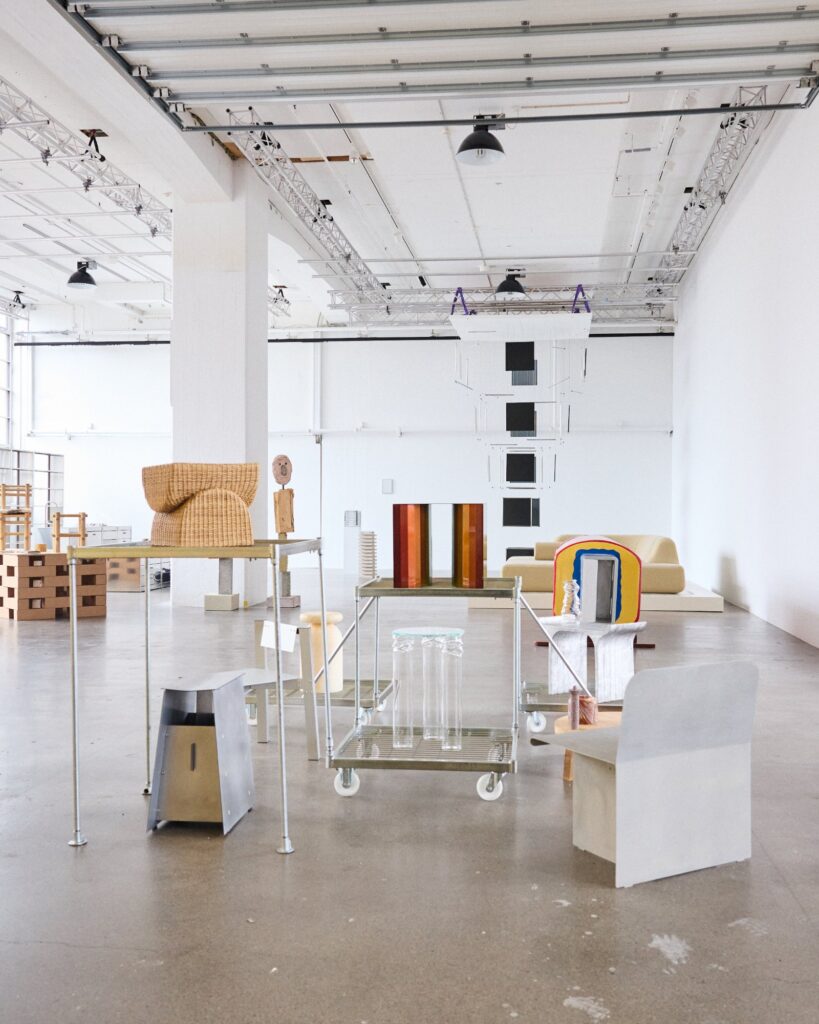
Holder, recently presented at Other Circle 2026 in Copenhagen, is building a bridge between the past and the present and setting the stage for a new generation of designers from across the region. The project, founded by architect Camilo Palma and designer Trinidad Davanzo, two Chileans based in Berlin, is built around a double commitment: recovering historical pieces that have never received the global visibility they deserve, and opening space for the current generation of designers working across the region.
“We have connected with a community that is incredibly open to listening to and observing what we bring, and moreover, a community eager to collaborate and propose ideas and actions. We feel immense pride in being part of this place, and we believe we have coincided with a fresh momentum that is positioning the Berlin scene on today’s European design map” said Camilo and Trinidad.
A key part of this work is what they call “design archaeology”, a research effort to recover historical Latin American pieces that have never received the global recognition they deserve. Pieces like the Plaka Chair (1973) by Argentine designer Ricardo Blanco, now part of the permanent collection at MoMA, are objects that defined a continent’s design identity and yet remained largely unknown outside of it. We spoke with the founders about the gallery, their vision, and where Latin American design stands today.
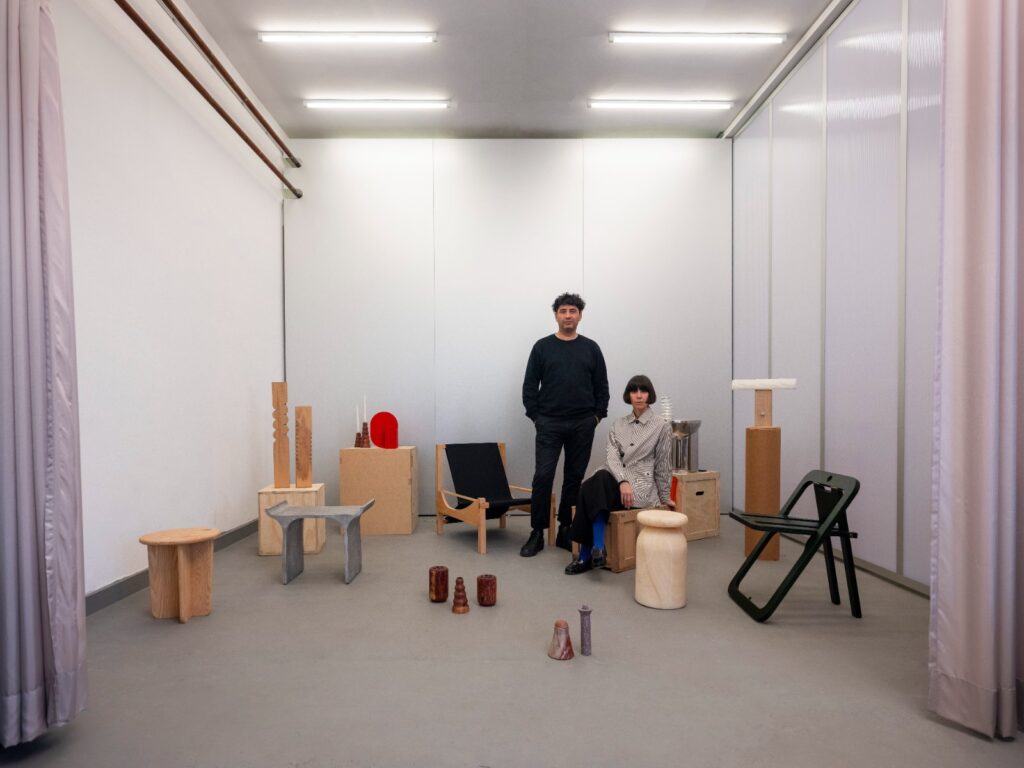
Holder describes itself as a bridge between continents and a living archive of Latin American culture, rather than just a gallery or store. Looking back at your own move from Chile to Europe, you, Camilo, as an architect, and Trinidad as a designer, what was the moment that turned into this specific idea?
If we were to pinpoint a specific moment when everything began, it was literally Trinidad coming across the Puzzle Chair at the home of a Chilean architect she was visiting for an interior design project. Discovering the Puzzle Chair (1975) by Chilean architect Juan Baixas (recently added to the Vitra Design Museum collection) was a profound revelation for us. It shifted how we viewed local design; we understood the historical value of what has been produced in Latin America since the last century.
It motivated us to look closer, search, learn, and respect contemporary Latin American design, leading us to realize that a brilliant, cross-generational movement existed across our territory. That realization gave us the drive to build a curatorial and commercial model capable of representing, promoting, and selling pieces from Latin American designers, curated by us, within the European context right from Berlin.
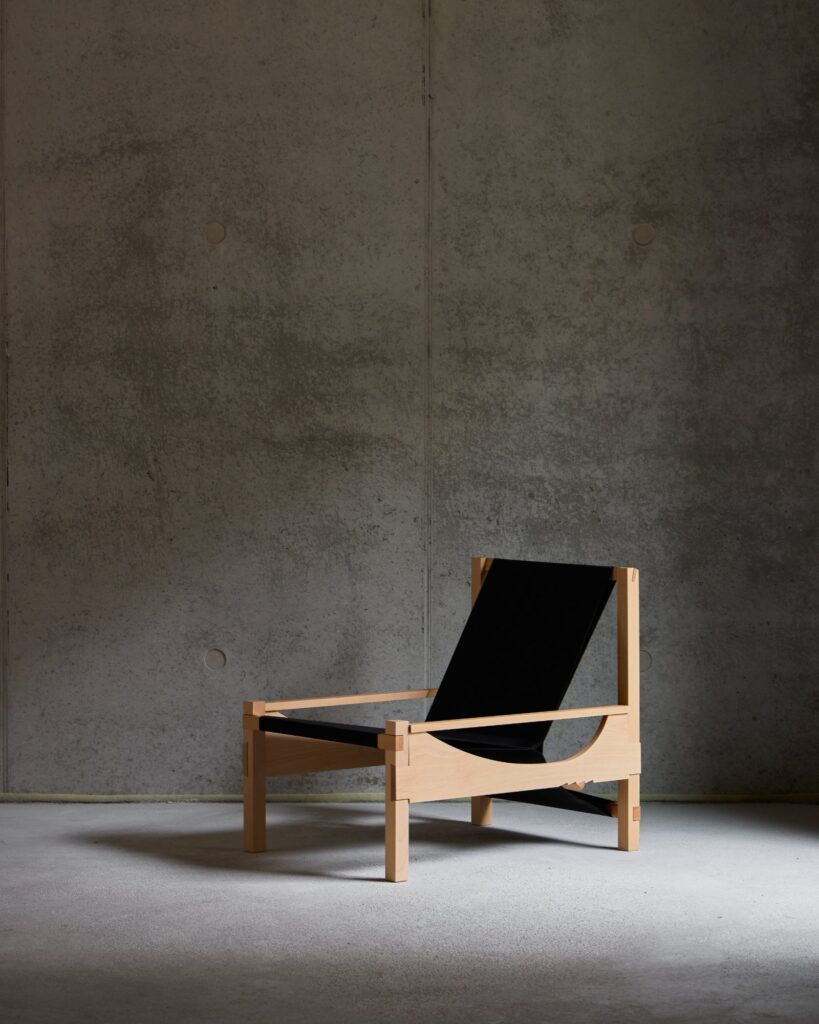
Scandinavian, Japanese, and Italian design dominate most of the global conversation. Why do you think Latin American design has stayed comparatively invisible internationally, despite the quality and history you’re working with?
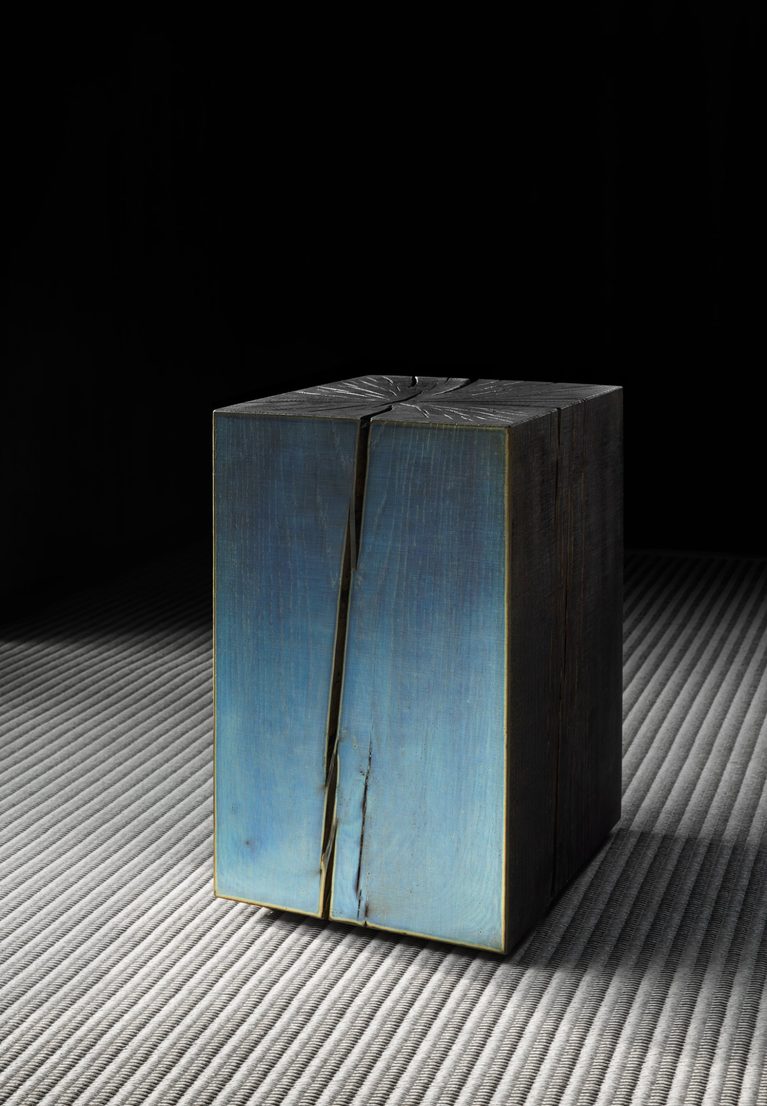
Historically, the international gaze frequently expected our production to conform to reductive or purely folkloric stereotypes, ignoring the deep tectonic, structural, and conceptual rigor of our contemporary production. As we experienced firsthand with our recent exhibition Mono:Material at Other Circle during 3daysofdesign, there is now a genuine global interest in objects that possess weight,identity, and raw material honesty. This opens up an ideal space to reshape the narrative of what is “Latino” through the cultural exchange that these platforms foster.
Latin America acts as a unique bridge between diverse cultural roots—Indigenous, European, and African—allowing our designers to blend these influences into vibrant and completely new proposals. Furthermore, we have developed a valuable “doing much with little” mentality. The intersection between modern academic training and traditional craftsmanship generates ingenious solutions and a raw sophistication. More than a geographical territory, we represent a diverse sense of belonging that transcends borders, where design is understood as a social language with a distinct local narrative and history.
Even though you’re both Chilean, Holder represents designers from across Latin America rather than focusing on Chile. Why was that breadth important to you from the start?
From the very beginning, we understood that the true strength of our context does not lie within national borders, but rather in the idea of a collaborative territory. We created Holder to represent our identity in a unified manner, yet with a powerful emphasis on the immense diversity of materials and techniques that characterize the history and the present of the entire region.
Geographically, the Global South has always faced a historical challenge: even today, logistics and distribution costs limit the expansion of young designers. Holder was born precisely to bridge that gap, taking charge of promotion and the supply chain to bring this design closer to the global stage.
Following our first pop-ups in Berlin, talks, exhibitions, and our recent experience at Other Circle for 3daysofdesign in Copenhagen, we have confirmed that the Latin American scale truly generates international impact. By consolidating this ecosystem in Europe, we demonstrate how our industry evolves by balancing traditional methods with modern innovations, responding to the global market while preserving local identities.
You’ve been clear that contemporary Latin American design is not the same as local craftsmanship. Where do you think that line gets blurred most often by people looking in from Europe?
This distinction is, in fact, one of the foundational pillars we have been discussing and defending since Holder’s inception. The line often gets blurred when the external gaze confuses the medium with the message, assuming that if an object incorporates manual processes or local materials, it automatically belongs to the realm of craftsmanship or decorative folklore, thereby stripping the piece of its intellectual authorship.
Contemporary Latin American design utilizes technical knowledge not as a nostalgic embellishment, but as a highly rigorous architectural, structural, and conceptual language. The difference lies in the intention behind the piece: we do not seek to replicate traditional motifs, but rather to intersect avant-garde academic training with material restraint to create collectible objects with their own discursive weight. While craftsmanship brilliantly preserves heritage, contemporary design takes those roots to propose new global narratives through the strength and intention of the object.
Brazil, for instance, has long been seen as a pioneer in architecture and design within the region. How do you navigate those real differences between countries while still building one coherent identity for Holder?
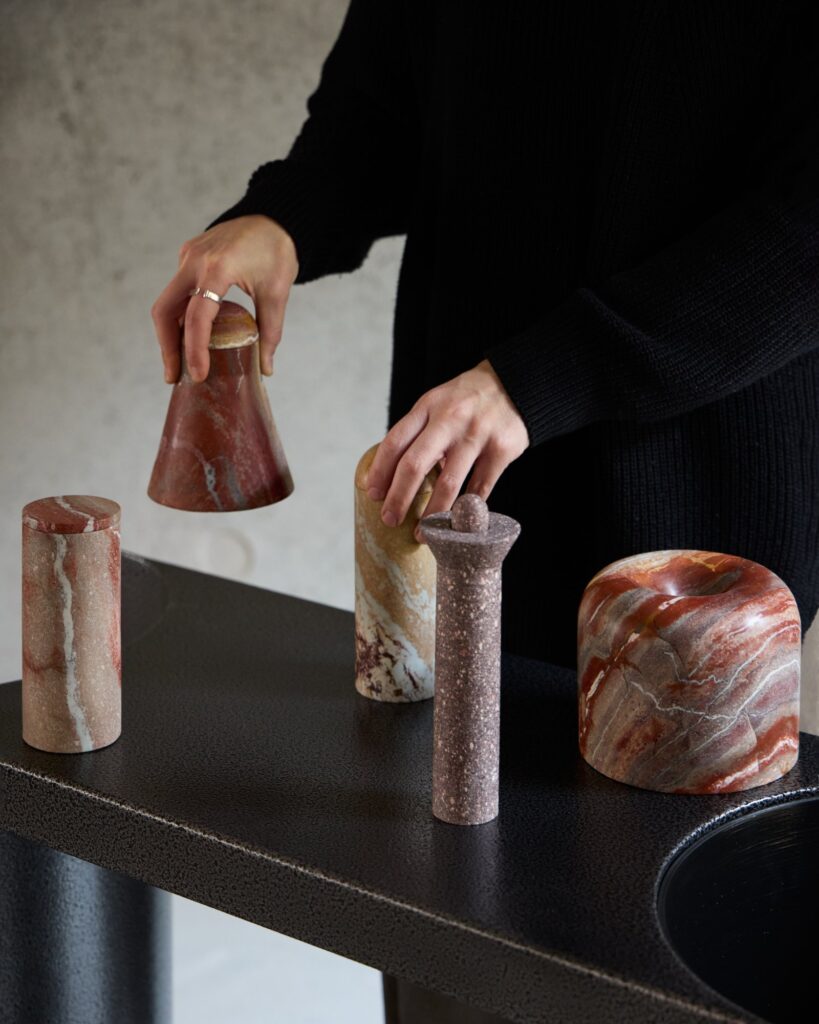
Rather than navigating differences between countries, we build Holder’s identity through our curatorial vision. We are not interested in fragmenting the region by borders, but rather in gathering diverse practices under a common approach: the creation of objects with a domestic language, formal originality, and artisanal precision. Holder’s coherence does not stem from a nationality, but from how each piece materializes the culture of its place of origin and expands the regional discourse into a global context.
Under this vision, our catalog is articulated around two transversal ways of doing things that cross the entire continent. On one hand, we rescue local industrial processes and their specialized labor—reinterpreting their codes against the impact of globalization—and on the other, we drive the development of unique pieces based on material and formal speculation. This generates a rational and abstract language deeply rooted in artisanal processes that verges on the art world while coexisting with everyday life.
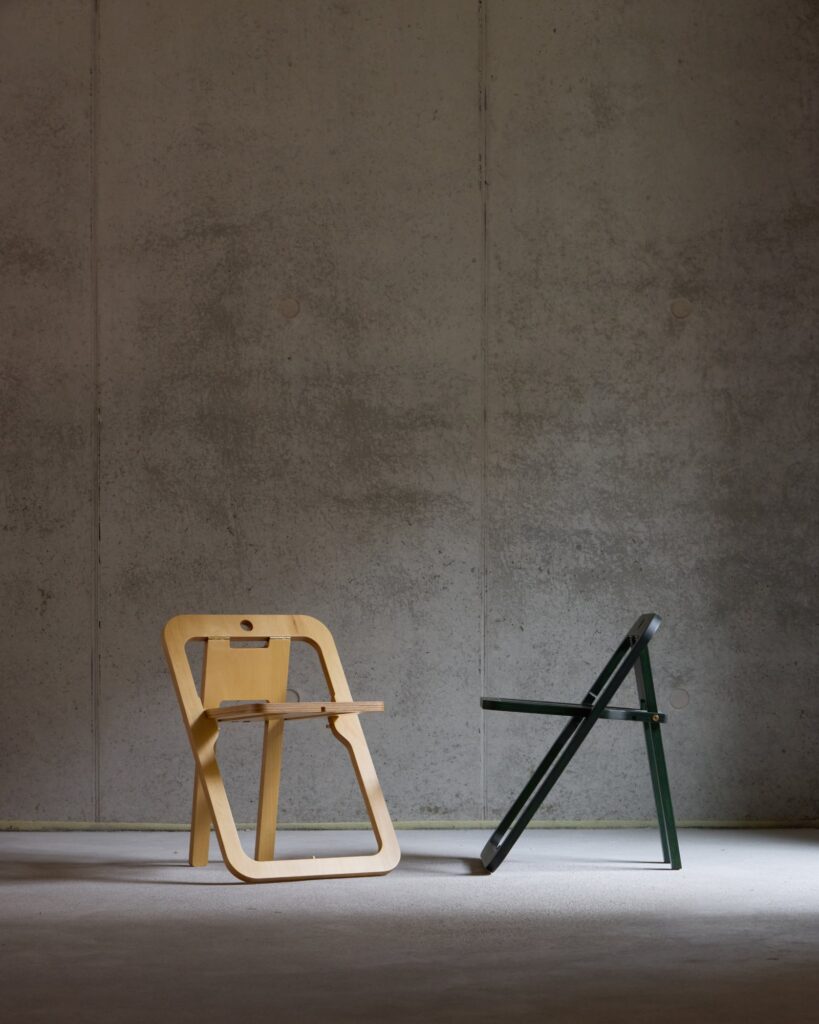
This coherence is further strengthened through what we call “design archaeology”: a research effort to recover the material memory of historical Latin American pieces that deserve global recognition, such as the Puzzle Chair (1975, Juan Baixas, Chile) or the Plaka Chair (1973, Ricardo Blanco, Argentina), both part of the permanent collection at MoMA. Ultimately, Holder does not divide by countries; it unifies through a living archive of high informative quality and objects with profound discursive weight.
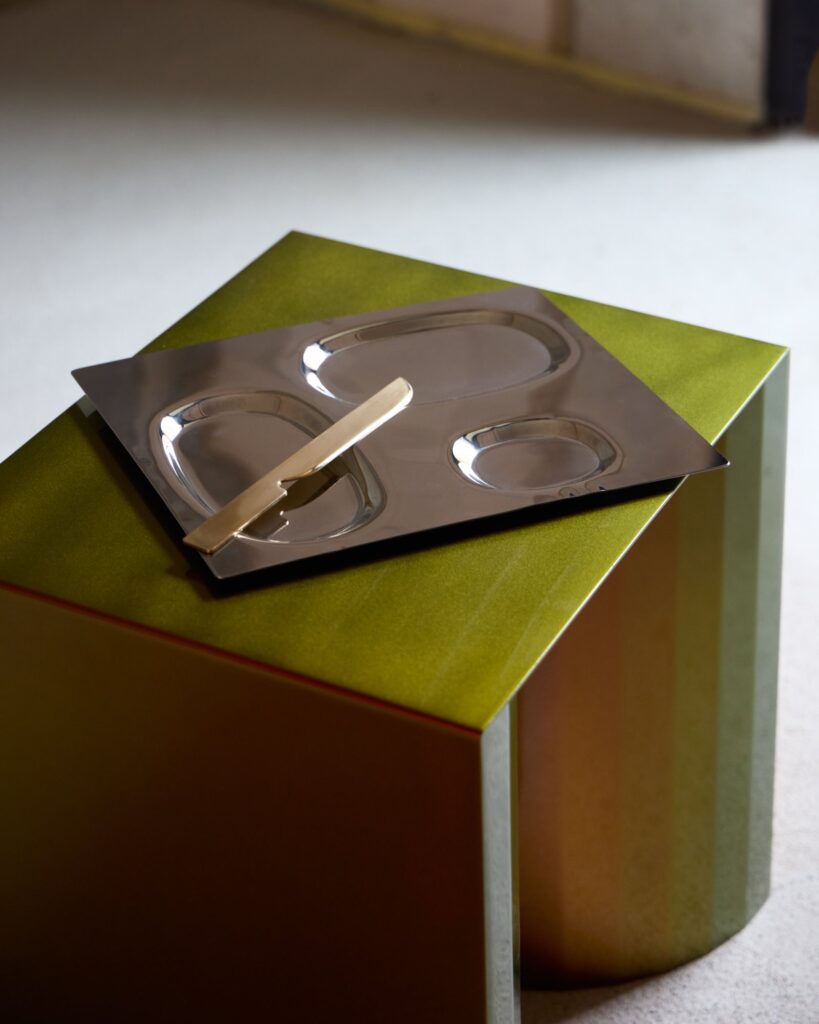
Holder is more than a gallery, it is an active investment in a design culture that has long been present but rarely seen. Through their design archaeology, they are bringing back into circulation pieces that shaped a continent’s visual identity without ever reaching the global stage. And through their ongoing collaboration with contemporary studios, among them Agustina Ros, Ananas Ananas, CLUBE, Fango, Kilzi, Panorammma, Tu Taller, and others, they are giving the current generation a platform it has historically lacked.
This work does not exist in isolation. As Latin America gradually claims its space in the global design conversation, driven by events like Mexico Design Week, Zona Maco, and a growing international curiosity toward the region, the conditions are finally in place for something to shift. Holder Objects is betting on that shift, and making sure that when it happens, the designers and the objects are already there, ready to be seen.
All images courtesy of Holder, shared with permission
https://www.holder-objects.com
Interested in publishing your work?
If you are interested in having your work featured on Visual Atelier 8, please visit our Submission page. Once approved, your work will be presented to our global audience of professionals and enthusiasts.