DON’T CALL ME COLLECTIBLE! looks beyond the market value of design
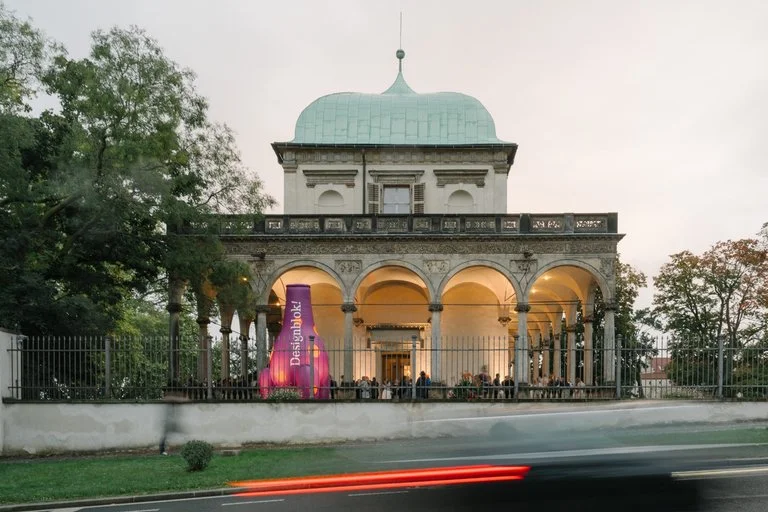
Vestigia 2026 returns to Villa Marie in Tuscany with DON’T CALL ME COLLECTIBLE!, an exhibition curated by Cosimo Bonciani. The project brings together contemporary designers whose work moves through material research, craft and territory. Instead of treating objects as market categories, the exhibition looks at design as a cultural practice shaped by place, memory and making, a regional design inquiry mirrored where Deta Studio gives silence a geometric form in Tucker Series in Puglia.
The exhibition takes its title as a direct statement. In recent years, collectible design has become a dominant category for objects that sit between art, sculpture, furniture and high-end craftsmanship. While the term has helped give visibility to independent designers and limited-edition works, it has also reduced many practices to market language—a nuanced curatorial critique also explored when Movimento Gallery brings collectible design to Lake Como Design Festival 2026. DON’T CALL ME COLLECTIBLE! asks viewers to look beyond price, rarity and ownership, and to consider the object as the outcome of research.
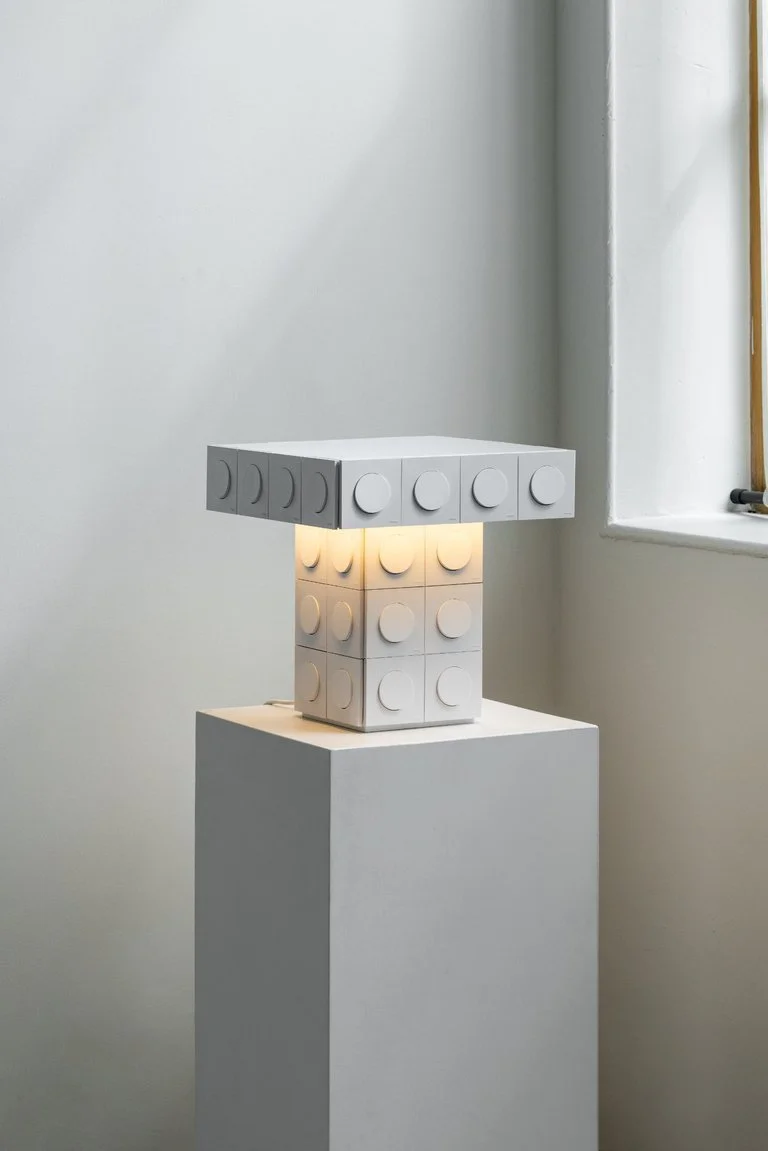
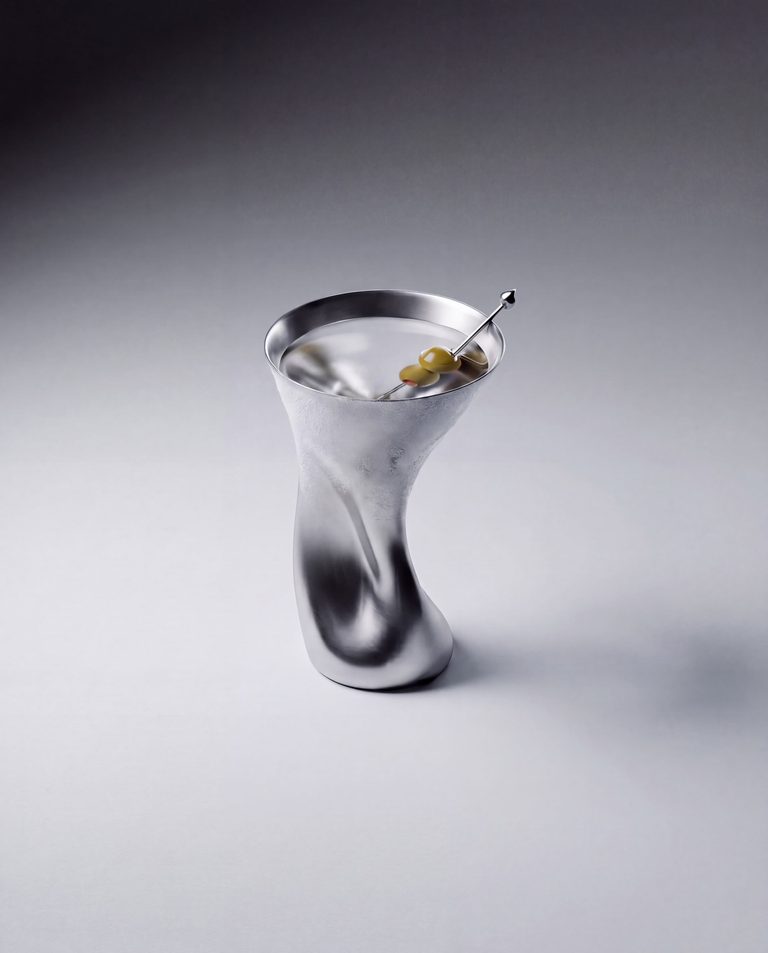
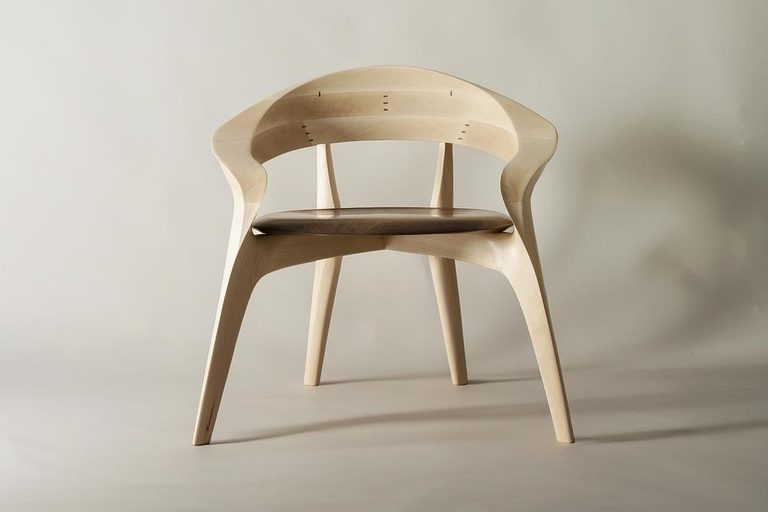
Participants include Bunker Studio, Costantino Gucci, Duccio Maria Gambi, ETEREO, Filippo Mannucci, Francesco Doria, Francesco Maria Messina, IAMMI IAMMI, Jacob Egeberg, Jonathan Bocca, Laurids Gallée, Leonardo Cappellini, Millim Studio, Moneyless, Neemesi, Older Studio, Studio Shepherd, TABLEAU x Bloc Studios, TERRÆSTUDIO, Tips Studio, Tommaso Pardini and Tommaso Spinzi. What connects them is the way each work starts from a specific material, gesture or local reference, and turns it into a contemporary object.
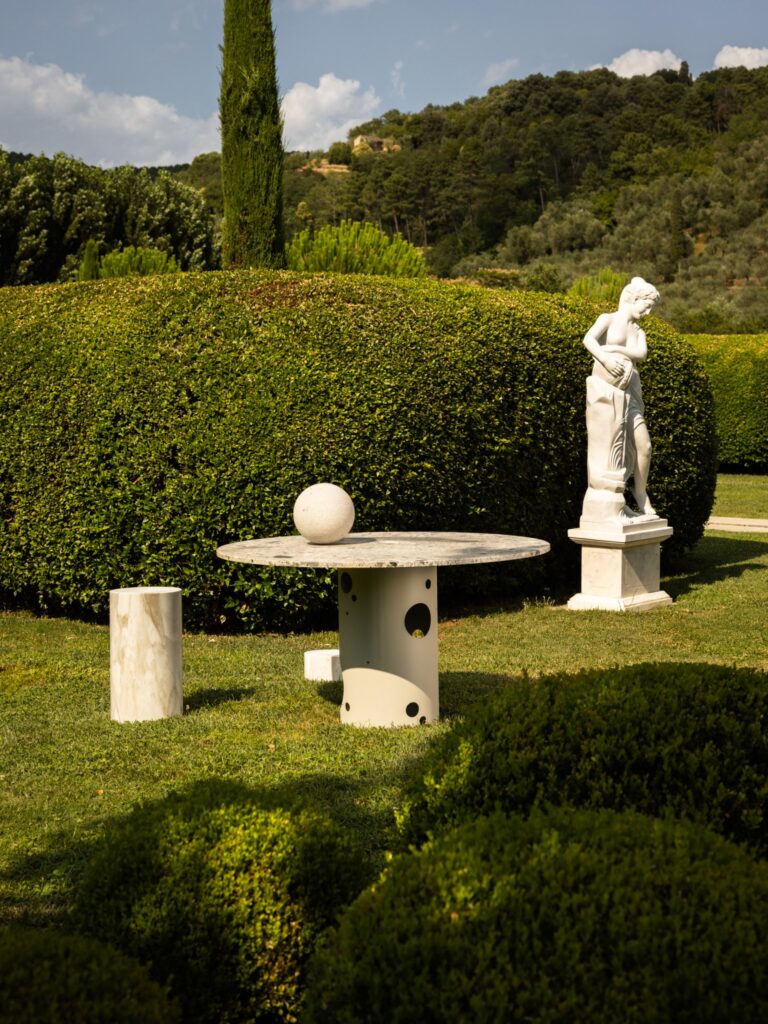
This approach is framed through Vestigia, described not simply as an exhibition, but as a temporary ecosystem inside Villa Marie. Each designer brings a different material and conceptual background, allowing techniques, references and geographies to meet without being fixed into a single identity. The project takes inspiration from Carlo Mollino’s statement, “Everything is permitted, provided it is fantastic,” reading it not as a celebration of excess, but as an invitation to move across categories with freedom and precision.
At the centre of the exhibition is the idea of research design. Here, the object is not presented as a finished luxury product, but as a physical trace of thinking, testing and transformation. Materials and ancestral techniques are treated as active tools, not as nostalgic references or decorative heritage. They return as ways to read the present, connecting bodies, communities and matter through processes that cannot be reduced to digital images or commercial display—a tactile devotion to raw metalwork echoed in our interview with William Guillon on the tragic beauty of bronze.
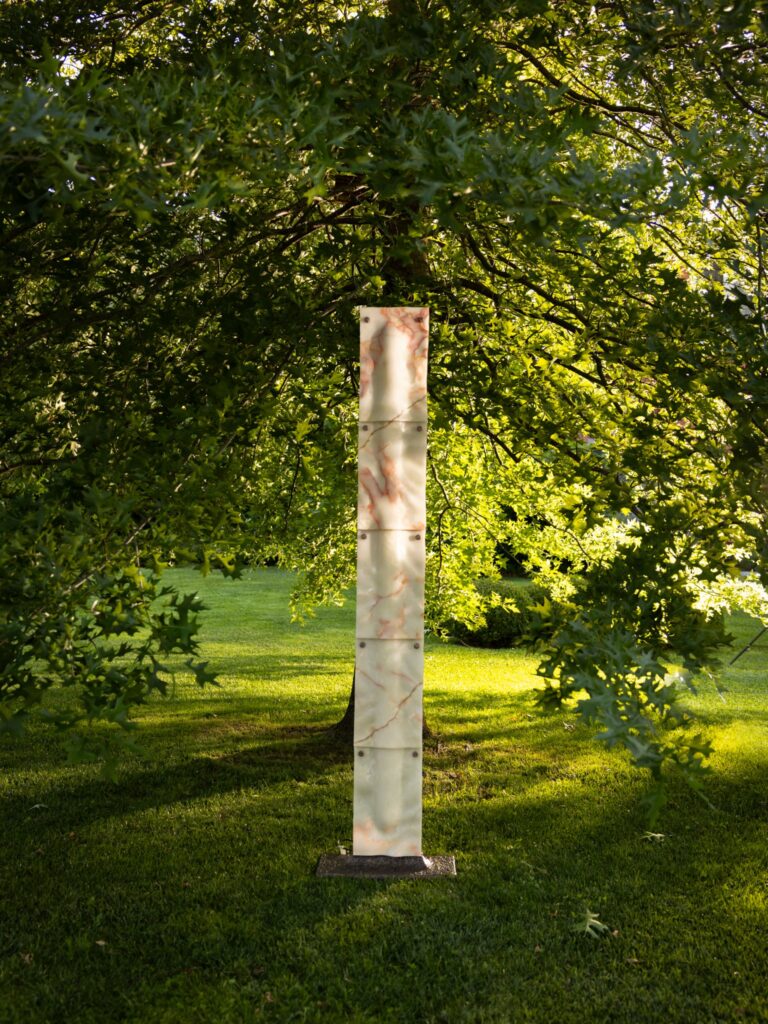
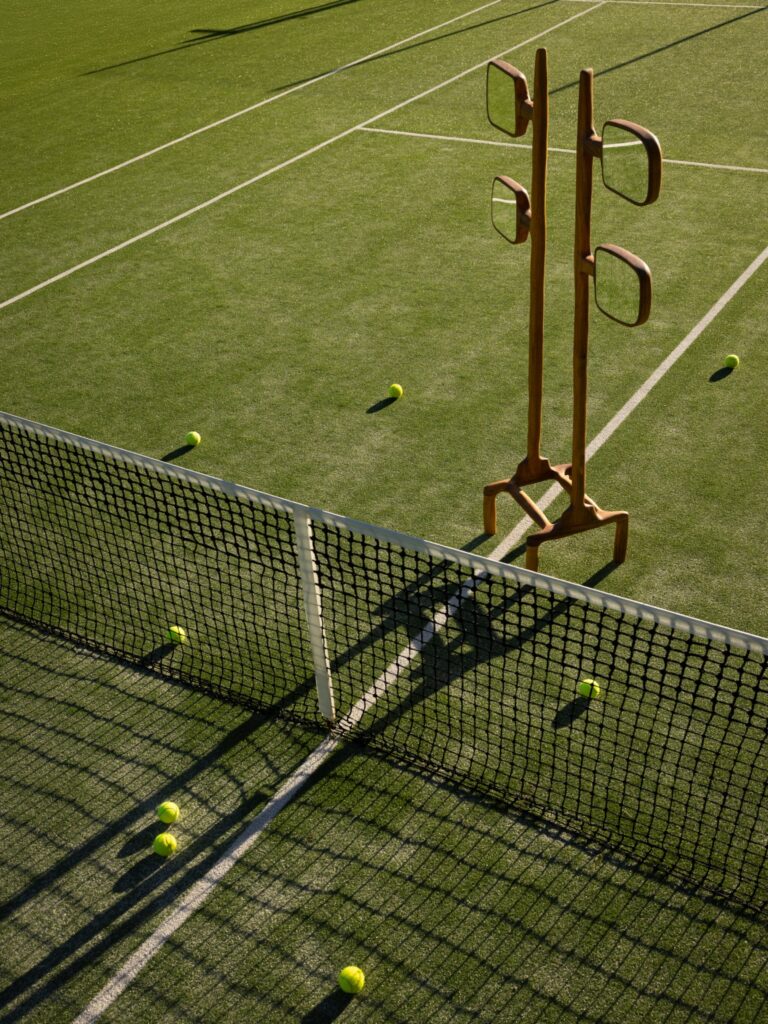
Tuscany plays an important role, but not as a scenic theme. The exhibition does not use the territory as a romantic backdrop or a collection of cultural symbols. Instead, it treats the region as a living system of gestures, economies, materials and histories. In this context, place is understood as something layered and active, shaped by art, architecture, production and social relationships over time.
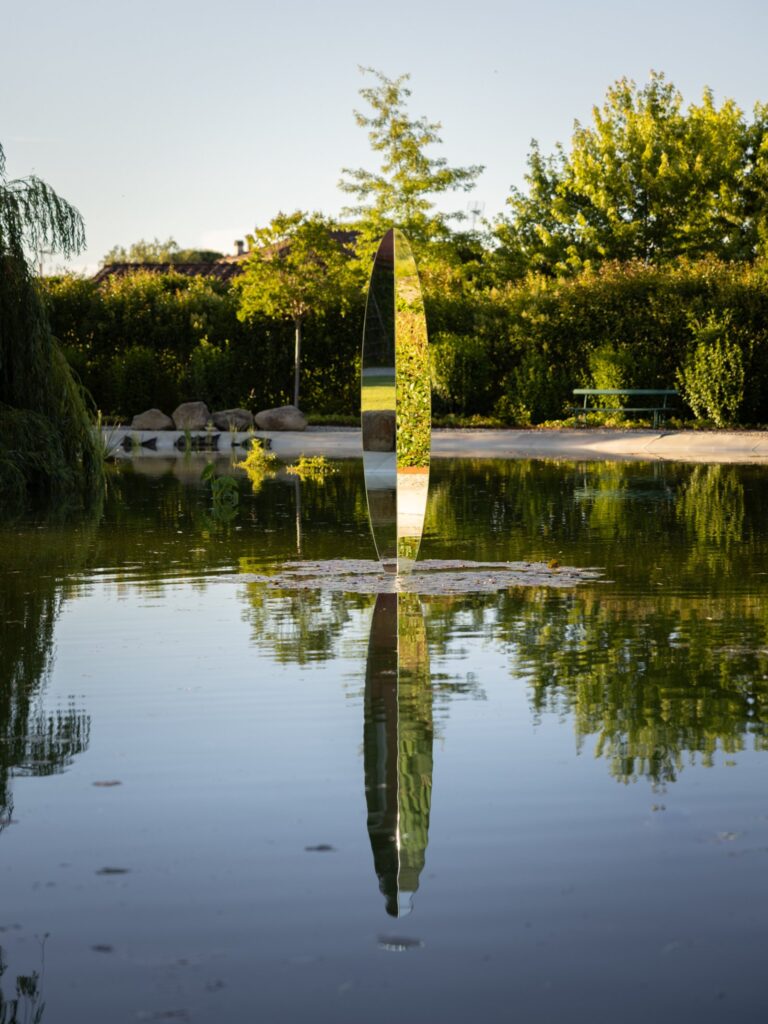
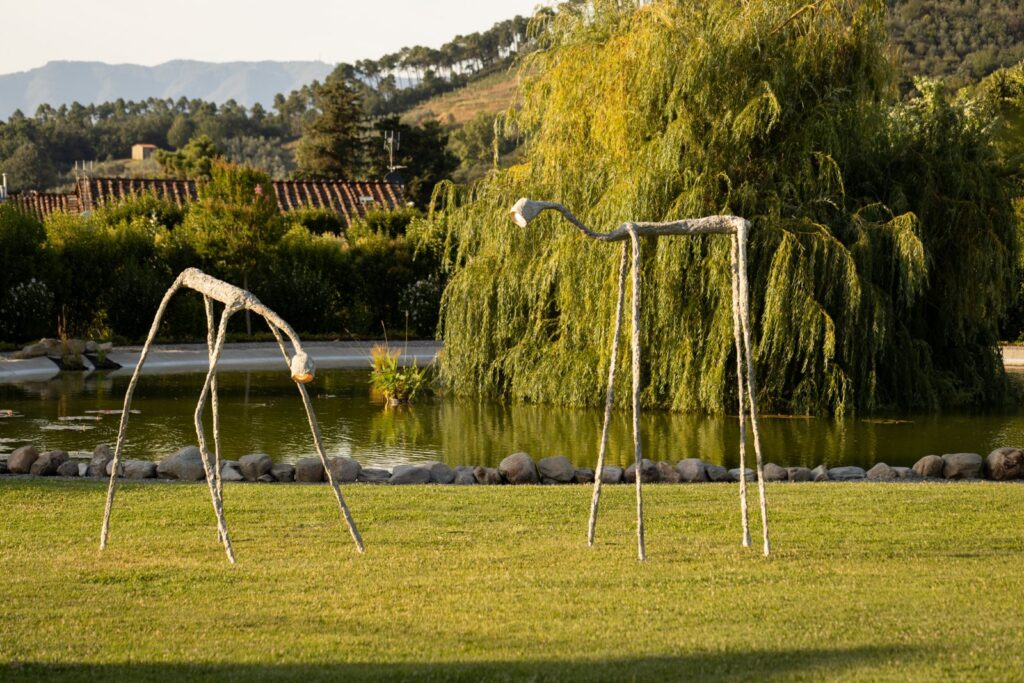
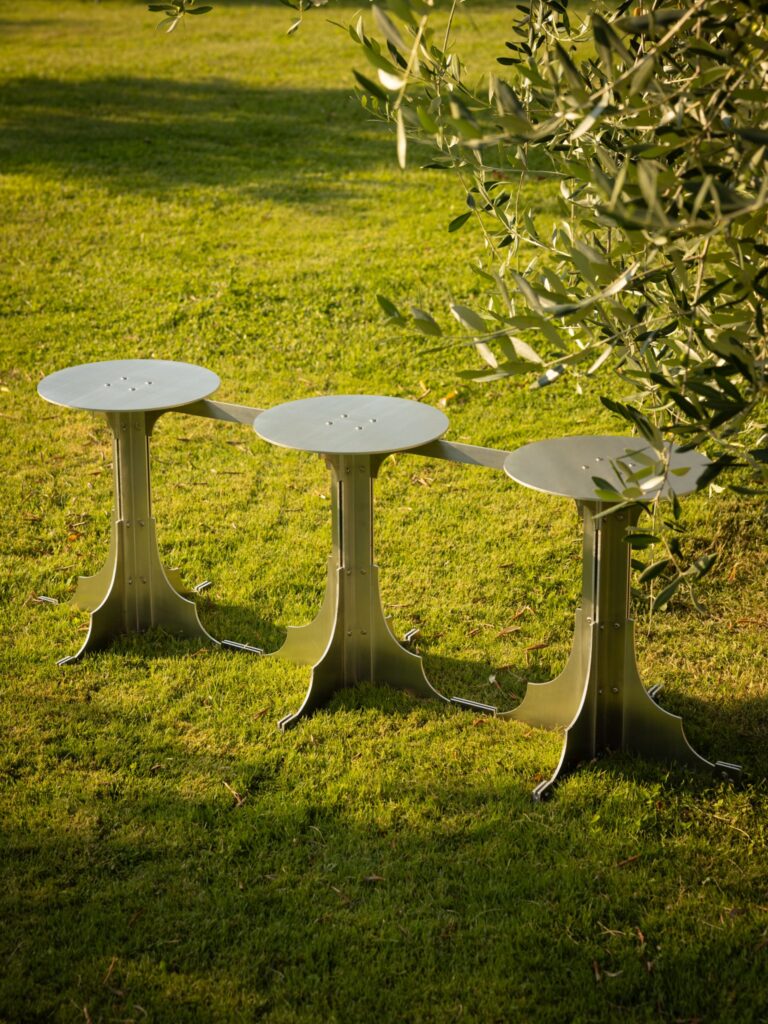
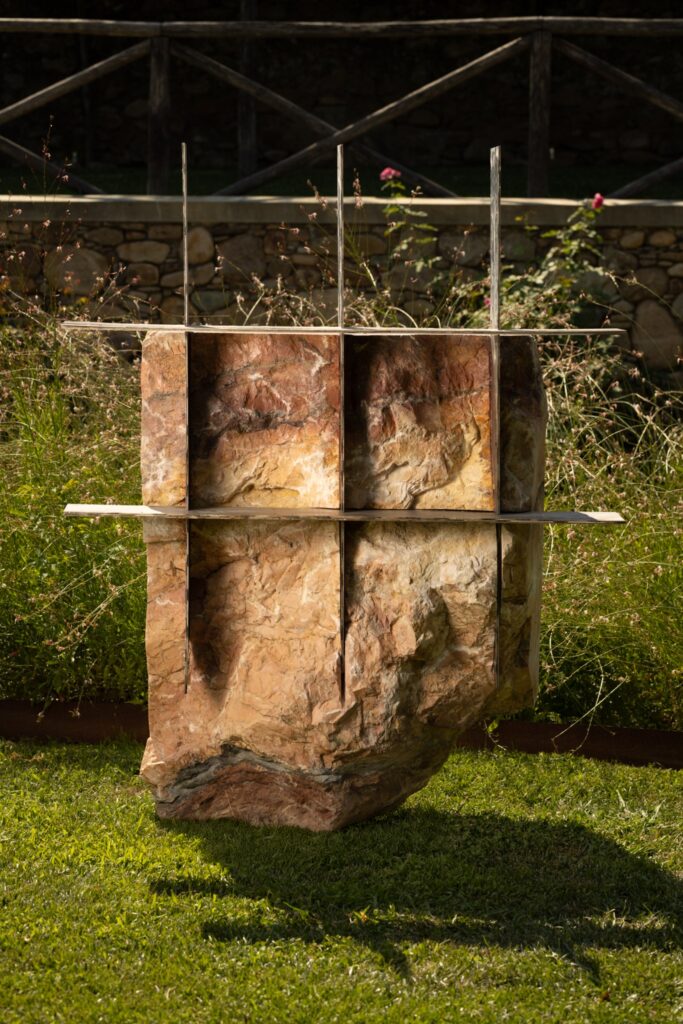
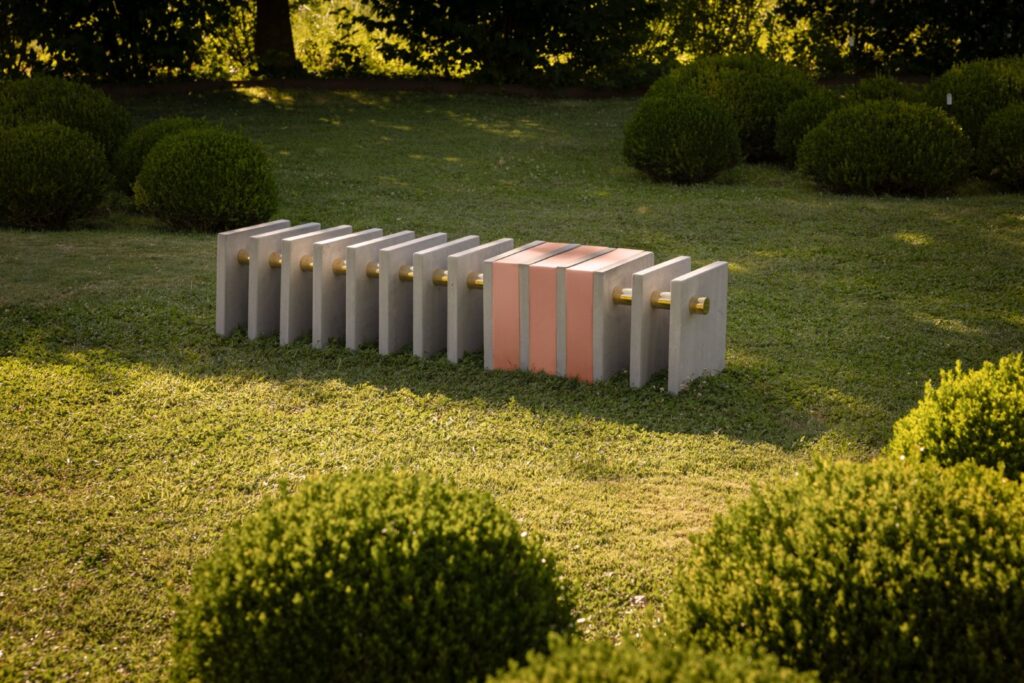
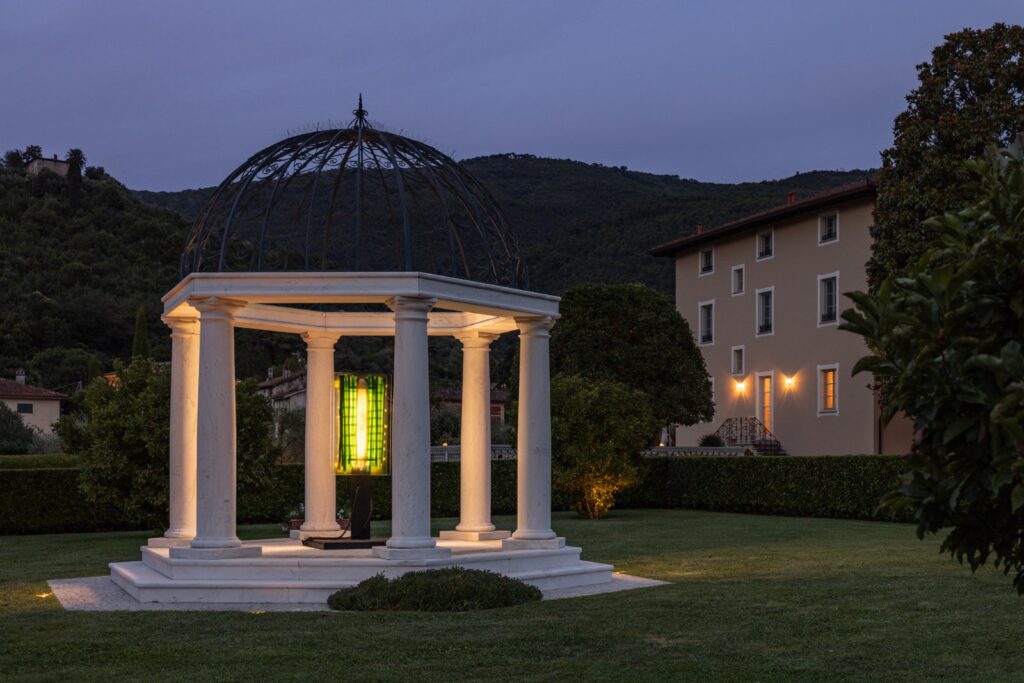
This relationship between territory and design gives Vestigia 2026 its structure. The objects are shown within the light, stone, foliage and architecture of Villa Marie, where they enter into a direct relationship with their surroundings. They are not isolated on neutral pedestals. They are placed in a context that affects how they are seen, how they are understood and how their materials respond to space.
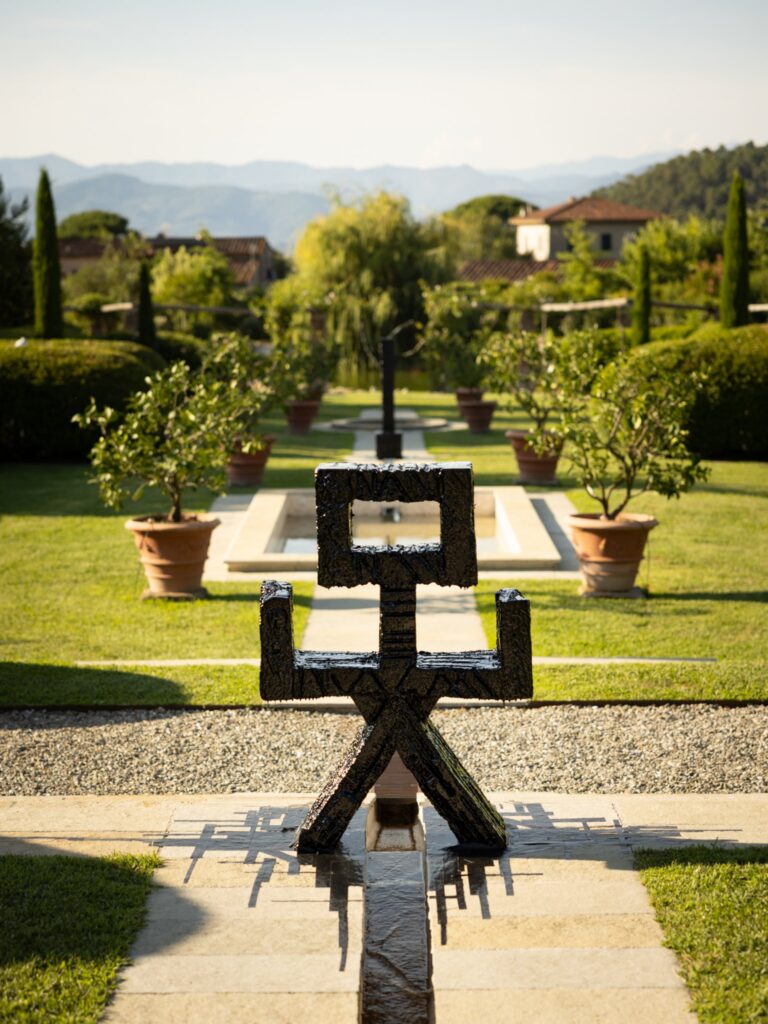
The exhibition also points to a wider shift in contemporary design. As objects increasingly circulate through fairs, galleries, online platforms and private collections, their meaning can be flattened into images and investment value. DON’T CALL ME COLLECTIBLE! proposes another reading: design as cultural language, where value comes from an object’s ability to make visible the relationship between matter, body, place and thought.
Rather than rejecting the market entirely, the exhibition argues for a more careful vocabulary around contemporary objects. A piece may enter a collection, but that should not be the only way to understand it. At Villa Marie, Vestigia 2026 presents design as a practice of knowledge, where making becomes a way to question how we inherit, transform and inhabit the material world, a territorial craft rediscovery also highlighted where Contemporary Roots connects Tuscia craftsmanship with Renaissance architecture.
All images by Dario Borruto, shared with permission