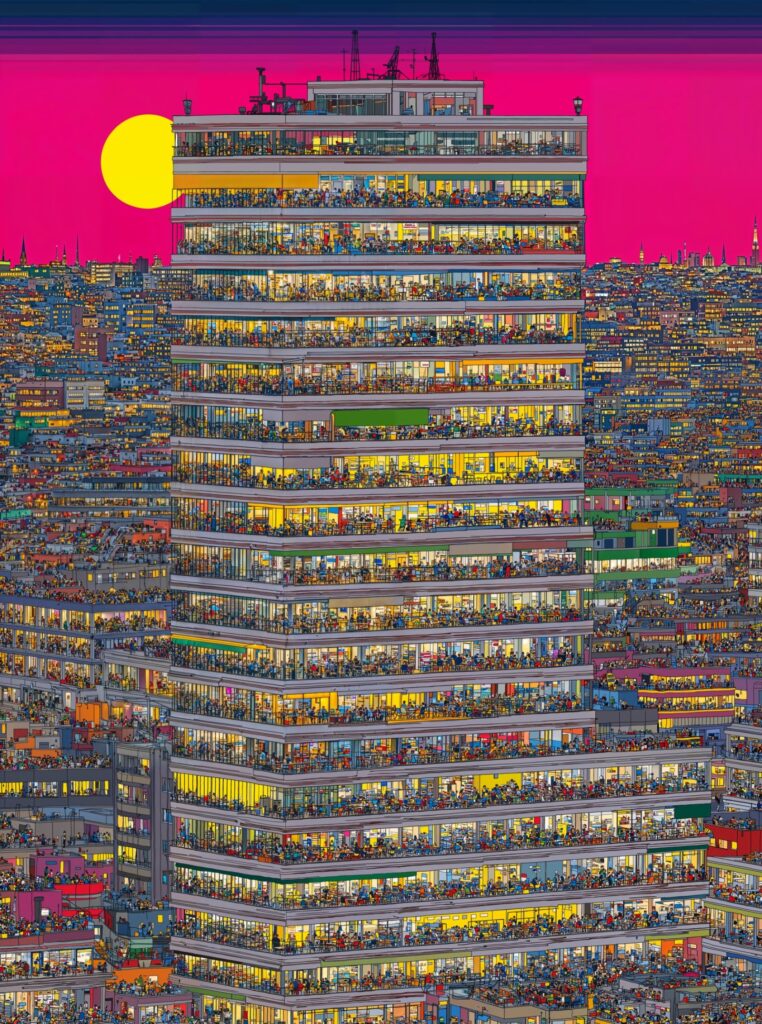
Inside Richard Nadler’s dense and imagined digital worlds
Richard Nadler is a contemporary digital artist based in Munich whose work develops at the intersection of artificial intelligence, generative processes and drawing. His practice is highly detailed and carefully constructed, often combining complex environments with a strong sense of rhythm and visual order. Similar to how Rick Dick explores AI image making to question contemporary visual aesthetics, Nadler uses digital tools to build images that feel both controlled and expansive, with compositions that reward close observation and reveal new details over time.
His interest in art developed long before digital production became central to his practice. Nadler grew up in the Bavarian countryside in a family closely connected to visual culture. His grandfather and mother were painters, while his father collected African art. He later studied business and finance and worked in London’s banking sector before deciding to focus fully on art. His introduction to blockchain and early generative art opened a new direction, giving him access to tools that could support a more complex and computational way of working.
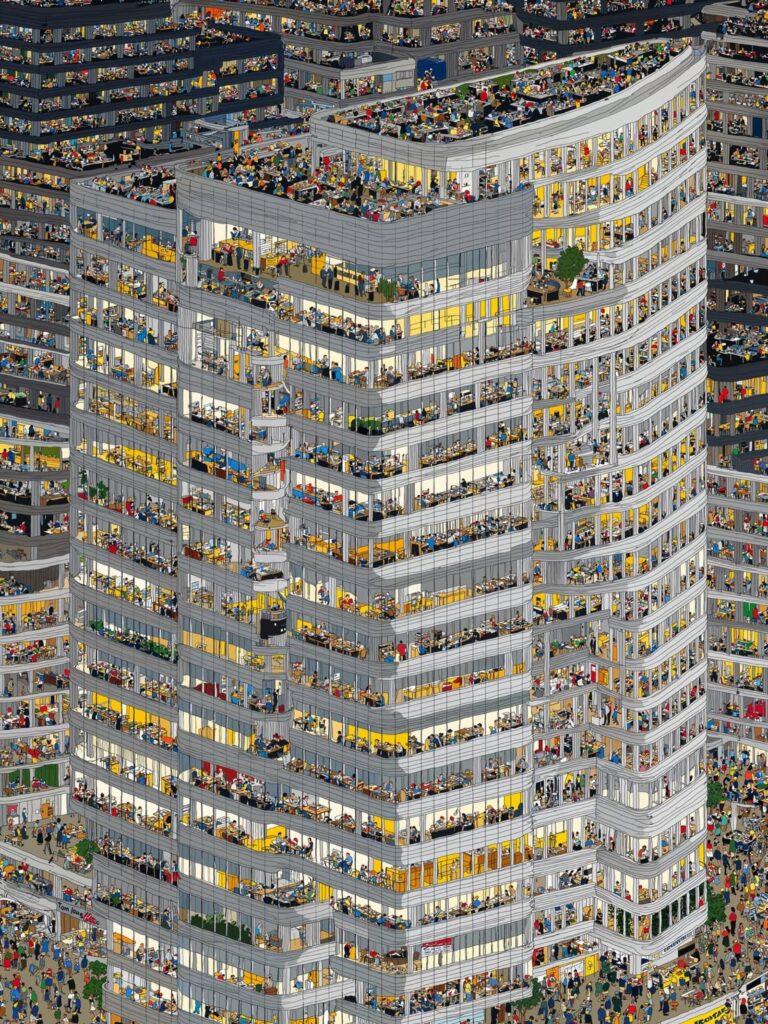
Artificial intelligence plays an important role in this process, but Nadler does not treat it as an automatic image-making system. He develops custom-trained models and often begins from his own sketches, using AI as one stage within a longer sequence of decisions. Generated material is edited, refined and reworked until the final image carries a clear visual identity, expanding machine learning into a profound artistic discipline on par with how DATALAND opens Museum of AI Arts in Los Angeles. This method allows him to maintain authorship over composition and detail while taking advantage of the scale and variation offered by generative systems.
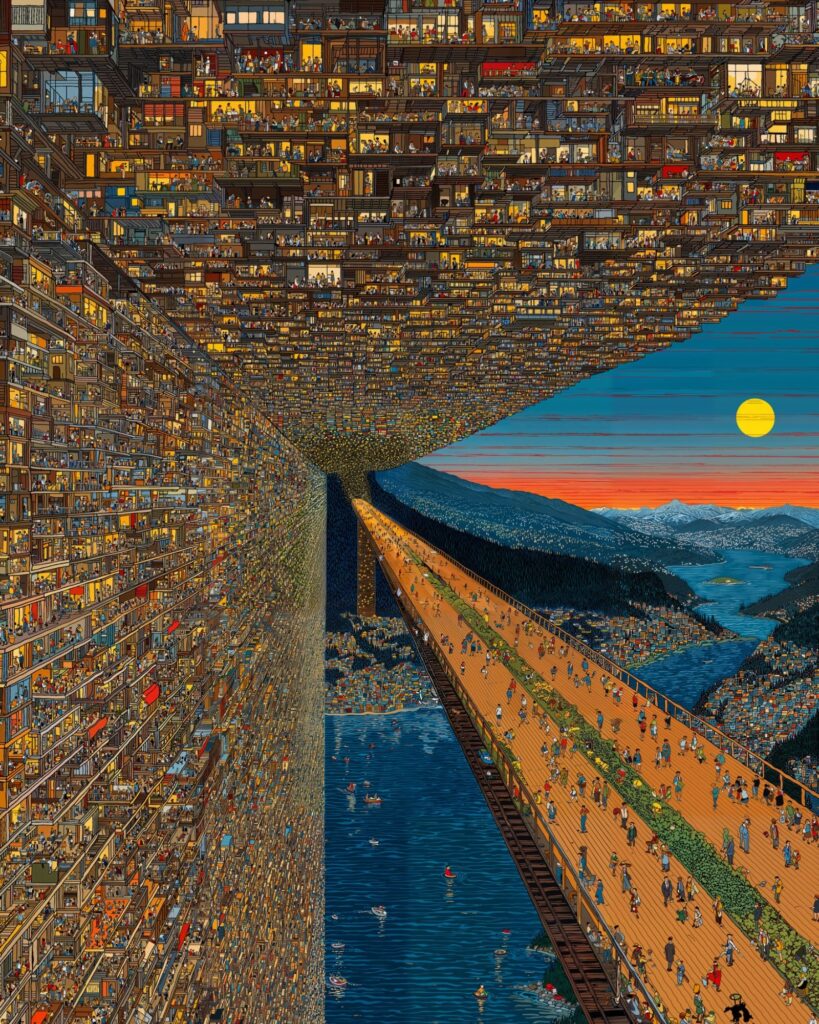
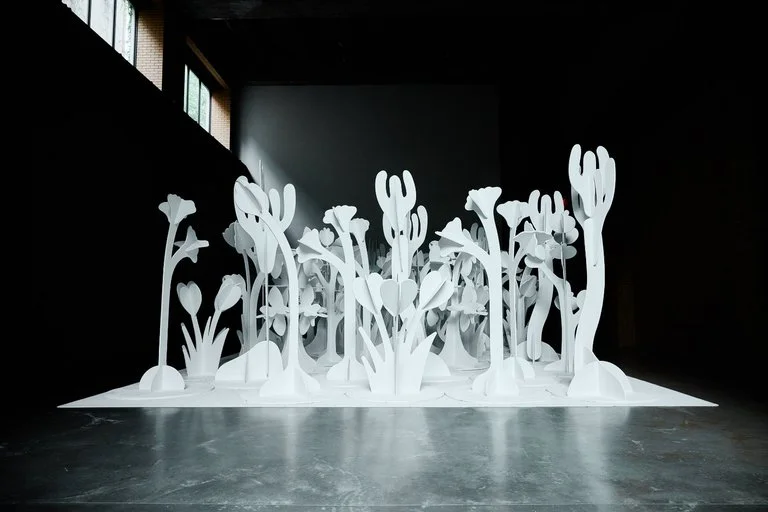
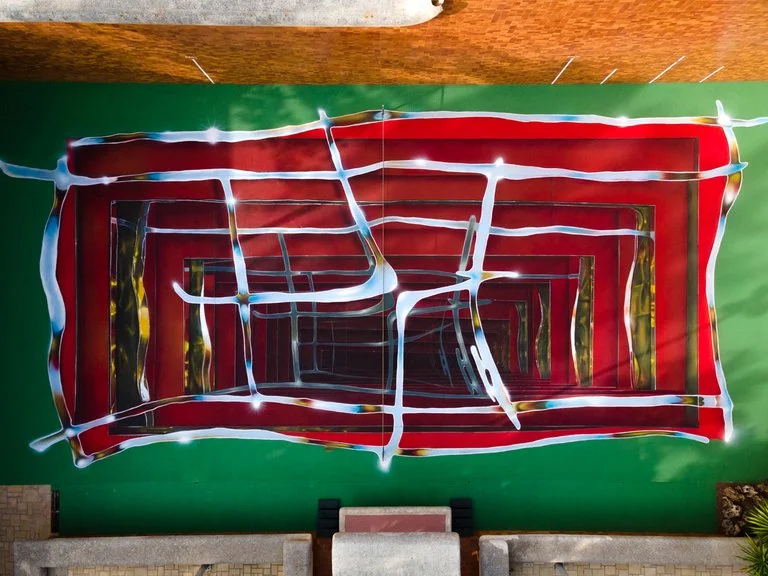
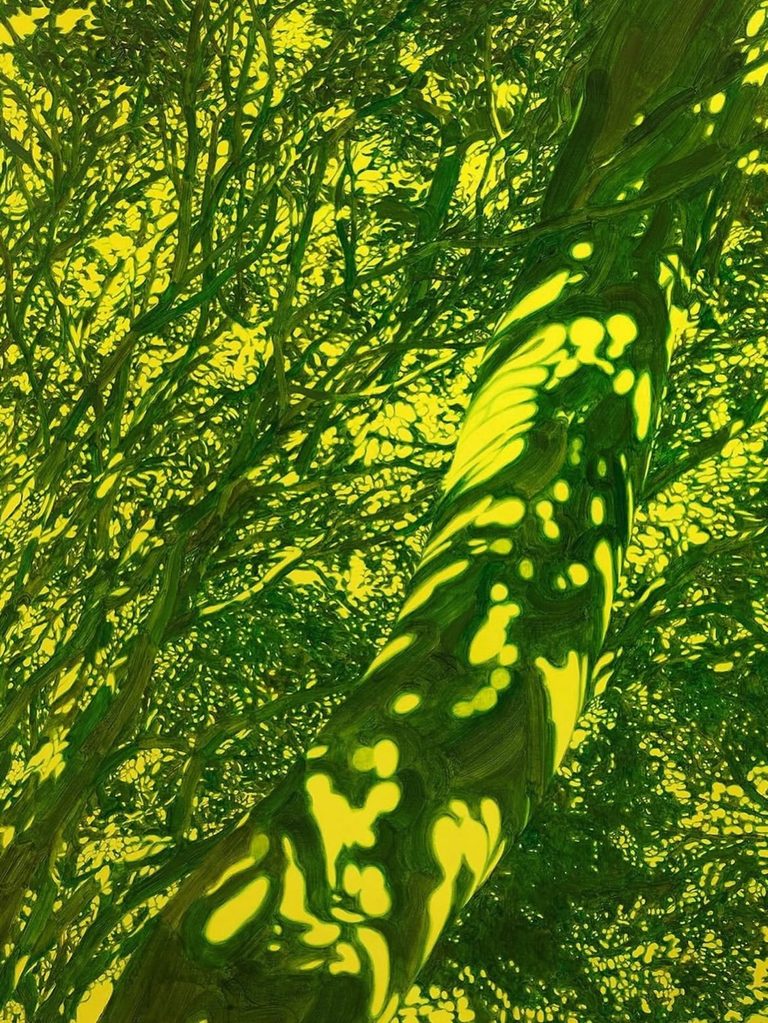
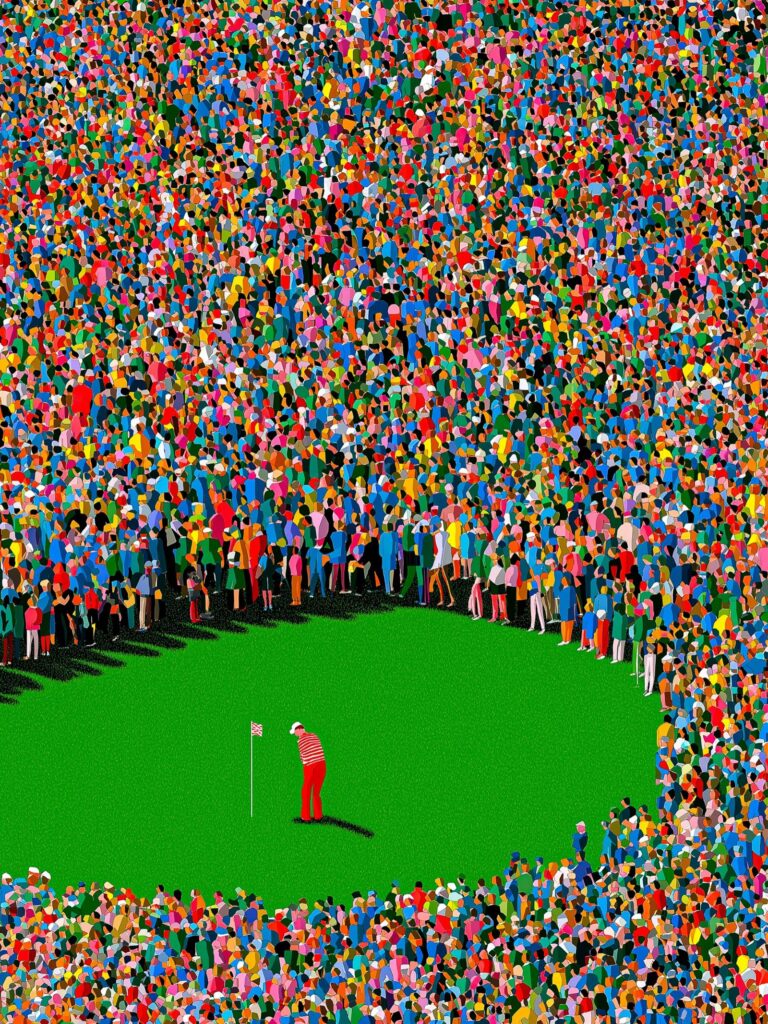
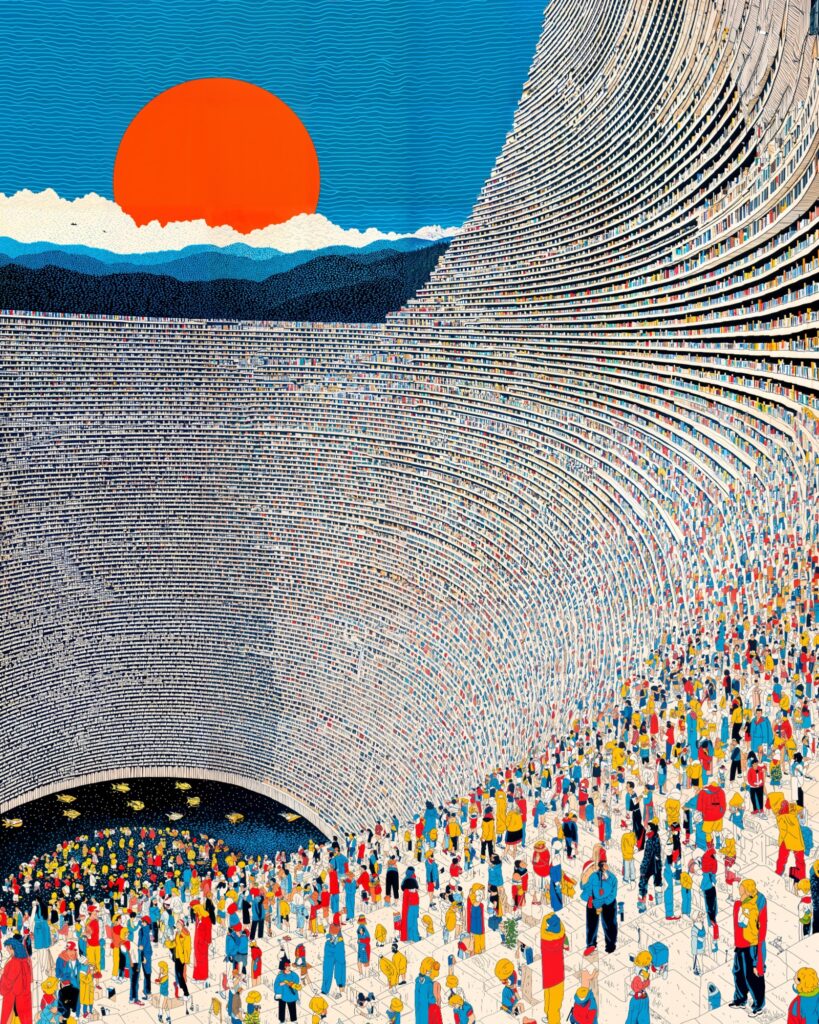
One of the most recognisable qualities of Nadler’s work is the density of information within each image. His compositions often contain numerous figures, structures or visual events organised within a precise framework. Repetition is used to create rhythm, while small variations prevent the image from becoming static. Paralleling the intricate CGI world-building in the architectural landscapes by George Brad, this balance between order and complexity gives his work a distinctive character and places it somewhere between digital illustration, generative art and contemporary image-making.
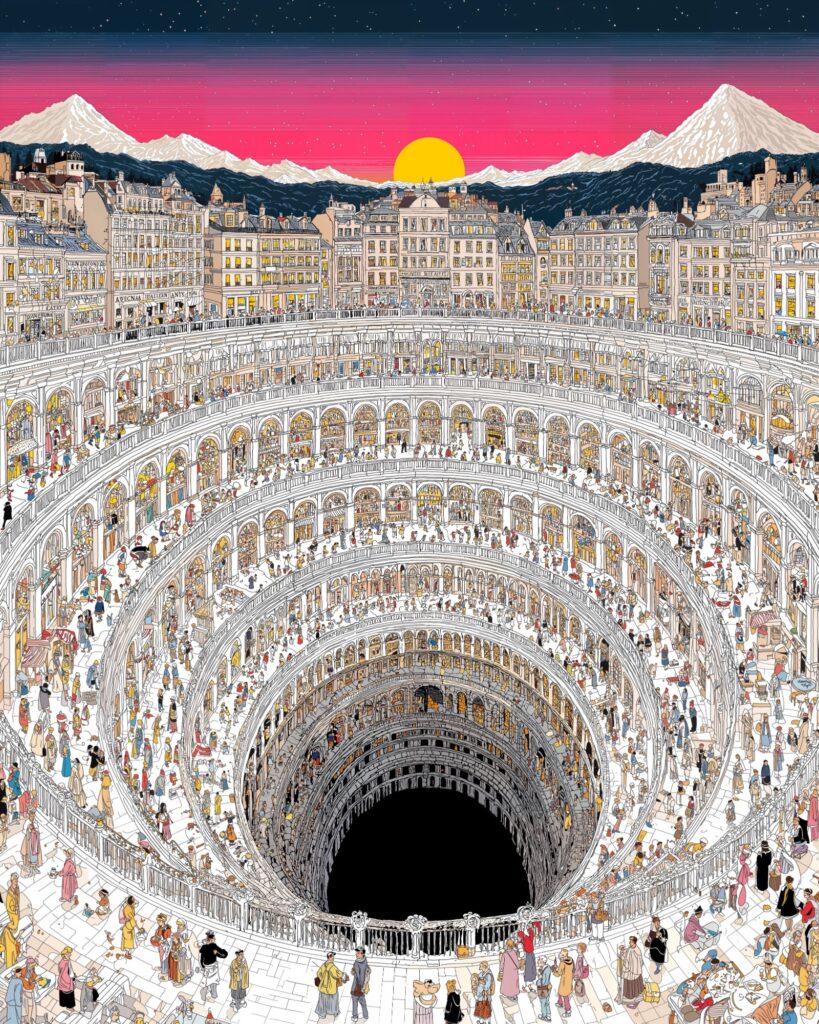
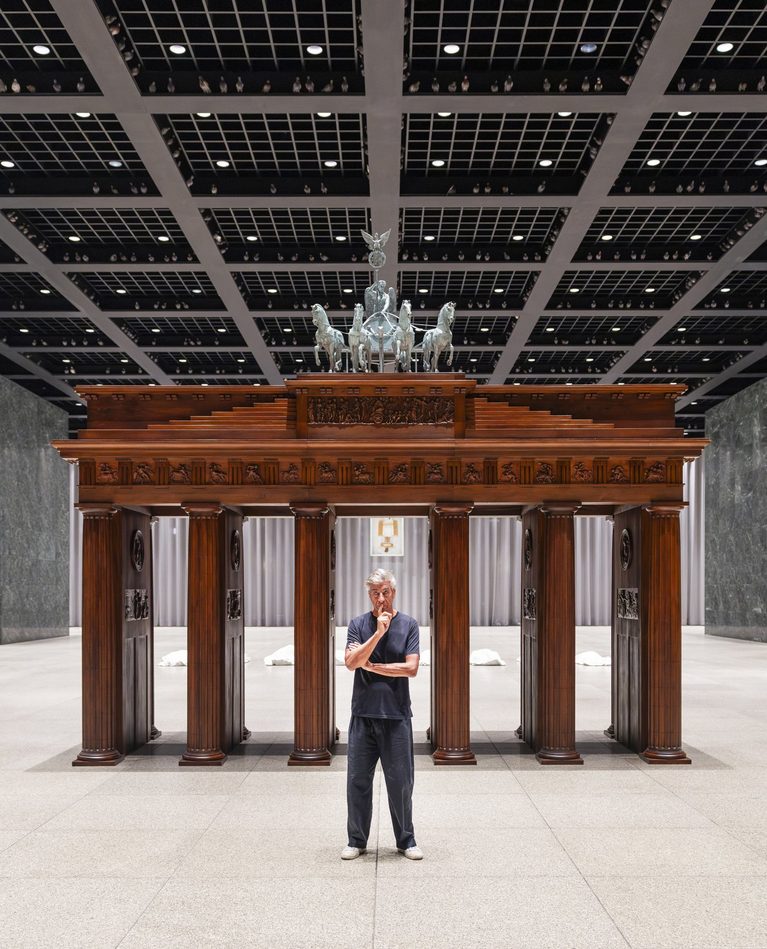
Personal memory also remains an important part of his practice. Nadler travelled extensively through Japan with his father during childhood, and those experiences have continued to influence his visual imagination. References to place, architecture and cultural memory often appear indirectly, transformed through digital processes instead of reproduced literally. The result is a body of work in which technology becomes a way to reconstruct and reinterpret experience.
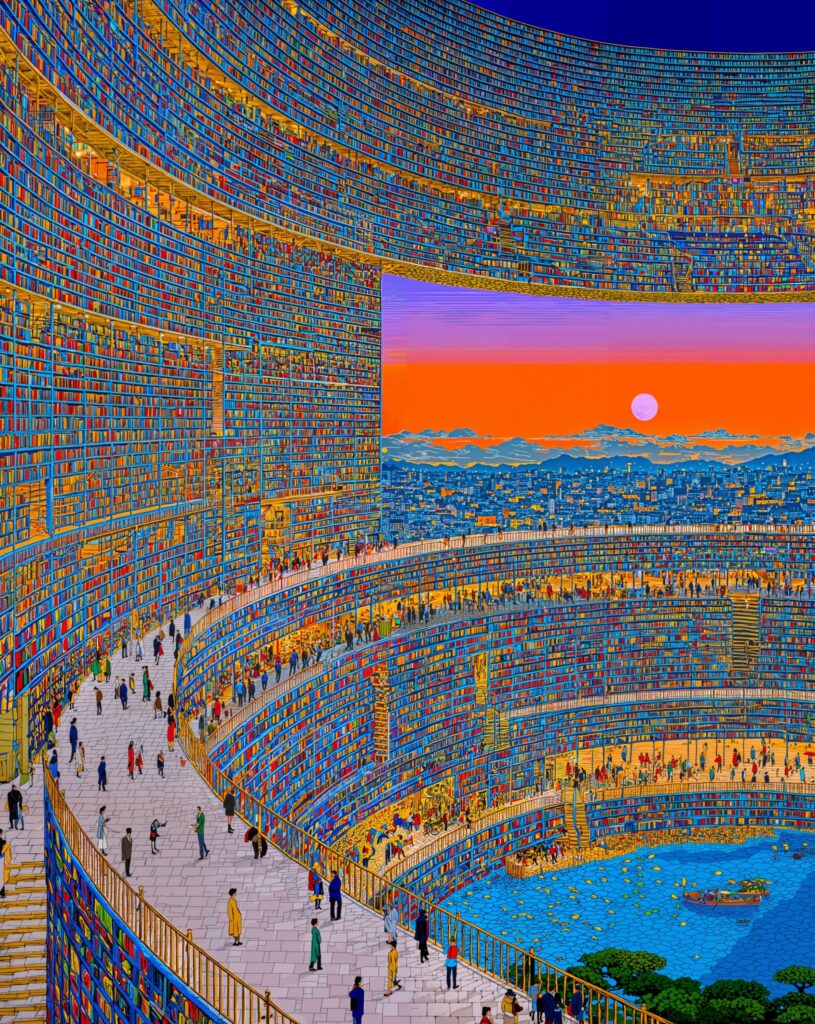
Nadler’s work has been exhibited across Europe, North America and Asia, reflecting the growing international visibility of his practice. His approach shows how artificial intelligence can function as part of a broader artistic method without becoming the sole focus of the work. What defines his practice most clearly is the way he combines technical systems with personal references, building detailed digital worlds—dialoguing with the ancient-future architectural visions of Jesperish—that remain precise, recognisable and visually consistent.
All images credit: Richard Nadler