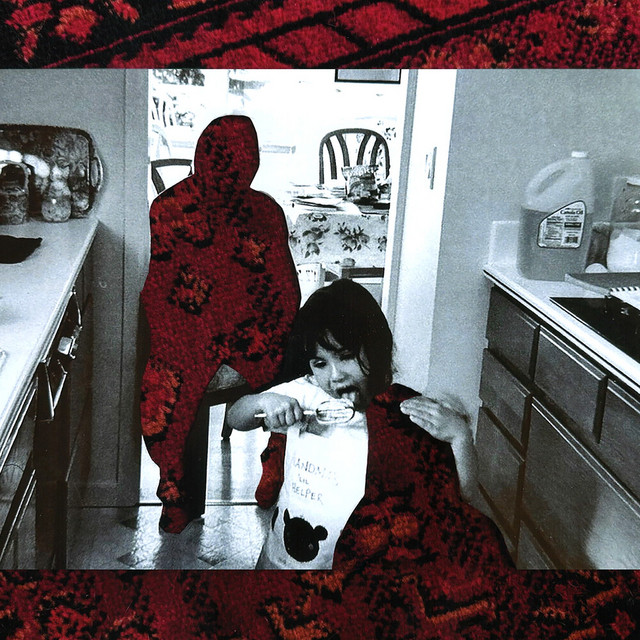
Tess Clare builds DIVA 98 around a refusal to wait for permission, and the two songs “Not Here For You” and “Hit List” give that refusal two different voices. Where the album begins from the realization that making the work matters more than becoming somebody first, these songs turn that realization toward relationships, self-image, and the moment when giving too much of yourself starts to look ridiculous.
Not Here For You
Tess Clare uses “Not Here For You” to break the habit of turning other people into fantasies and then mistaking those fantasies for desire. The song begins in a kitchen, with a man kissing her while she waits for herself to feel something she expects to feel, only to find herself numb instead. From there, the confession gets sharper: she has been idealizing men in her head, fantasizing and romanticizing them in bed, until even the fantasy becomes boring.
That boredom becomes the escape route. “I’m not here for you baby” is not a plea or a negotiation. The narrator stops trying to be rescued and even rejects the idea that going off the straight line needs correcting. Windy roads suit her better, lateness becomes a crime she is willing to commit, and the old habit of imagining men into something larger than they are starts to lose its appeal. By the final return, “I’m getting over this” has replaced the earlier question of whether she ever will.
The song leaves its freedom in that small correction. She is no longer spending her time thinking about guys, no longer feeding the versions she invented in her own head. The straight line is still there somewhere, but she has already stepped off it.
Hit List
Tess Clare gives “Hit List” a sharper weapon: disappointment becomes a reason to stop extending trust to people who keep withdrawing after asking for closeness. The narrator has grown accustomed to being built up and then dropped, watching people promise another meeting before disappearing, and the song treats that pattern less as heartbreak than as the point where patience runs out.
The language keeps escalating from confusion into retaliation. Someone can appear as a saint while she sees the devil underneath, walk away the moment they become interested, and assume she will forget. She answers with a list instead. “You burn a bitch / Then you’ll get an invitation” turns the memory of being hurt into a threat delivered with enough theatricality to belong to the song’s diva persona. The switch has flipped, the limit has arrived, and “I’m gonna do the same” gives the revenge its final turn.
That is where “Hit List” separates itself from simple bitterness. The narrator knows she has been giving away too much energy, but she also knows exactly what to do with the anger once she stops giving it away. The list remains open, waiting for another name.