In conversation with Johanna Vuorio about Nikari’s heritage, design approach and future direction
Since 1967, Nikari has built its identity through a close relationship with wood and an understanding of how the material changes with time. From its base in Fiskars, Finland, the company has developed a body of work where craftsmanship is not treated as nostalgia, but as an active part of contemporary design—a dedicated material dialogue with solid timber shared when Terry Aidoo creates Kabila Collection from sapele wood to honor African gathering rituals.
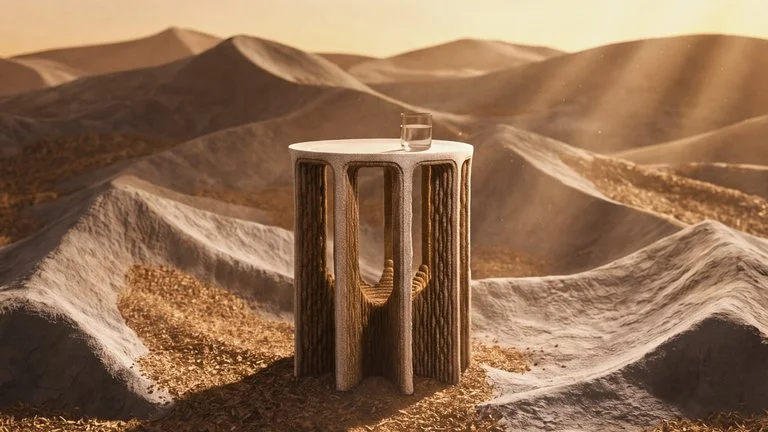
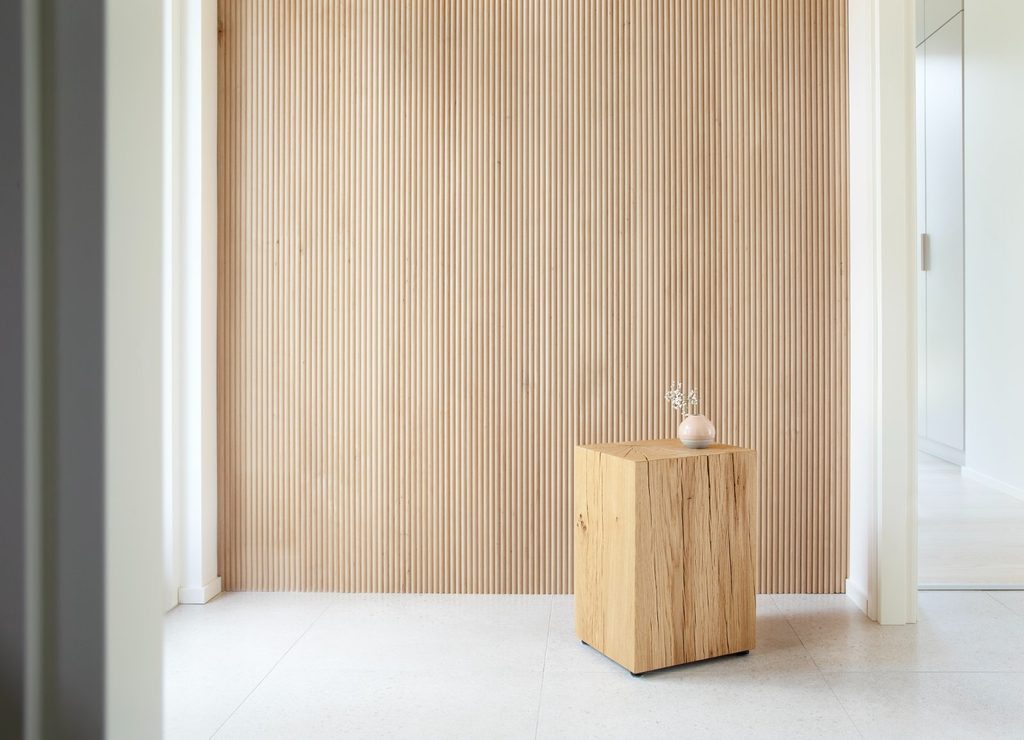
That continuity is visible in the Biennale stool-table, designed by Kari Virtanen for the Venice Architecture Biennale in 2014. More than a decade later, the piece has become the starting point for a new material experiment with Shimber. Its structural colour technology produces subtle shifts in tone as light and movement change, introducing a new visual layer while leaving the original form intact.
The project reflects a broader question that runs through Nikari’s work today: how can a company with such a strong material heritage continue to evolve without losing what made it relevant in the first place? This dialogue between traditional joinery and contemporary form resonates with global woodworking experiments, including the sculpted ORUHA wooden chair by Yedit. In this conversation, Nikari’s CEO, Johanna Vuorio, speaks about the value of long-lasting furniture, the knowledge held within making, and the role that new technologies can play in extending an established design language.
Nikari has been working with wood since 1967, building its identity around craftsmanship, material knowledge, and longevity. As CEO, how do you preserve that heritage while still allowing the company to evolve?
For me, preserving our heritage means staying true to the values that have guided Nikari from the beginning: respect for wood, craftsmanship, and creating furniture that lasts. At the same time, evolution is essential. We learn from new ideas, technologies, and collaborations, but always through the lens of our values. The foundation stays the same, while the expression can continue to grow.
Sustainability at Nikari goes beyond material choice and also involves durability, local production, and the lifespan of each object. What does responsible design mean to Nikari today?
Responsible design is about making thoughtful choices at every stage. We use sustainably sourced wood, produce locally, and focus on quality that stands the test of time. For us, it is never enough that a product is made from sustainable materials; it also needs to endure in use and remain desirable for decades. A piece must be beautiful, functional, and meaningful enough that people want to keep it, care for it, and eventually pass it on.
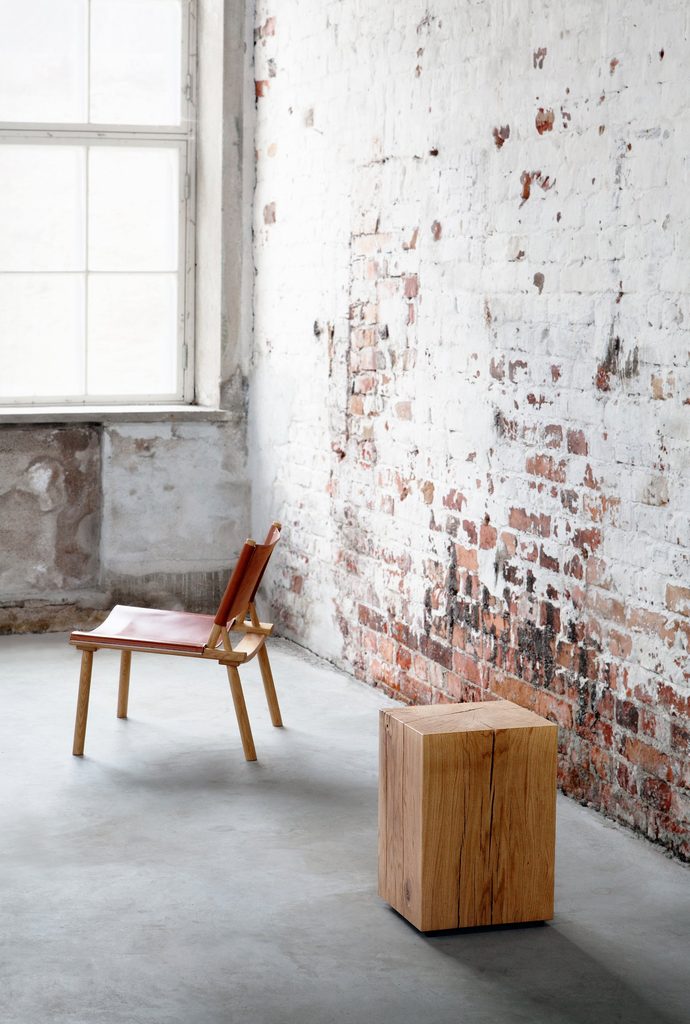
Nikari’s furniture is closely tied to wood and to a deep understanding of how the material behaves over time. How much does this knowledge influence the way a piece is designed from the very beginning?
It influences everything. Wood is a living material, and understanding how it moves, ages, and responds to its environment is essential from the first sketch onward. Good design works with the material rather than against it, and our experience with wood helps us create pieces that remain beautiful and functional over time.
The Biennale stool-table was originally designed by Kari Virtanen for the Venice Architecture Biennale in 2014. What made this established design the right piece to reinterpret through Shimber?
The Biennale stool-table is a very pure and versatile design. Its shape is simple and honest, which allowed the surface innovation to become a natural part of the story without competing with the form itself. At Nikari, we are passionate about bringing the latest innovations into the most traditional craftsmanship techniques, and Biennale provided the perfect platform for that dialogue between past and future.
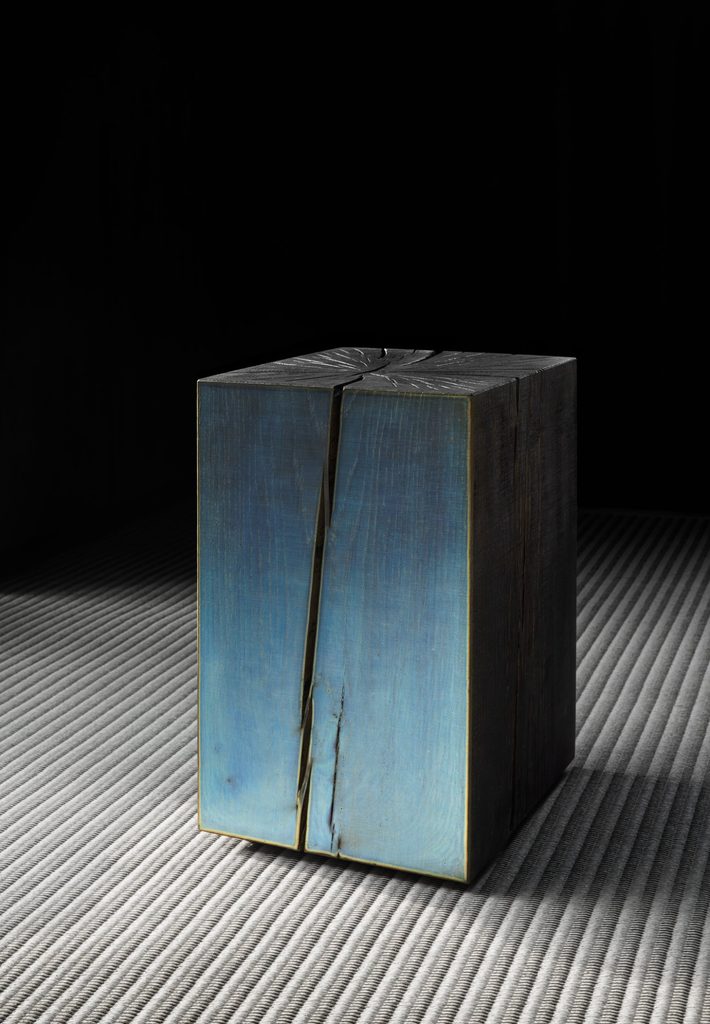
Shimber introduces a very different kind of material expression, with colour created through microscopic structures rather than pigments. What first interested you in bringing this kind of innovation into Nikari’s more traditional material language?
What intrigued us was the combination of innovation and material sensitivity. Although the technology is new, it shares something with our approach to wood: an appreciation of the material’s own qualities. We have always believed that tradition and innovation can strengthen one another, and we were excited to explore how a new material expression could coexist with traditional craftsmanship and material knowledge.
The surface is never completely static, shifting subtly with light, movement, and the viewer’s position. Do you think this gives the piece a new kind of presence, somewhere between furniture and visual experience?
Yes, I think it does. The changing surface creates a sense of curiosity and makes people look a little closer. The piece remains functional furniture, but it also invites observation and interaction in a way that feels almost poetic.
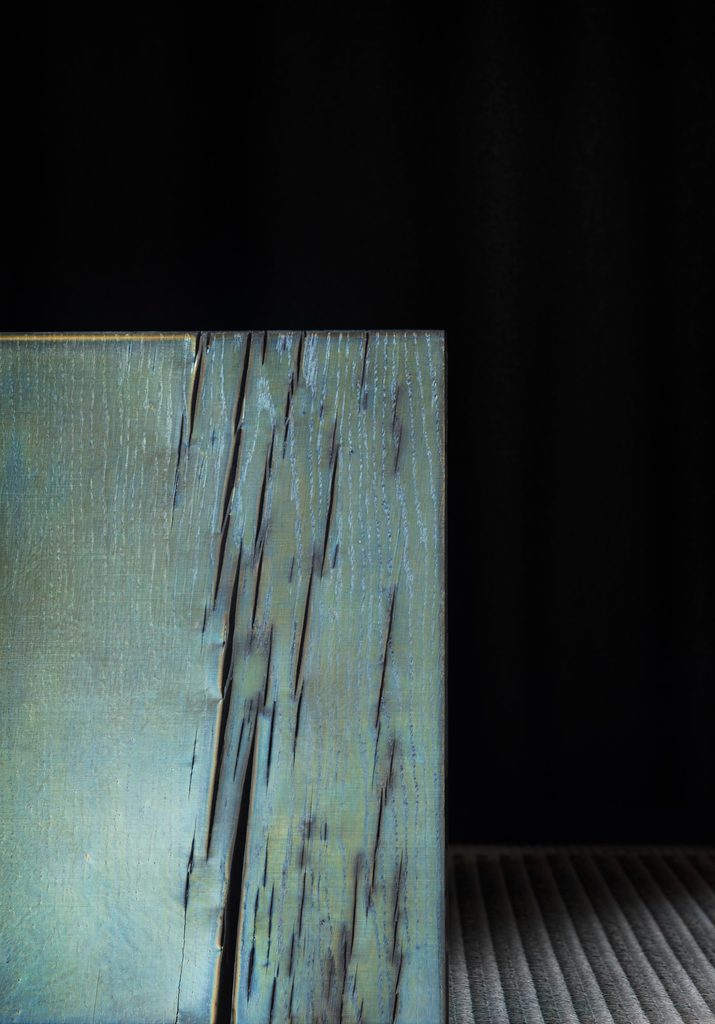
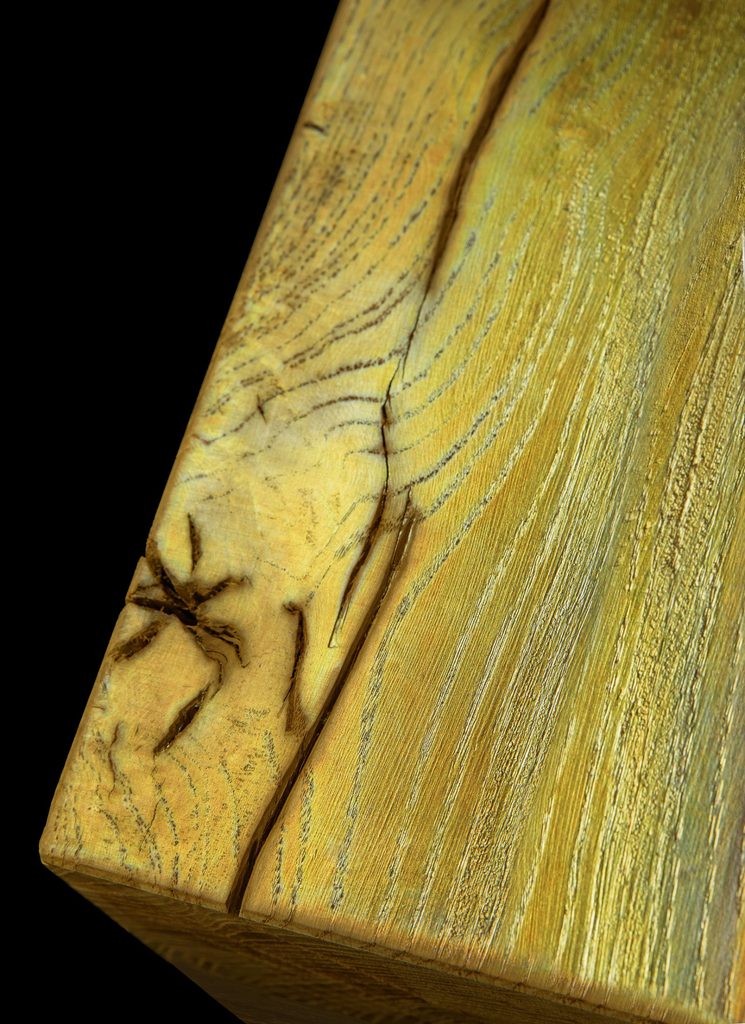
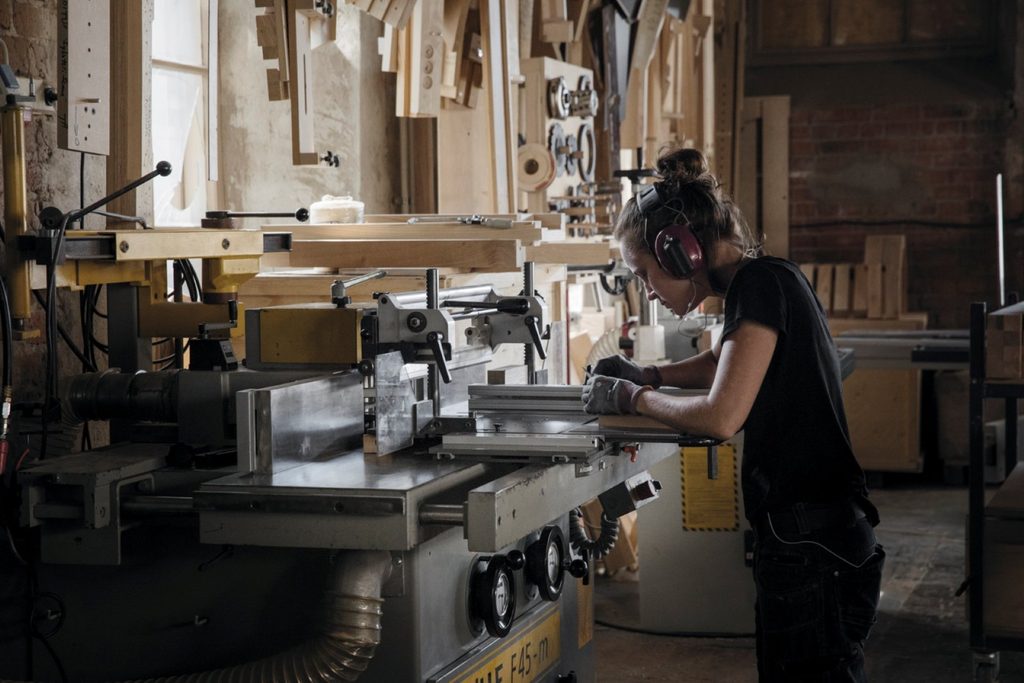
Nikari’s work is deeply rooted in craftsmanship and the knowledge passed between generations of makers. What do you think the human hand brings to an object that industrial production cannot?
The human hand brings sensitivity, judgement, and care. Craftsmanship carries knowledge that has been passed from one generation to the next, and I think we have a responsibility to respect both the generations before us and those who come after us. People can often sense that human connection in an object. It gives a piece depth, character, and a sense of continuity that is difficult to achieve through industrial production alone.
Nikari creates furniture with the intention that it will remain in people’s lives for decades, carrying traces of memory and time. When does a piece of furniture become more than an object and begin to hold real emotional value?
I think that happens through a combination of thoughtful design and everyday life. When a piece is designed with true mastery, it offers something beyond pure function, something that people continue to appreciate over time. Then, through daily use, it becomes part of routines, celebrations, conversations, and memories. Gradually it starts to reflect the life lived around it, and that’s when it becomes much more than an object. It becomes something people want to keep, care for, and perhaps one day pass on to the next generation.
As environmental responsibility becomes increasingly central to the design industry, do you think the most important shift will come from developing new materials, changing production systems, or changing the way we value and keep the objects we already have?
All three are important, but if I had to choose one, I would say changing the way we value and keep objects. New materials and better production methods matter, but lasting change also requires us to move away from disposability. When we create and choose objects that are beautiful, durable, and worthy of care, they stay with us longer and become part of our lives.
Looking ahead, what are the next steps for Nikari, and are there any new directions, projects, or collaborations you are especially interested in developing?
We want to continue strengthening what Nikari does best: creating timeless furniture from wood with skilled craftsmanship. Collaborations will become increasingly important, as they allow us to learn, innovate, and bring new perspectives into our work. We are also interested in developing ways to care for furniture throughout its lifetime, whether through restoration, renewal, or giving existing pieces a completely new life. That feels like a natural extension of our commitment to longevity and responsible design.
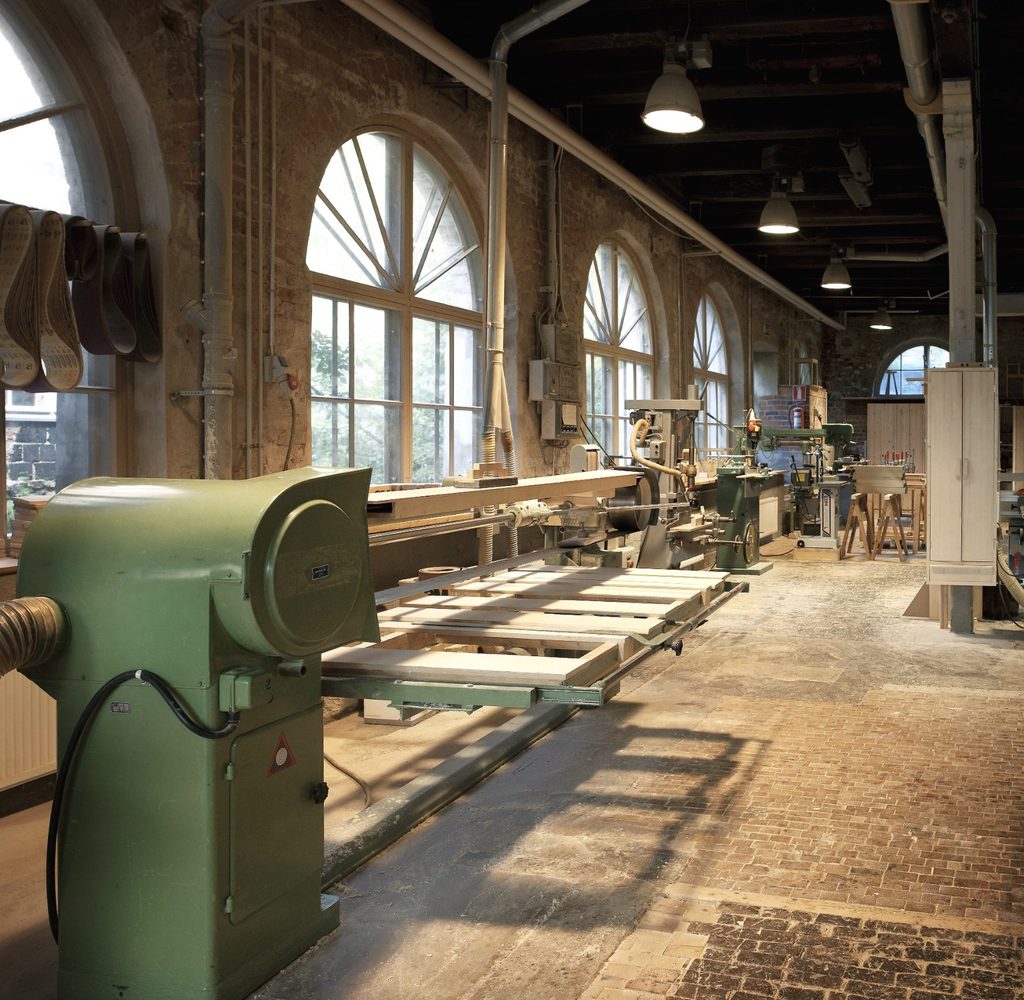
All images courtesy of Nikari, shared with permission