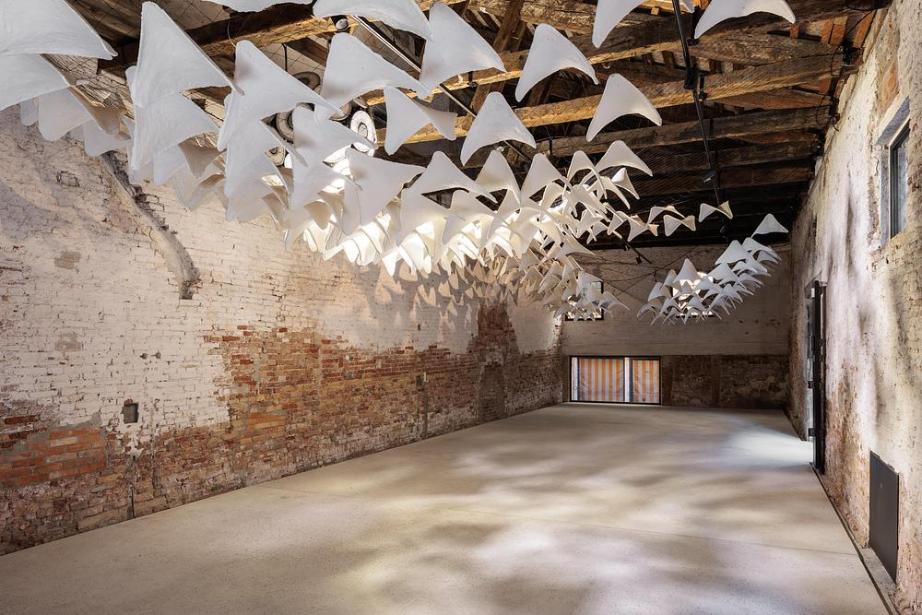
Light as an architectural tool in Flight into Shadow installation by Deggendorf Institute of Technology
Flight into Shadow is an installation by Deggendorf Institute of Technology examining light, shadow, and thermal comfort in urban environments. The project positions solar exposure as an architectural material, bringing controlled sunlight indoors to create a calibrated environmental experience that operates independently from external weather conditions.
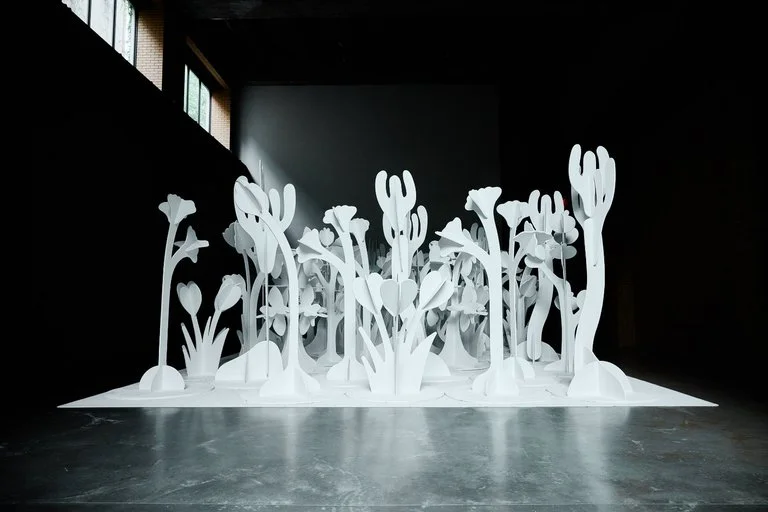
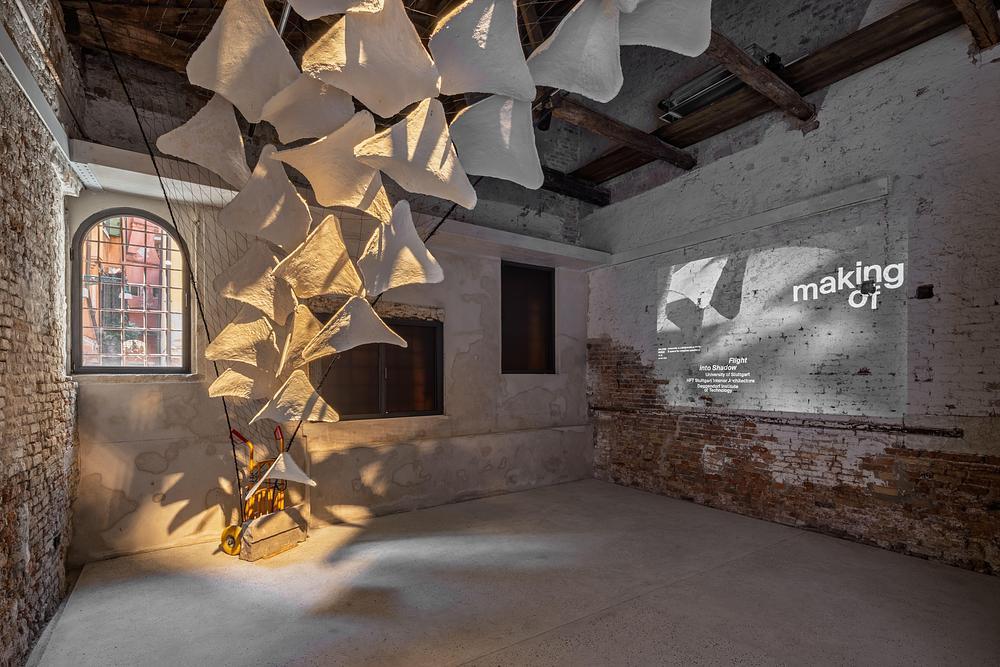
At the heart of the installation is a spatial framework where light is carefully moderated through living mycelium structures. These organic elements form porous canopies that filter incoming illumination, softening contrasts and allowing shadow to act as an active spatial condition. Instead of functioning as a secondary outcome, shadow becomes a shaping force that contributes to thermal comfort, sensory balance, and spatial orientation.
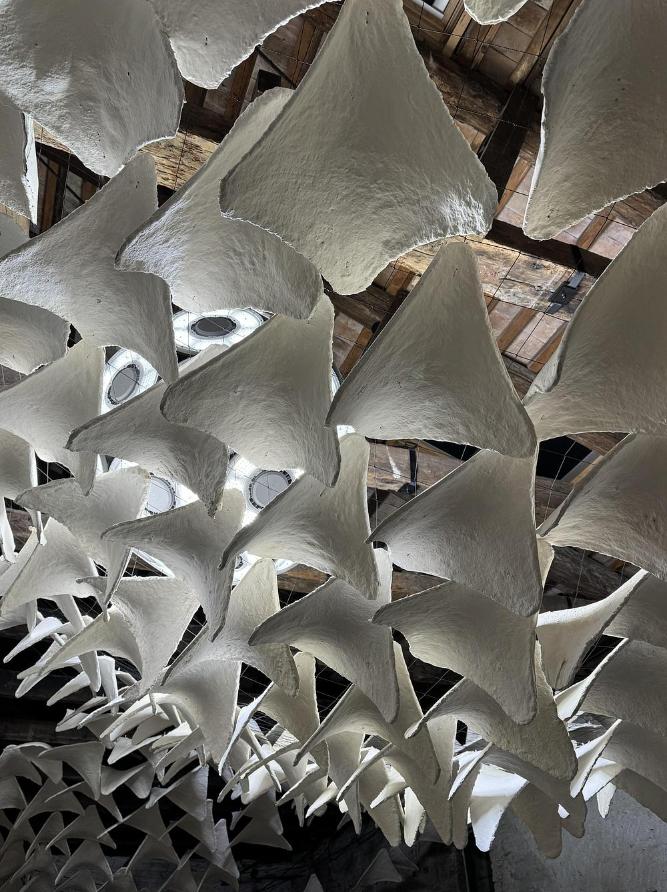
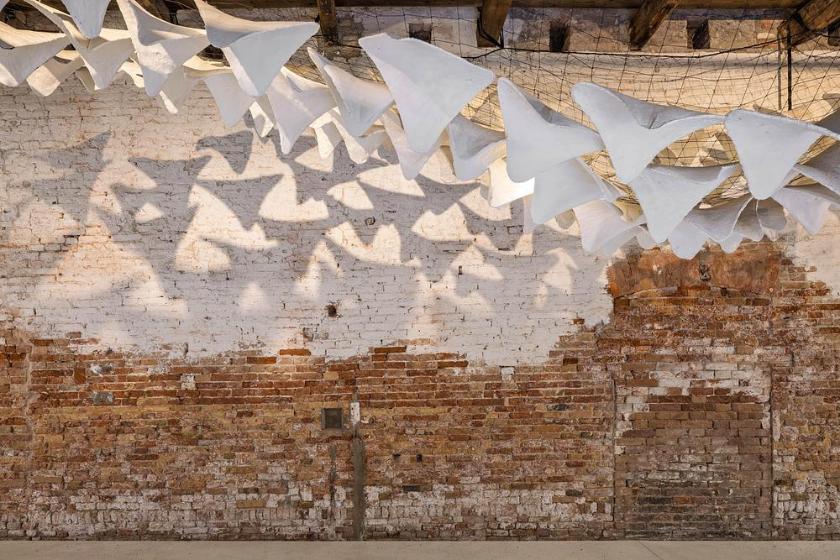
The design draws conceptual reference from the Komorebi effect, a natural phenomenon describing the shifting patterns created when sunlight passes through foliage. In Flight into Shadow, this fleeting occurrence is translated into a stable yet ever-changing architectural condition. Light, material, and form interact to register subtle transitions, making perceptual change visible and inhabitable.
A central feature of the installation is an artificial sun composed of individually controlled luminaires. This system produces variable intensities and angles of light, generating atmospheres that move between high exposure and sheltered calm. As visitors circulate through the space, they encounter sequences of brightness and relief that unfold over time, reinforcing the idea of light as a living and responsive presence.
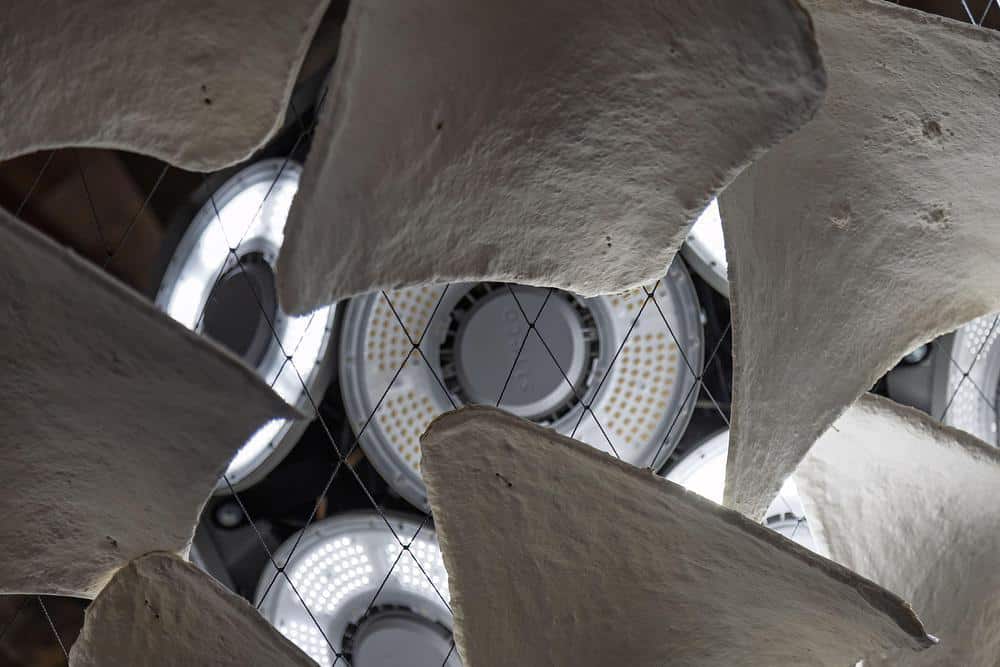
The choreography of illumination is intentionally gradual, allowing spatial moods to evolve without abrupt transitions. This temporal dimension encourages attentiveness to microclimatic shifts and sensory cues, highlighting how architectural environments can support physical and psychological comfort under thermal stress. Material behavior, particularly the adaptive qualities of mycelium, reinforces this dialogue between ecology and perception.
Flight into Shadow was presented at the Venice Architecture Biennale 2025 as part of Keep Cool! – Workshop for Cool Cities. The project is the result of a collaboration with HFT Stuttgart Interior Architecture and University of Stuttgart, bringing together architectural research, environmental design, and applied experimentation.
Photography by Jacopo La Forgia, with courtesy of v2com