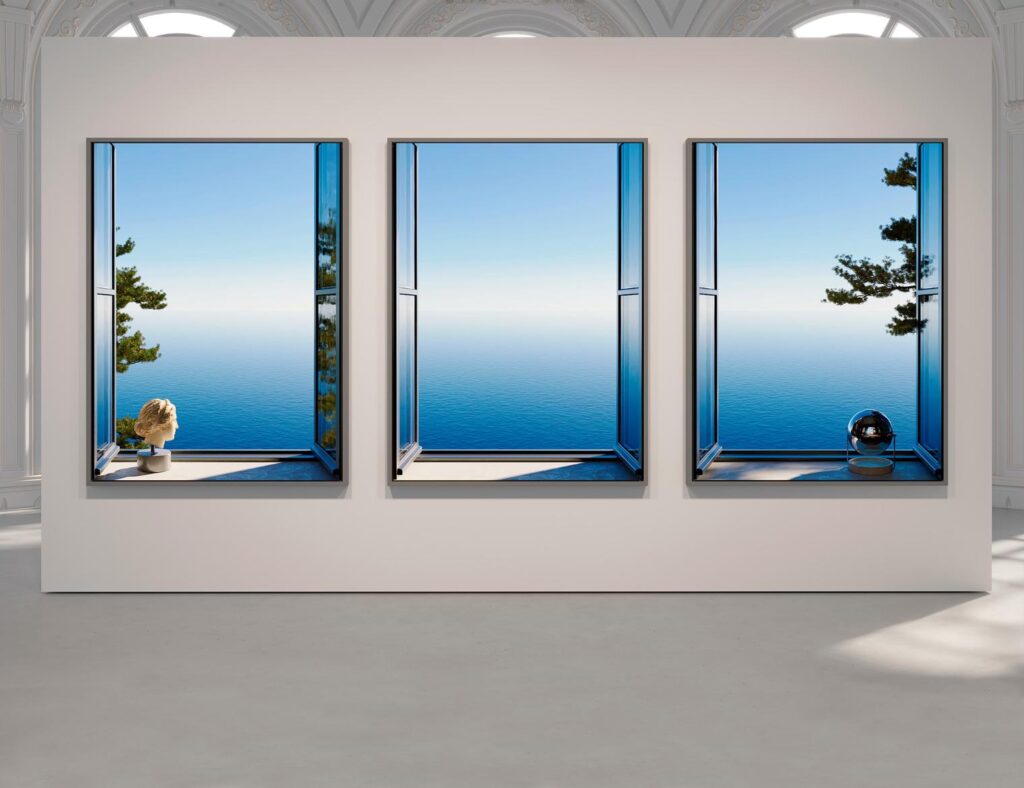
Inspired by Giuseppe Lo Schiavo
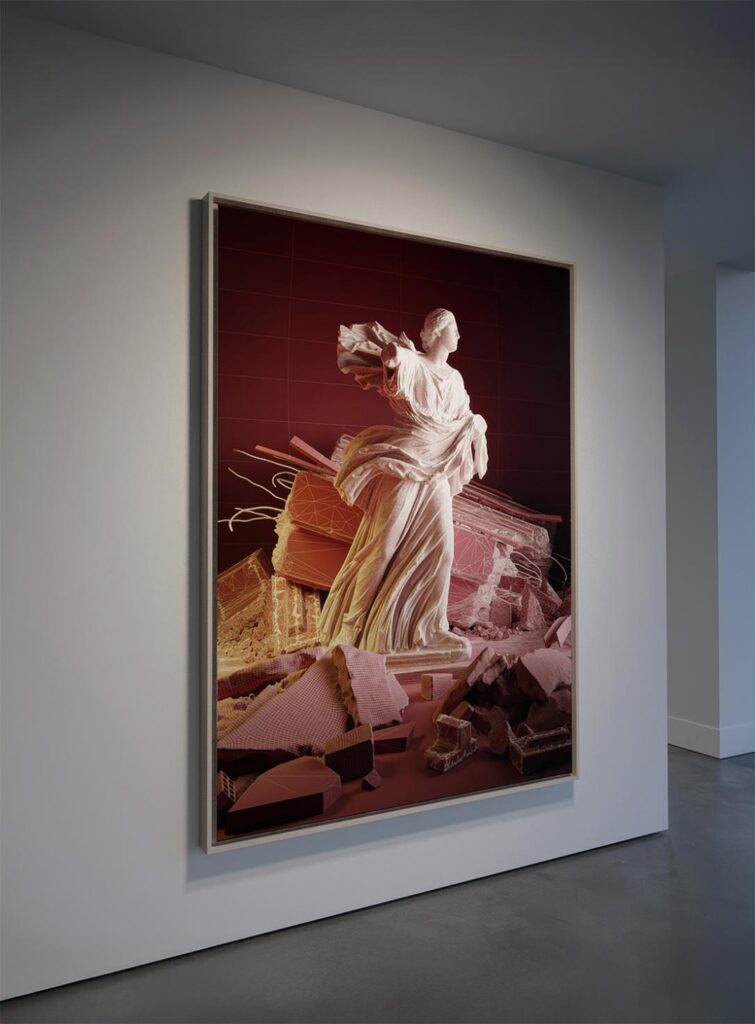
Giuseppe Lo Schiavo, known as GLOS, is an Italian-born visual artist and researcher whose work moves between Milan and London and between past and future. Operating where technology, science, and art history meet, he evokes ancient cultures while imagining speculative worlds shaped by emerging technologies. After collaborating with the MUSE Museum of Science of Trento on a synthetic biology project, he introduced Synthetic Photography in 2022—an approach to image-making that constructs reality digitally rather than capturing it through a camera.
Greetings Giuseppe Lo Schiavo, it’s a distinct pleasure to converse with you about your magnificent talents and infinitely groundbreaking drive. My first introduction to your work was the operatic three act masterpiece titled, “Robotica”. What was first striking about this production was its attention to detail, but also its echoes of art historical reference represented as a contemporary story holding meanings beyond mere delectation (amusement). Please tell us about the production of this piece, about your emotional journey through its creation, but also its underlying message.
Robotica was a crucial work for me because it allowed me to structure three acts almost like an opera, but through a digital aesthetic. I wanted to build a narrative that was at once visionary and intimate, blending references to classical art with futuristic imagery. The dominant emotion during its creation was ambivalence: on one side the wonder of technological potential, on the other the unease about the transformations it inevitably brings. Beneath the spectacular surface, the message was precisely this: our relationship with technology is never neutral, it is always a dialogue between creative power and the risk of loss.
You’ve studied architecture at La Sapienza University in Rome with a focus on Visual Design, but you also have talents as a photographer. Your attention has investigated AI and machine learning mixed with explorations into the microbiological/synthetic biological worlds. With this micro to macro view on natural design (such including the human productive capacity), what have you discovered about the universal quality of beauty contained in objects?
Having studied architecture, I’ve always perceived beauty as a principle that transcends disciplines and scales. In my work I move from the microbiological to the cosmic, and what I discover is that beauty is not a human attribute but a structural force. The symmetry of a virus, a beehive, a constellation — all follow an order that precedes and surpasses the human eye. Beauty is not ornament but an evolutionary language, connecting the organic with the technological, nature with what we call the artificial.
Another undertaking of yours emotionally arresting was, “Antropogenica”. In this 43 second digital 3D installation showcased at Times Square, it showed an elephant inside the Sistine Chapel where 16,000 plastic bottles and related objects fell from an opening in the ceiling. The message here to me was a critique on human consumption’s impact on the natural world, but also about how the misuse of progress has reversed what was best about us, such being the idealism’s underpinning neo classical triumphalism, or the cultivation and protection of Nature per se. Can you tell us about the process of producing this work, the tech utilized, but also the deeper meaning of its concept?
Antropogenica was born as a reflection on humanity’s environmental impact. I placed an elephant inside the Sistine Chapel, a symbol of both grandeur and fragility, and imagined 16,000 plastic bottles falling from the ceiling. I worked with 3D simulation and advanced rendering to give physicality to an impossible image. The piece was meant as a short circuit: the perfection of Renaissance art invaded by contemporary waste, the idealism of cultural history overturned by the weight of our negligence. It was not conceived as a condemnation but as an act of awareness.
Participatory art that utilizes electrical signals from viewers brains, or art installations that gather peoples together for shared experience are a part of your practice. Social media initially promised a digital sphere where sociability was to be placed front and center, but instead it has prsented opposite effects of making us chronically individuated because of focusing so much on our digital selves while neglecting the real for the digital. In your view, how can art re-establish a shared social vision for humankind?
We live in an age where technology connects and simultaneously isolates us. I believe art can reactivate the sense of community by creating experiences that compel us to stop and be together, to live a collective instant. In my work I have experimented with brainwave signals or with public installations that put strangers into dialogue. Art can function as a
threshold, reminding us that we are not just atomized individuals but part of a larger body.
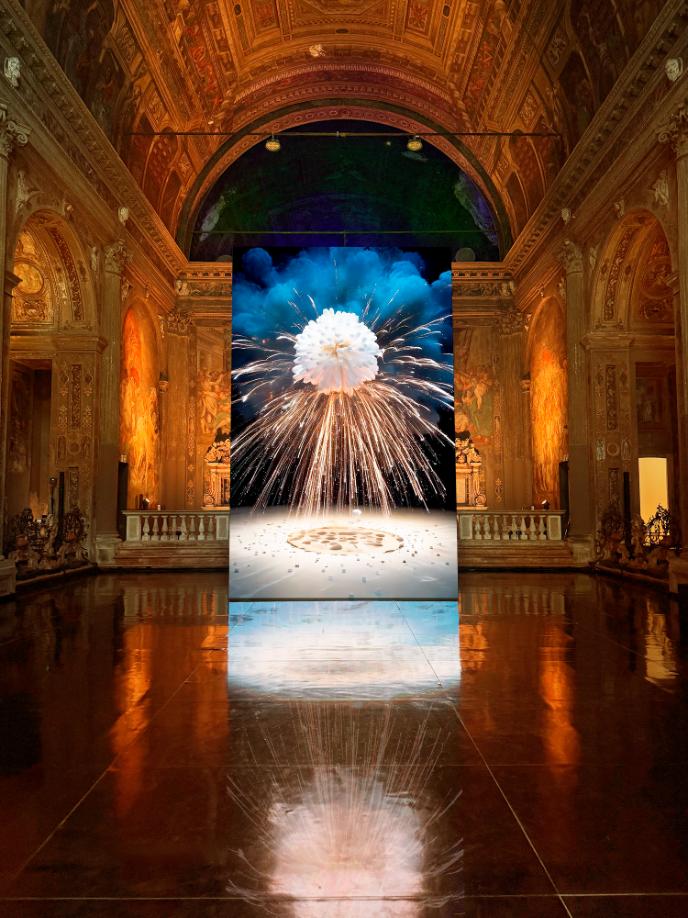
Artists roles in the world are manifold, some see themselves as producers of product/content, others see themselves as communicators for social change, others see themselves as socially responsible agents but do not wish to be role-models &c,. Which role do you feel is most important in your life as an artist, and does what an artist makes hold them responsible for its impact on the world, why or why not?
I don’t think an artist must assume a single role. For me, the essential thing is to create works with integrity and multiple layers, open to interpretation. I am more interested in raising questions than offering answers. Yes, the artist is in some way responsible for their impact, because art enters people’s lives and can shape perception. But this responsibility should not paralyze; it should be a motivation to work with greater awareness.
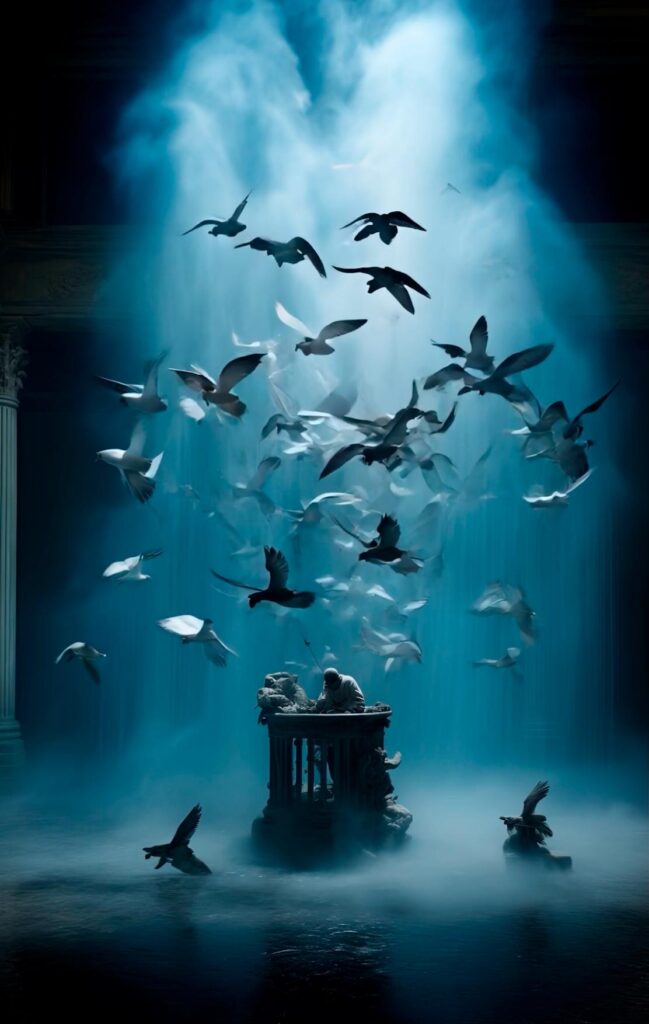
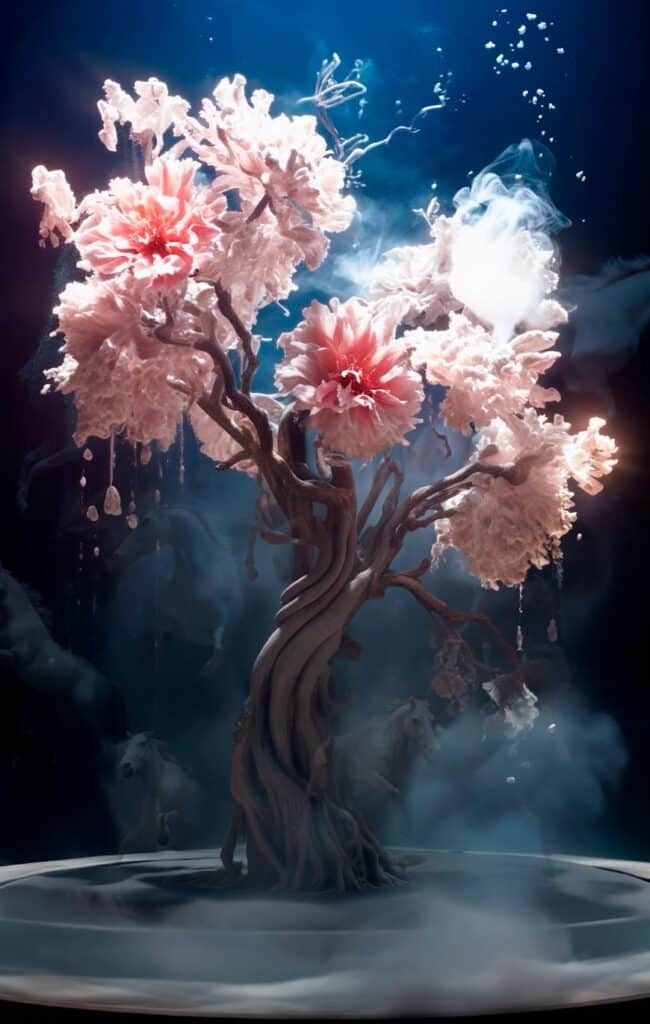
You have been commissioned by the most prestigious brands, and shown in world renown galleries, and your quality of work is ever evolving and always boundary pushing, with this being said, artists usually want to challenge themselves as a process of growth. In your wide experience, to date, what do you find most challenging about what you do? And, how have you conquered said challenges to become as prominent as you are?
The most complex challenge has been — and still is — moving in a hybrid territory. I don’t belong fully to the world of photography, nor solely to technology or conceptual art. Living in a liminal zone can seem risky, but it is also where new forms can emerge. I have learned to turn this instability into strength, to see the absence of a fixed label not as a weakness but as the space where a personal direction can be forged.
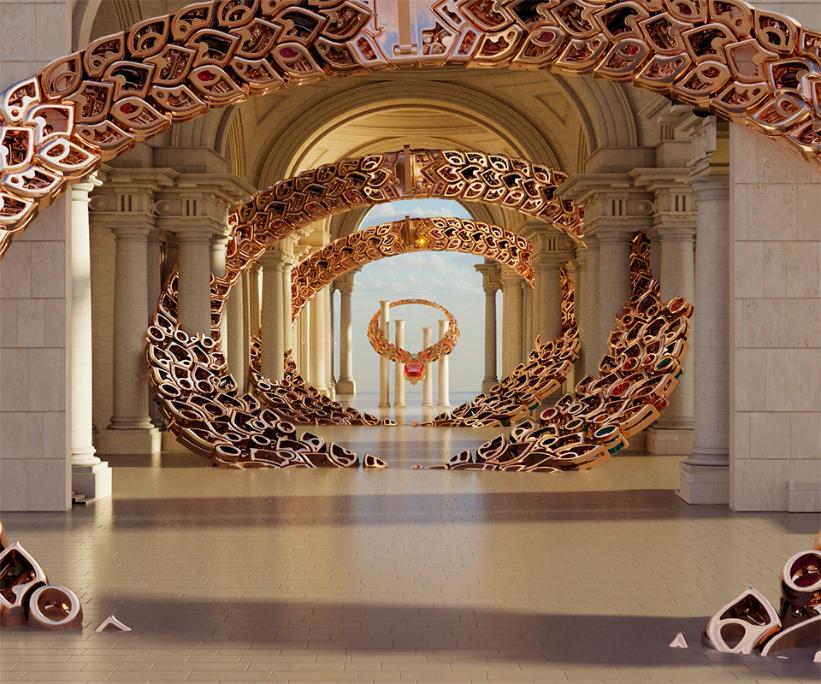
Please tell us about any current shows, or about projects you have in development. Please also if you wish, grant our viewers any words of wisdom that can aid them in becoming all they have been made to be.
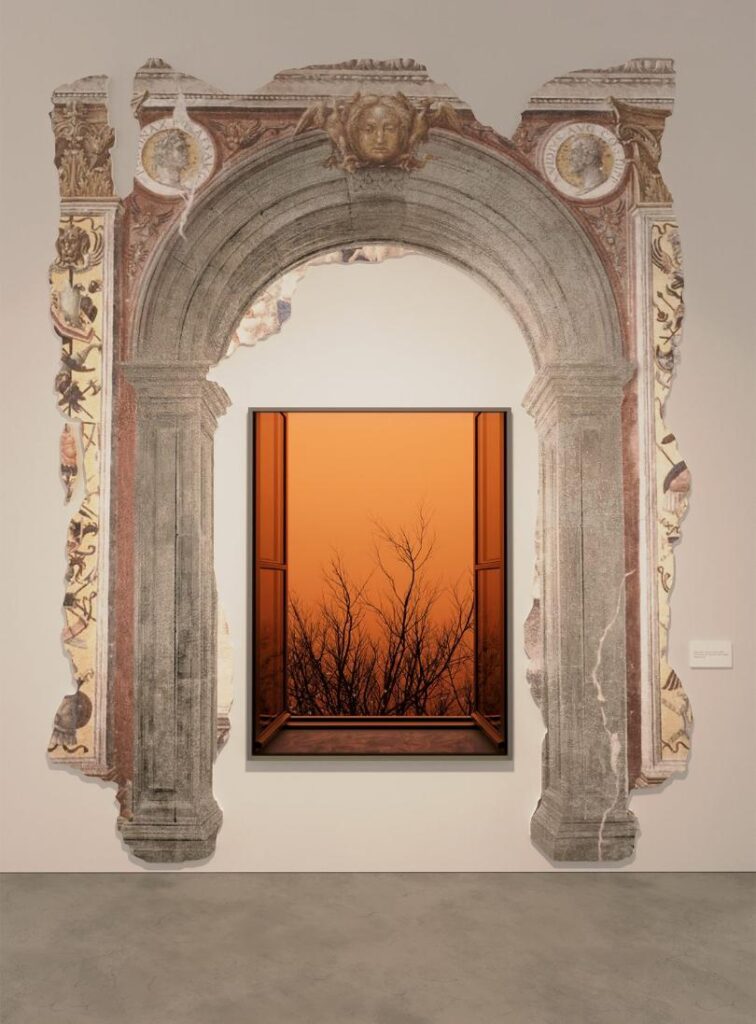
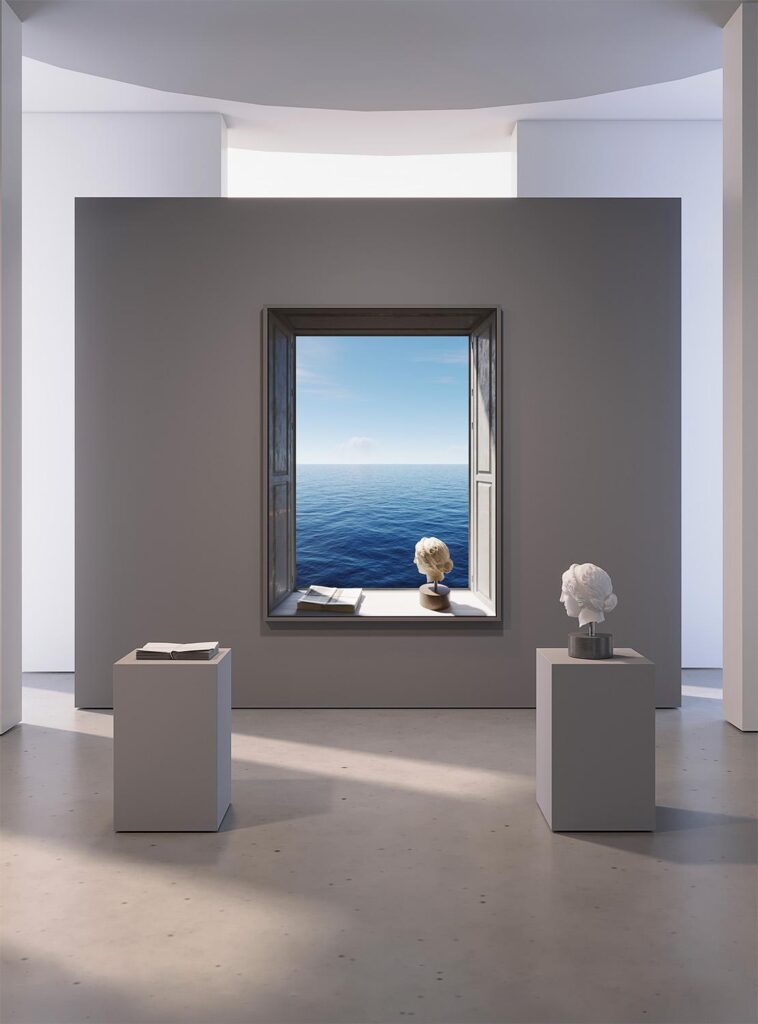
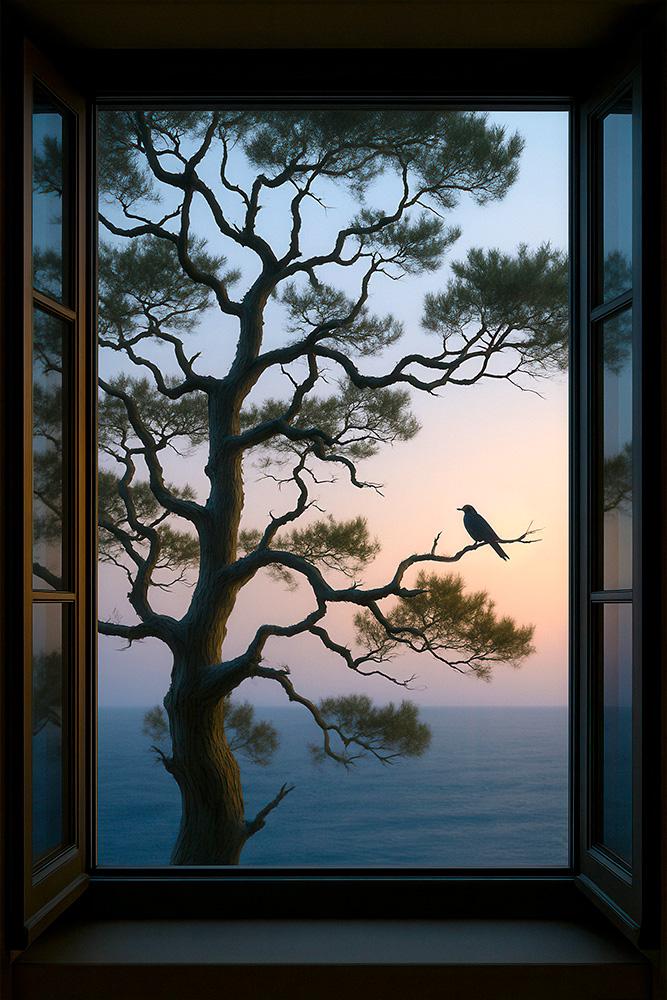
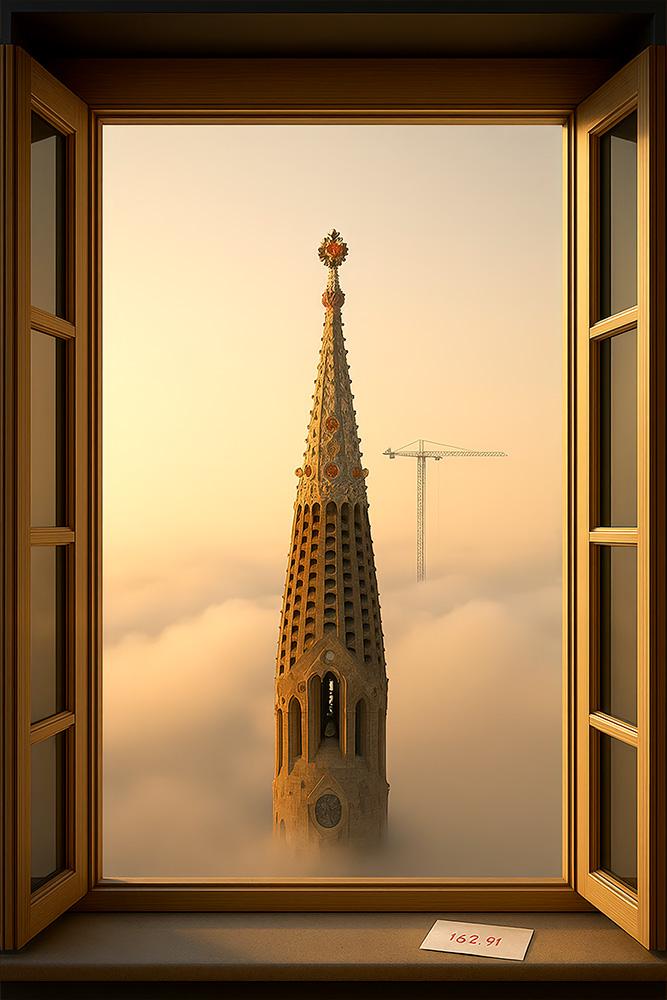
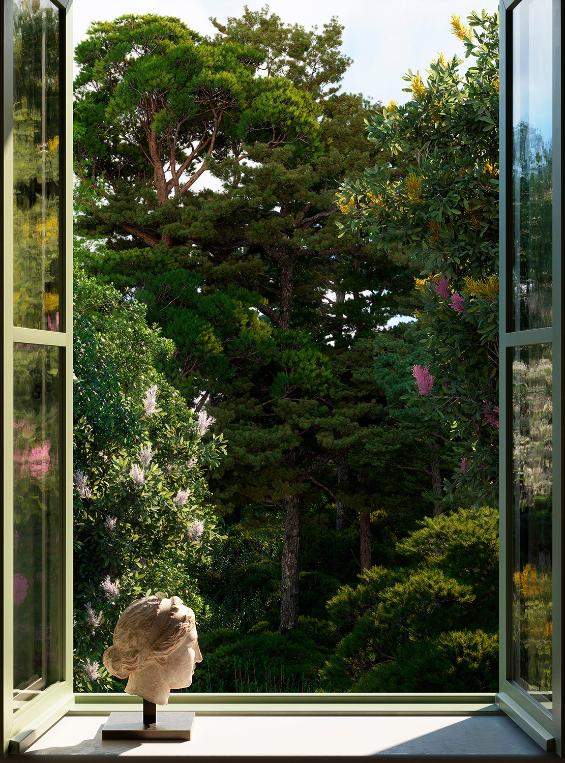
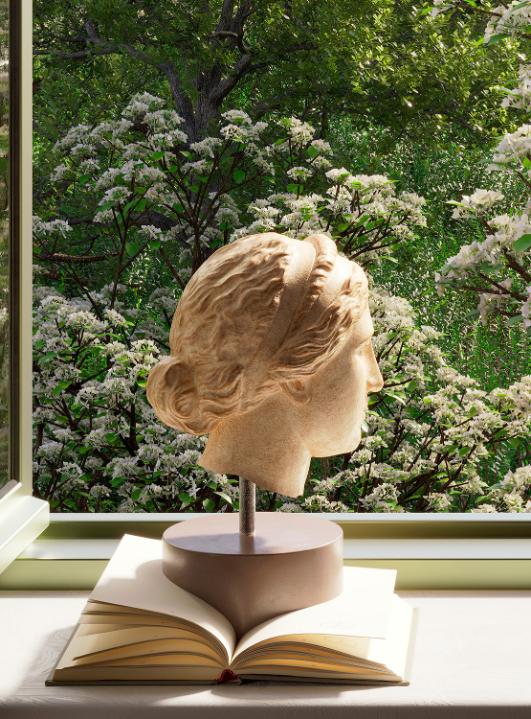
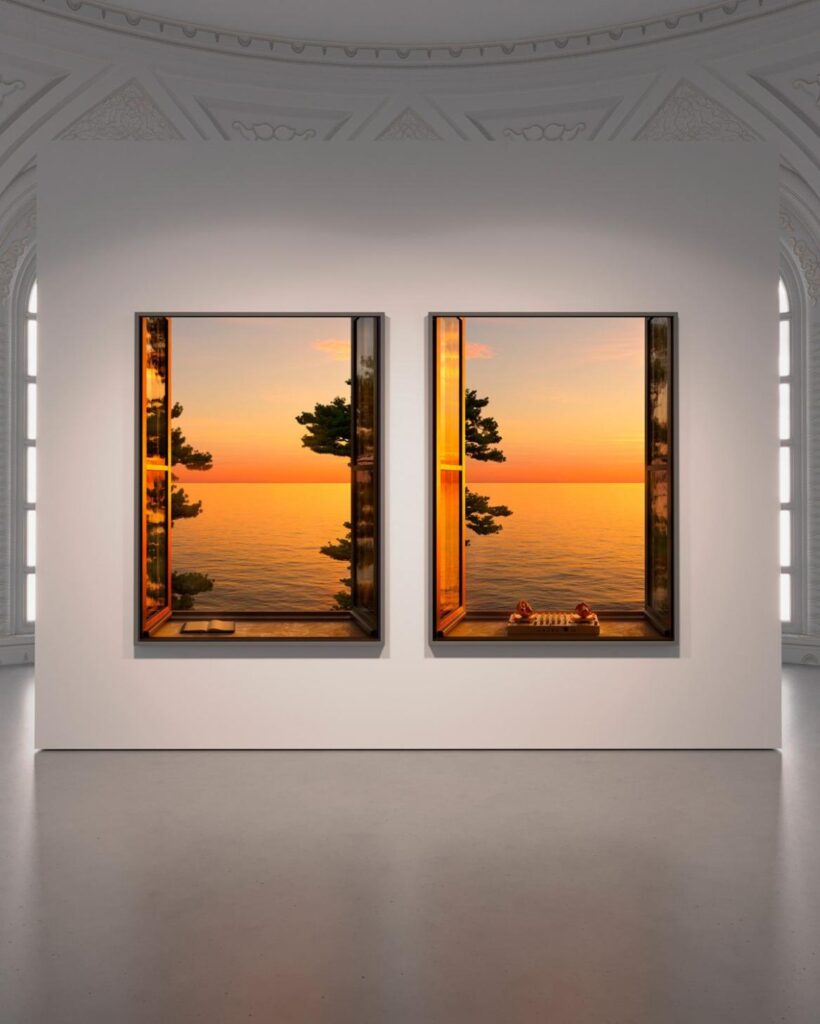
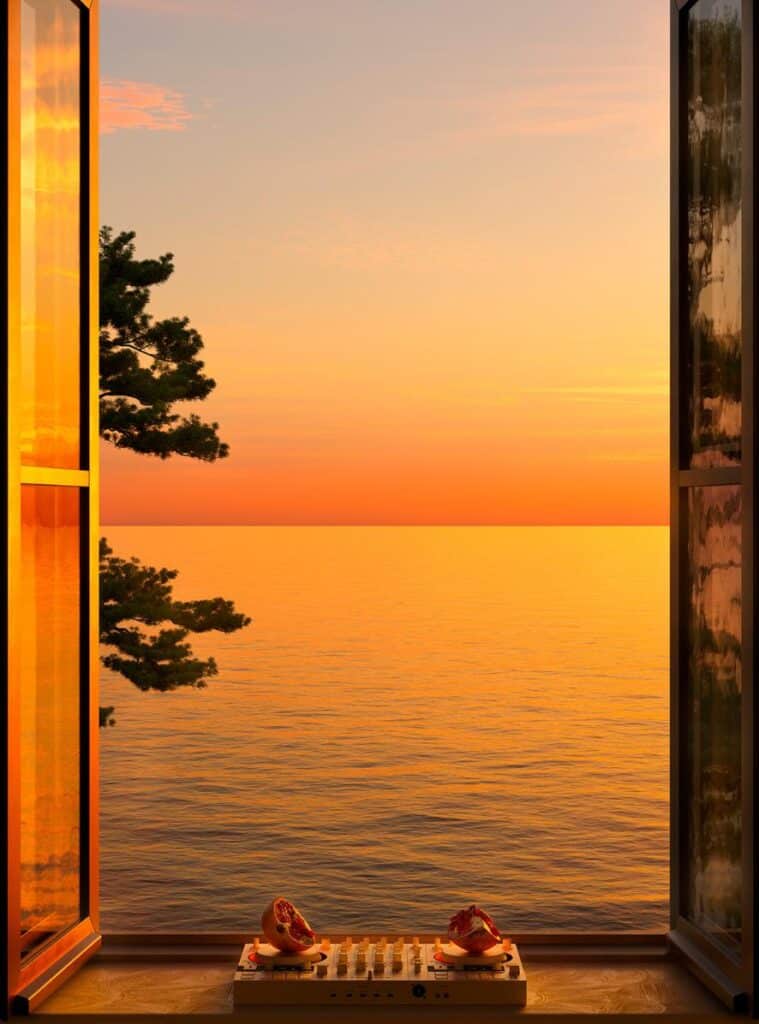
I am working on several fronts: from my ongoing research in Synthetic Photography and the open windows into seas and gardens, to projects that intertwine neuroscience, mythology, and climate change. Each work is a way of exploring the relationship between humans and nature, between reality and simulation. If I were to leave a thought for readers, it would be this: technology is not an external entity to us, it is our own extension. To use it consciously means to rethink not only our future but our very identity.