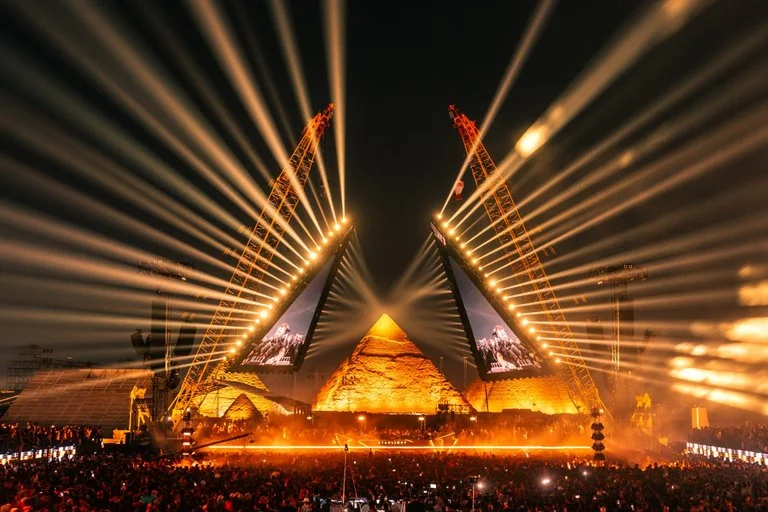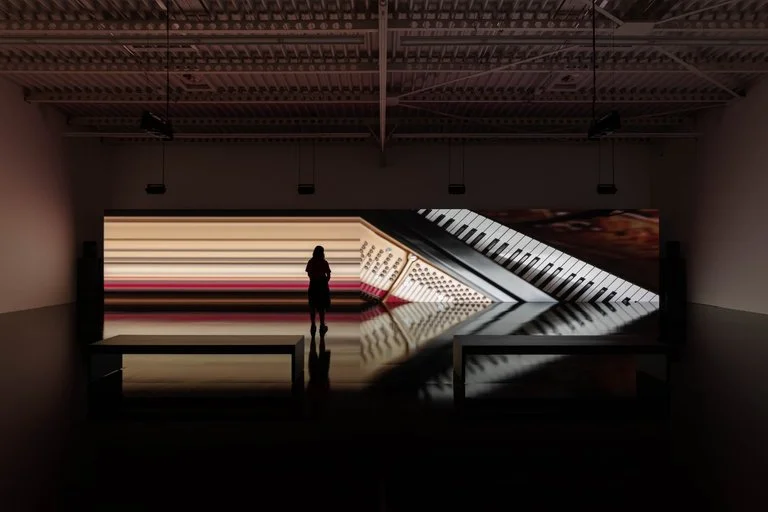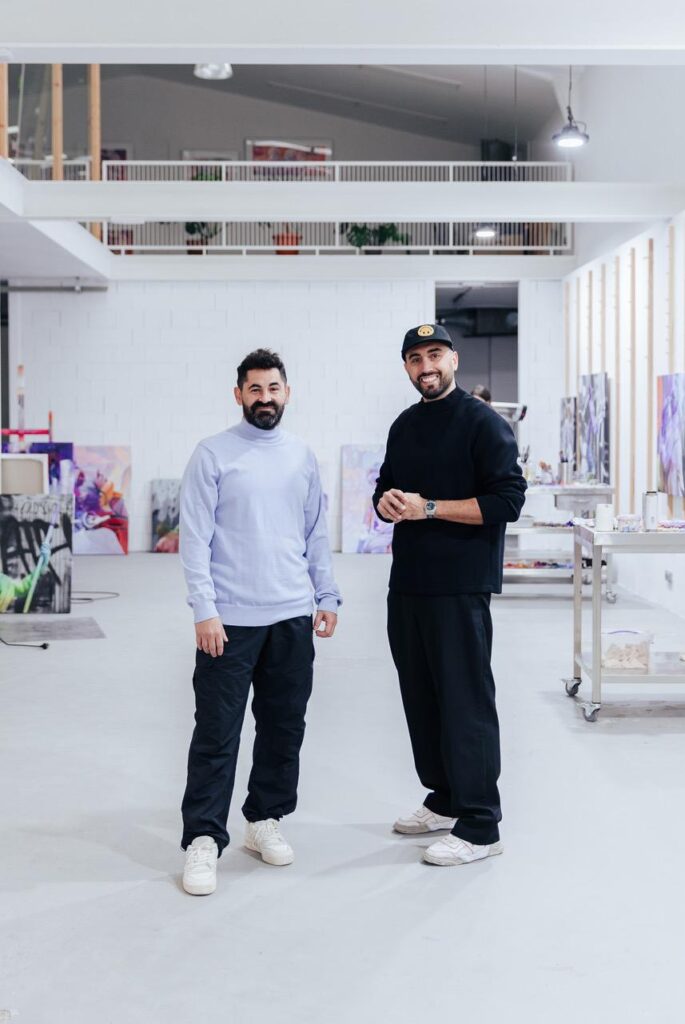
PichiAvo, the acclaimed street art duo from Valencia, Spain, are internationally known for their unique fusion of classical art and contemporary graffiti. Their large-scale murals and fine art pieces combine Greco-Roman mythology with bold urban aesthetics, creating a signature style that bridges the gap between ancient tradition and modern street culture. With a background in Fine Arts and a shared passion for graffiti, PichiAvo have established themselves as leading voices in the global urban art scene.
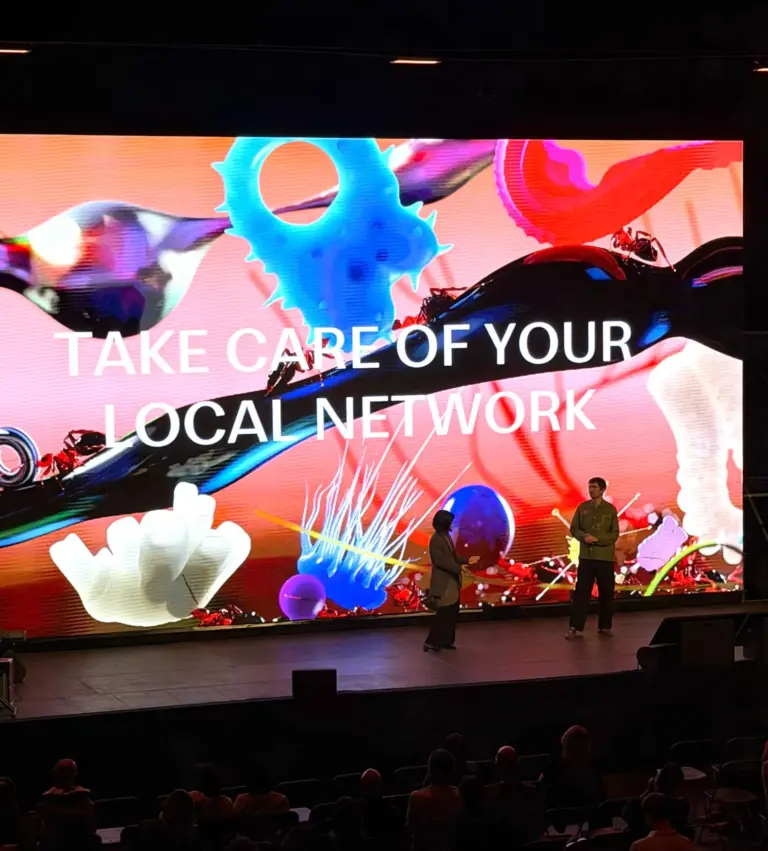
This May, PichiAvo will be featured speakers at OFFF Barcelona 2025, one of the world’s top festivals for creativity, digital design, and visual culture. In this exclusive interview, the artists discuss the origins of their collaboration, their evolving creative process, and how their work invites reflection and dialogue. Whether on city walls or gallery walls, their art continues to push boundaries and connect with diverse audiences around the world.
PichiAvo is a fusion of your names that reflects your collaboration. How did your partnership begin, and how has it influenced your artistic journey?
We met through graffiti in our hometown, Valencia. We used to paint in the same spots and eventually started working together on pieces and murals. That’s when we began signing our work as a duo. Working as a team has definitely shaped our careers—two minds really are better than one. It’s helped us move beyond the individual ego and focus more on creativity and expression.
How would you describe your artistic style? What makes a piece unmistakably PichiAvo?
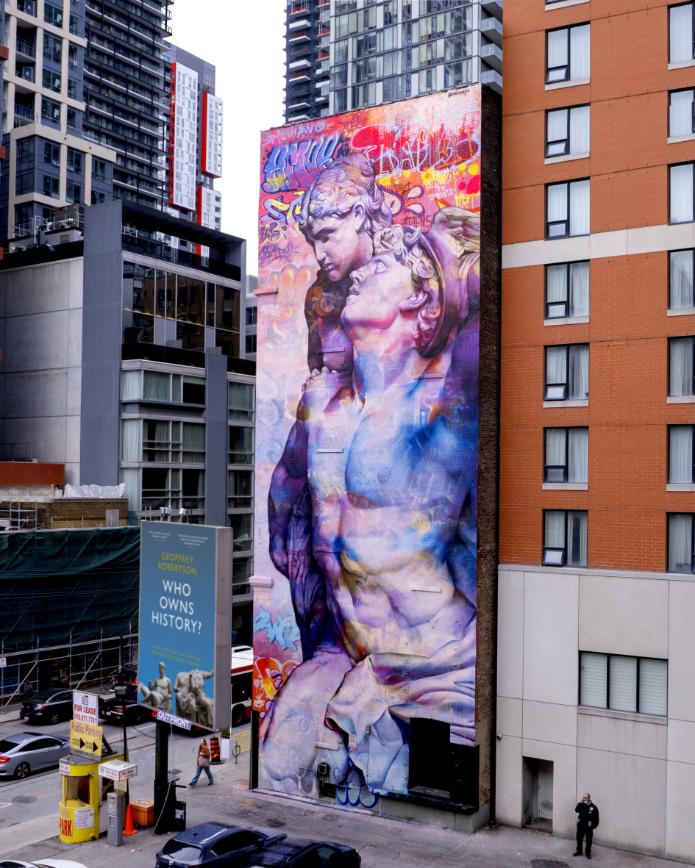
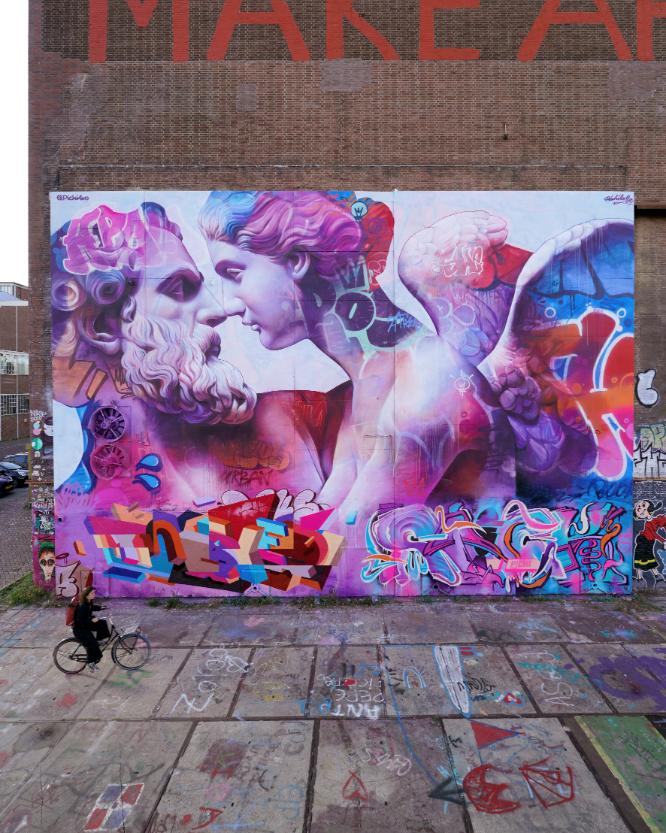
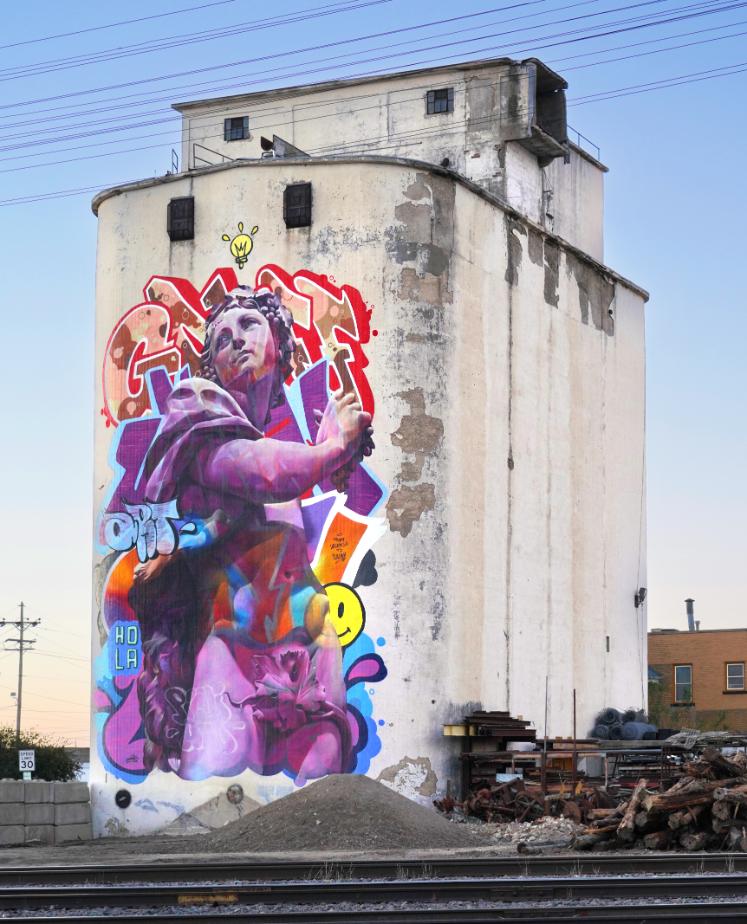
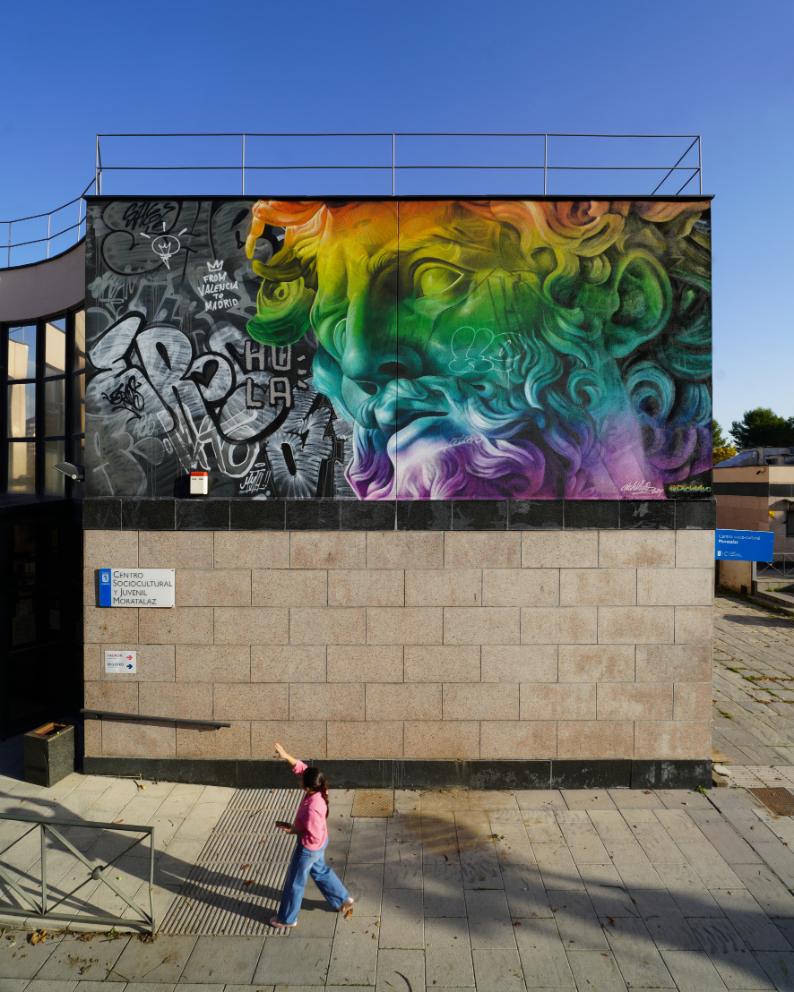
Our style is all about the blend of classical art and graffiti. Early on, before we settled into this direction, we used to include a light bulb in our work—it symbolized creativity and ideas. Even today, you might still spot it in some pieces. Another key element is our focus on classical mythology and its gods, which we often reimagine through references from classical sculpture and painting.
Your work mixes classical imagery with urban styles. How did that fusion develop, and what does it mean to you?
We spent a lot of time experimenting—mixing graffiti with objects, portraits, and more. Eventually, that led us to classical art, and we felt drawn to keep exploring it. This blend comes from our Mediterranean roots and the Greco-Roman culture that surrounds us. Graffiti was our starting point and remains a constant. By fusing it with classical art, we create a dialogue between past and present—connecting generations and bridging tradition with the contemporary.
How have your backgrounds in Fine Arts and Design influenced your approach to street art and murals?
Our academic training gave us a solid foundation—not just technically, but in how we think about art. It taught us about composition, color, form, and how to work with space. It also helped us become more conscious of the settings we work in, and how to interact with architecture and the environment around our art.
Your work carries deeper meaning beyond the visuals. How do you balance delivering messages while staying creatively free?
We don’t try to push a specific message. Our work is a reflection of who we are and what we experience. The meaning comes out naturally in that process.
It’s less about giving answers and more about inviting people to think, feel, and interpret things in their own way.
Your pieces often have a lot of detail and use different materials. What’s your creative process like—from idea to final piece?
Everything begins with an idea or a concept. We usually sketch it out, sometimes by hand, sometimes digitally. Once we have a solid concept, we prepare for execution. The process depends on the type of work—studio pieces and murals each require different planning. We adapt based on the scale, materials, and location.
You’re speaking at OFFF Barcelona this May, a major festival for creativity. What does this opportunity mean to you?
It’s a great chance to connect with people on a deeper level—beyond the visual impact of our work. It also feels like a recognition of our journey so far. We want to share our creative process, our thoughts, and how we see urban art today. We’ll be presenting our book Our Odyssey and reflecting on the past 10 years of our career. But more than that, we see these events as a space to keep learning and to be inspired by others, too.
What do you hope people take away from your work, whether they see it online or in person?
Our biggest hope is that people walk away with something personal—an emotion, a thought, or a new perspective. If our work makes someone pause, reflect, or connect with their own story, then we feel it has truly done its job.
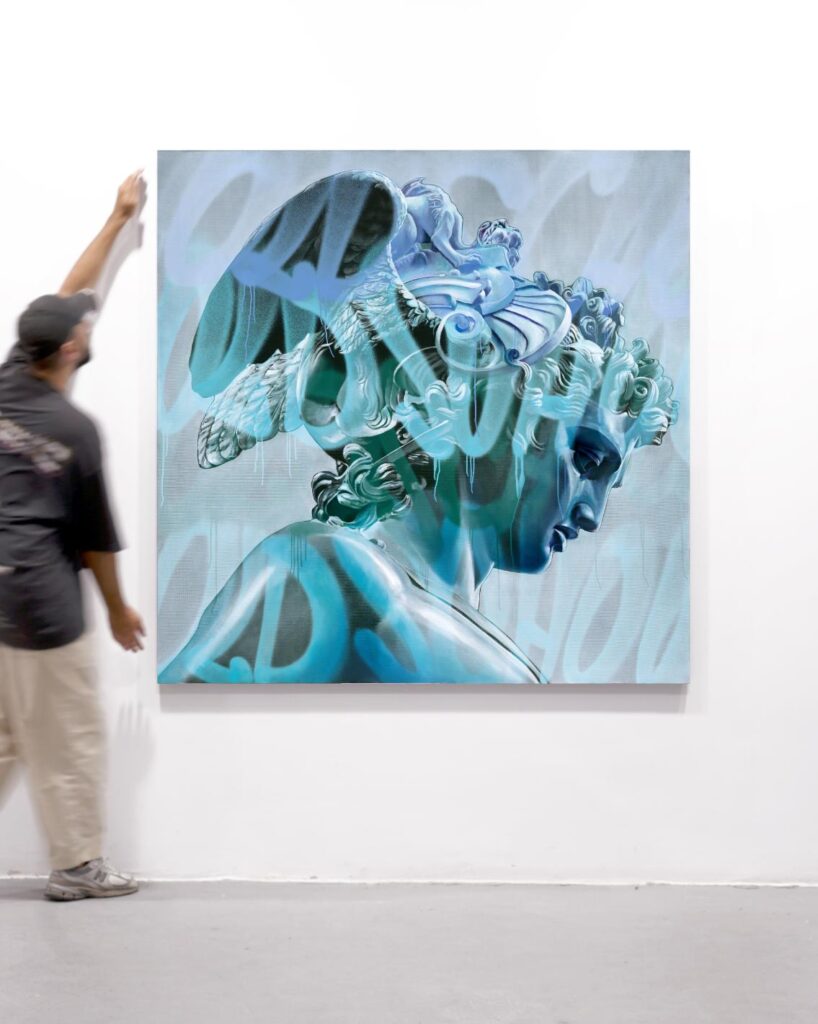
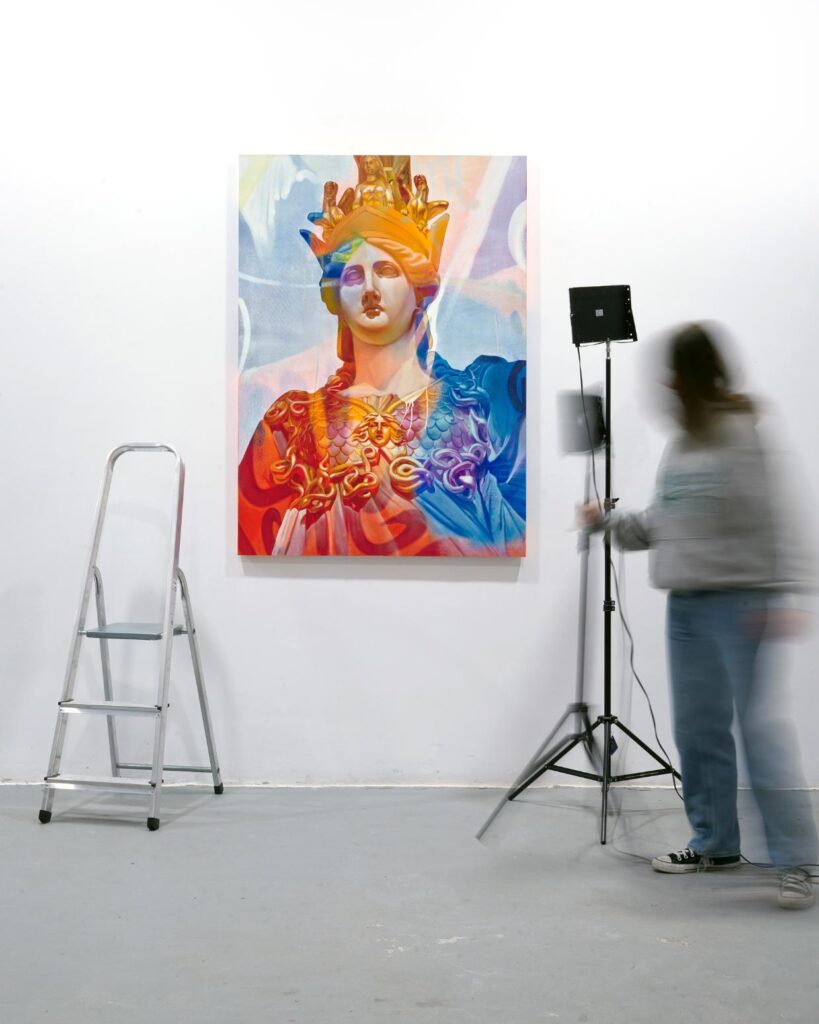
All images courtesy of PichiAvo