Compact site planning informs spatial organization of Lamartine project
Located in one of Mexico City’s most active urban districts, Lamartine is a hospitality architecture project by PPAA shaped by spatial efficiency, environmental awareness, and controlled material expression. Developed on a narrow-front lot in Polanco, the building accommodates ten guest rooms configured to prioritize functionality, spatial clarity, and a refined sense of comfort. The architectural strategy responds to density constraints through measured organization, positioning the project within ongoing discussions surrounding compact urban hospitality typologies in Latin American metropolitan contexts.
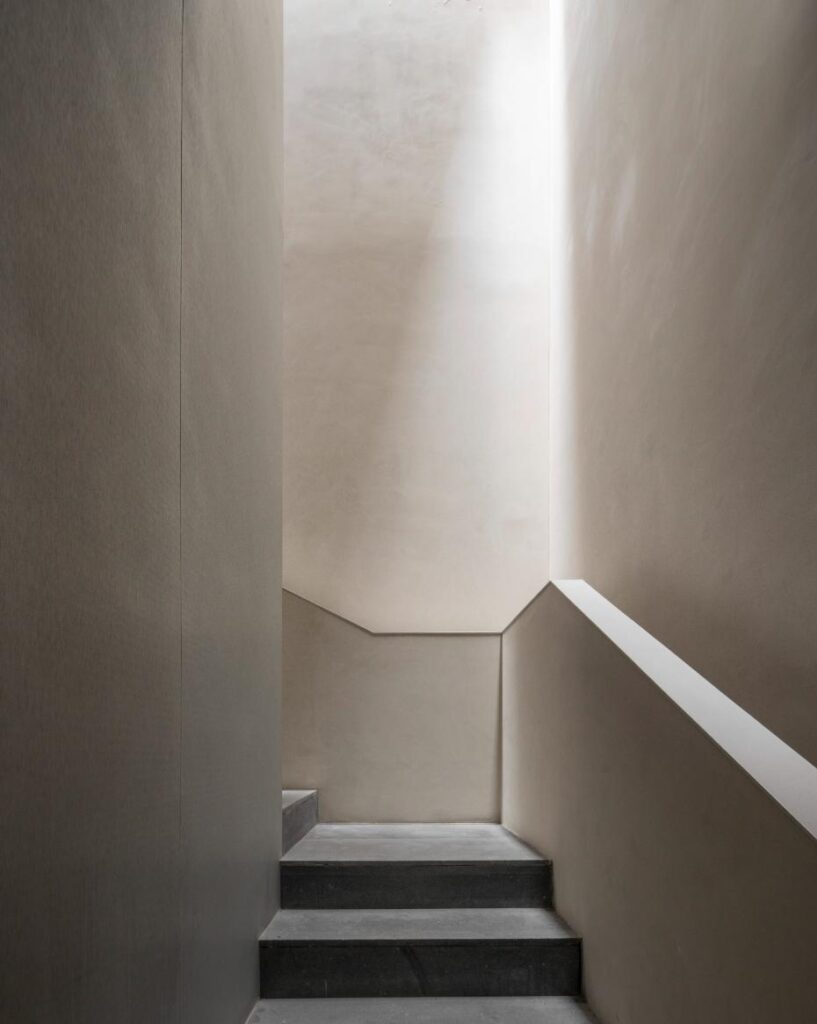
The design process addressed a fundamental spatial limitation: ensuring sufficient natural illumination across interior zones restricted by site proportions. The solution relies on vertical daylight distribution through a central skylight, working in conjunction with a metal-clad staircase that operates as both circulation infrastructure and environmental conduit. This configuration channels daylight through the building’s core, reducing dependency on artificial lighting while establishing an internal spatial reference point that organizes movement and perception throughout the structure.
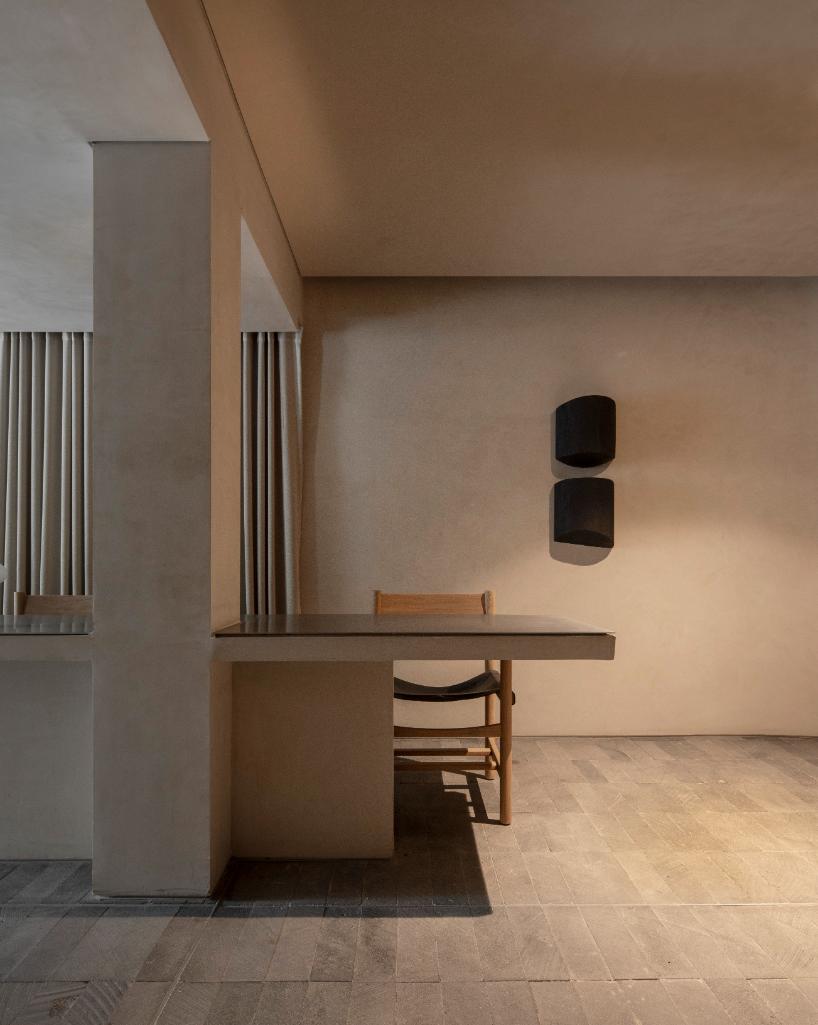
Thermal comfort and environmental responsiveness further inform the architectural language. The street-facing façade negotiates transparency and privacy through the integration of semi-transparent metal mesh protecting balcony openings. This intervention provides visual screening from the exterior while maintaining outward views for occupants. The mesh layer contributes to passive climate moderation by limiting direct solar exposure and encouraging airflow, producing a microclimatic buffer that supports temperature regulation across sun-facing rooms in Mexico City’s variable urban climate.
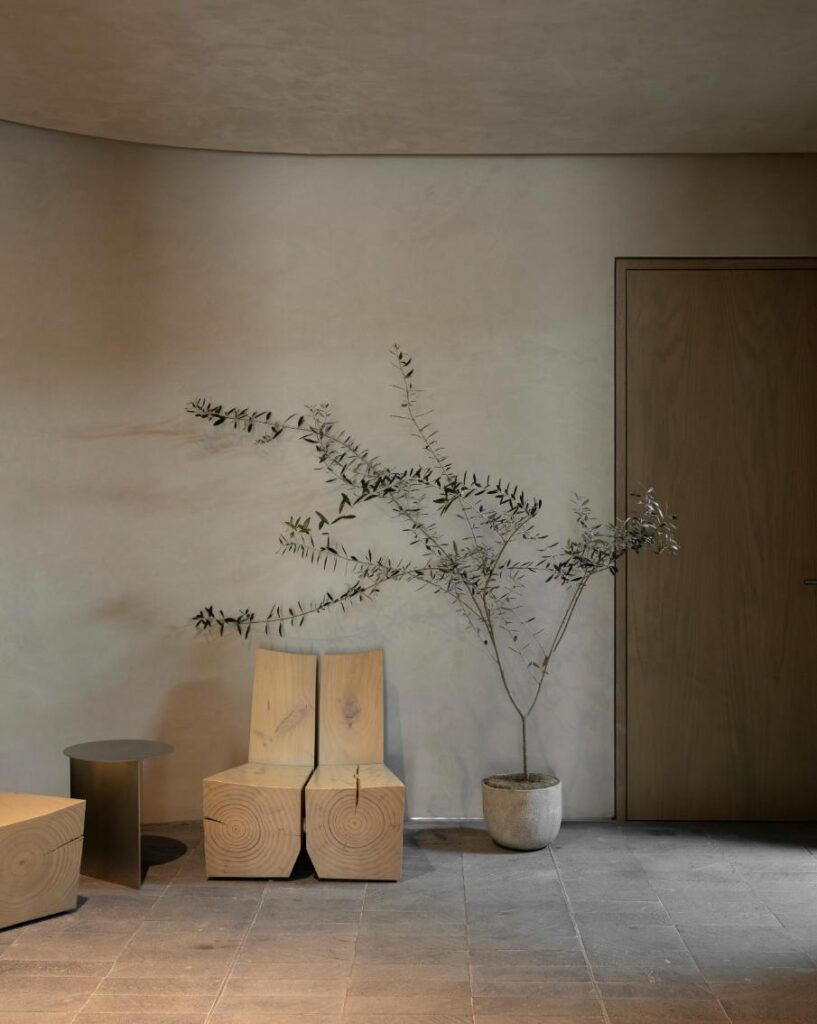
Beyond façade performance, Lamartine incorporates sustainable water management and landscape considerations aligned with contemporary ecological building practices. A rainwater harvesting system supports resource efficiency, reflecting regional strategies addressing water consumption challenges. Toward the rear of the site, green areas and planted garden spaces introduce vegetation that enhances atmospheric quality while contributing to passive cooling. These spatial interventions reinforce environmental comfort without reliance on mechanical solutions, emphasizing long-term operational sustainability.
Material restraint and compositional clarity characterize the building’s exterior presence. The façade communicates permanence through proportion and controlled detailing, balancing discretion with architectural identity along the Polanco streetscape. By aligning environmental strategy, spatial logic, and structural articulation, PPAA positions Lamartine within current discourse on urban hospitality development that prioritizes responsiveness to context, user comfort, and environmental integration.
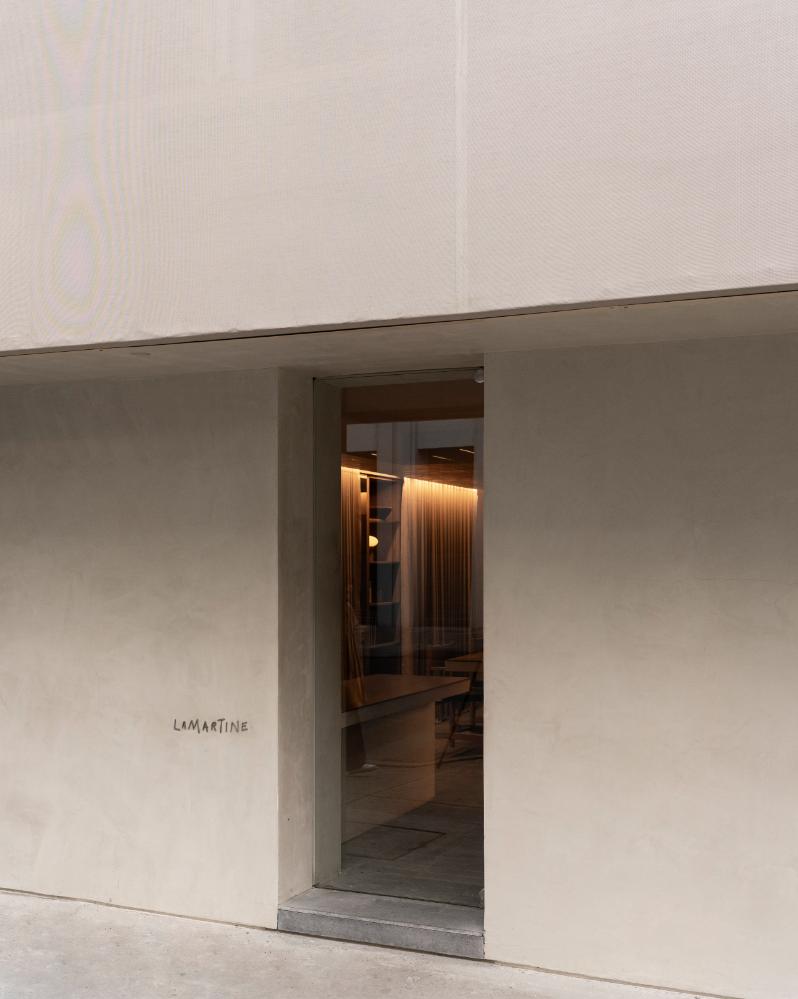
Positioned as both accommodation and architectural environment, LAMARTINE demonstrates how compact site constraints can generate thoughtful solutions addressing light, airflow, and environmental impact. The project articulates a careful relationship between built form and surrounding city conditions, presenting an architectural experience defined by precision, spatial awareness, and climatic sensitivity while supporting contemporary expectations for comfort and urban responsibility.
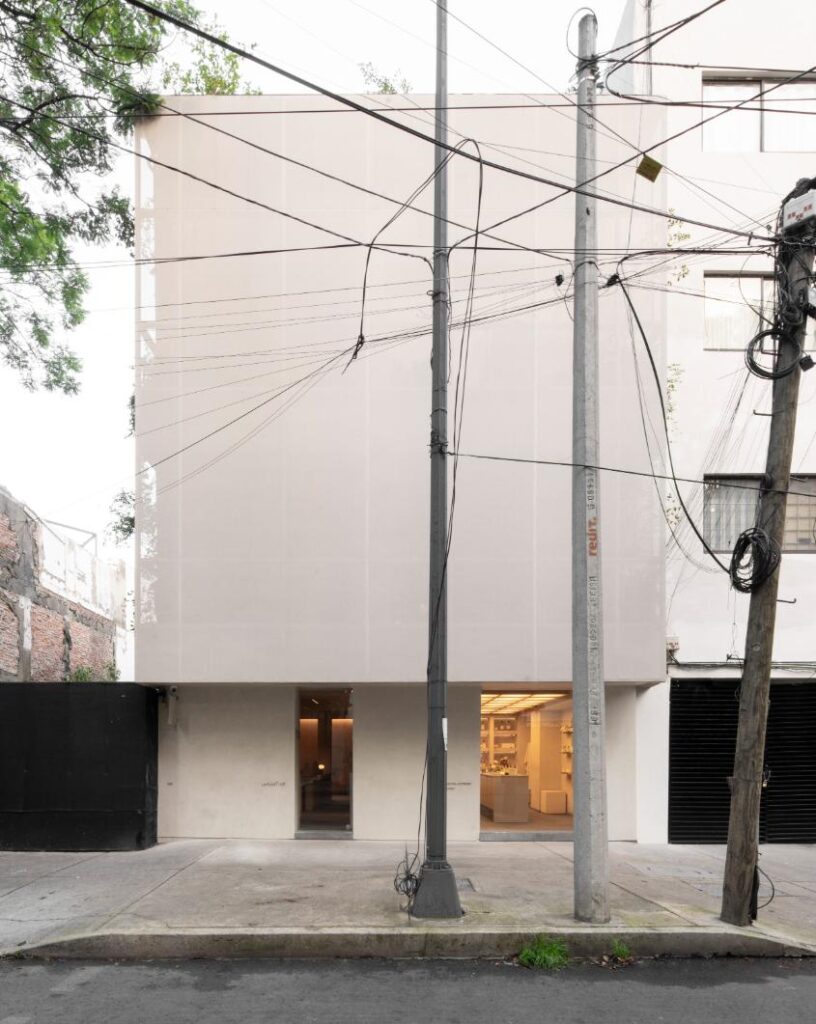
Photography by Fabian Martinez, with courtesy of PPAA