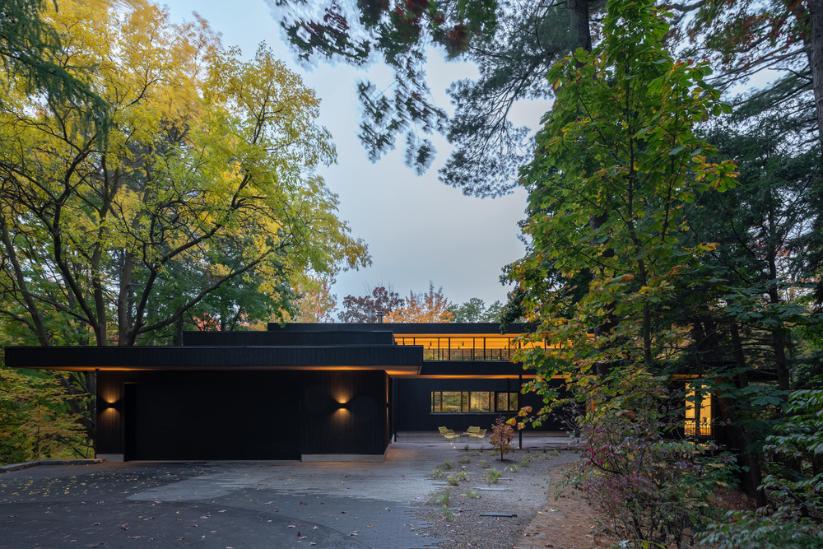
Ravine House by Orangeink Design turns a 1960s bungalow into a luminous modern residence
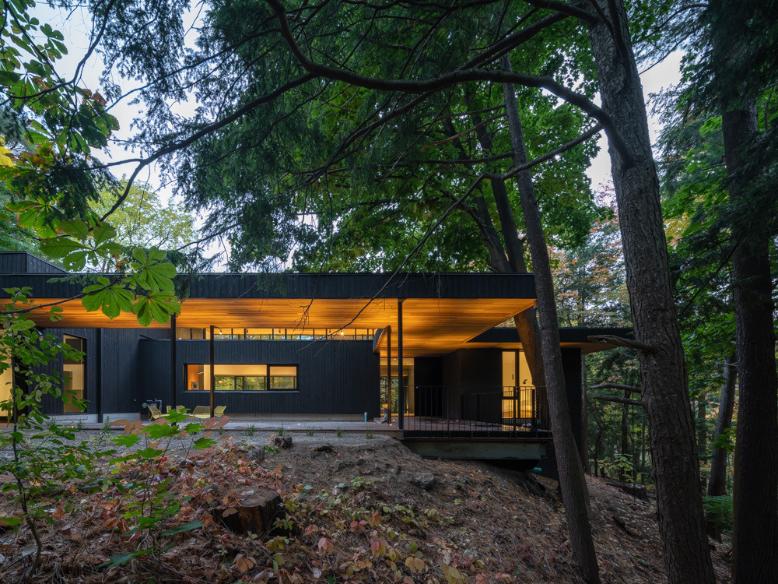
Ravine House by Orangeink Design reinterprets a mid-century bungalow into an elevated living experience defined by light, fluidity, and ecological restraint. The Toronto-based studio transformed a 1960s structure in Mississauga’s Lorne Park, set on a 105-by-600-foot ravine lot, into a residence that embraces its natural surroundings without expanding its protected footprint. The design responds to strict conservation authority guidelines while enhancing spatial openness and environmental connection.
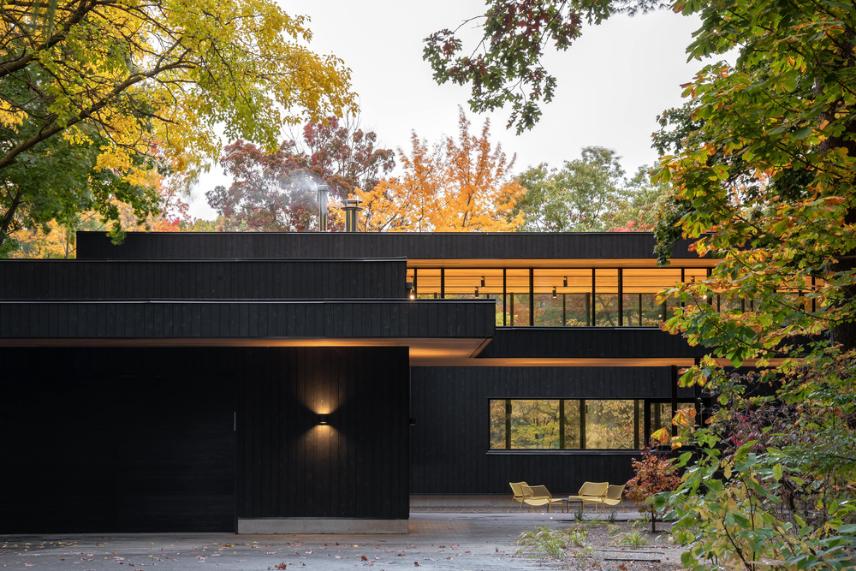
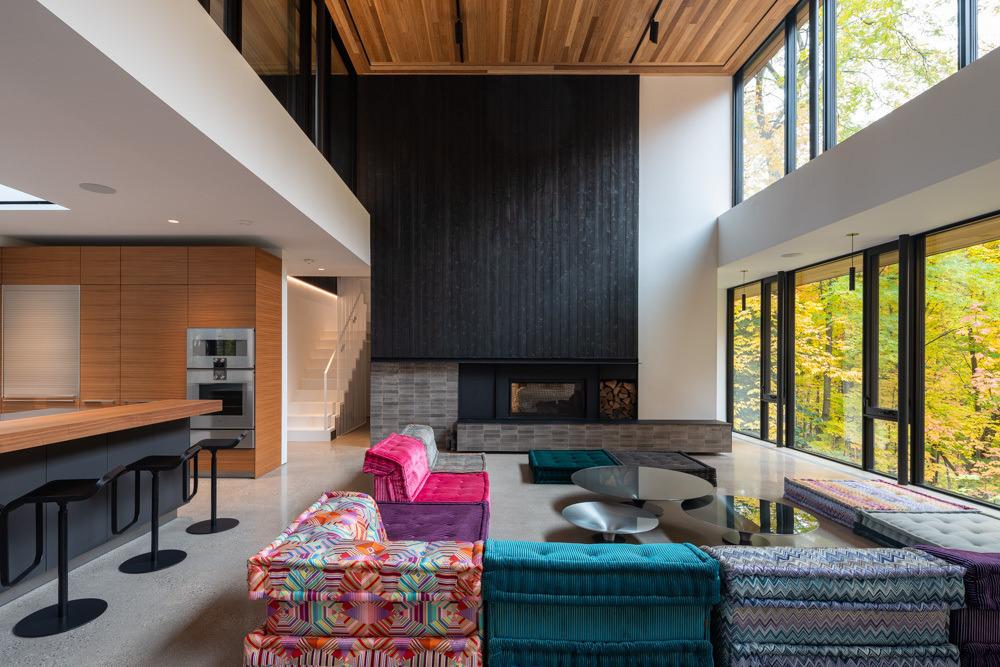
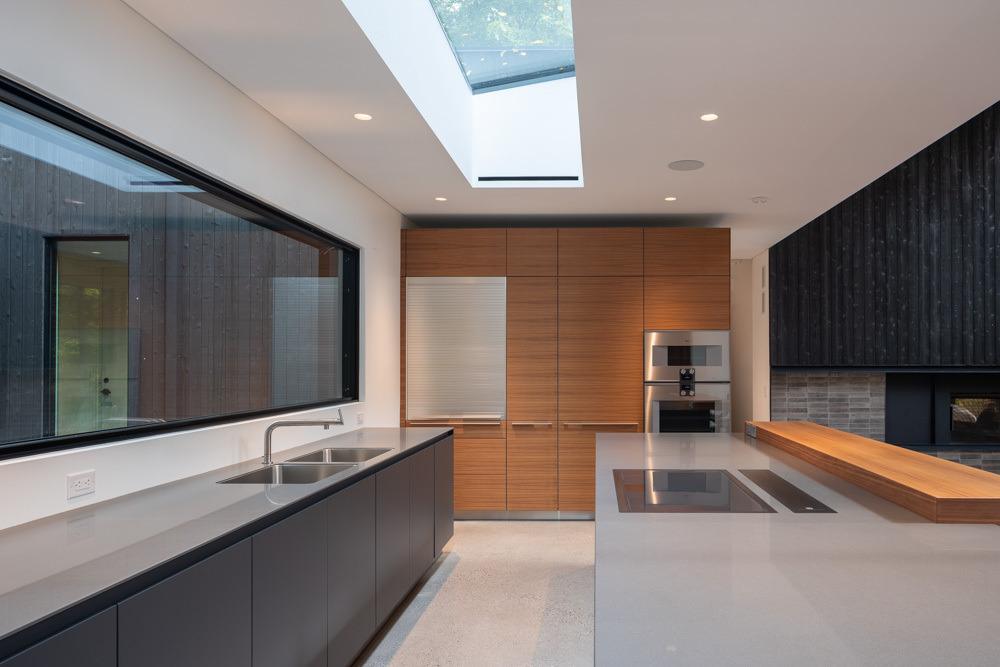
The reconfiguration reduced four bedrooms to three, prioritizing expansive communal areas over compartmentalized layouts. By removing the original roof and introducing varied ceiling heights, Orangeink Design infused the interior with daylight and views of the treetops. Previously separated rooms now flow together as an open living, dining, and kitchen space, anchored by a repositioned fireplace that provides both warmth and visual focus.
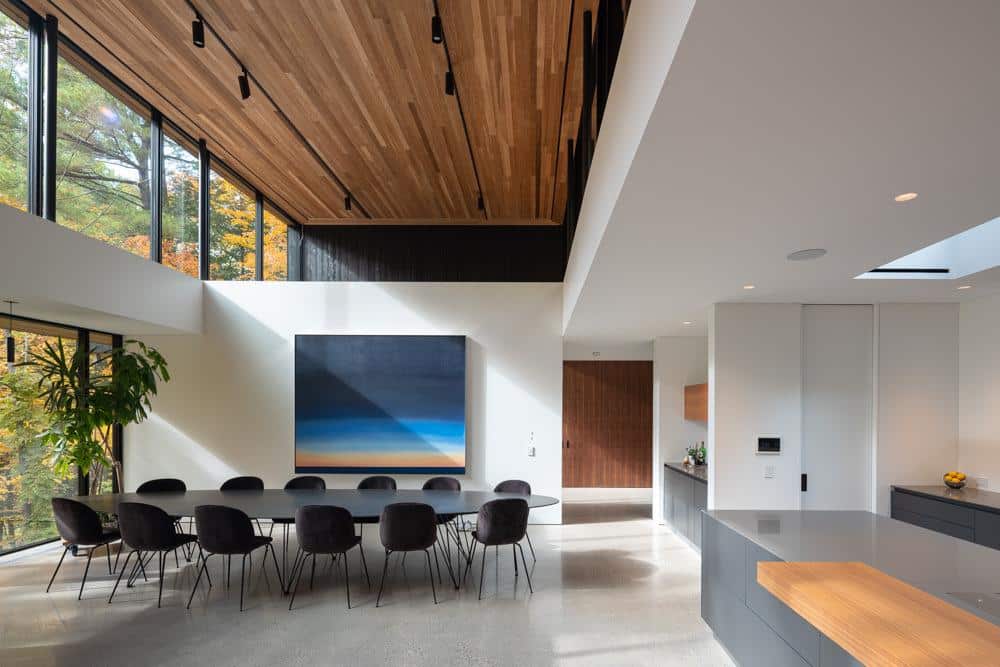
A new staircase, precisely aligned with the entry, creates a strong axial relationship while framing a 140-square-foot living green wall and a freshwater pond. This biophilic feature establishes a continuous dialogue between interior and exterior, improving air quality and reinforcing the presence of the ravine beyond. Below, the formerly underutilized lower level now accommodates a great room and fitness area, adding versatile space without altering the building’s footprint.
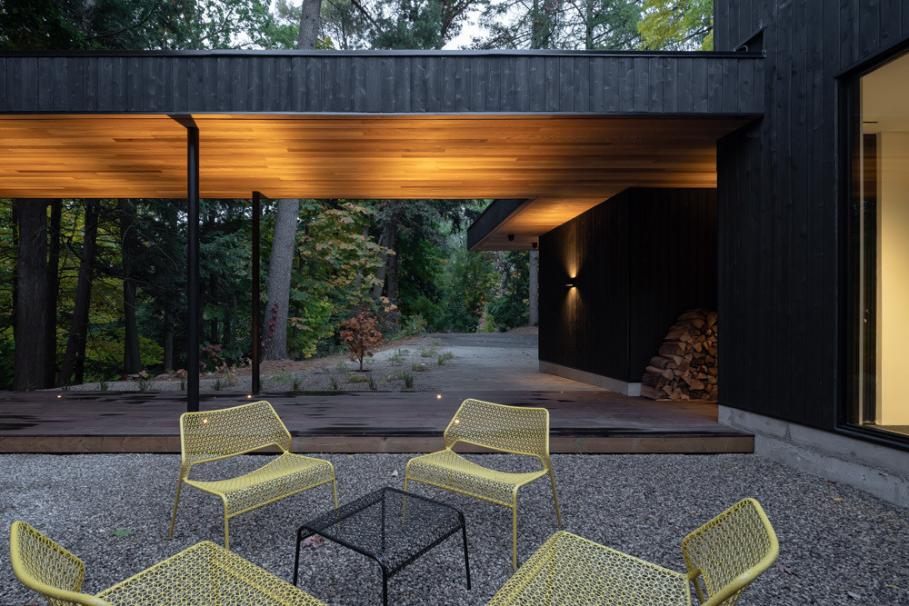
Outdoor connections emerge through carefully carved interventions within the existing envelope. The former indoor pool was replaced by a covered, all-season patio cantilevered above the forest floor, creating a sheltered viewpoint over the creek. A private balcony discreetly occupies a negative corner of the primary suite, while a rooftop deck positions residents among the treetops, offering panoramic vistas. At the property’s approach, an elevated boardwalk and courtyard framed by reclaimed brick walls define a social threshold, their ribbon-like roof tracing the home’s horizontal rhythm.
Orangeink Design’s sensitive handling of Ravine House demonstrates an architectural philosophy that values both preservation and reinvention. By retaining the structural core and reimagining its spatial qualities, the studio has crafted a flexible, light-filled environment that respects its site’s ecological parameters. Its recognition as the Residential Renovation & Addition jury winner at the 2025 Architizer A+ Awards affirms the project’s relevance as a contemporary example of thoughtful, context-driven design.
Photography by Scott Norsworthy, with courtesy of v2com