‘The Birth of a Photographer’ book revisits Frank Horvat’s early journeys through India and Pakistan
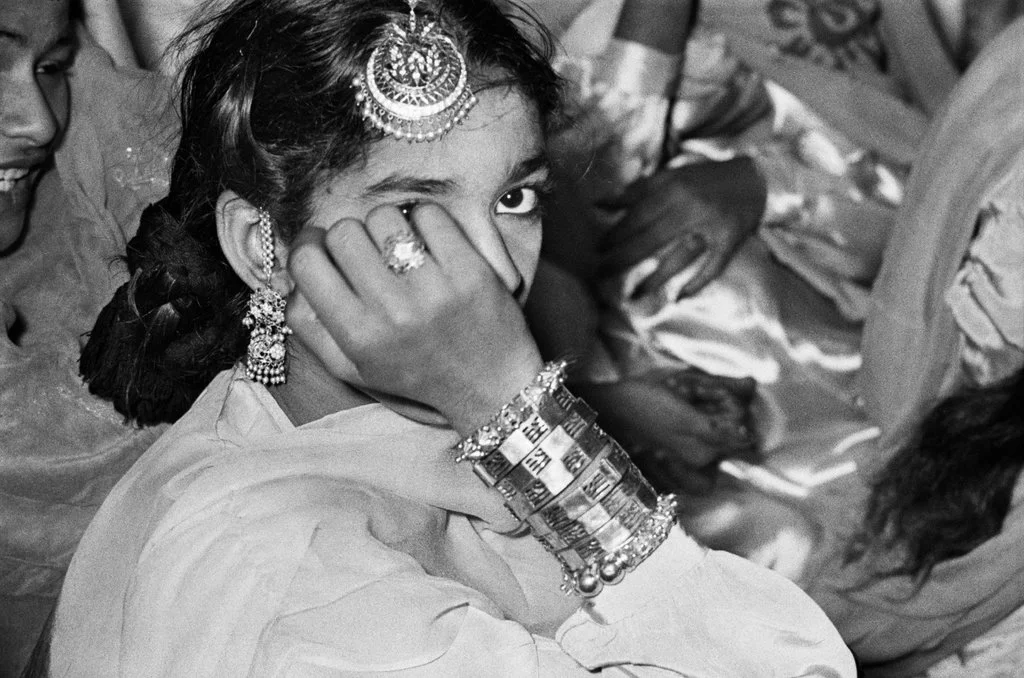
The Birth of a Photographer revisits Frank Horvat’s formative journeys through India and Pakistan that preceded his celebrated career in fashion photography. Published by Kehrer Verlag, the book is edited by Karine Lisbonne with the support of the Frank Horvat Studio. It brings together around one hundred photographs made during trips beginning in 1952 and continuing with Horvat’s return to India a decade later. Across its pages, rituals, streets, landscapes and encounters reveal the development of a photographic language grounded in observation, proximity and an instinct for moments that extend beyond their immediate subject.
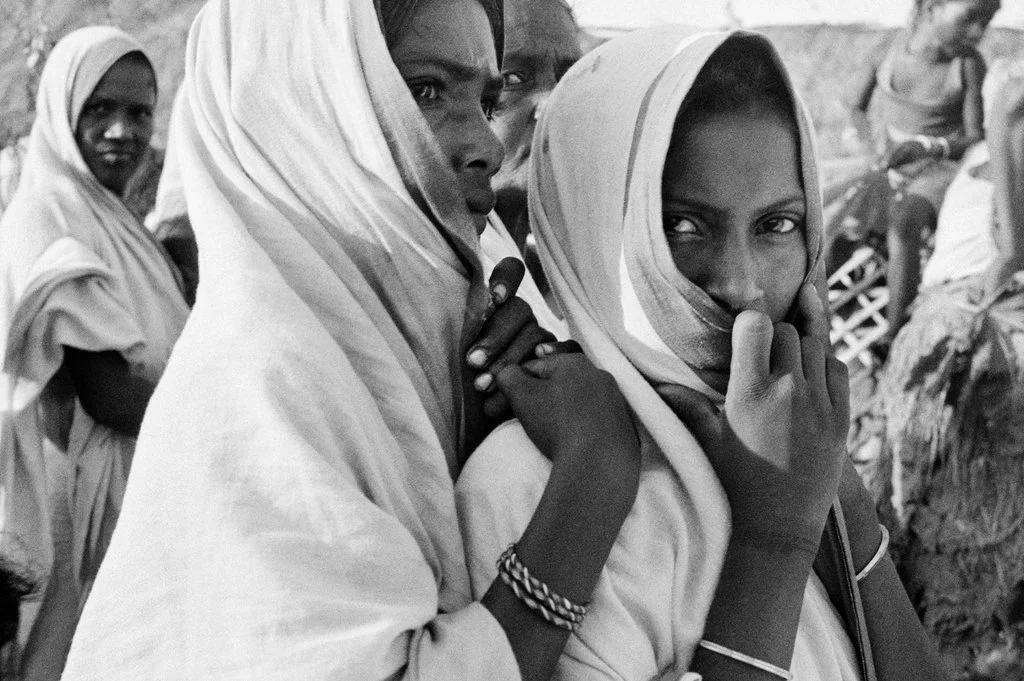
The photographer travelled to India and Pakistan at the age of twenty-five, several years after encountering Indian soldiers in Switzerland during the Second World War, where he had arrived as a young Hungarian Jewish refugee. He remained in the region for approximately two years, moving between cities and rural environments while photographing everyday life with a 35mm camera. The resulting black-and-white images range from intimate human encounters to public rituals and architectural spaces, establishing a form of reportage that relies less on spectacle than on careful positioning, gesture and the relationship between figures and their surroundings.
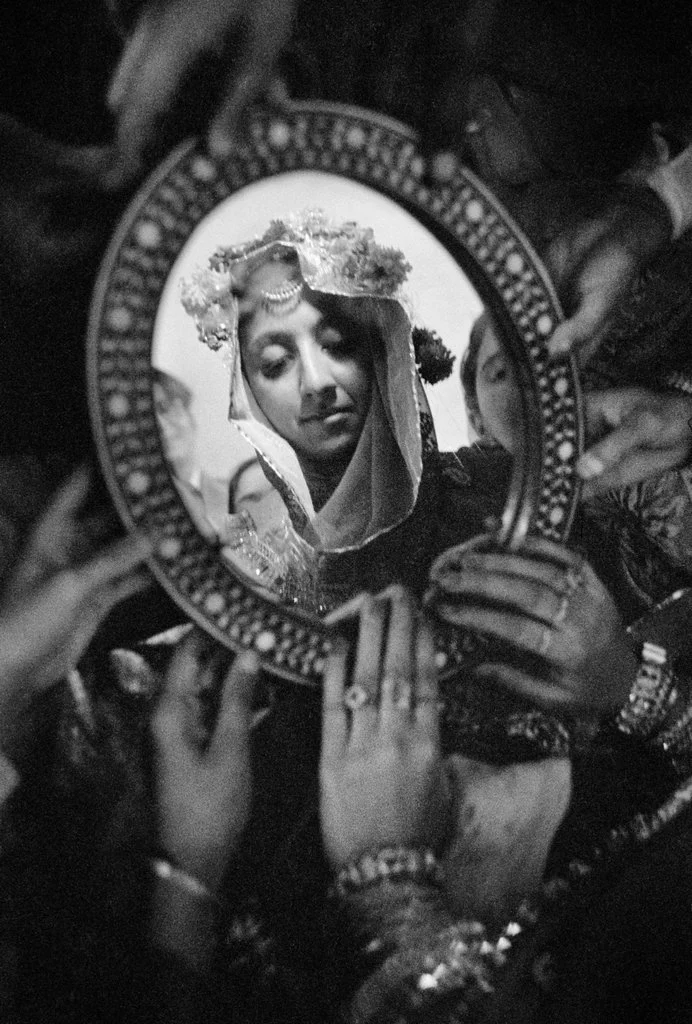
Among the photographs from this period is Frank Horvat’s 1952 image of a bride in Pakistan, later selected by Edward Steichen for The Family of Man at the Museum of Modern Art in New York in 1955. Its inclusion placed Horvat’s early work within one of the twentieth century’s most widely discussed photographic exhibitions, while his photographs from India and Pakistan were already beginning to circulate in publications across Europe and the United States. By the time he returned from Asia, the visual approach that would later inform his fashion photography had already begun to take shape.
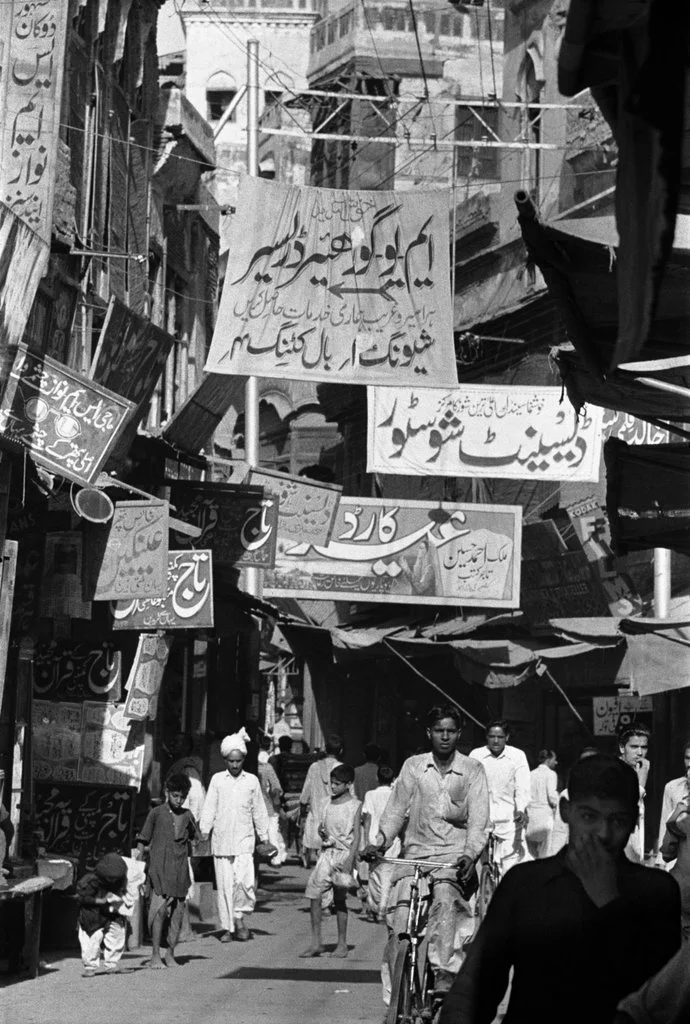
What becomes particularly clear across The Birth of a Photographer is Horvat’s attention to the distance between documentation and interpretation. His subjects are specific, yet the photographs often depend on small visual tensions: a face caught in reflection, a figure isolated within architecture, or a gesture that briefly reorganizes an otherwise ordinary scene. This ability to extract structure from spontaneous situations would later become central to his fashion work, where he was among the photographers who brought reportage techniques and the mobility of the 35mm camera into a field still dominated by more controlled studio conventions.
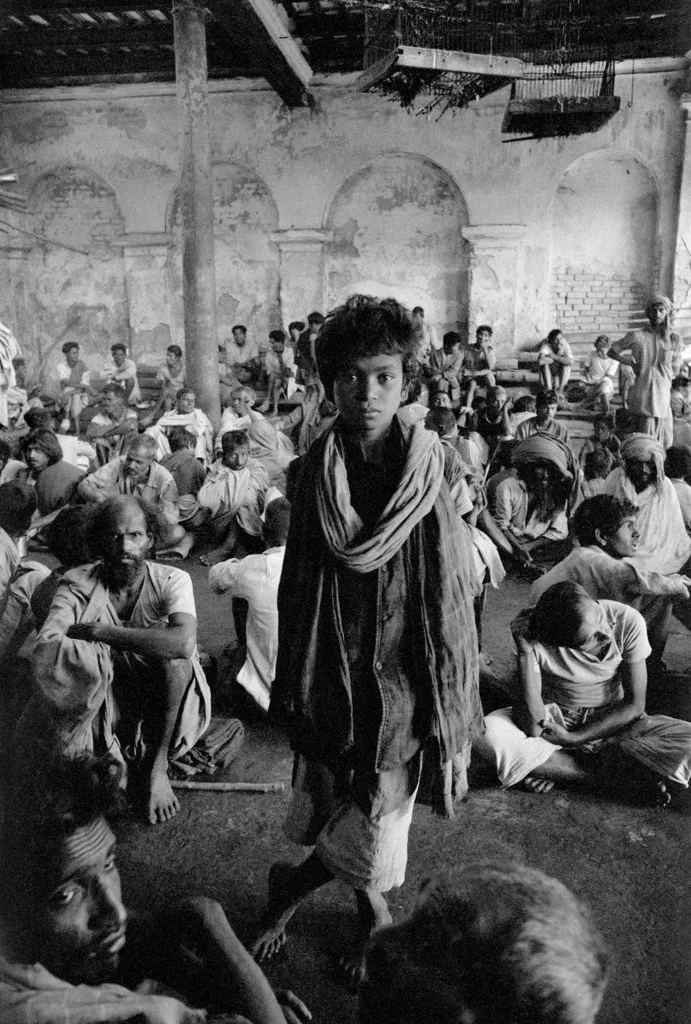
Frank Horvat returned to India in 1962, and the book places images from that later journey alongside photographs made a decade earlier, allowing changes in his visual language to emerge without forcing a strict chronology. Edited as a 176-page volume with 95 black-and-white and eight colour illustrations, the publication also includes texts by Horvat, poet and critic Ranjit Hoskoté, and photography historian Peter Pfrunder. The selection concentrates on a period that Horvat himself regarded as fundamental to his development, bringing previously dispersed photographs into a coherent account of how travel, observation and repeated encounters shaped his way of seeing.
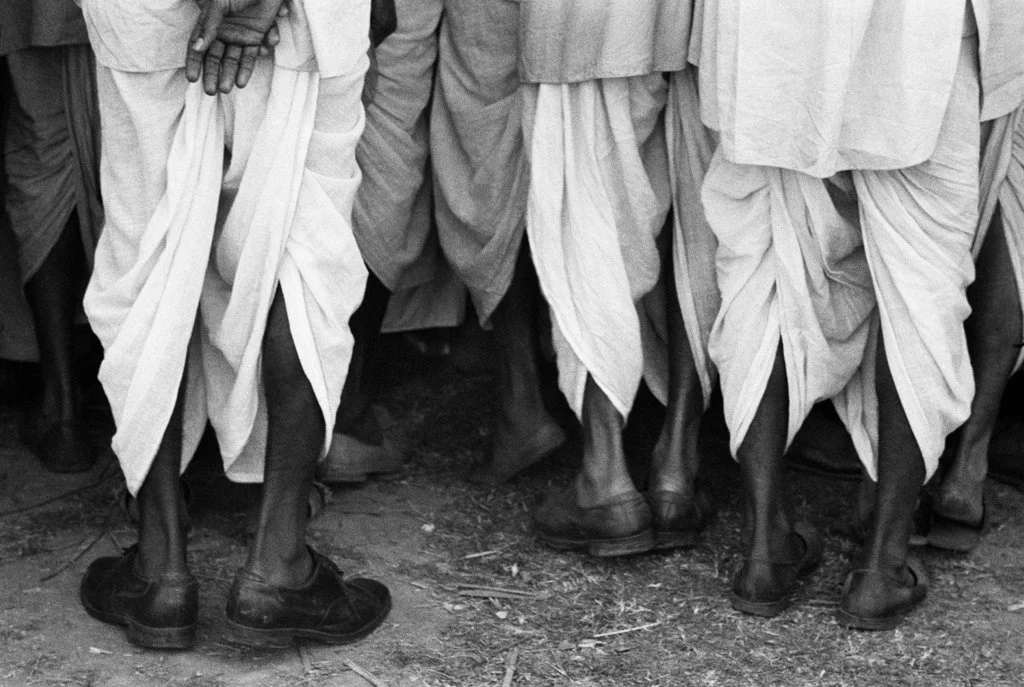
Known later for fashion photography as well as portraiture, landscape and photojournalism, Horvat continued to experiment with photographic technologies throughout his career, including digital cameras and image-editing tools. The Birth of a Photographer returns instead to the moment before those later chapters, when his practice was still being defined through movement, uncertainty and direct contact with unfamiliar environments. By assembling these early images together for the first time, the book reveals not an isolated prelude to his career, but the visual foundation from which much of his subsequent work developed.
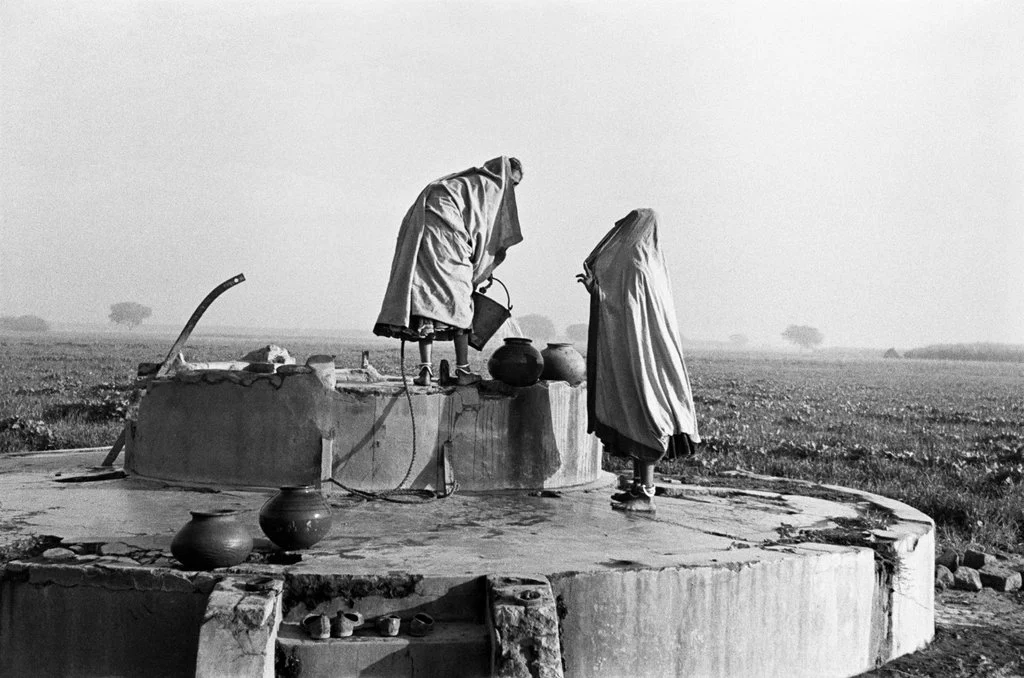
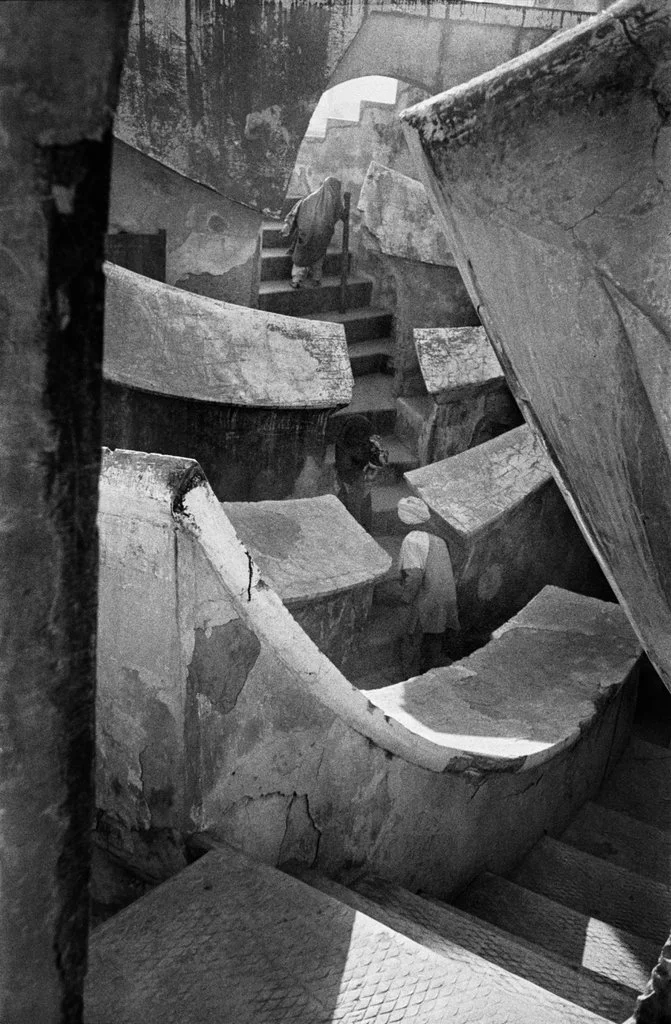
All images courtesy of Kehrer Verlag, shared with permission