Kehai House by HW Studio residential architecture organized around an internal garden
Kehai House by HW Studio is a residential architecture project in Mexico that places emptiness at the center of domestic life, where the house is defined not by accumulation but by subtraction. Designed as the architect’s own dwelling, it emerges from a personal position shaped over time through encounters with Zen practice, Japanese spatial culture, and the discipline of building with limited resources. The project does not translate an idea into form; it aligns construction with a way of living already formed.
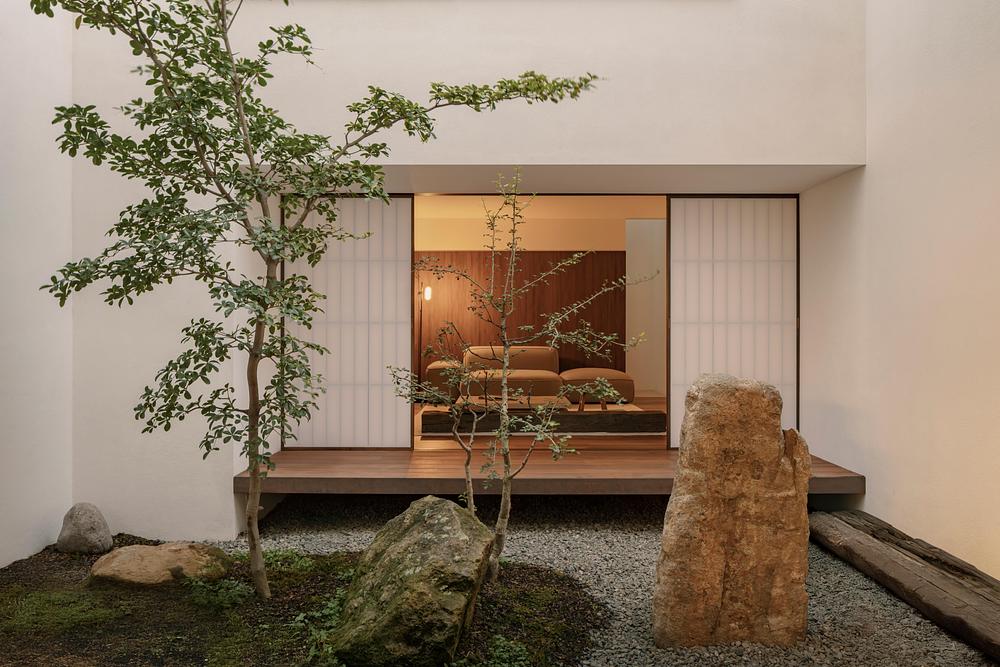
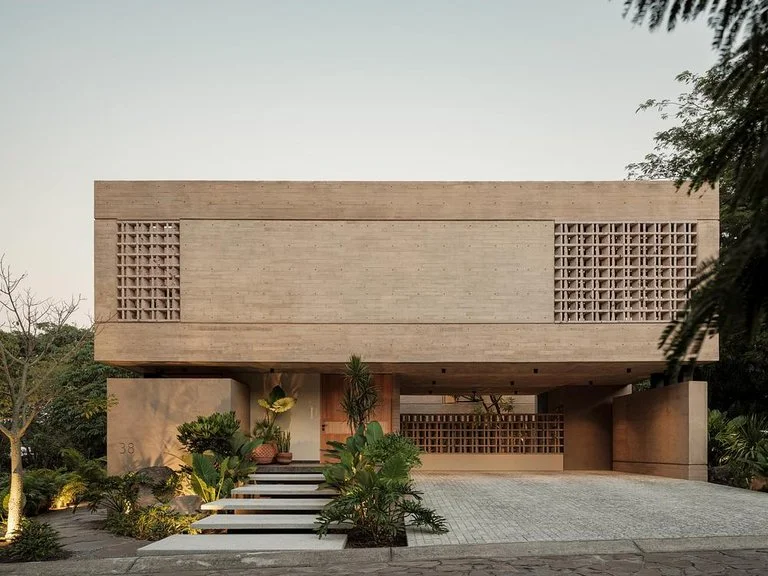
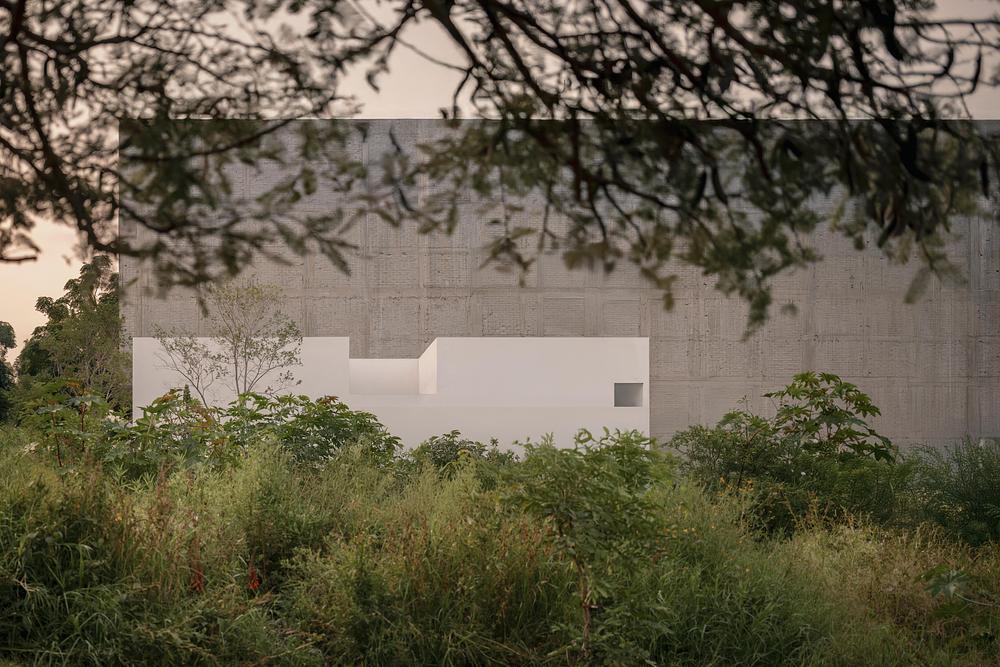
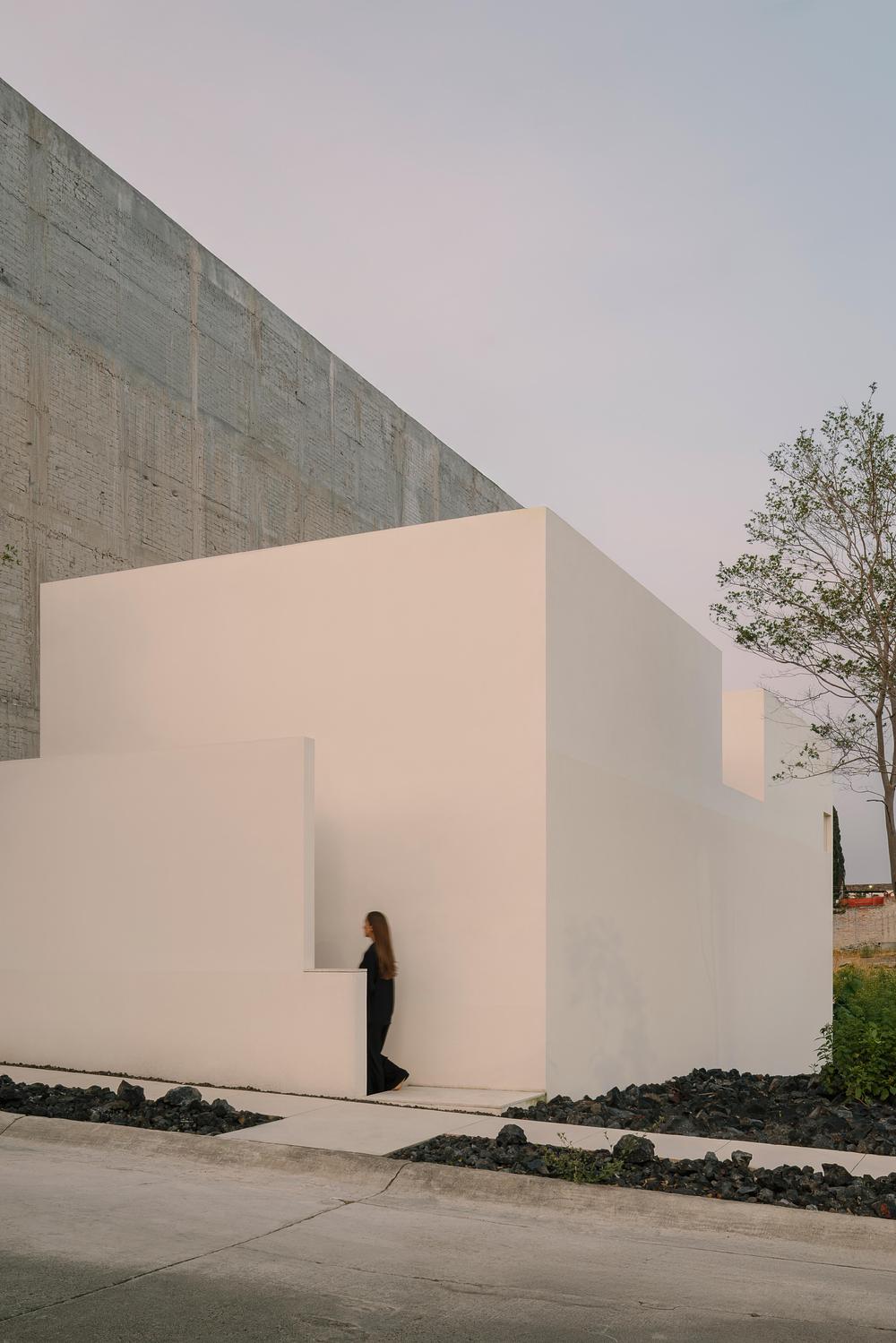
From the outside, the volume remains closed and almost unexpressive. It does not signal what happens within, nor does it attempt to establish continuity with the surrounding city. The transition occurs only at the threshold. Inside, a stone garden occupies the center, establishing an internal order that replaces conventional spatial hierarchy. Everything else arranges itself around this void, which holds Kehai House together without becoming an object of attention.
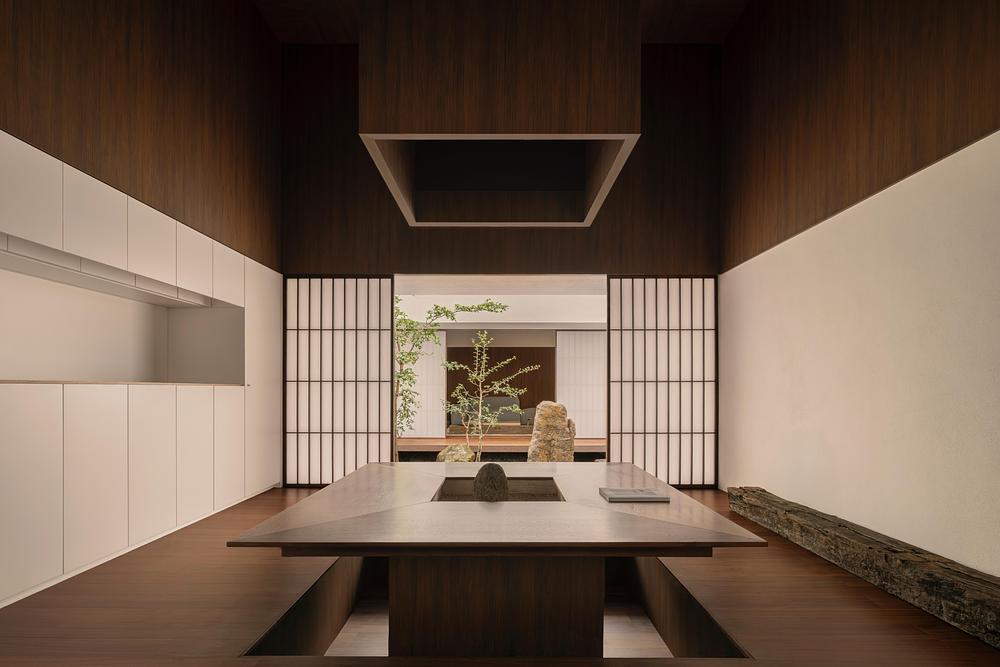
The garden of Kehai House is composed of stones placed on a continuous surface of grey gravel. Their presence does not illustrate or represent, yet it defines proportion, distance, and orientation. Slightly elevated wooden platforms rest above this field, separating movement from ground. These elements interrupt continuity without enclosing space, introducing moments where action slows and perception becomes more deliberate. The void acts as a constant reference, structuring both circulation and stillness.
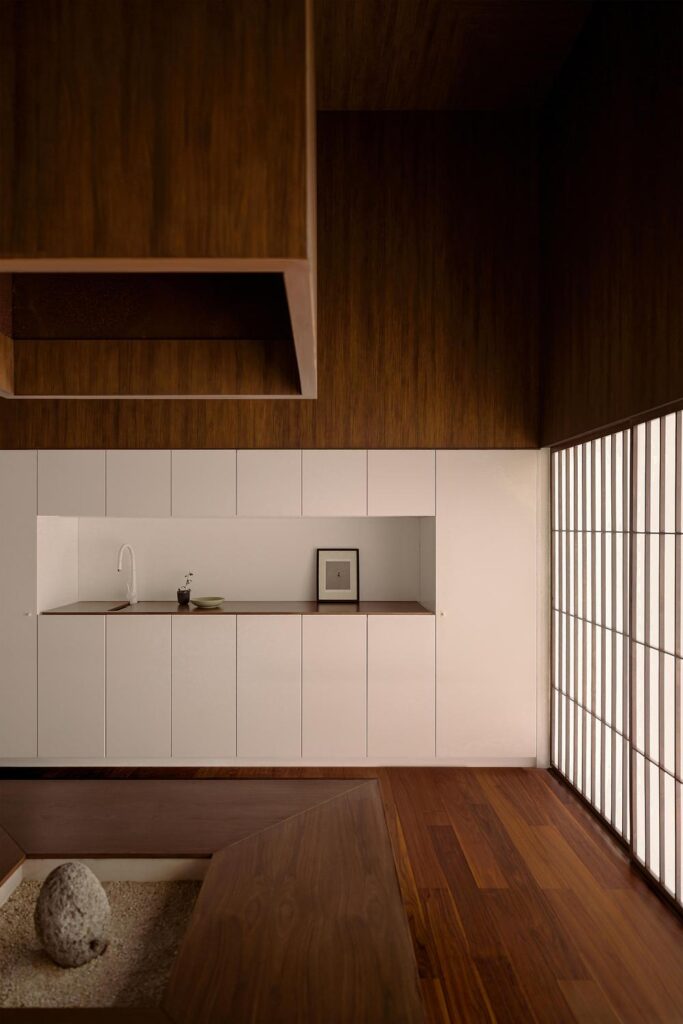
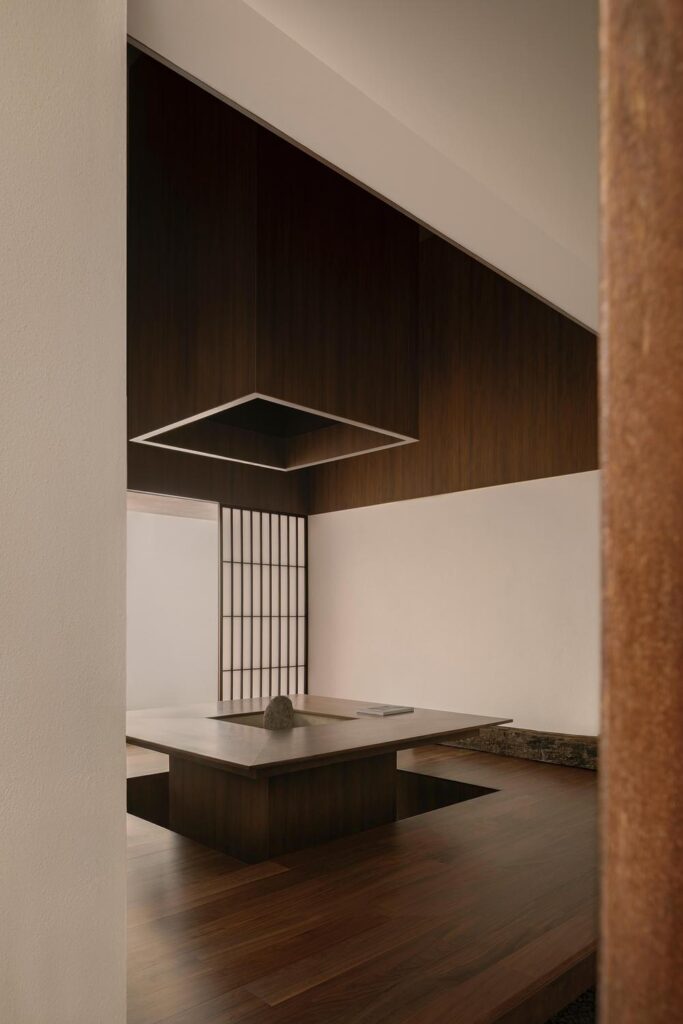
On one side, the kitchen and dining area extend vertically, forming a double-height volume that accommodates both daily use and the presence of fire. Above, a chamber gathers smoke, addressing function without abstraction. Across the void, the living space remains lower and more contained, where stones extend the spatial logic of the garden inward. There is no internal corridor linking these areas. To move between them requires crossing open space, accepting weather and time as part of the experience rather than conditions to be excluded.
Shoji screens define the boundary between interior and exterior of Kehai House, reducing contrast and slowing perception. Openings are limited and precise. A distant mountain, a neighboring pine, and the tree rooted at the center become the only external references. Everything else remains contained, reinforcing a spatial condition that turns attention inward while maintaining a measured relationship with the outside.
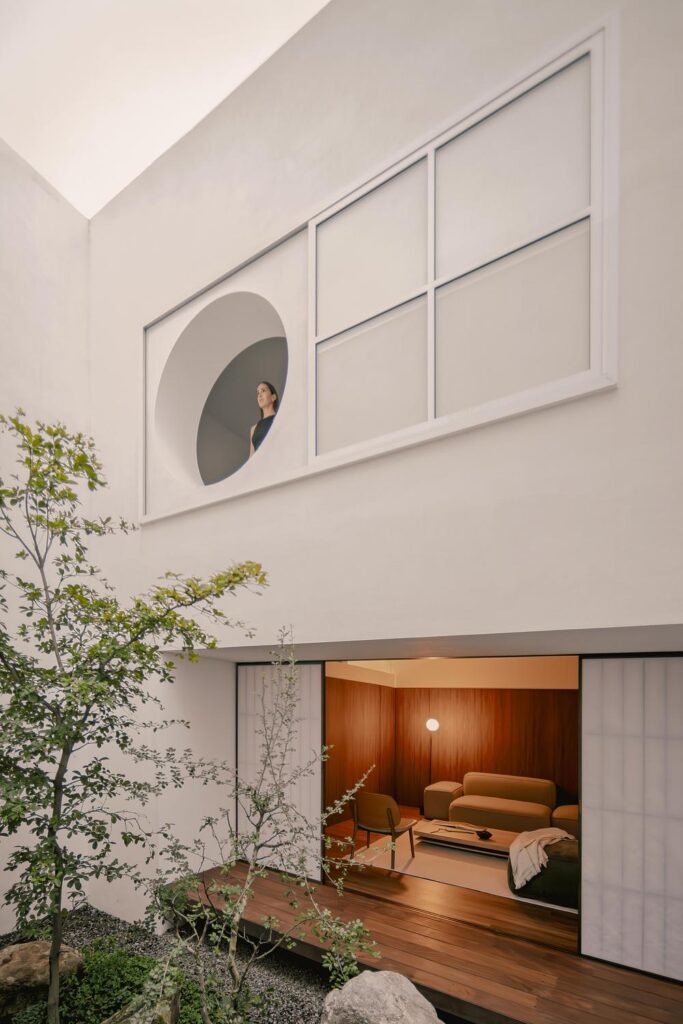
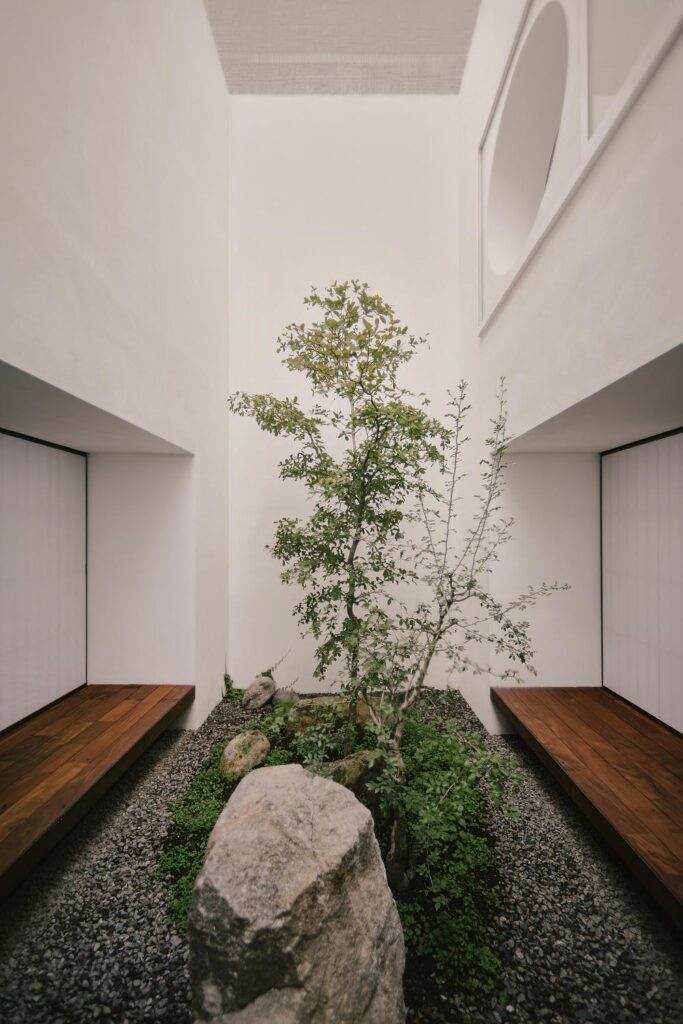
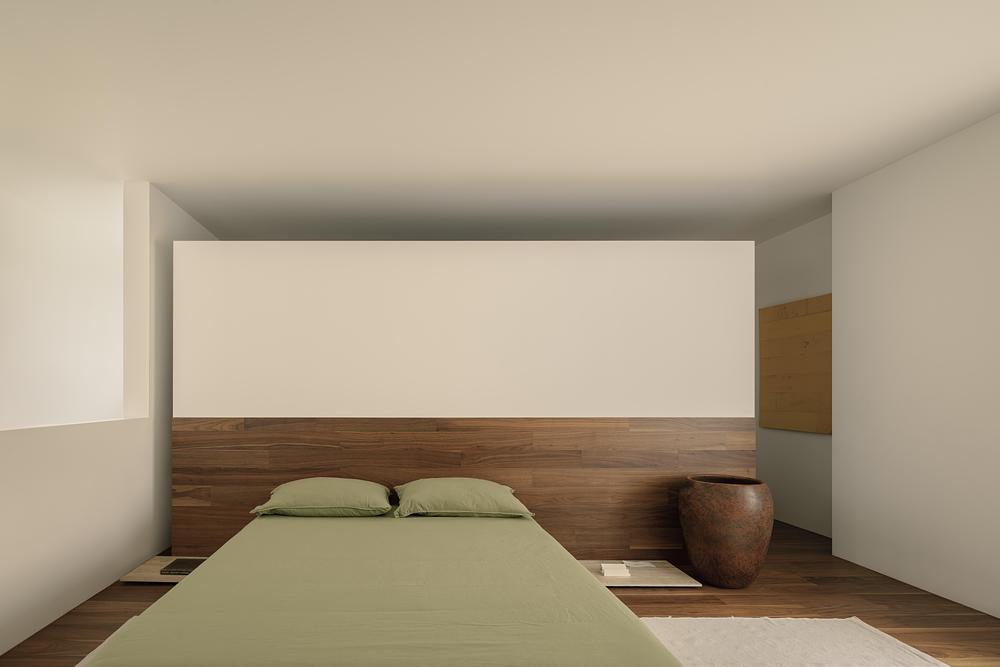
Above, the bedroom is reduced to its essential function. A circular opening frames the tree below, maintaining a continuous visual axis through the house. Entry is defined by descent, aligning construction with a gesture of lowering rather than elevation. The project avoids excess, not as an aesthetic position but as a necessity carried through every decision. Kehai House by HW Studio residential architecture sustains a coherent balance between use, belief, and construction, where space gains meaning through what is intentionally left unbuilt. This disciplined approach to Mexican contemporary architecture and context resonates with the Taller Di Frenna Arquitectos studio in Colima, conceived as a built manifesto of architectural practice, and expands into hospitality where PPAA completes Lamartine hotel with mesh facade in Mexico City.
Photography by Cesar Bejar, via v2com